
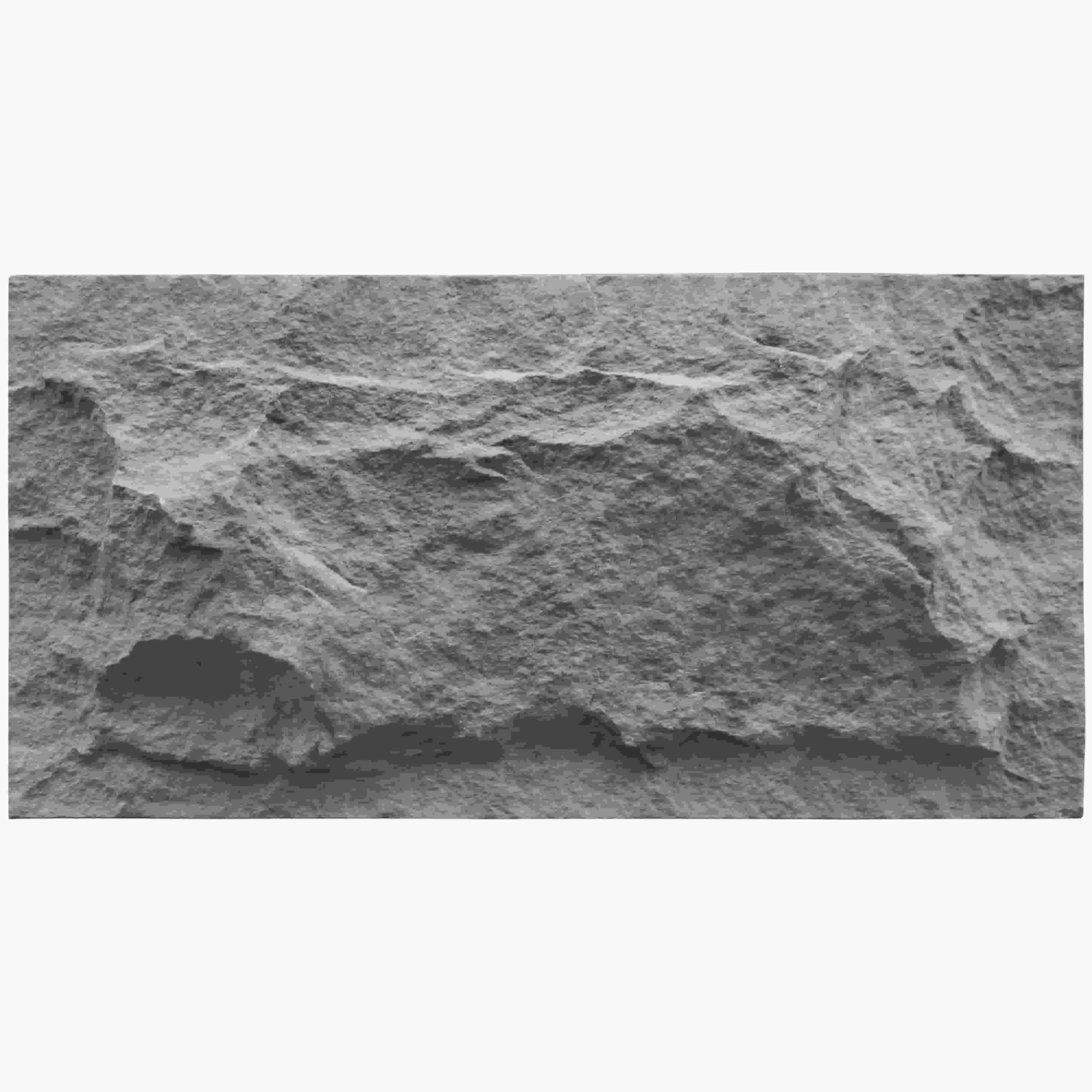
The Middle East is a region of striking contrasts: where ancient mud-brick forts stand beside glittering glass skyscrapers, and vast deserts meet bustling urban centers. In this landscape, construction isn't just about building structures—it's about balancing heritage, innovation, and the unforgiving demands of a harsh climate. For architects, builders, and homeowners alike, the search for materials that can withstand scorching sun, sudden sandstorms, and the pressure to build sustainably has long been a challenge. Enter Crossare Mushroom Stone043 —a product that doesn't just meet these challenges but redefines what's possible for Middle Eastern construction. Blending the rustic charm of natural stone with cutting-edge sustainable technology, this modified composite material (MCM) is quickly becoming the go-to choice for projects that prioritize durability, aesthetics, and environmental responsibility.
Walk through the streets of Riyadh, Dubai, or Cairo, and you'll notice a common thread: natural stone has long been the backbone of regional architecture. From the golden limestone of Petra to the marble-clad palaces of Abu Dhabi, stone speaks to the region's history of craftsmanship and grandeur. But traditional stone comes with a heavy price—literally and figuratively. Quarrying natural stone is energy-intensive, often requiring large amounts of water and leaving behind scars on the landscape. Transporting heavy blocks across vast deserts adds to carbon emissions, and once installed, these stones can crack under extreme temperature fluctuations or require constant maintenance to stay intact.
Then there's the issue of sustainability. As countries like the UAE and Saudi Arabia race toward net-zero goals, the construction industry—a major contributor to global carbon emissions—faces increasing pressure to adopt greener practices. Homeowners and developers are no longer satisfied with "good enough"; they want materials that reduce energy use, minimize waste, and align with international green building standards. For years, the options felt limited: either stick with traditional stone and compromise on sustainability, or opt for generic modern materials that lacked the region's cultural warmth.
That's where Crossare Mushroom Stone043 steps in. Part of MCM's innovative product lineup—including MCM flexible stone and foamed aluminium alloy board (vintage silver) —this material was designed specifically to bridge the gap between tradition and progress. It mimics the rugged, organic texture of natural mushroom stone, a beloved material in Middle Eastern design for its earthy, timeless appeal. But unlike its natural counterpart, Crossare Mushroom Stone043 is lightweight, durable, and engineered for the region's unique climate. It's a material that honors the past while building a more sustainable future.
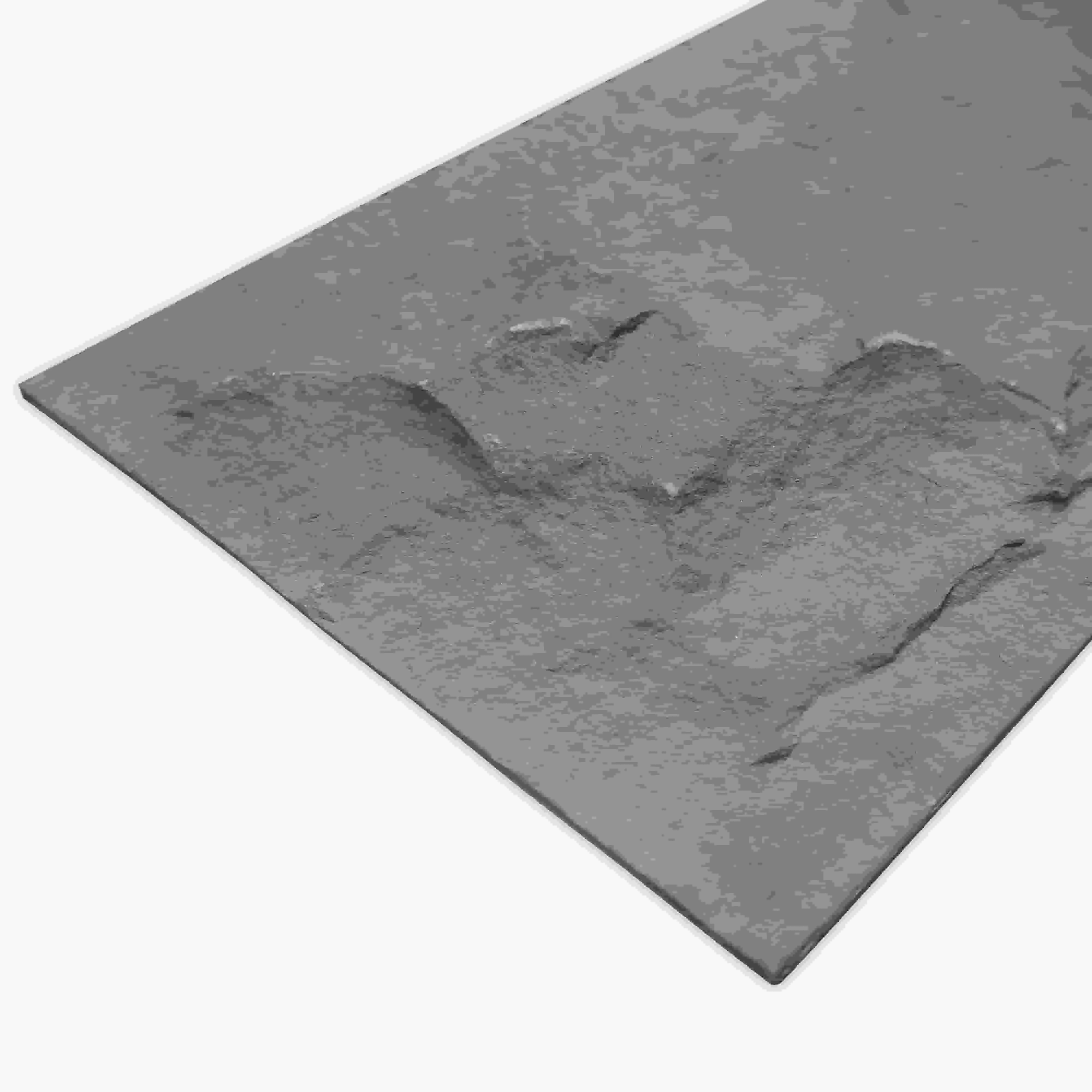
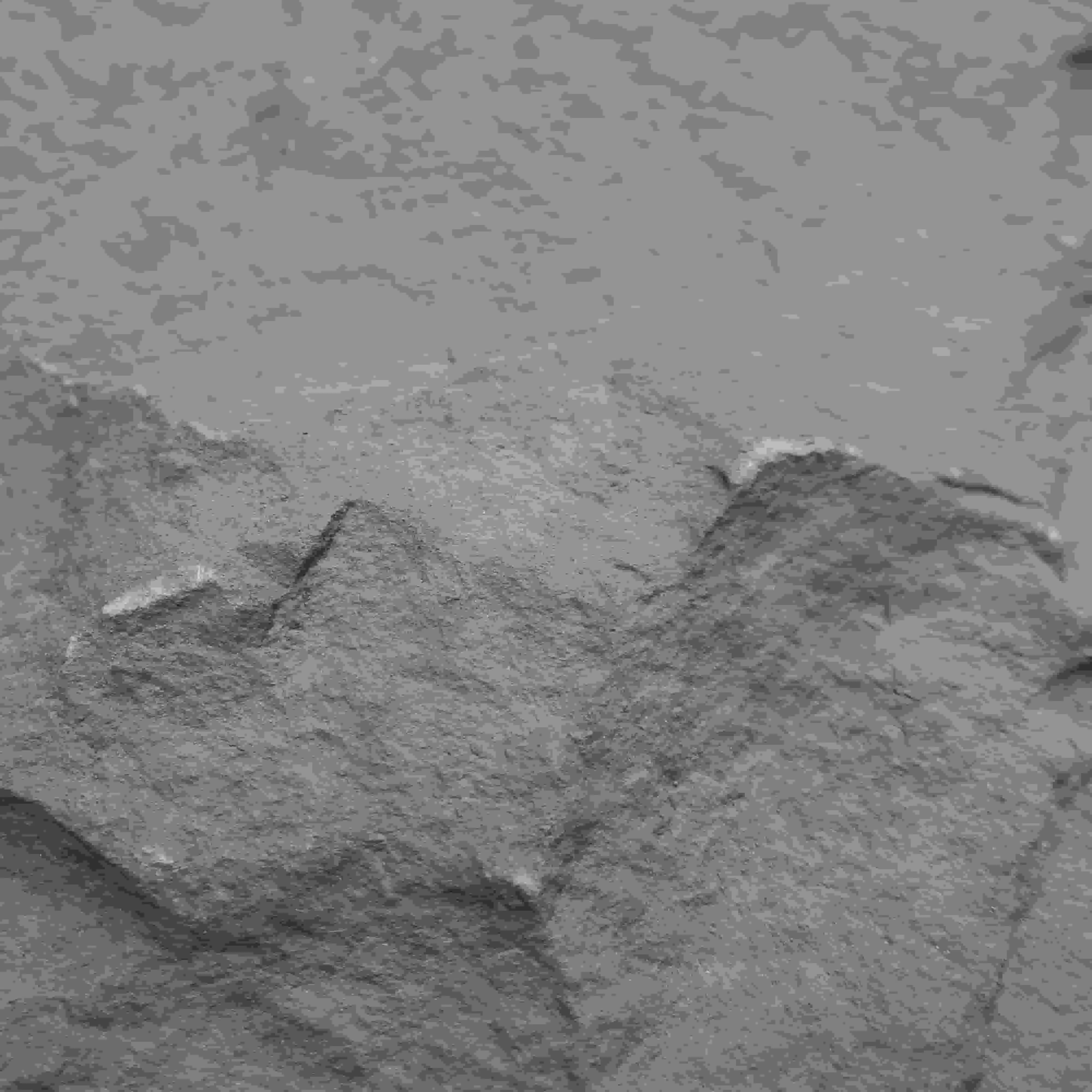
At first glance, Crossare Mushroom Stone043 looks indistinguishable from the real thing. Its surface features the same irregular, bubbly texture that gives mushroom stone its name—like nature's own sculpture, frozen in time. But touch it, and you'll notice the difference: it's surprisingly light, yet firm to the touch. That's because it's crafted from a modified composite material, a blend of recycled minerals, polymers, and natural additives that create a product stronger and more flexible than traditional stone.
Let's break down its key benefits, starting with sustainability. Unlike natural stone, which requires mining and processing, Crossare Mushroom Stone043 is made with a high percentage of recycled content, including reclaimed stone dust and industrial byproducts. This reduces the need for quarrying and cuts down on landfill waste—a critical plus for a region where preserving fragile desert ecosystems is increasingly important. The production process itself is also low-impact: it uses 60% less water than traditional stone manufacturing and emits significantly fewer greenhouse gases. For developers aiming to earn LEED or Estidama certifications, this material is a game-changer.
Then there's durability. The Middle East isn't kind to building materials. Summer temperatures soar above 45°C (113°F), while winter nights can dip below freezing in some inland areas. Sandstorms blast surfaces with abrasive particles, and coastal regions like Dubai and Doha face salty air that corrodes metal and weakens stone. Crossare Mushroom Stone043 is engineered to withstand all of this. Its composite structure resists thermal expansion and contraction, meaning it won't crack or warp in extreme heat. It's also water-resistant, mold-proof, and impervious to salt, making it ideal for both desert and coastal projects. In independent tests, the material showed no signs of fading or degradation after 10 years of exposure to UV radiation—far outlasting many natural stones, which can start to weather within 5 years.
Installation is another area where Crossare Mushroom Stone043 shines. Traditional mushroom stone is heavy—often weighing 50-60 kg per square meter—requiring reinforced structural support and a team of laborers to maneuver. Crossare, by contrast, weighs just 12-15 kg per square meter. This lightness reduces the load on building foundations, lowers transportation costs, and cuts installation time by up to 40%. For contractors working on tight deadlines in cities like Jeddah or Kuwait City, this efficiency is a lifesaver. "We used to need a crew of six to install 100 square meters of natural mushroom stone in a day," says Ahmed, a site supervisor in Dubai. "With Crossare, two people can do the same job—and with less risk of back injuries. It's transformed how we work."
To truly understand Crossare Mushroom Stone043's impact, let's compare it to two common alternatives: natural mushroom stone and generic concrete panels. The table below breaks down key factors like weight, sustainability, and performance—areas that matter most to Middle Eastern builders.
| Feature | Natural Mushroom Stone | Generic Concrete Panels | Crossare Mushroom Stone043 |
|---|---|---|---|
| Weight (per sqm) | 50-60 kg | 25-30 kg | 12-15 kg |
| Recycled Content | 0% | 5-10% | 30-40% |
| Thermal Resistance | Low (heats up quickly) | Moderate | High (reflects 40% of solar heat) |
| Installation Time | 8-10 hours per 100 sqm | 5-6 hours per 100 sqm | 3-4 hours per 100 sqm |
| Maintenance Needs | High (sealing every 2-3 years) | Moderate (patching cracks) | Low (no sealing required) |
| Carbon Footprint (production + transport) | High (quarrying + heavy transport) | Moderate (cement production is energy-heavy) | Low (recycled materials + lightweight design) |
The numbers speak for themselves. Crossare's lightweight design and high recycled content make it a clear winner for sustainability, while its thermal resistance addresses a critical Middle Eastern concern: keeping buildings cool. In a region where air conditioning accounts for up to 70% of a building's energy use, materials that reflect heat (like Crossare) can lower cooling costs by 20-30%. For homeowners in Bahrain or Oman, that translates to hundreds of dirhams saved annually on utility bills.
One of the best things about Crossare Mushroom Stone043 is how well it plays with others. MCM's product range includes a variety of complementary materials that let architects get creative—whether they're designing a traditional majlis, a modern office tower, or a coastal villa. Let's explore a few standout pairings that are gaining popularity in the Middle East.
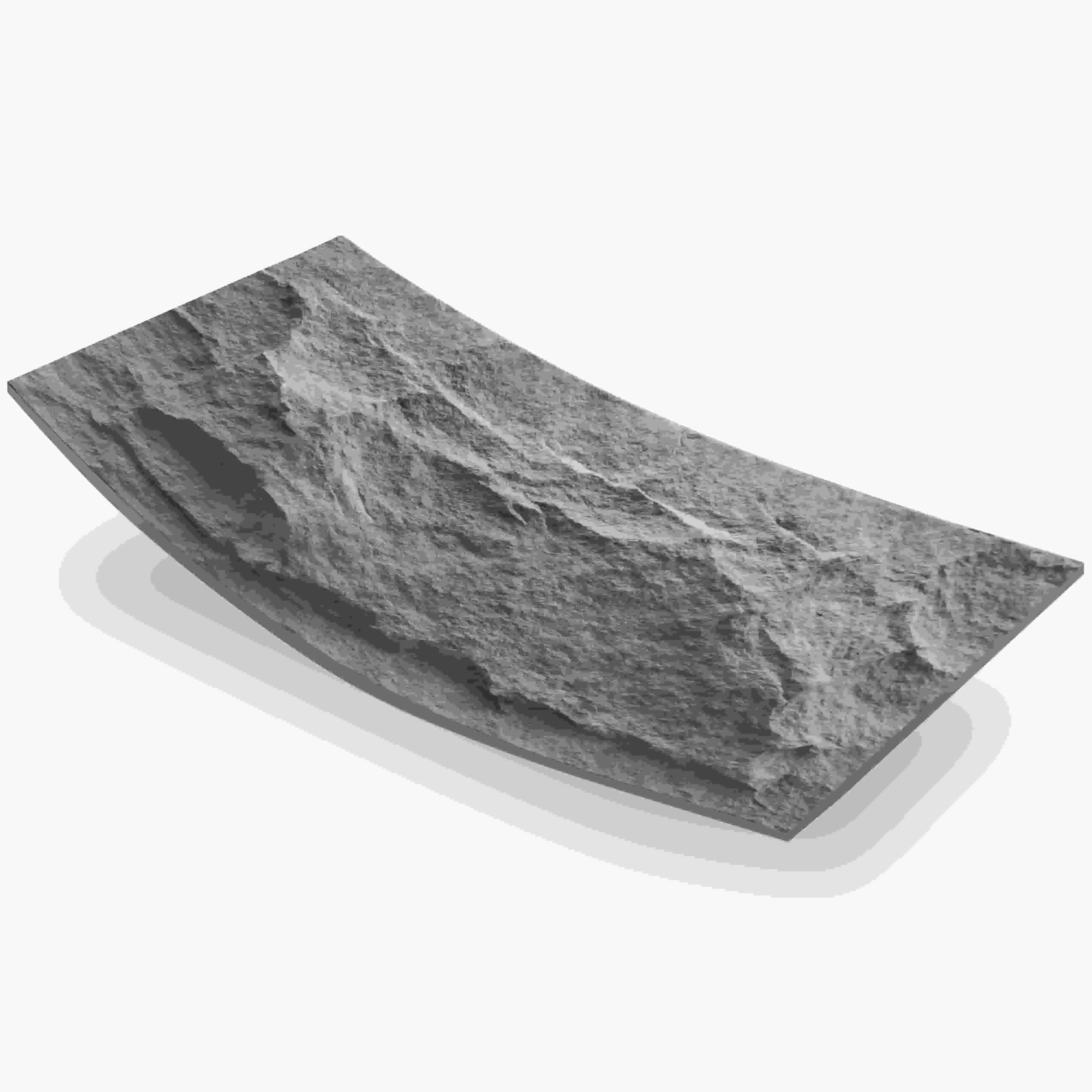
MCM flexible stone is a natural partner for Crossare. While Crossare excels on flat or slightly textured surfaces, flexible stone is designed for curves, arches, and custom shapes—think the rounded entrance of a mosque or the sweeping facade of a hotel. Its thin, bendable sheets (just 3-5mm thick) can mimic everything from sandstone to travertine, making it easy to create cohesive designs. In Abu Dhabi, a recent cultural center used Crossare for the main walls and flexible stone for the building's iconic domed roof, creating a seamless blend of texture and form.
For projects that need a touch of modern elegance, foamed aluminium alloy board (vintage silver) pairs beautifully with Crossare's earthy tones. The alloy's metallic sheen adds a contemporary twist, while its lightweight, corrosion-resistant properties make it ideal for exterior cladding or accent walls. In Riyadh's King Abdullah Financial District, a new office building combines Crossare Mushroom Stone043 with vintage silver foamed aluminium panels, creating a facade that shimmers in the sun by day and glows softly at night. "The contrast between the rough stone and smooth metal feels very 'Middle East meets global design'," says Lina, the project's lead architect. "It's bold, but it works."
And for those who love the raw, industrial look, fair-faced concrete is a classic choice to pair with Crossare. The smooth, gray surface of fair-faced concrete acts as a neutral backdrop, letting Crossare's texture take center stage. This combination is popular in minimalist homes and art galleries across Dubai and Beirut, where less is more. "We used Crossare and fair-faced concrete in a villa in Sharjah," explains Hassan, a designer based in the UAE. "The client wanted something that felt both grounded and modern. The stone adds warmth, while the concrete keeps it sleek. Together, they create a space that's calm and inviting—perfect for our climate."
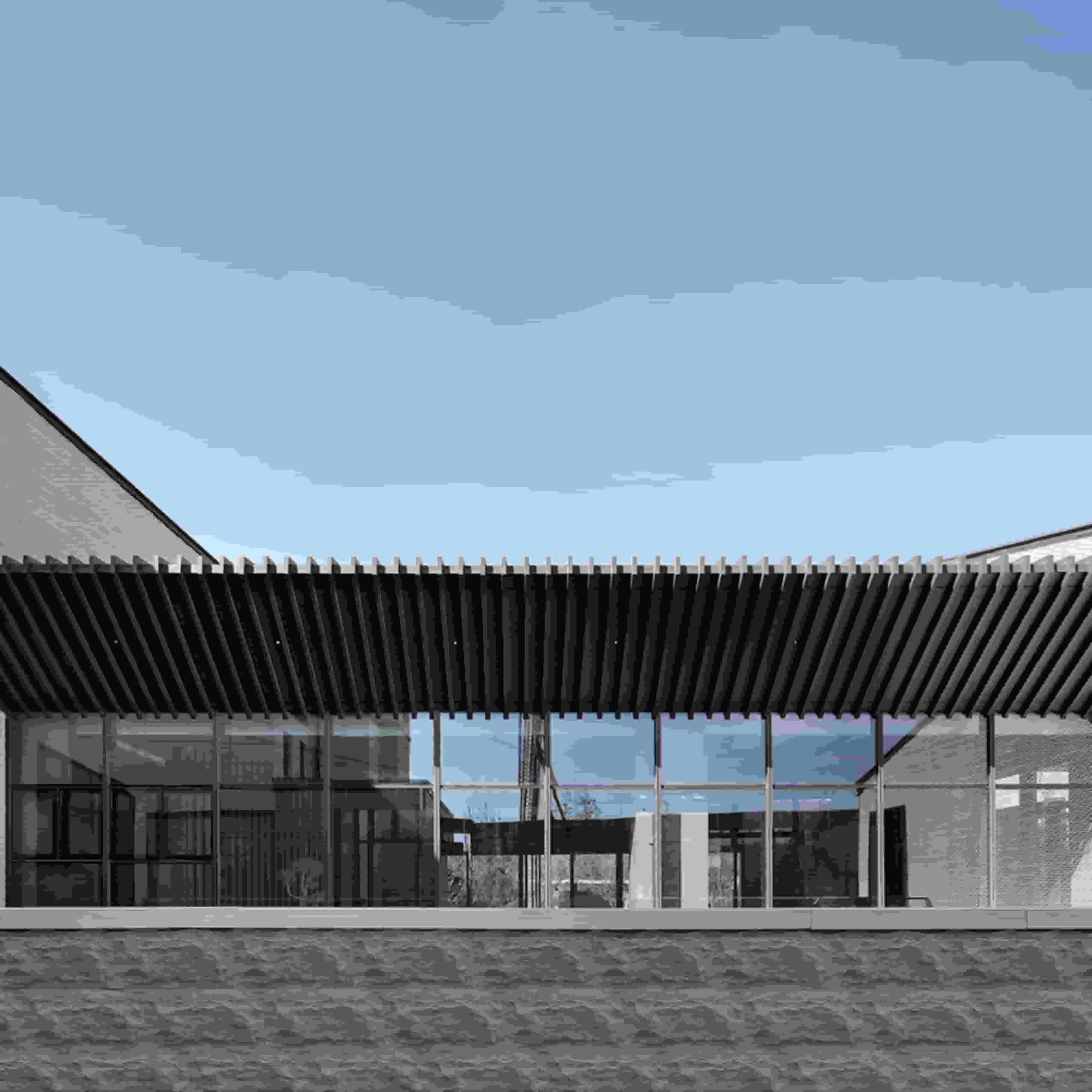
In 2023, the UAE announced its "Net Zero by 2050" strategic initiative, joining Saudi Arabia, Qatar, and Bahrain in setting ambitious climate goals. For the construction sector, this means rethinking every aspect of building—from design to demolition. Crossare Mushroom Stone043 aligns with these goals in ways that go beyond just recycled content. Let's dive into the details.
First, Crossare is part of the green building materials revolution sweeping the region. Its production process uses 80% less water than quarrying natural stone—a critical advantage in a region where freshwater is scarce. It also contains no toxic chemicals or volatile organic compounds (VOCs), improving indoor air quality for homes and offices. For projects aiming to earn LEED Gold or Platinum certification, these factors can earn valuable points.
Then there's the material's lifespan. Crossare is designed to last 50+ years with minimal maintenance, reducing the need for frequent replacements. When it does reach the end of its life, it's fully recyclable—unlike natural stone, which often ends up in landfills. In Dubai, a pilot program is already collecting old Crossare panels from demolished buildings and repurposing them into garden pavers or decorative tiles, closing the loop on the material's lifecycle.
Perhaps most importantly, Crossare supports the region's circular economy. MCM's manufacturing facility in Jordan sources local raw materials whenever possible, reducing transportation emissions. The company also trains local workers in sustainable construction practices, creating jobs and building expertise in the region. "We're not just selling a product—we're building a community," says Karim, MCM's regional director. "When we work with contractors in Oman or Kuwait, we share best practices for reducing waste on site. It's about growing together."
Talk is cheap—what really matters is how a material performs in the field. Here are three examples of Crossare Mushroom Stone043 making a difference in real Middle Eastern projects.
Al-Madinah Cultural Center, Saudi Arabia : This project aimed to celebrate the region's heritage while embracing modern sustainability. The center's exterior uses Crossare Mushroom Stone043 to mimic the weathered stone of ancient Madinah buildings, but with a modern twist: the panels are arranged in a geometric pattern that reduces wind resistance during sandstorms. Inside, flexible stone lines the auditorium walls, creating excellent acoustics. Since opening in 2022, the center has cut energy use by 28% compared to similar buildings, thanks in part to Crossare's thermal resistance.
Jumeirah Beach Villa, Dubai : A private homeowner wanted a coastal property that felt "connected to the desert" but could withstand salty air and high humidity. Crossare Mushroom Stone043 was chosen for the exterior walls and outdoor patio, paired with vintage gold foamed aluminium accents for a luxurious touch. "We were worried about maintenance—beach homes here take a beating," says the homeowner, Fatima. "But after two years, the Crossare looks as good as new. No cracks, no fading, and we haven't had to seal it once. It was worth every dirham."
Education Campus, Kuwait : With 10,000 students and staff, this campus needed durable, low-maintenance materials that could handle heavy foot traffic. Crossare was used for the exterior cladding of the main academic building and the outdoor walkways, while fair-faced concrete panels added a modern contrast. "Kids are tough on buildings—they scratch walls, spill drinks, drag chairs," says the campus facilities manager, Omar. "Crossare holds up. We've had zero issues with stains or damage, even in the playground areas. It's been a huge relief."
As the Middle East continues to grow—with projects like NEOM in Saudi Arabia and the Expo 2020 Legacy District in Dubai—the demand for innovative, sustainable materials will only increase. Crossare Mushroom Stone043 isn't just a product; it's a sign of where the industry is heading: toward materials that honor the past, perform in the present, and protect the future.
For architects, it means more creative freedom—no longer choosing between "sustainable" and "beautiful." For builders, it means faster, safer, more cost-effective projects. For homeowners, it means spaces that are cooler, quieter, and easier to maintain. And for the planet, it means less waste, lower emissions, and a construction industry that's finally doing its part to combat climate change.
So the next time you pass a building in Amman, Manama, or Istanbul and pause to admire its textured stone facade, take a closer look—it might just be Crossare Mushroom Stone043. In a region where construction has always been about endurance, this material is proving that sustainability and strength can go hand in hand. And that's a legacy worth building.
Recommend Products












