
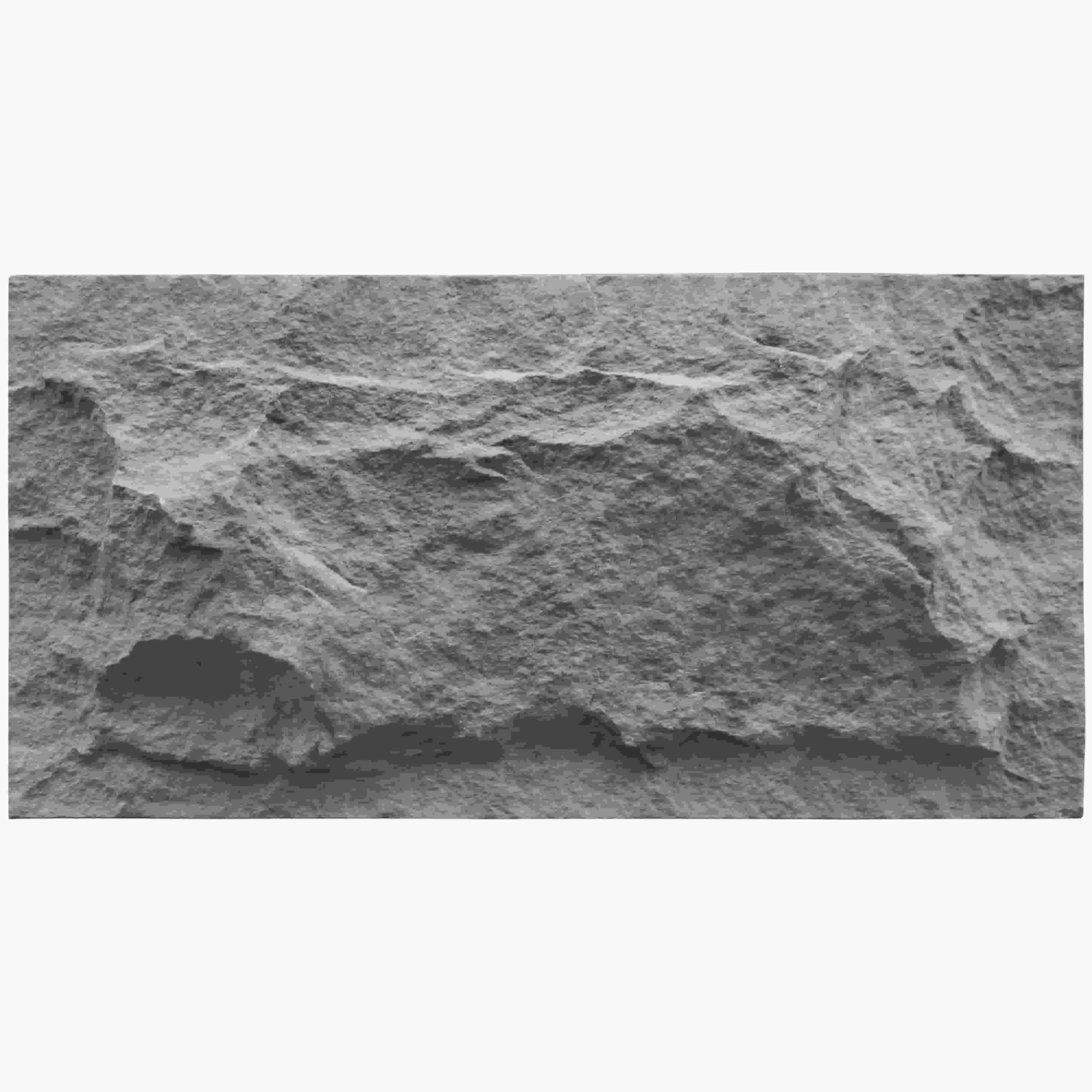
Redefining Cladding Solutions in the Fast-Evolving World of Prefab Building
Prefabricated construction has taken the building industry by storm in recent years, and it's not hard to see why. With its promise of faster project timelines, reduced on-site waste, and consistent quality, it's become the go-to approach for architects, contractors, and developers looking to stay ahead in a competitive market. But as with any innovation, prefab construction comes with its own set of challenges—especially when it comes to choosing materials that can keep up with the demands of off-site manufacturing, transportation, and on-site assembly. That's where products like Crossare Mushroom Stone043 step in, offering a blend of durability, versatility, and practicality that's reshaping how we think about building exteriors and interiors.
If you've spent any time in the construction world, you know that cladding materials often feel like a trade-off. Traditional stone is beautiful but heavy, making it a logistical nightmare for prefab panels. Vinyl or fiber cement might be lightweight but lack the authentic texture and longevity clients crave. And then there's the issue of sustainability—with green building materials becoming a non-negotiable for many projects, finding a cladding solution that checks all the boxes (performance, aesthetics, eco-friendliness) can feel like searching for a needle in a haystack. Enter Crossare Mushroom Stone043, a standout in the MCM flexible stone lineup that's designed specifically to address these pain points. Let's dive into why this material is quickly becoming a favorite among those in the prefab space.
First things first: let's get to know the star of the show. Crossare Mushroom Stone043 is part of the broader family of modified composite material (MCM) panels, a category that's revolutionized cladding in recent years. MCM flexible stone, as the name suggests, combines the best of natural stone aesthetics with the flexibility and lightness of modern composites. But Crossare Mushroom Stone043 isn't just another generic composite panel—it's a carefully engineered product that mimics the look and feel of natural mushroom stone, a texture beloved for its organic, earthy charm, without the weight and fragility of the real thing.
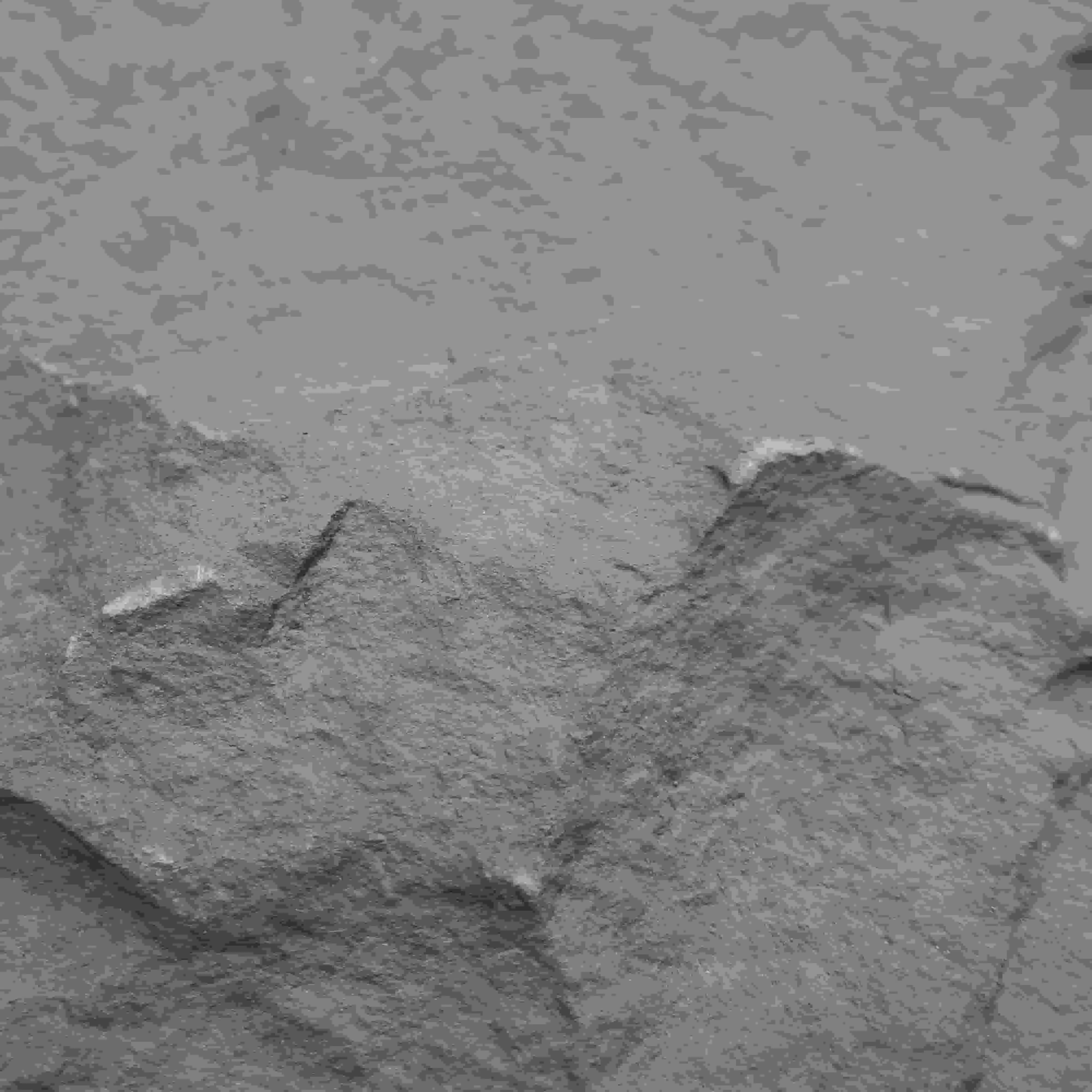
Crafted using a blend of mineral aggregates, high-performance polymers, and reinforcing fibers, this material is built to withstand the rigors of prefabricated construction. It's thin—typically around 4-6mm thick—yet surprisingly strong, making it ideal for integration into prefab wall panels, facade systems, and even interior feature walls. And while it's part of a larger MCM product line that includes options like wood grain board and bamboo mat board, Crossare Mushroom Stone043 stands out for its unique texture: think irregular, stacked "mushroom" edges that add depth and character to any surface, whether it's a commercial building's exterior or a residential accent wall.
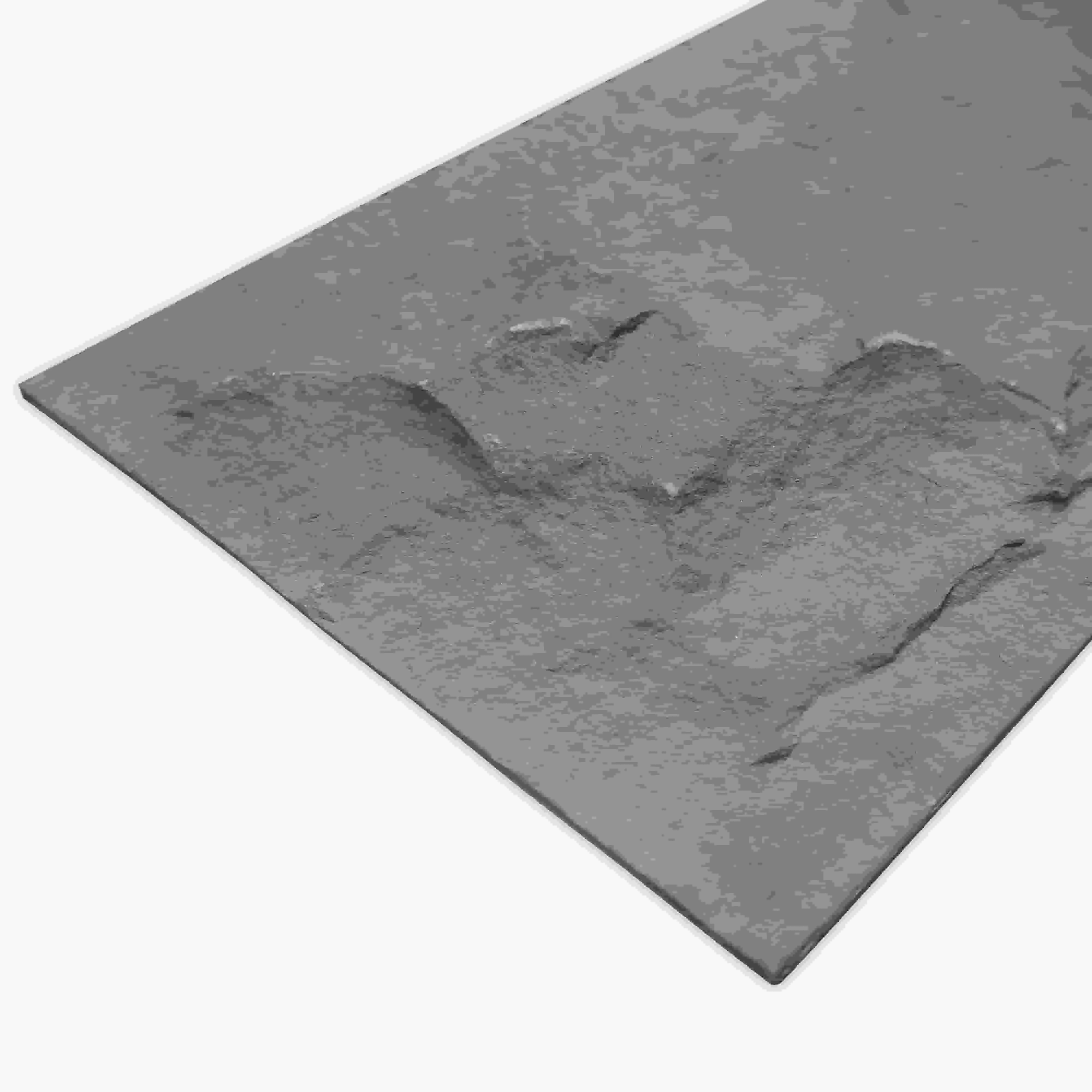
Let's start with the obvious: weight matters in prefabricated construction. When you're manufacturing panels in a factory and transporting them to a job site, every pound adds up—affecting shipping costs, vehicle requirements, and even the structural load of the buildings themselves. Traditional natural stone cladding can weigh upwards of 50-80 kg per square meter, which is not only expensive to transport but also requires reinforced structural support. Crossare Mushroom Stone043, by contrast, clocks in at a mere 6-8 kg per square meter. That's a fraction of the weight, and it makes a world of difference.
Take it from Mike, a project manager at a mid-sized construction firm in Texas who recently switched to Crossare Mushroom Stone043 for a prefab apartment complex. "We used to struggle with traditional stone panels—they required specialized lifting equipment on-site, and we'd often have to reinforce the building's framing just to support the weight," he explains. "With this material, we can load twice as many panels onto a truck, and our crew can handle them by hand during installation. It cut our transport costs by nearly 30% and shaved a full week off the installation timeline. That's a huge win for our bottom line."
Beyond transportation and installation, the lightweight nature of Crossare Mushroom Stone043 also opens up new possibilities for building design. Architects are no longer limited by the structural constraints of heavy cladding, allowing for more creative, open designs—think cantilevered sections or taller facades without the need for excessive reinforcement. It's a small change in weight that unlocks big opportunities.
Lightweight doesn't have to mean flimsy, and Crossare Mushroom Stone043 proves that. This material is engineered to be tough—really tough. Let's break down its durability credentials: it's resistant to water, UV rays, extreme temperatures, and even impact. Unlike natural stone, which can crack under freeze-thaw cycles or fade when exposed to harsh sunlight, Crossare Mushroom Stone043 maintains its color and integrity year after year. In independent testing, it's been shown to withstand temperatures ranging from -40°C to 80°C, making it suitable for climates from the snowy north to the scorching desert.
Fire resistance is another key factor, especially for commercial and multi-residential projects. Crossare Mushroom Stone043 has a Class A fire rating, meaning it's non-combustible and won't contribute to the spread of flames. That's a critical safety feature that gives both builders and occupants peace of mind. And unlike wood-based claddings or even some fiber cement products, it doesn't rot, warp, or attract pests—so maintenance costs stay low over the building's lifetime.
Sarah, an architect who specified Crossare Mushroom Stone043 for a coastal restaurant project, puts it best: "We needed a material that could handle salt spray, high humidity, and the occasional storm. Traditional travertine would have eroded within a few years, but after two seasons, the facade still looks brand new. No cracks, no discoloration—just that same rich, mushroom stone texture we fell in love with. It's durability without sacrificing beauty."
Prefabricated construction doesn't mean you have to compromise on design—and Crossare Mushroom Stone043 is a testament to that. While its signature mushroom stone texture is a standout feature, the material offers plenty of customization options to suit different architectural styles. Want a warm, earthy tone for a residential development? Opt for the natural beige or claybank variants. Going for a more modern, industrial look? The dark grey or slate-inspired options work beautifully. And because it's part of the MCM lineup, it pairs seamlessly with other materials like wood grain board or bamboo mat board, allowing for layered, textured facades that feel cohesive and intentional.
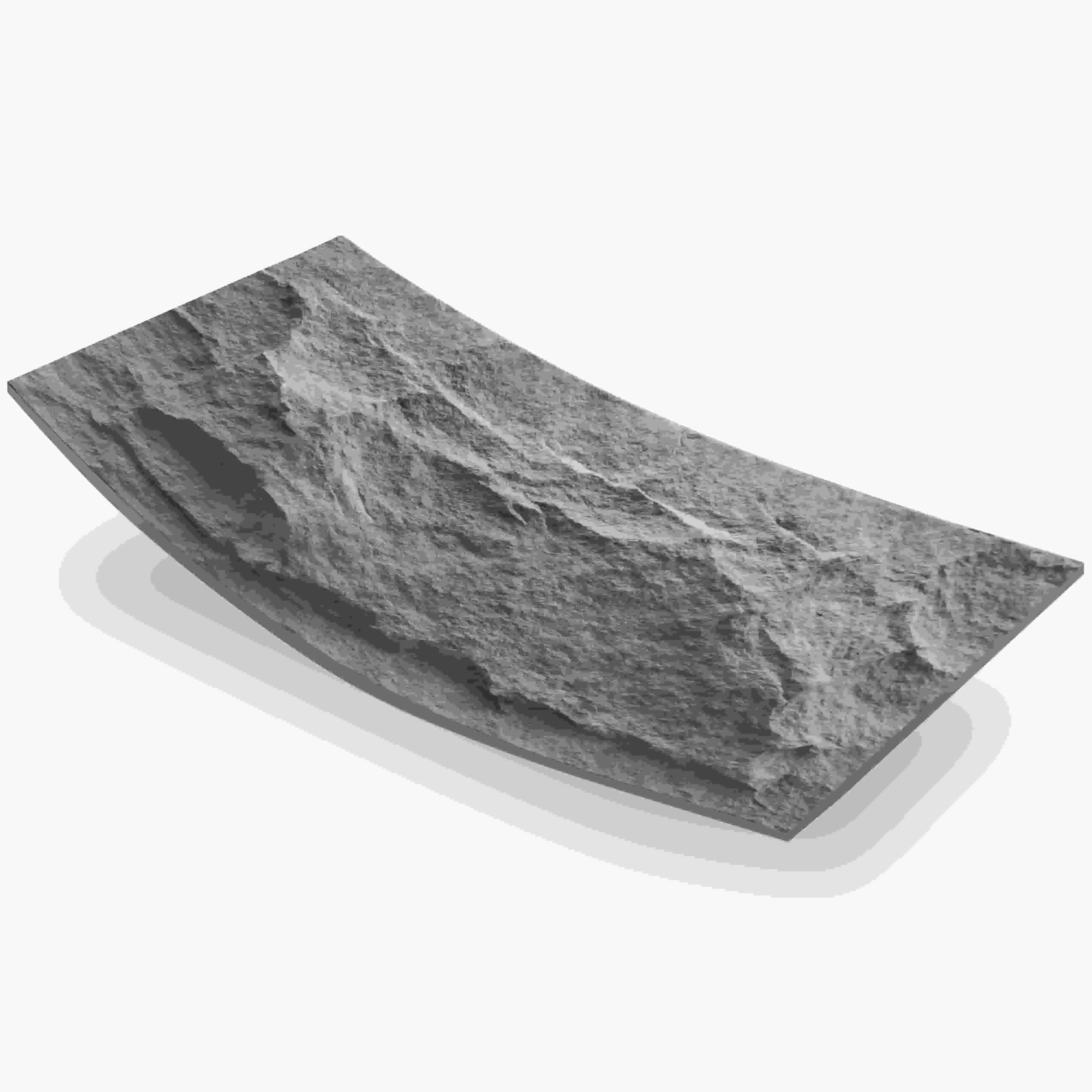
Another advantage is its adaptability to different panel sizes and shapes. Since it's a composite material, it can be cut, curved, and formed to fit almost any prefab panel design—no need to worry about the irregularities of natural stone that often lead to waste. This flexibility was a game-changer for a boutique hotel project in Colorado, where the design called for curved exterior walls. "We wanted the warmth of stone but thought it would be impossible with the curved panels," says the project's lead architect. "Crossare Mushroom Stone043 bent to the shape perfectly, and the result is a facade that looks organic and flowing, not rigid. It's exactly what we envisioned."
Whether you're designing a cozy mountain cabin, a sleek urban office building, or a coastal resort, Crossare Mushroom Stone043 adapts to the vision. It's not just a cladding material—it's a design tool that lets architects and designers push the boundaries of what prefab construction can look like.
In today's construction landscape, sustainability isn't just a buzzword—it's a requirement. Clients, regulators, and even consumers are demanding buildings that minimize environmental impact, and that starts with the materials used. Crossare Mushroom Stone043 shines here, too, thanks to its eco-friendly production process and composition. Made from a mix of recycled mineral aggregates and low-VOC polymers, it reduces reliance on virgin resources and cuts down on waste. What's more, its lightweight design reduces carbon emissions during transportation, since fewer trucks are needed to haul the same amount of material compared to traditional stone.
The manufacturing process itself is also energy-efficient, with the material requiring less heat and water to produce than fired clay bricks or quarried stone. For developers aiming for LEED certification or other green building standards, this can be a significant advantage. "We recently completed a mixed-use development that needed to meet LEED Silver requirements," notes a sustainability consultant who worked on the project. "Crossare Mushroom Stone043 contributed points for recycled content and reduced transportation emissions, helping us hit our target. Plus, clients love that it's a durable material that won't need to be replaced every decade, further reducing its lifecycle impact."
In a world where green building materials are becoming the norm, Crossare Mushroom Stone043 doesn't just keep up—it leads the way, proving that sustainability and performance can go hand in hand.
At the end of the day, prefabricated construction is all about efficiency—and Crossare Mushroom Stone043 is designed to fit seamlessly into prefab workflows. Unlike traditional stone, which often requires on-site cutting, sealing, and finishing, this material arrives at the factory ready to be bonded to prefab panels. Its thin profile means it doesn't add unnecessary bulk to panels, and its uniform consistency ensures that each panel comes out of the factory looking identical—no more mismatched stones or uneven edges.
Installation on-site is just as straightforward. Since the panels are pre-clad with Crossare Mushroom Stone043, the crew can focus on assembling the structure rather than worrying about cladding details. This reduces on-site labor costs and minimizes the risk of weather-related delays, which are all too common with traditional, on-site cladding applications. "We used to have a separate team for stone installation, which meant coordinating schedules and dealing with bottlenecks," says a site supervisor. "Now, the prefab panels come with the cladding already attached. We crane them into place, secure them, and move on. It's like building with giant Lego blocks—fast, simple, and consistent."
| Feature | Crossare Mushroom Stone043 | Traditional Natural Stone (Marble/Granite) | Fiber Cement Cladding |
|---|---|---|---|
| Weight (kg/m²) | 6-8 | 50-80 | 12-15 |
| Installation Time (per 100m²) | 10-12 hours | 30-40 hours | 15-20 hours |
| Durability (Expected Lifespan) | 30+ years | 20-25 years (with maintenance) | 15-20 years |
| Water Resistance | High (no sealing required) | Medium (requires annual sealing) | High |
| Sustainability (Recycled Content) | 30-40% | 0% | 10-15% |
*Based on industry averages and manufacturer data. Actual results may vary by project.
From residential complexes to commercial spaces, Crossare Mushroom Stone043 is making its mark across a range of prefabricated projects. Let's take a look at a few standout examples:
In each case, the material delivered on its promises: faster installation, lower costs, and a stunning final product that exceeded client expectations. It's a testament to how innovative materials like Crossare Mushroom Stone043 are not just supporting prefabricated construction—they're elevating it.
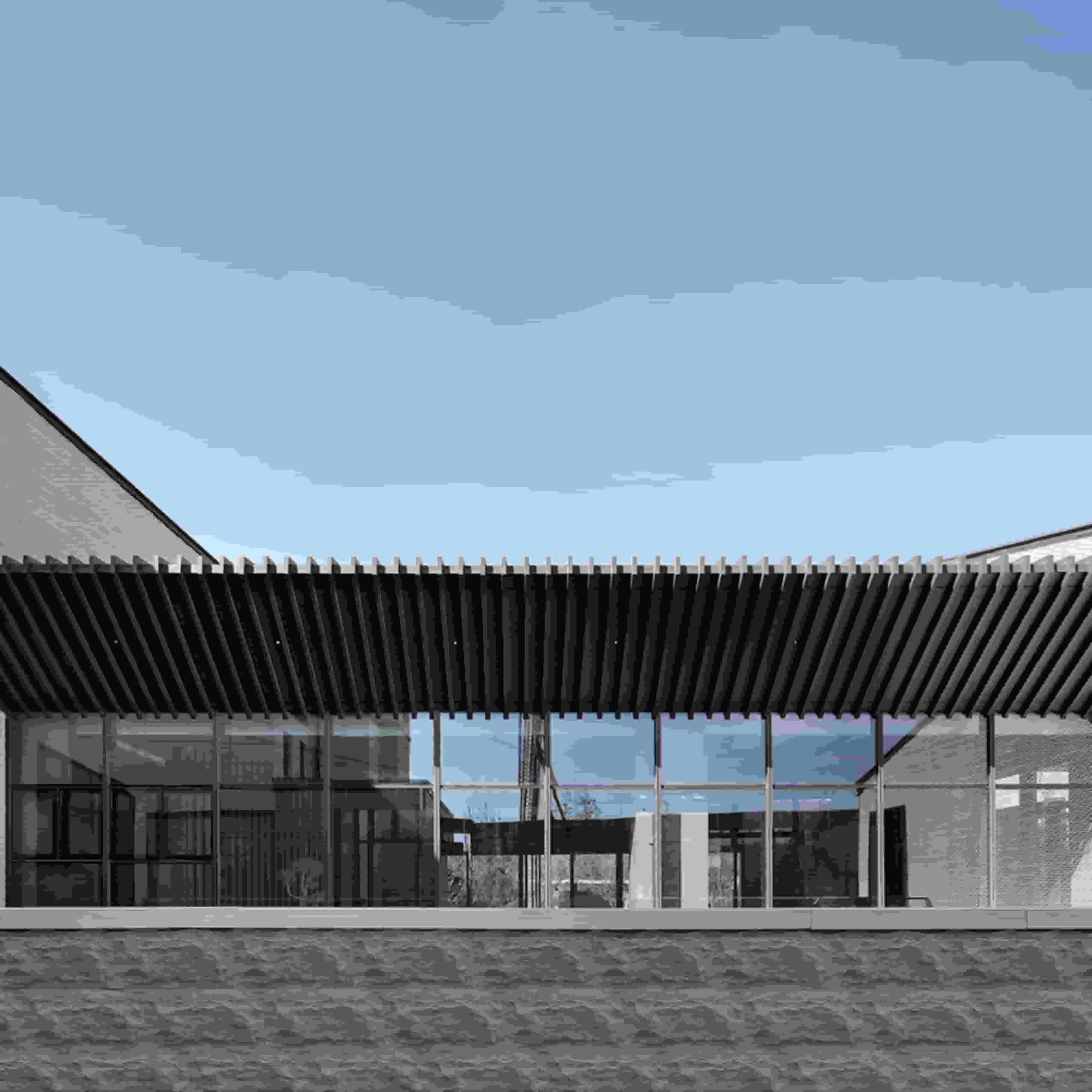
Prefabricated construction is here to stay, and materials like Crossare Mushroom Stone043 are helping to drive its success. By combining lightweight practicality, exceptional durability, design flexibility, and sustainability, this MCM flexible stone product addresses the unique challenges of prefab building while delivering on the aesthetic and performance demands of modern architecture.
Whether you're a developer looking to cut costs, an architect aiming for creative freedom, or a builder focused on efficiency, Crossare Mushroom Stone043 offers something for everyone. It's a material that doesn't just keep up with the pace of prefabricated construction—it helps set the pace, proving that innovation and tradition can coexist beautifully in the built environment.
So, the next time you're planning a prefab project, don't settle for cladding materials that force you to compromise. Give Crossare Mushroom Stone043 a closer look—your timeline, your budget, and your clients will thank you.
Recommend Products












