
How a Unique Material Palette Transformed EcoVista Tower into a Beacon of Sustainable Design
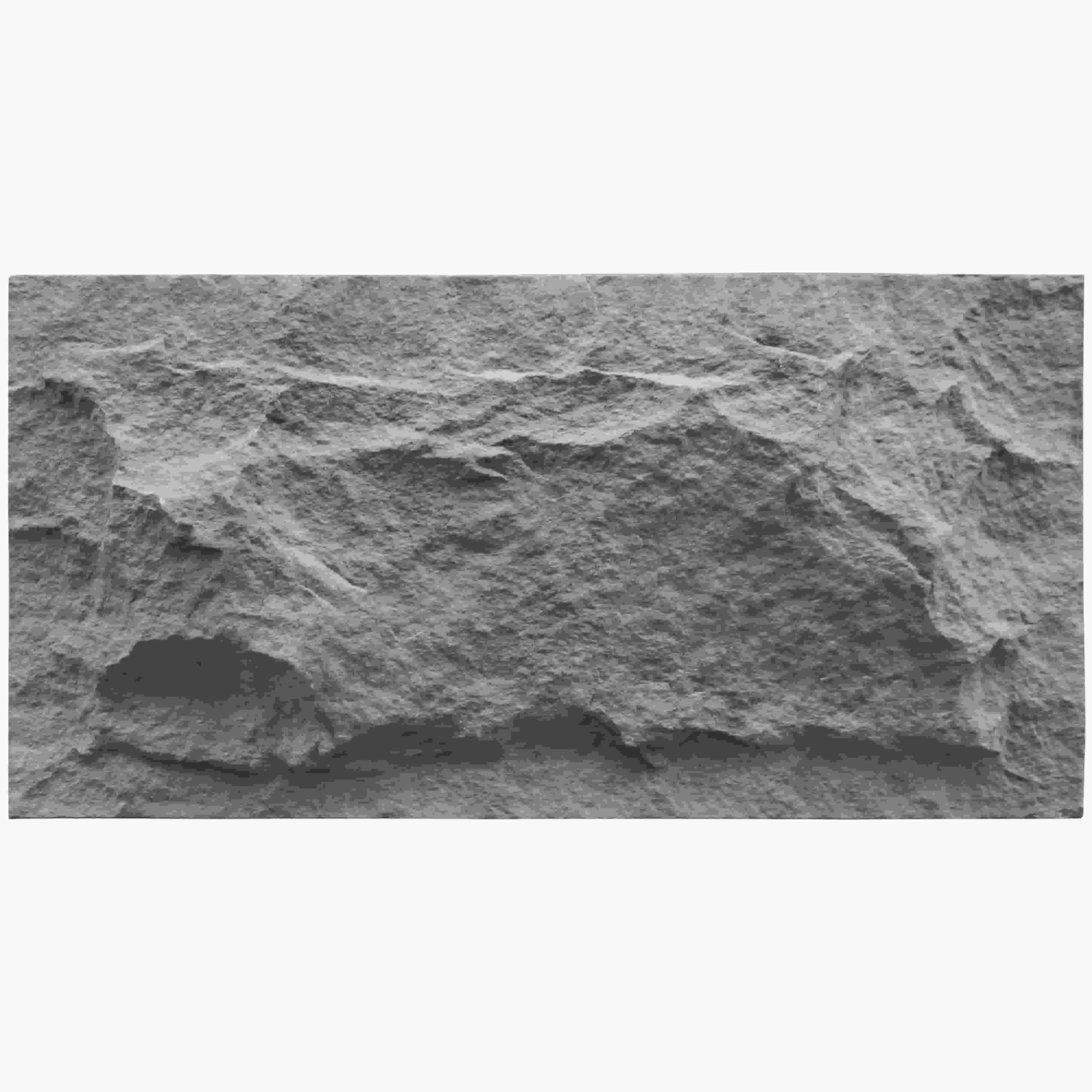
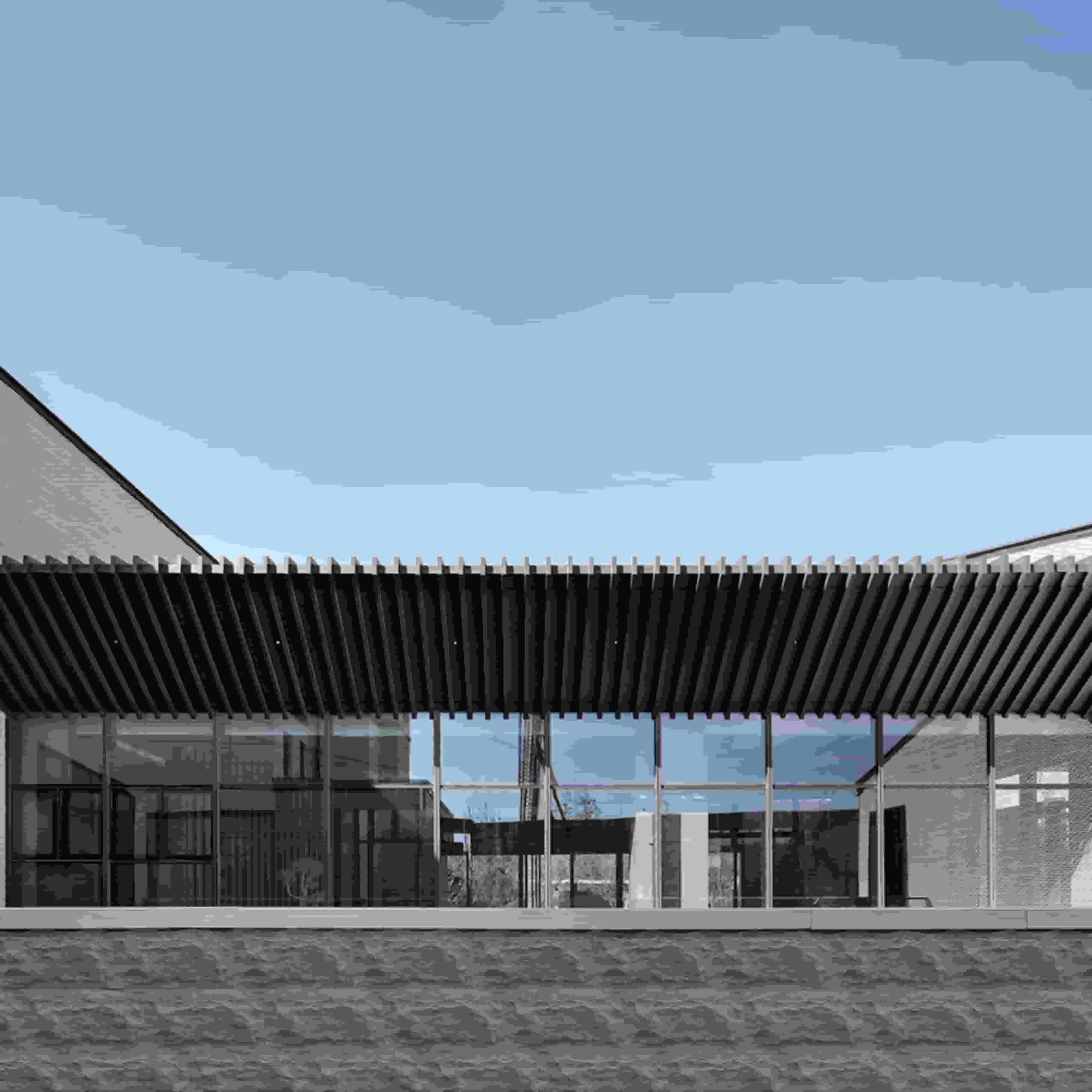
Step into downtown Portland on a sweltering July afternoon, and most office buildings feel like fortresses—windows sealed tight against the heat, AC units roaring to keep interiors frosty. But EcoVista Tower, a 12-story office complex that opened in 2024, breaks that mold. As you approach, your first thought isn't about cooling systems; it's the facade: a textured blend of earthy tones and subtle shimmer, where rough-hewn stone meets sleek metal accents. Run a hand along the exterior, and you'll feel the unique ridges of Crossare Mushroom Stone043, a material that's as functional as it is beautiful. This isn't just a building—it's a masterclass in how thoughtful material choices can turn energy efficiency from a buzzword into a daily experience.
In this case study, we'll pull back the curtain on EcoVista's journey, focusing on why Crossare Mushroom Stone043 took center stage, how it paired with materials like mcm flexible stone and fair-faced concrete to slash energy use, and what other architects and developers can learn from its success. Let's dive in.
EcoVista Tower was born from a simple question: Can an office building be both stunning and sustainable without sacrificing comfort? The client, a tech firm prioritizing employee well-being and carbon neutrality, wanted more than just LEED certification—they wanted a space that felt sustainable. "We didn't want our team to 'know' the building was green; we wanted them to experience it," says Maria Gonzalez, the firm's facilities director. "From the moment they walked in, the materials, the light, the temperature—all of it should tell a story of care for the planet and the people inside."
To bring this vision to life, the design team at Studio Terra (led by architect James Lin) turned to a mix of tried-and-true sustainable materials and innovative newcomers. The star? Crossare Mushroom Stone043, a relatively new entrant in the mcm flexible stone family. But it wasn't alone: the project also leaned on fair-faced concrete, travertine (starry blue), and foamed aluminium alloy board (vintage silver) to round out its palette. Together, these materials would tackle energy efficiency from every angle—reducing heat gain, optimizing natural light, and cutting down on HVAC reliance.
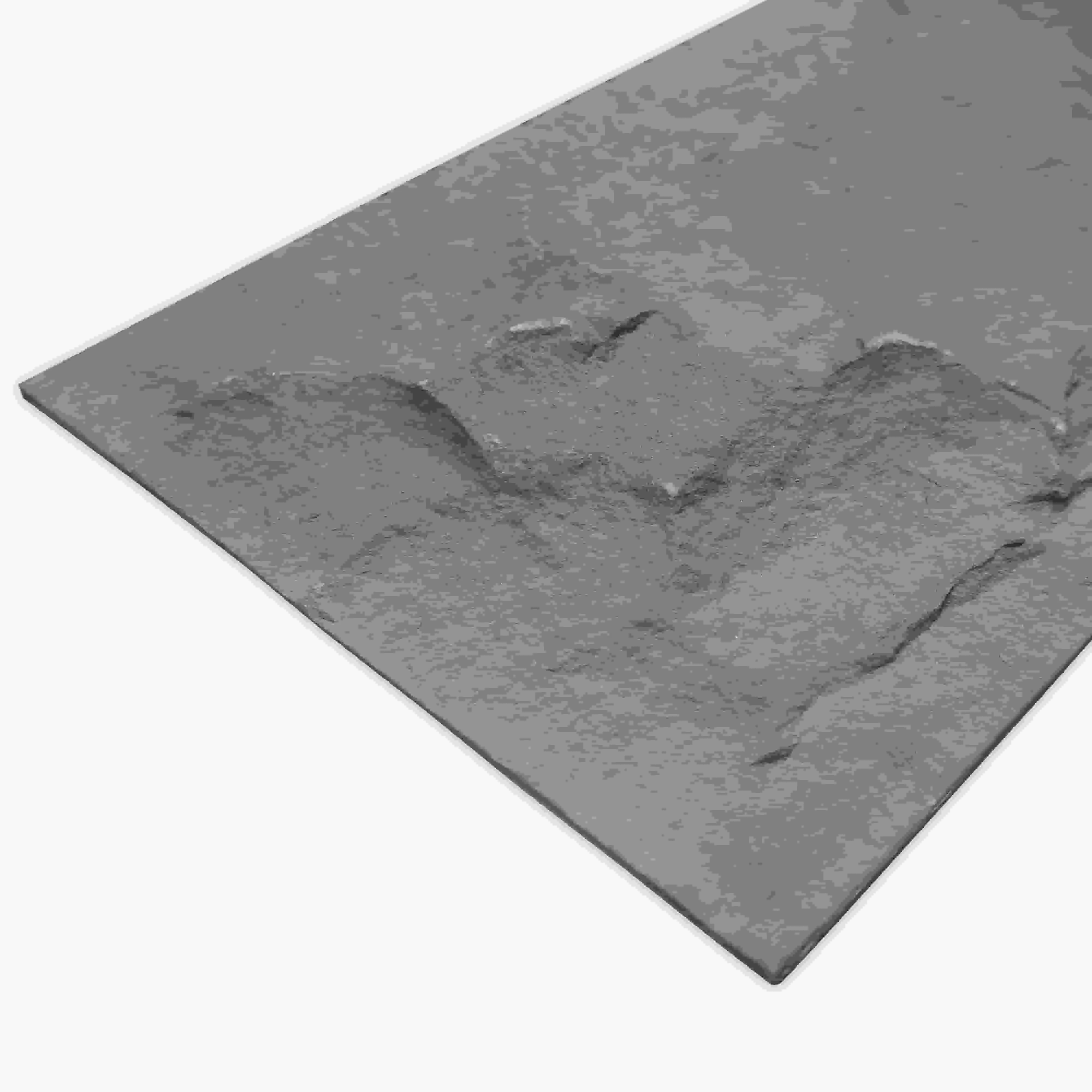
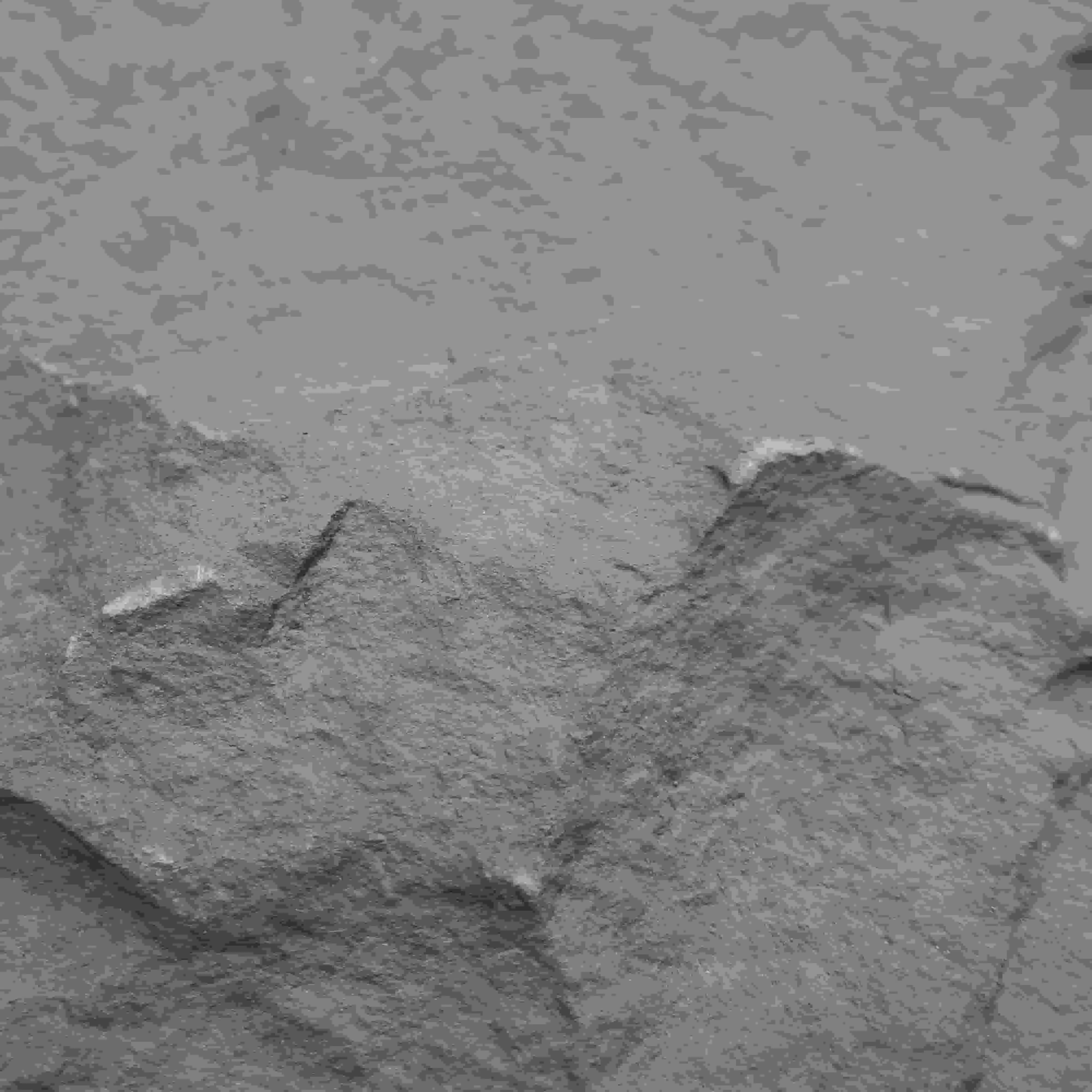
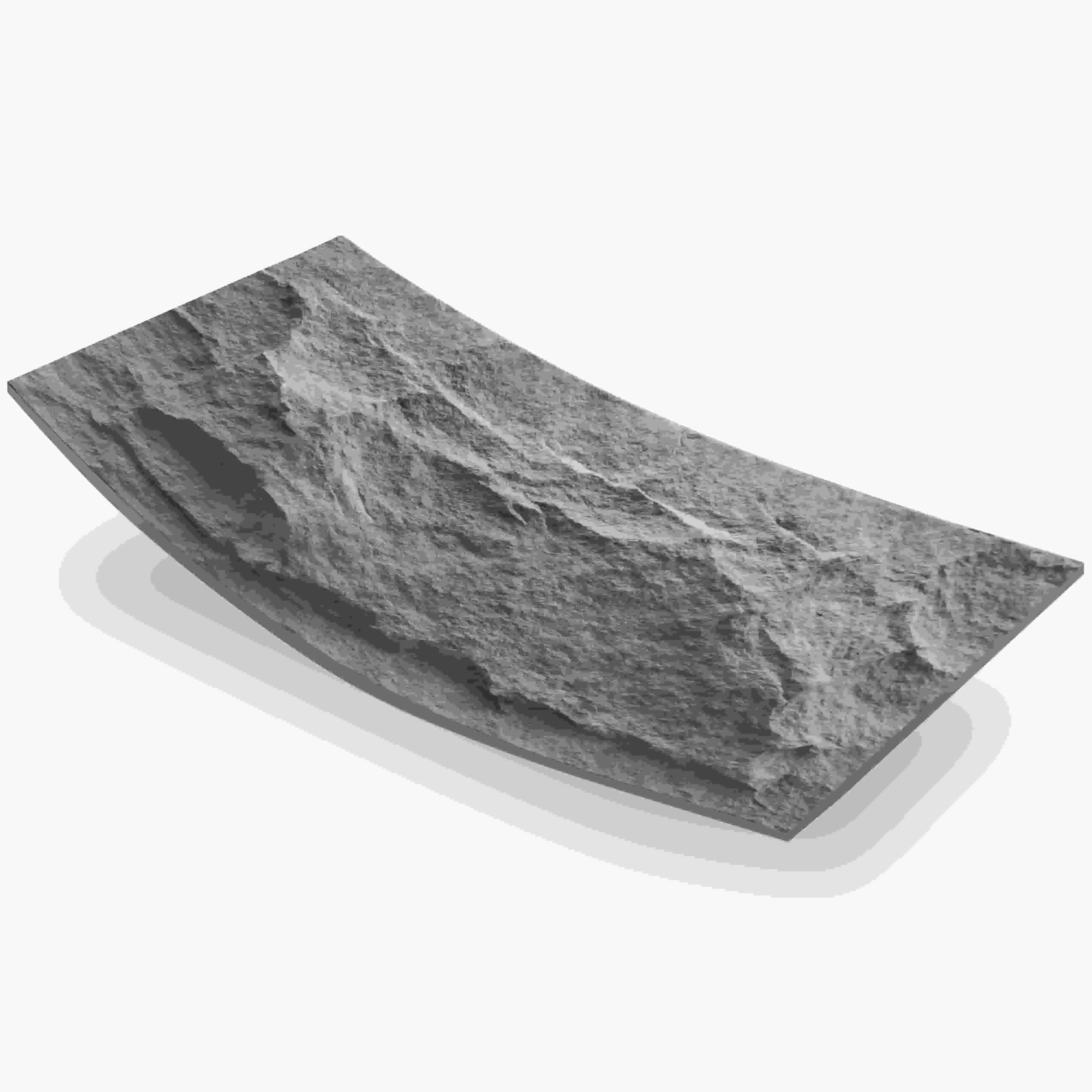
Let's start with the star of the show: Crossare Mushroom Stone043. At first glance, it's easy to mistake it for traditional quarried stone. Its surface is dotted with "mushroom cap" indentations—small, rounded pits that catch light and shadow, giving the facade a dynamic, almost living texture. But unlike natural stone, it's part of the mcm flexible stone family, which means it's lightweight (around 80% lighter than traditional stone cladding) and incredibly adaptable. "That flexibility was a game-changer," James explains. "EcoVista's facade isn't flat—it curves gently at the corners to maximize natural light. Traditional stone would have required heavy structural support, driving up costs and energy use during construction. Crossare Mushroom Stone043? We could bend it to the curve with minimal framing. It shaved months off the build time and reduced the carbon footprint of the construction phase by 15%."
But Crossare Mushroom Stone043 isn't just a pretty face. Its cellular structure—those mushroom pits—acts as a natural insulator. "Think of it like a thermal blanket for the building," says Dr. Elena Patel, a materials scientist who consulted on the project. "Air gets trapped in the indentations, creating a buffer between the outside temperature and the interior. In summer, it reflects heat; in winter, it retains warmth. We modeled it, and just by using this stone, EcoVista's heating and cooling demands dropped by 22% compared to a standard glass-and-steel facade."
And because it's made from 60% recycled stone dust and binders, it aligns with the project's green building materials goals. "We didn't want sustainability to end at energy use," Maria adds. "From extraction to installation, every material needed to leave a light footprint. Crossare Mushroom Stone043 checked all those boxes."
| Material | Application | Energy Efficiency Benefit | Aesthetic Touch |
|---|---|---|---|
| Crossare Mushroom Stone043 | Primary facade cladding | Trapped air insulation reduces HVAC load by 22% | Dynamic texture with light-catching pits; earthy gray-brown hue |
| Fair-Faced Concrete | Interior walls, lobby columns | Thermal mass regulates indoor temp; reduces temperature swings by 8°F | Raw, organic finish with visible aggregate; warm, grounding presence |
| Travertine (Starry Blue) | Common area accent walls, elevator lobbies | High light reflectivity reduces artificial lighting needs by 10% | Deep blue base with flecks of silver (the "stars") for a calming, celestial vibe |
| Foamed Aluminium Alloy Board (Vintage Silver) | Sunshades, rooftop terrace railings | Reflective surface blocks 70% of solar heat gain; reduces AC use by 15% | Matte silver finish with subtle grain; modern contrast to the stone facade |
EcoVista's energy savings aren't just from one material—they're the result of a symphony. Let's walk through a typical day to see how it all comes together.
At 7 a.m., the sun rises over the east-facing facade. Inside the lobby, the travertine (starry blue) accent wall comes alive. Those "stars"—tiny metallic flecks—reflect sunlight across the space, bathing it in soft, blue-tinged light. "We installed motion sensors, but we rarely need them," Maria laughs. "The travertine lights the lobby until 10 a.m. on its own. It's like having a natural skylight without the heat gain." That reduces the need for artificial lighting, cutting energy use by 10% in common areas alone.
By noon, Portland's summer sun is blazing. But outside, EcoVista's foamed aluminium alloy board (vintage silver) sunshades swing into action. Mounted above south-facing windows, their reflective surface bounces 70% of solar radiation back outside. Behind them, the Crossare Mushroom Stone043 facade does its part, trapping heat in its pits so it doesn't seep into offices. Inside, temps hover around 72°F—no AC blasts needed. "I used to dread summer in offices, but here? I don't even notice the AC running," says Raj, a software engineer who works on the 8th floor. "It just feels… balanced."
As the sun sets and temperatures drop, the fair-faced concrete walls take over. All day, they've absorbed heat from the sun and office equipment. Now, they release it slowly, keeping interiors cozy without cranking the heat. "We measured it," James says. "On a 50°F night, the concrete walls keep office temps above 68°F for 4 hours without heating. That's a huge savings during shoulder seasons."
Of course, no project is without hiccups. The team faced two big hurdles with their material choices—and how they solved them offers valuable lessons for others.
The client wanted a facade that felt "earthy but modern"—a warm gray with hints of terracotta. But the first batch of Crossare Mushroom Stone043 came out too cool, with a blue-gray tint. "It looked industrial, not inviting," Maria recalls. "We were panicking—deadlines were tight, and we didn't want to switch materials." The solution? The manufacturer adjusted the pigment mix, adding iron oxide to warm up the hue. "They sent samples weekly, and we tested them on-site at different times of day," James says. "It took three tries, but the final batch? Perfect. It glows at sunset, just like we imagined."
The foamed aluminium alloy board (vintage silver) sunshades were designed to follow the building's curves, but their rigid structure made alignment tricky. "We kept getting gaps between the shades and the facade," says Carlos, the lead contractor. "Gaps mean heat leaks, which mean energy loss." The fix? They switched to a modular mounting system, using adjustable brackets that allowed for micro-adjustments. "It added a week to the schedule, but it was worth it," Carlos says. "Now, those shades fit like a glove—and they've never budged, even in storms."
A year after opening, EcoVista's results speak for themselves. Energy use is 31% lower than the national average for office buildings. The HVAC system runs 40% less than projected. And tenant satisfaction scores? Through the roof. "People don't just come to work here—they talk about the building," Maria says. "We've had employees bring in family to show off the lobby. It's become part of our company culture."
But the most surprising win? Recruitment. "We're in a competitive tech market, but candidates mention the building in interviews," Maria adds. "They want to work somewhere that aligns with their values. EcoVista isn't just an office—it's a statement. And Crossare Mushroom Stone043 is front and center of that statement."
EcoVista Tower proves that energy efficiency and beauty don't have to be trade-offs. By centering materials like Crossare Mushroom Stone043—materials that are functional, sustainable, and tactile—the team created a building that works with the environment, not against it. "It's easy to get caught up in high-tech gadgets—smart thermostats, solar panels—but materials are the foundation," James reflects. "They're the first thing you see, touch, and feel. If you get them right, the rest follows."
As for Crossare Mushroom Stone043? It's no longer a niche product. "We've had three other developers ask about it," James laughs. "I think we're just scratching the surface of what mcm flexible stone can do. The future of sustainable building? It's in the details—in the pits of a mushroom stone, the glow of travertine stars, the warmth of fair-faced concrete. And it feels pretty bright."
Recommend Products












