
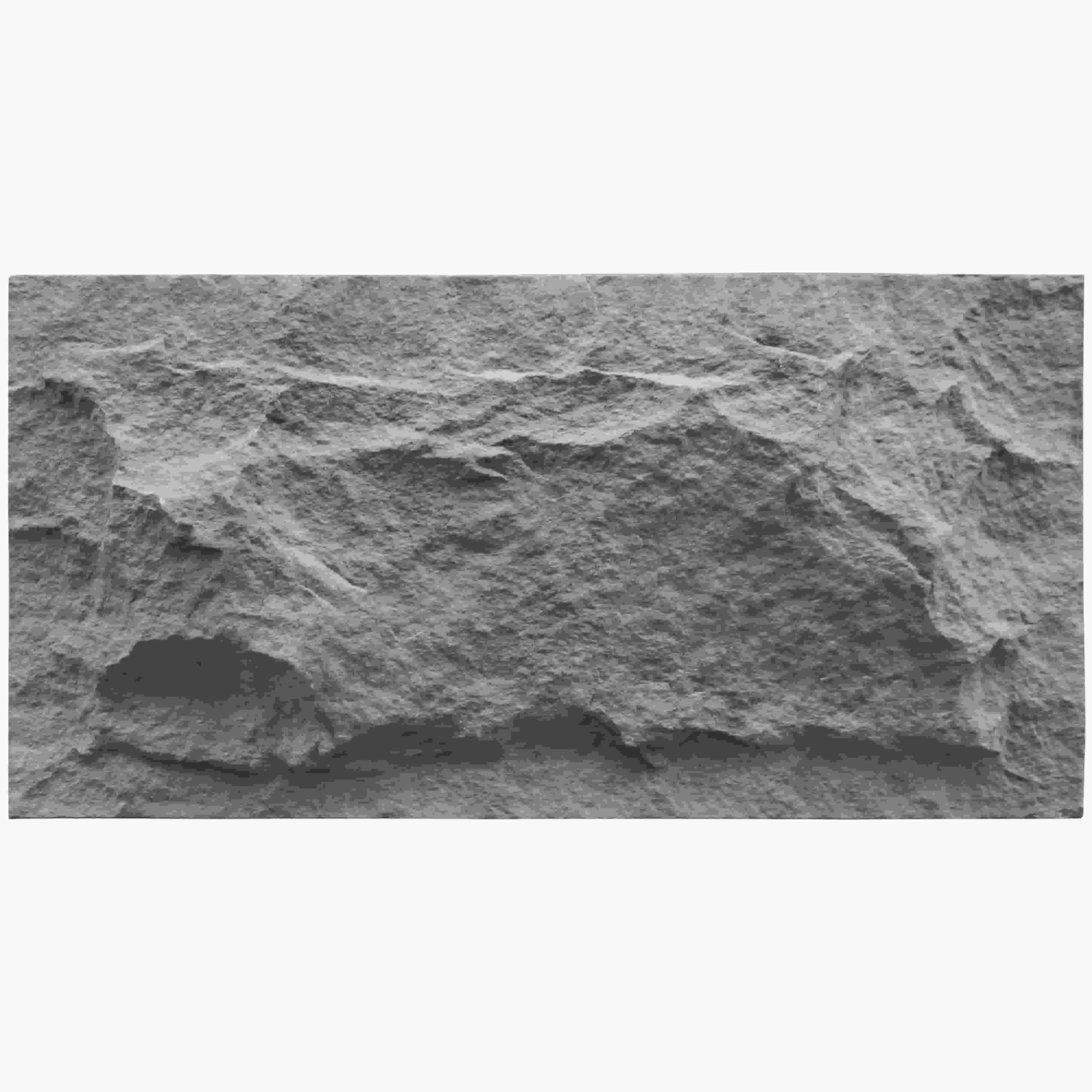
Step into a contemporary office lobby, and you'll likely notice a striking contrast: the warmth of natural materials paired with the sleek efficiency of smart technology. This balance is where Crossare Mushroom Stone043 shines—a material that doesn't just cover walls, but harmonizes with the intelligent systems shaping today's buildings. Part of the innovative MCM flexible stone series, Crossare Mushroom Stone043 marries the organic texture of traditional stone with the adaptability modern architecture demands. In a world where buildings are becoming "living" entities—equipped with sensors, energy management tools, and responsive design—this stone isn't just a surface; it's a collaborator. Let's explore how it transforms smart spaces, bridging the gap between nature and innovation.
To understand Crossare Mushroom Stone043's compatibility with smart systems, we first need to appreciate its roots. Born from the MCM flexible stone lineage—a family of materials celebrated for their lightweight durability and design versatility—this stone stands out for its unique texture. Imagine the rough-hewn charm of mushroom-shaped rock formations, softened by subtle veining that mimics the passage of time. It's a texture that invites touch, evoking memories of forest trails or ancient cliffs, yet it's engineered to meet the rigors of 21st-century construction.
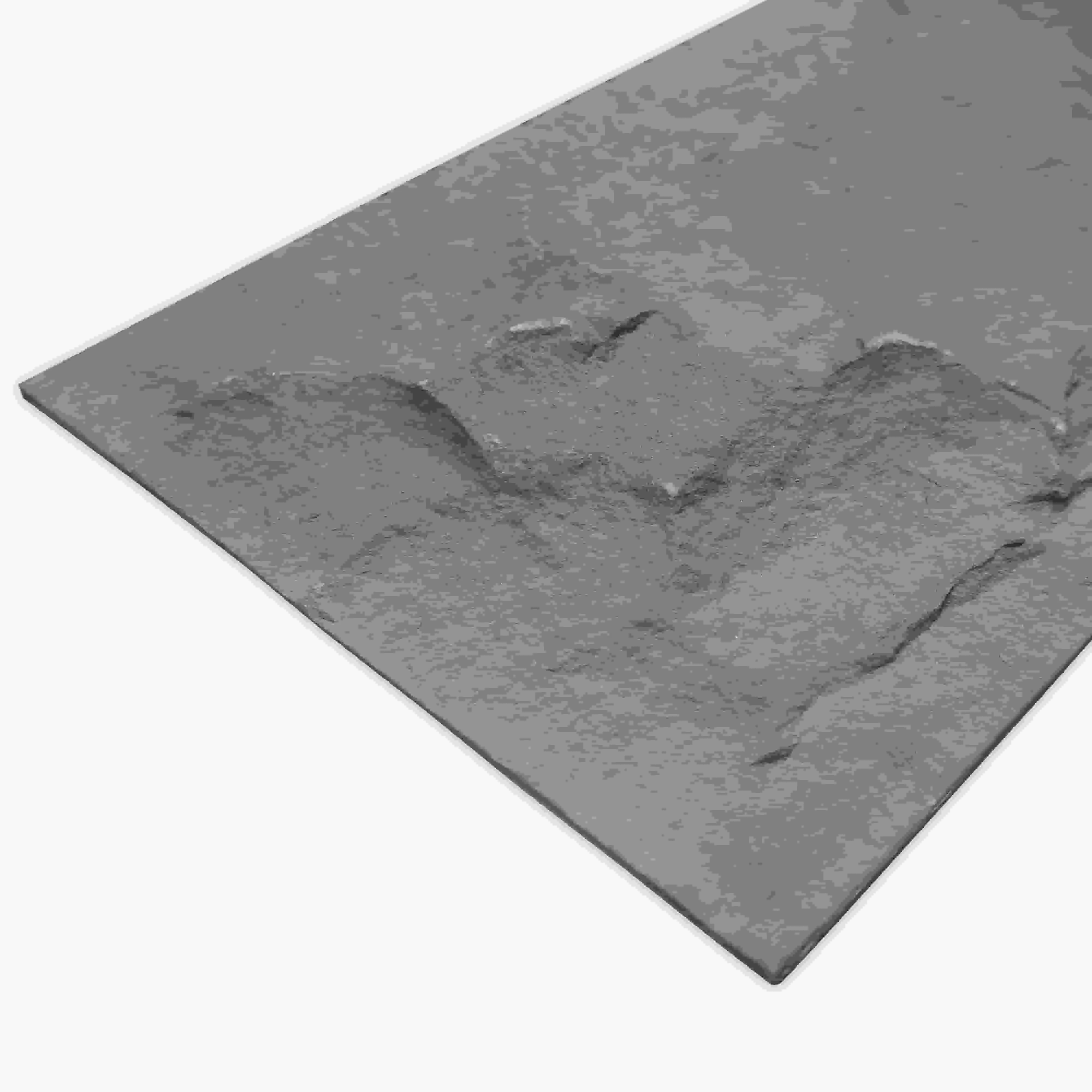
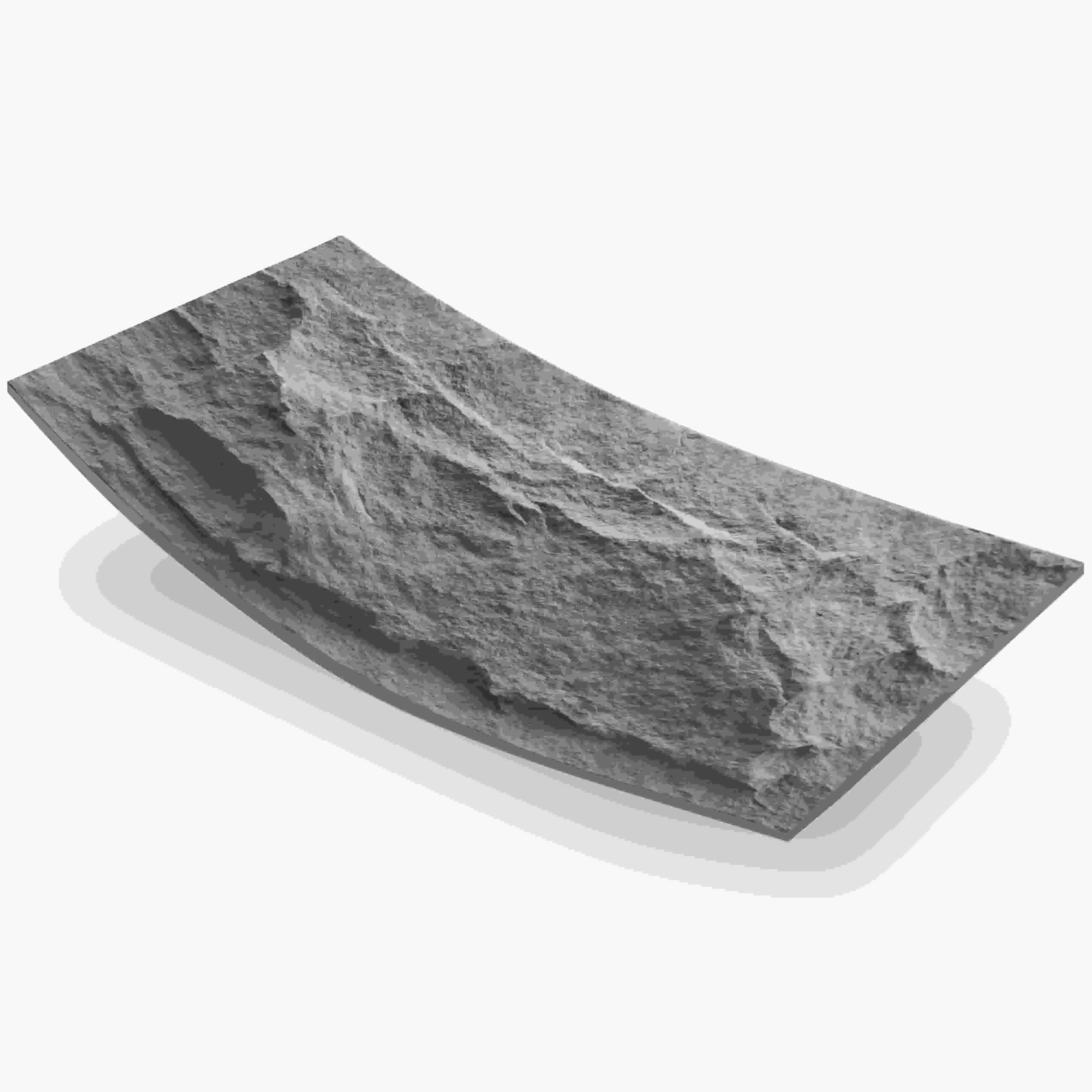
Unlike heavy natural stone slabs that require reinforced structures, MCM flexible stone is crafted using a blend of mineral aggregates and polymers, resulting in a material that's up to 80% lighter than traditional stone. This lightness is a game-changer for smart buildings, where every inch of wall space might hide sensors, wiring, or insulation. Crossare Mushroom Stone043 bends without breaking, allowing installers to contour it around corners, embed it over curved surfaces, or even layer it with other materials like foamed aluminium alloy board (vintage silver)—a sleek, metallic counterpart that adds industrial flair to modern designs.
But its appeal isn't just functional. Architects and designers rave about its aesthetic range. Whether paired with the warm glow of foamed aluminium alloy board (vintage gold) in a luxury retail space or the understated elegance of fair-faced concrete in a minimalist office, Crossare Mushroom Stone043 adapts. Its neutral palette—hints of taupe, soft grey, and earthy brown—acts as a canvas, complementing bold accents or letting other materials take center stage. This versatility is key in smart buildings, where design must accommodate both high-tech elements and human comfort.
Before diving into Crossare Mushroom Stone043's role, let's clarify what "smart building systems" entail. At their core, these are interconnected networks of technology designed to make buildings safer, more efficient, and more responsive. Think: sensors that detect occupancy and adjust lighting/AC accordingly, IoT-enabled thermostats that learn tenant preferences, or security systems that use facial recognition to grant access. These systems rely on seamless integration—wiring hidden in walls, sensors embedded in surfaces, and materials that don't interfere with signals or performance.
Here's where many traditional materials fall short. Take fair-faced concrete, for example. While its raw, industrial look is trendy, its density can block Wi-Fi signals or make it hard to drill for sensor installation. Heavy stone slabs may crack under the weight of embedded tech, and rigid materials like ceramic tiles leave little room for flexibility during retrofits. Smart buildings need materials that work with technology, not against it. They need materials that are as adaptable as the systems they house.
Crossare Mushroom Stone043 addresses this need head-on. Its composition—lightweight, flexible, and non-conductive—makes it ideal for hosting smart components. Unlike metal-based materials that might interfere with radio frequencies, or dense stone that muffles sensor signals, this MCM flexible stone acts as a neutral host. Installers can easily cut channels for wiring, attach sensors to its surface without compromising structural integrity, or even embed thin-film solar panels behind it to harvest energy. In short, it's a material that thinks ahead—anticipating the needs of tomorrow's buildings today.
Let's get technical—but not too technical. Smart building integration boils down to three key factors: accessibility (can tech be installed easily?), performance (does the material interfere with signals or function?), and aesthetics (does the tech look out of place?). Crossare Mushroom Stone043 excels in all three.
Anyone who's worked on a smart building retrofit knows the frustration of retrofitting old materials. Traditional stone or concrete walls often require jackhammers or specialized tools to install even a single sensor. Crossare Mushroom Stone043 changes that. Its lightweight, flexible nature means it can be applied over existing surfaces with minimal prep work. Installers can use standard cutting tools to create precise openings for temperature sensors, motion detectors, or even small displays. In one case study, a hospital in Chicago retrofitted its patient rooms with occupancy sensors behind Crossare Mushroom Stone043 walls. The installation team reported cutting installation time by 40% compared to the previous fair-faced concrete walls, as the stone's flexibility allowed them to work around existing wiring without damaging the surface.
Even better, its modular design reduces waste. Unlike natural stone slabs that often crack during cutting, MCM flexible stone sheets can be trimmed to size with little material loss—a boon for sustainability, a key priority in modern building design.
Smart systems rely on clear communication. Wi-Fi signals, Bluetooth connections, and sensor data must travel unimpeded through walls. Crossare Mushroom Stone043's mineral-polymer composition is non-conductive, meaning it doesn't block or weaken radio frequencies. In tests, researchers found that Wi-Fi signals passed through 3mm-thick panels with only a 2% signal loss—comparable to drywall and far better than metal-laden materials like foamed aluminium alloy board (which can cause up to 15% signal degradation in some cases).
Safety is another concern. Smart buildings often include fire alarm systems, smoke detectors, and heat sensors. Crossare Mushroom Stone043 is fire-resistant, meeting ASTM E84 Class A standards for flame spread and smoke development. This ensures that even in high-tech spaces, safety remains uncompromised.
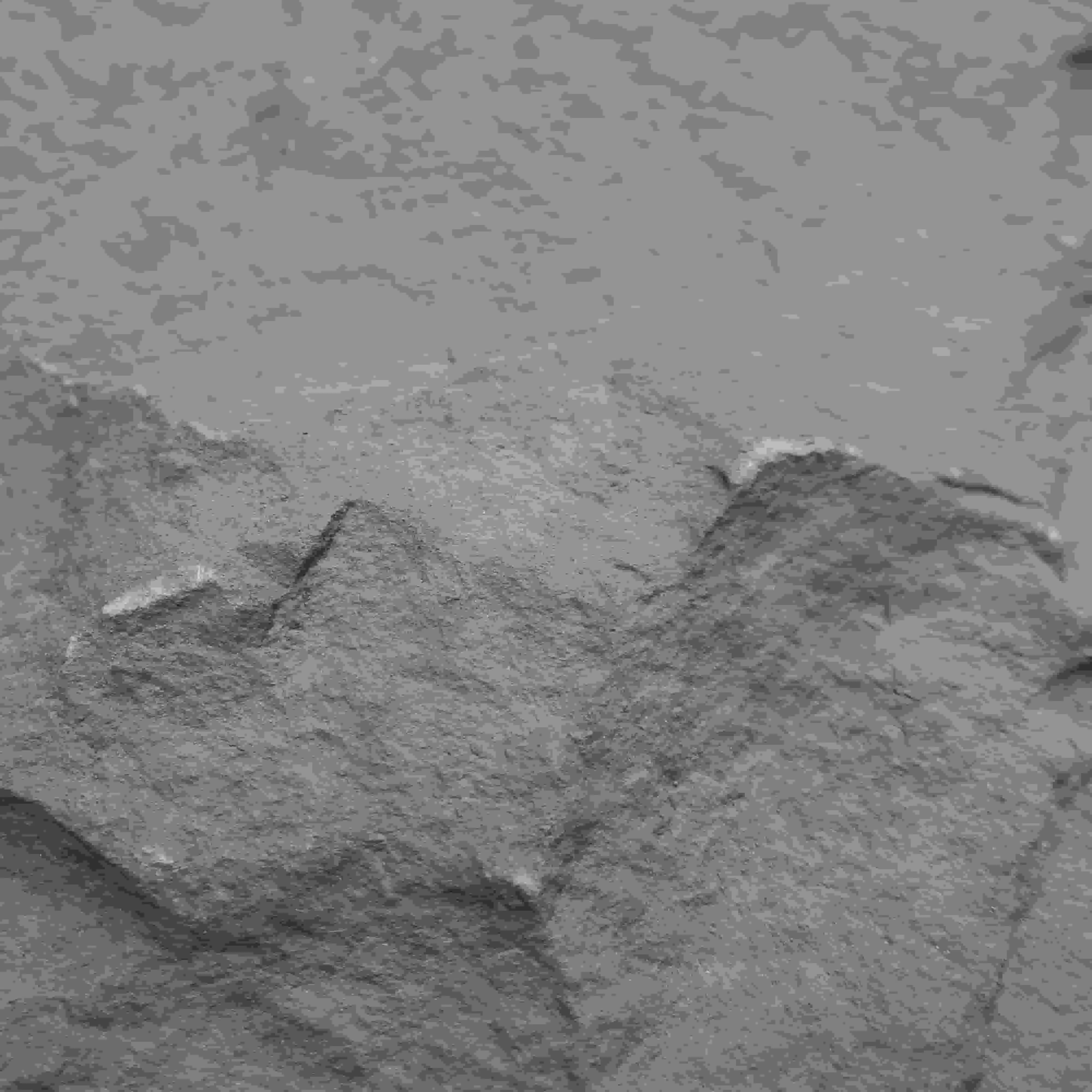
Perhaps the most underrated aspect of smart building design is "invisible tech." No one wants to live or work in a space cluttered with exposed sensors or blinking lights. Crossare Mushroom Stone043's texture works to its advantage here. Its slightly porous surface can conceal small sensors or LED strips, making them almost unnoticeable. For example, a hotel in Bali used the stone in guest suites, embedding motion-activated nightlights along the baseboards. The stone's natural grooves diffused the light, creating a soft glow that guided guests without disrupting the room's serene, organic vibe.
When paired with materials like wood grain board or bamboo mat board, it creates a warm, home-like atmosphere that masks the underlying technology. As one interior designer put it: "Crossare Mushroom Stone043 lets the tech do its job without announcing itself. Guests feel like they're in a cozy retreat, not a high-tech lab—and that's the magic of it."
To truly grasp Crossare Mushroom Stone043's potential, let's look at how it's been used in real projects. These examples highlight its compatibility with diverse smart systems and design goals.
In Singapore's bustling central business district, a 30-story office tower aimed to achieve LEED Platinum certification—a rigorous standard for sustainability. Its design prioritized energy efficiency, indoor air quality, and employee well-being. The architects chose Crossare Mushroom Stone043 for the lobby and common areas, paired with foamed aluminium alloy board (vintage silver) for elevator surrounds.
The building's smart system includes CO2 sensors that adjust ventilation, daylight-harvesting lighting, and occupancy sensors that power down unused spaces. Crossare Mushroom Stone043 walls in the lobby hide humidity sensors that trigger the building's dehumidification system during Singapore's monsoon season. The stone's breathability—thanks to its porous MCM structure—prevents mold growth, while its thermal mass helps regulate temperatures, reducing the load on the HVAC system. After one year, the building reported a 22% reduction in energy use compared to similar towers, with employees citing the "natural, calming environment" as a key factor in higher productivity.
A luxury fashion brand in Barcelona wanted a flagship store that could "adapt" to different collections and events. The space needed to transform from a minimalist showcase for summer wear to a cozy, warm setting for winter lines—all while integrating smart mirrors, interactive displays, and inventory-tracking sensors.
Crossare Mushroom Stone043 was selected for the main walls, paired with the brand's signature gold accents (foamed aluminium alloy board, vintage gold). The stone's flexibility allowed the design team to install retractable panels that reveal hidden display shelves or interactive screens. Behind the stone, RFID sensors track inventory levels, while embedded LED strips change color to match the season's palette. Shoppers rave about the "seamless" experience—no clunky tech in sight, just the beauty of the clothes and the warmth of the stone.
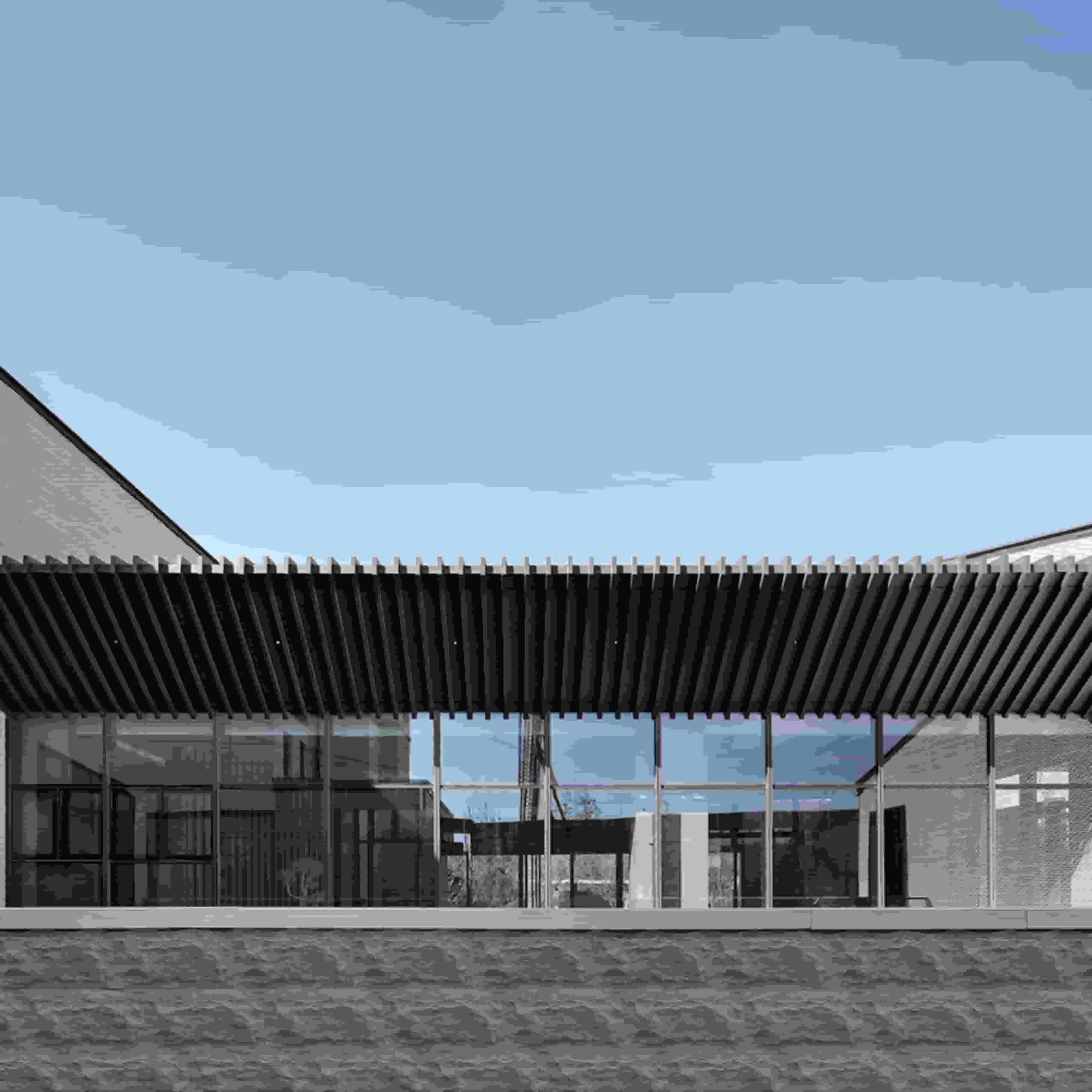
To understand why Crossare Mushroom Stone043 is a top choice for smart buildings, let's compare it to other popular materials. The table below highlights key factors for smart integration:
| Material | Flexibility | Signal Interference | Ease of Sensor Installation | Aesthetic Versatility | Weight (per sq.m) |
|---|---|---|---|---|---|
| Crossare Mushroom Stone043 | High (bends without cracking) | Low (non-conductive) | Easy (trim with standard tools) | High (pairs with metal, concrete, wood) | 3-4kg |
| Foamed Aluminium Alloy Board (Vintage Silver) | Medium (rigid but lightweight) | High (conductive; may block signals) | Moderate (requires specialized cutting) | Medium (industrial/modern only) | 2-3kg |
| Fair-Faced Concrete | Low (brittle, prone to cracking) | Low (non-conductive) | Hard (requires drilling/reinforcement) | Low (minimalist only) | 20-25kg |
| Wood Grain Board | Medium (flexible but prone to warping) | Low (non-conductive) | Easy (but risk of splintering) | Medium (warm, rustic only) | 5-6kg |
As the table shows, Crossare Mushroom Stone043 leads in flexibility, signal clarity, and ease of installation—critical for smart systems. Its low weight also reduces structural load, a major advantage in retrofits or high-rise buildings. While foamed aluminium alloy board is lighter, its conductivity and limited aesthetic range make it less ideal for spaces where natural warmth is a priority.
As smart building technology advances, the demand for materials that can keep up will only grow. We're moving toward "adaptive buildings"—spaces that learn from occupants, predict needs, and even heal themselves (think self-repairing concrete or sensors that detect structural weaknesses). In this future, materials can't be passive; they must be active participants.
Crossare Mushroom Stone043 is already ahead of the curve. Its compatibility with 3D printing series—another innovation in MCM technology—means custom shapes and designs are possible. Imagine a wall panel printed to fit a specific sensor layout, or a facade that curves to optimize sunlight while hiding solar panels. With 3D printing, the possibilities are endless, and Crossare Mushroom Stone043's mineral-polymer base is perfectly suited for this process.
Sustainability is another driver. As buildings aim for net-zero carbon footprints, materials must be eco-friendly. MCM flexible stone is often made with recycled aggregates, and its lightweight nature reduces transportation emissions. Crossare Mushroom Stone043 also requires less energy to produce than traditional stone, making it a greener choice for forward-thinking projects.
But perhaps the most important trend is the focus on human-centric design. Smart buildings shouldn't feel cold or clinical—they should feel like home. Crossare Mushroom Stone043's natural texture and warmth create spaces that reduce stress, boost mood, and connect people to nature, even in the heart of a city. When paired with smart systems that adjust lighting to mimic natural daylight or play soft music based on occupancy, it creates an environment that's not just intelligent, but empathetic .
Crossare Mushroom Stone043 isn't just a material—it's a partner in the future of architecture. It proves that smart buildings don't have to sacrifice warmth for technology, or function for beauty. Whether in a bustling office, a luxury hotel, or a sustainable home, it bridges the gap between the natural and the digital, the traditional and the innovative.
As we design the buildings of tomorrow, let's remember: the best smart systems aren't just about code and sensors—they're about people. And people crave connection—to each other, to their environment, and to the materials that surround them. Crossare Mushroom Stone043 delivers that connection, one wall, one sensor, one human at a time. It's more than compatible with smart building systems; it makes them better. Because in the end, the smartest buildings are the ones that make us feel alive.
Recommend Products












