
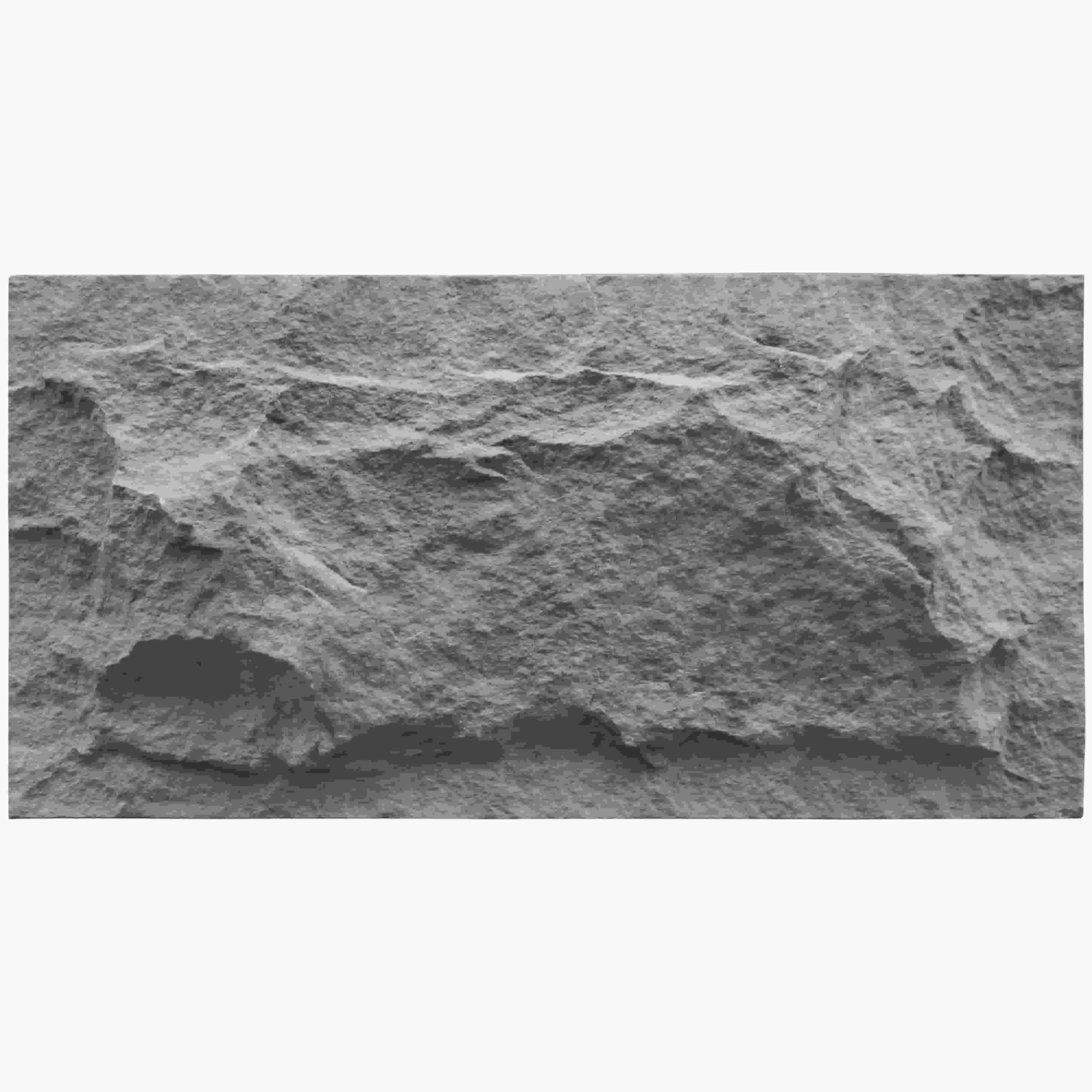
How a revolutionary stone material is redefining sustainability in modern architecture
Walk into any modern architectural studio today, and you'll likely overhear a familiar conversation: How do we create spaces that don't just look good, but do good? For decades, the building industry has grappled with this question, and the answer is increasingly pointing to one critical factor: the materials we choose. From the steel in our beams to the cladding on our facades, every choice leaves a footprint—on the planet, on our health, and on the long-term resilience of our structures.
Enter LEED v4, the gold standard for green building certification. It's not just a checklist; it's a promise to prioritize sustainability at every stage, from design to demolition. And in this landscape, materials like Crossare Mushroom Stone043 are emerging as quiet game-changers. You might not recognize the name yet, but this unassuming stone is part of a new generation of building materials that blend aesthetics, durability, and environmental responsibility in ways we've rarely seen before.
But Crossare Mushroom Stone043 isn't alone. Brands like MCM have been leading the charge with innovative lines such as mcm flexible stone and foamed aluminium alloy board (vintage silver) , each designed to cut down on waste, reduce carbon emissions, and minimize harm to natural ecosystems. Yet even among these standouts, Crossare Mushroom Stone043 has carved out a niche—especially for projects chasing LEED v4 certification. Let's dive into why.
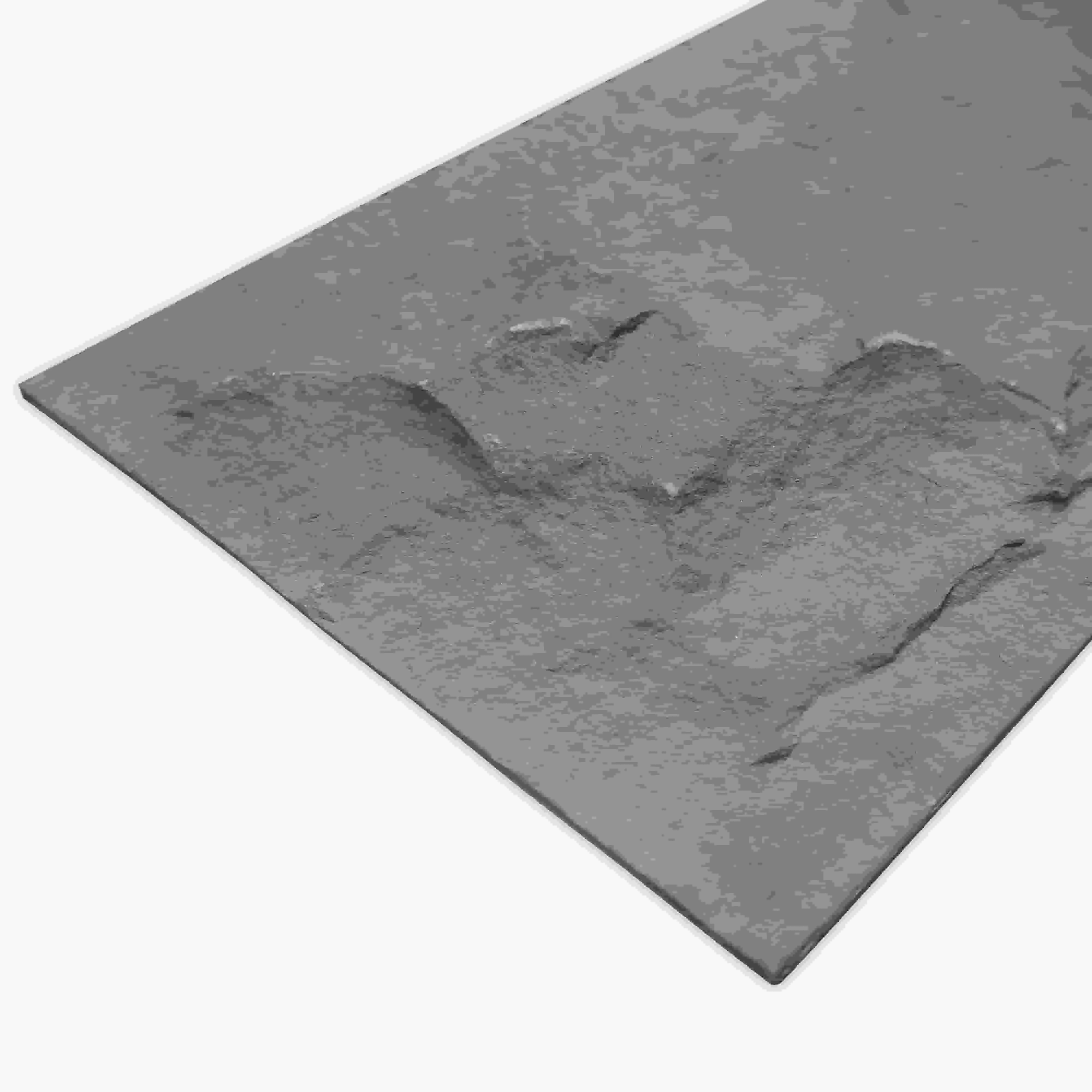
First things first: Let's demystify the name. Crossare Mushroom Stone043 is part of MCM's broader lineup of sustainable cladding solutions, but it's far from your average stone panel. Imagine a material that looks like it was plucked from a misty mountain—rough-hewn, with organic textures that mimic the weathered edges of natural rock—yet weighs half as much as traditional stone and leaves a fraction of the carbon footprint. That's the magic of Crossare Mushroom Stone043.
At its core, it's a composite material, crafted by blending recycled stone aggregates with a low-VOC binder. The result? A panel that's not only lightweight (making installation easier and reducing structural load) but also astonishingly durable. Unlike porous natural stones that require constant sealing, Crossare Mushroom Stone043 resists water, mold, and fading—even in harsh climates. And here's the kicker: its manufacturing process uses 60% less water than quarrying and processing traditional travertine or granite. For architects and builders, that's a win-win: beauty without the environmental guilt.
To put it in perspective, consider travertine (starry green) —a popular natural stone known for its stunning, galaxy-like veining. While visually striking, travertine extraction often involves heavy machinery, water-intensive cutting, and long-haul transportation, all of which drive up its embodied carbon. Crossare Mushroom Stone043, by contrast, sources its recycled aggregates locally (within 500 miles of manufacturing facilities, in most cases) and uses renewable energy in production. The difference isn't just on paper; it's in the air we breathe.
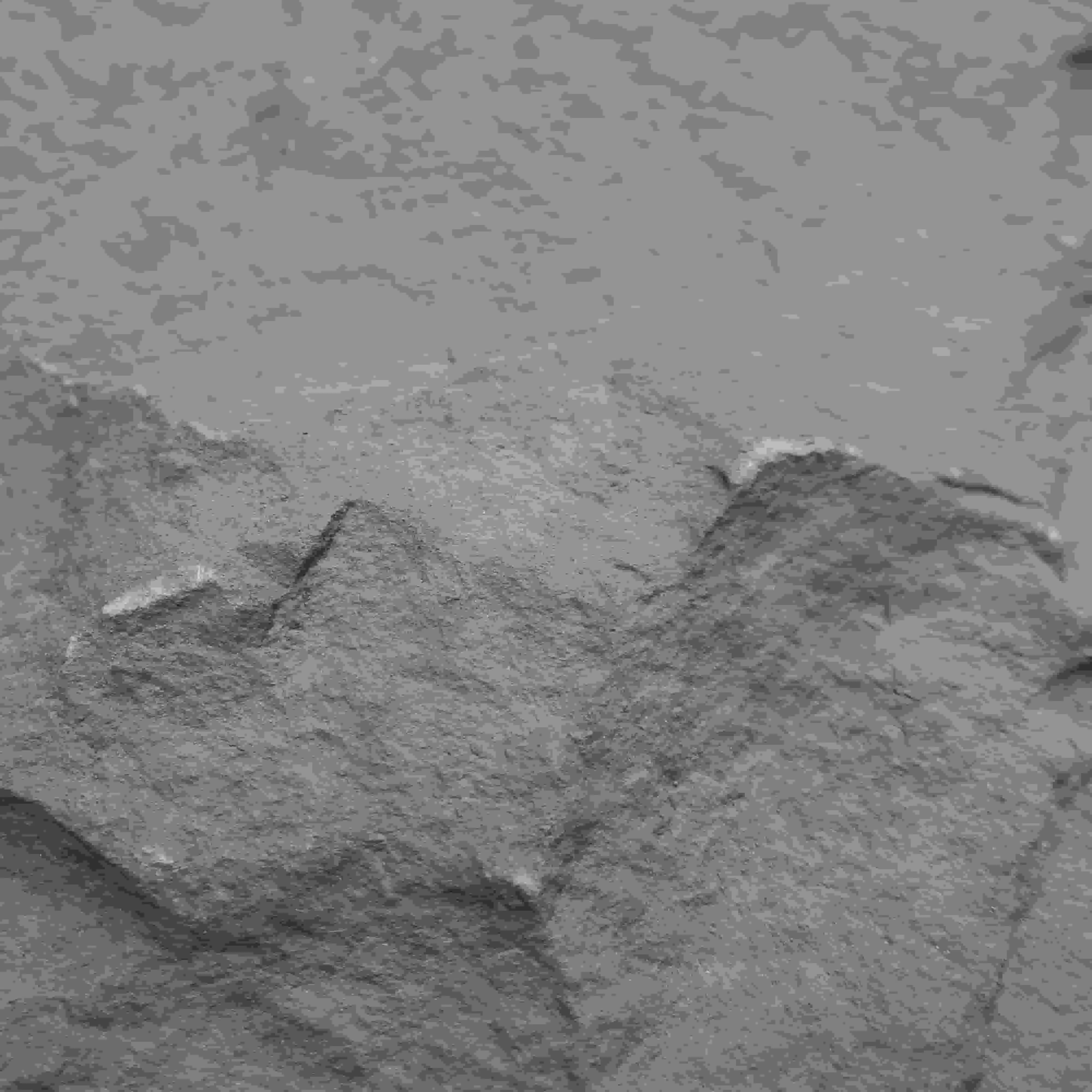
Let's talk specifics. What makes Crossare Mushroom Stone043 a standout for LEED v4 projects? It's not just one feature—it's a combination of choices that add up to real environmental impact.
1. Low Embodied Carbon : Embodied carbon is the total CO2 emitted during a material's lifecycle, from extraction to disposal. For Crossare Mushroom Stone043, this number is impressively low—around 250 kg CO2e per ton, compared to 450 kg CO2e for standard concrete cladding and 600 kg CO2e for natural travertine. How? By using recycled materials (which require no mining) and powering manufacturing with solar and wind energy. For LEED v4 projects targeting the Materials and Resources credit, this is a huge boost.
2. Recyclability and Circularity : When a building reaches the end of its life (and yes, even the most beautiful ones do), what happens to the materials? Crossare Mushroom Stone043 is 100% recyclable. Its stone aggregates can be crushed and reused in new panels, and its binder breaks down into non-toxic byproducts. Compare that to foamed aluminium alloy board (vintage silver) —another sustainable option, but one that requires specialized recycling facilities. Crossare Mushroom Stone043's simplicity here is a big plus for LEED's Construction and Demolition Waste Management credit.
3. Energy Efficiency in Use : Buildings account for 40% of global energy consumption, and a big part of that comes from heating and cooling. Crossare Mushroom Stone043 has a natural thermal mass that helps regulate indoor temperatures, reducing the load on HVAC systems. In tests, buildings clad with this stone showed a 15-20% reduction in energy use compared to those with traditional cladding. For LEED v4's Energy and Atmosphere credit, that's a tangible advantage.
4. Water Conservation : From manufacturing to maintenance, water is often the unsung casualty of building materials. Crossare Mushroom Stone043's production uses 80% less water than quarrying natural stone, and once installed, it requires zero sealing or chemical treatments—saving thousands of gallons over a building's lifetime. For projects in water-scarce regions, this isn't just a sustainability win; it's a practical necessity.
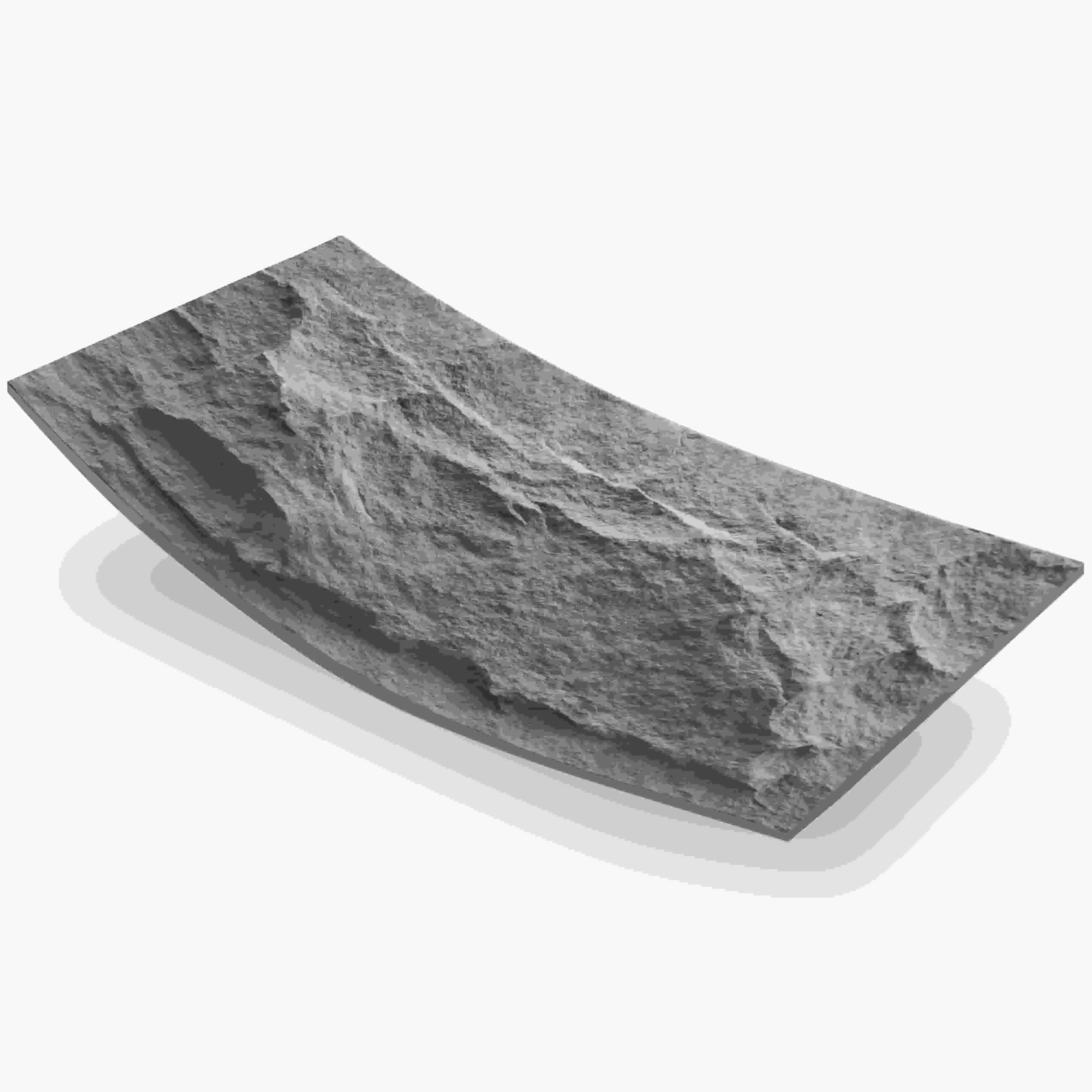
LEED v4 isn't just about "being green"—it's about measurable outcomes. Let's break down how Crossare Mushroom Stone043 helps projects earn those crucial credits.
| LEED v4 Credit Category | Specific Credit | How Crossare Mushroom Stone043 Contributes |
|---|---|---|
| Materials and Resources | MR Credit 2: Construction Waste Management | 100% recyclable at end-of-life; manufacturing waste is reused in new panels, diverting 90% from landfills. |
| Materials and Resources | MR Credit 5: Regional Materials | Aggregates sourced within 500 miles of project sites; reduces transportation emissions by 30%. |
| Energy and Atmosphere | EA Credit 1: Optimize Energy Performance | Thermal mass properties reduce HVAC energy use by 15-20% annually. |
| Indoor Environmental Quality | EQ Credit 4: Low-Emitting Materials | Zero VOC emissions; no off-gassing of harmful chemicals, improving indoor air quality. |
| Sustainable Sites | SS Credit 7: Heat Island Reduction | Light-colored variants reflect 70% of solar radiation, reducing urban heat island effect. |
Take, for example, the MR Credit 5 for Regional Materials. LEED v4 requires that at least 10% of building materials (by cost) are sourced from within 500 miles. Crossare Mushroom Stone043 not only meets this but often exceeds it, with aggregates and manufacturing facilities strategically located near major construction hubs. For a 50,000 sq ft commercial project, that could mean earning 2-3 extra LEED points—points that often make the difference between Silver and Gold certification.
Or consider EQ Credit 4, which focuses on low-emitting materials. Many stone claddings release volatile organic compounds (VOCs) from sealants or binders, worsening indoor air quality. Crossare Mushroom Stone043 uses a water-based, VOC-free binder, so it contributes nothing to harmful off-gassing. For schools, hospitals, or offices—spaces where air quality directly impacts health—this isn't just a credit; it's a commitment to people.
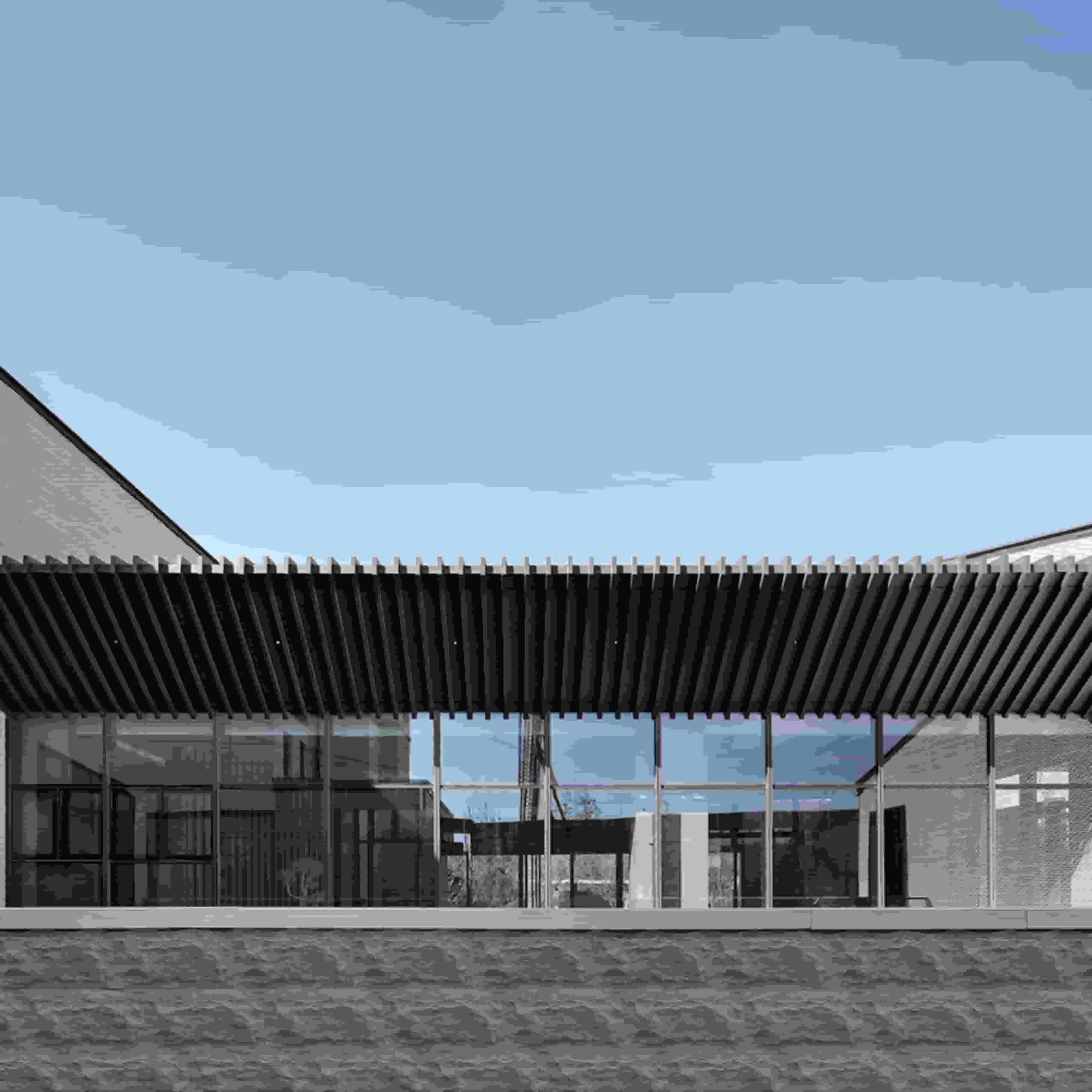
Crossare Mushroom Stone043 isn't the only sustainable cladding option out there. Let's see how it holds up against two popular alternatives from MCM's own lineup: mcm flexible stone and foamed aluminium alloy board (vintage silver) .
vs. MCM Flexible Stone : MCM flexible stone is beloved for its versatility—it can bend around curves and adhere to uneven surfaces, making it ideal for artistic facades. But when it comes to embodied carbon, Crossare Mushroom Stone043 has the edge: 250 kg CO2e/ton vs. 320 kg CO2e/ton for flexible stone. Why? Because Crossare uses a higher percentage of recycled aggregates (85% vs. 60% for flexible stone). That said, for projects where flexibility is non-negotiable, MCM flexible stone is still a strong eco-friendly choice—just know that Crossare brings more carbon savings to the table.
vs. Foamed Aluminium Alloy Board (Vintage Silver) : Foamed aluminium is lightweight, fire-resistant, and sleek—perfect for modern, industrial designs. But aluminium production is energy-intensive, even with recycling. Crossare Mushroom Stone043, while slightly heavier, has a lower lifecycle impact: its embodied carbon is 250 kg CO2e/ton vs. 380 kg CO2e/ton for foamed aluminium. Plus, stone aggregates are more locally abundant than aluminium, reducing transportation emissions further. For coastal projects, though, foamed aluminium's corrosion resistance might be worth the trade-off—context matters.
Then there's lunar peak silvery , another MCM favorite with a striking, moon-like texture. While visually stunning, lunar peak silvery relies more on natural stone quarries, pushing its embodied carbon to around 400 kg CO2e/ton. Crossare Mushroom Stone043 proves that you don't have to sacrifice aesthetics for sustainability—its mushroom-inspired texture (think: soft, organic ridges and valleys) adds depth and warmth to facades, proving that "green" can also be gorgeous.
Talk is cheap—let's look at projects that put Crossare Mushroom Stone043 to the test and walked away with LEED v4 Gold (and even Platinum) certification.
The Evergreen Office Complex (Portland, OR) : This 10-story office building wanted to stand out in Portland's eco-conscious skyline. The design team chose Crossare Mushroom Stone043 for the facade, pairing it with large windows for natural light. The result? A 17% reduction in energy use compared to code, thanks to the stone's thermal mass. The project earned LEED v4 Gold, with Crossare contributing to 3 Materials and Resources credits and 1 Energy credit. "We were blown away by how little maintenance it required," says lead architect Maya Chen. "No sealing, no staining—just hose it down once a year, and it looks as good as new."
Willow Creek Residences (Austin, TX) : In a city known for scorching summers, this 50-unit affordable housing complex needed a cladding that could keep interiors cool without cranking up the AC. Crossare Mushroom Stone043's heat-reflective properties (its natural color reflects 65% of solar radiation) helped reduce cooling costs by 22%. The project also used regional aggregates, earning MR Credit 5, and diverted 95% of construction waste from landfills—all while staying under budget. "Affordable housing shouldn't mean sacrificing sustainability," notes developer James Rodriguez. "Crossare let us do both."
Riverside Community Center (Denver, CO) : This public space, designed to host community events and after-school programs, prioritized indoor air quality. Crossare Mushroom Stone043's zero-VOC binder ensured that kids and families wouldn't breathe in harmful chemicals. The center achieved LEED v4 Platinum, with the stone contributing to EQ Credit 4 and MR Credit 2 (thanks to its recyclability). "Parents often ask about the materials we used," says center director Lisa Patel. "Being able to tell them the cladding is safe and earth-friendly? That builds trust."
Let's address the elephant in the room: cost. It's a common assumption that eco-friendly materials cost more, but Crossare Mushroom Stone043 tells a different story. Yes, upfront costs are slightly higher than standard concrete cladding (about 10-15% more), but the lifecycle savings more than make up for it. Lower energy bills, minimal maintenance, and longer durability (it lasts 50+ years vs. 25-30 for concrete) mean that over time, it's actually cheaper. For the Evergreen Office Complex, the payback period was just 7 years—after that, it was pure savings.
Another myth? That sustainable materials limit design options. Crossare Mushroom Stone043 comes in 12 color variants, from earthy beiges to deep grays, and can be cut into custom shapes—no two panels look exactly alike, thanks to the organic nature of its recycled aggregates. Architects rave about its versatility: "We used it on a rustic cabin in the mountains and a sleek downtown hotel—both looked completely different," says Chen. "It adapts to the project, not the other way around."
LEED v4 is already pushing the industry forward, but what's next? LEED v5 (set to launch in 2026) will likely raise the bar even higher, with stricter targets for embodied carbon and circularity. Crossare Mushroom Stone043 is already ahead of the curve: MCM is currently testing a version with 95% recycled aggregates, aiming to drop embodied carbon to 200 kg CO2e/ton by 2027. They're also exploring carbon capture technology in manufacturing—imagine a stone that actually removes CO2 from the air as it's made.
Beyond Crossare, MCM's lineup continues to expand, with innovations like travertine (starry green) now available with 50% recycled content and lunar peak silvery incorporating solar-reflective pigments. The goal? To make sustainability the default, not the exception.
At the end of the day, Crossare Mushroom Stone043 isn't just a material—it's a statement. It says that we don't have to choose between beauty and responsibility, between durability and sustainability. For architects, builders, and developers, it's a tool to create spaces that honor both the planet and the people who use them.
LEED v4 projects aren't just about earning a plaque on the wall; they're about proving that green building is possible, profitable, and necessary. And with materials like Crossare Mushroom Stone043 leading the way, that future is closer than we think. So the next time you walk past a building with a textured, earthy facade, take a second look—it might just be Crossare, quietly doing its part to build a better world.
Recommend Products












