
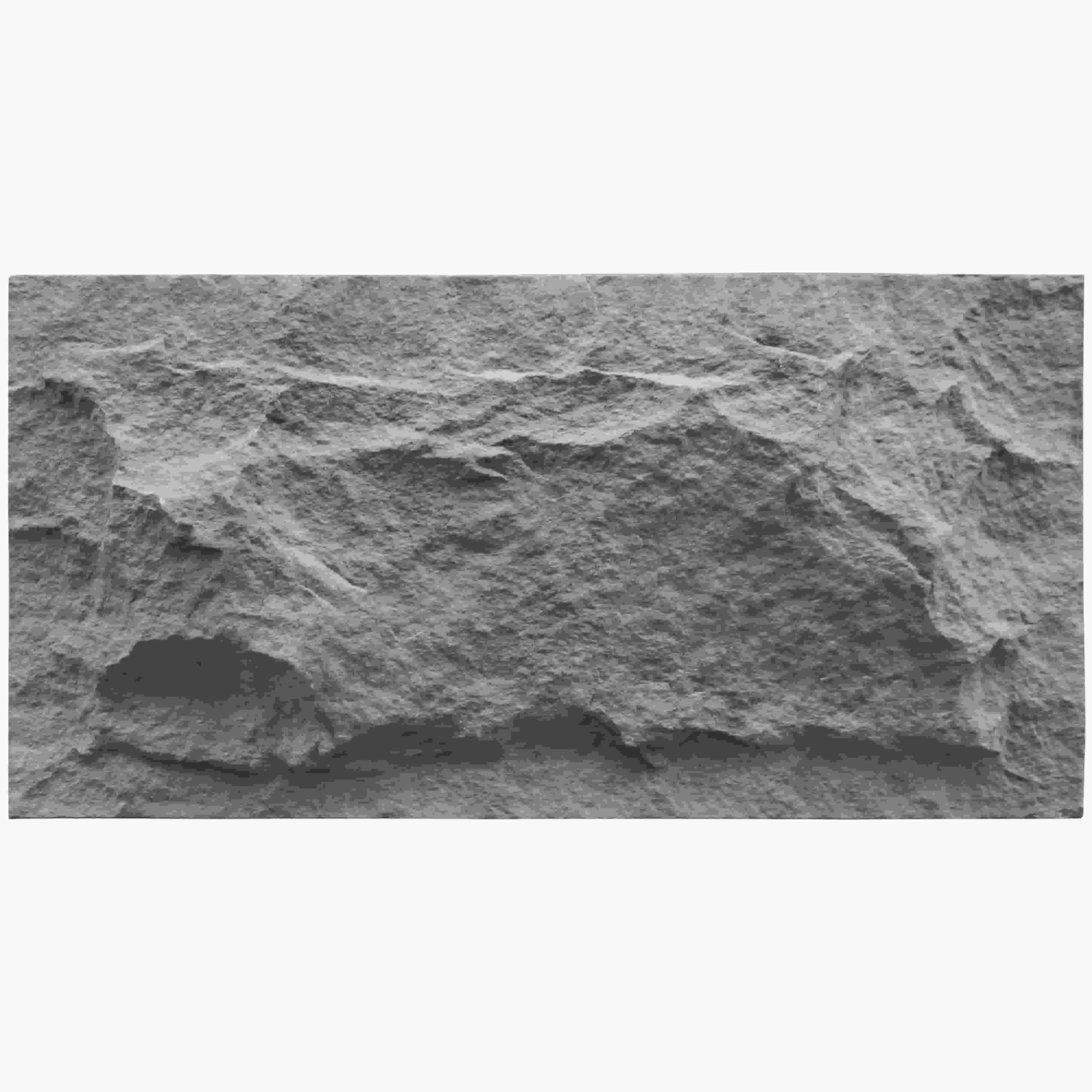
In the world of modern architecture, the phrase "green building" has evolved from a buzzword to a fundamental principle. Today, clients, architects, and developers don't just want buildings that look good—they want structures that do good, too. That's where green building certifications come in, acting as a compass for projects striving to minimize environmental impact while maximizing efficiency, health, and longevity. Among the most recognized certifications globally is LEED (Leadership in Energy and Environmental Design), but the journey doesn't end there. As the industry pushes for even higher standards, materials like Crossare Mushroom Stone043 are emerging as game-changers, bridging the gap between aesthetic appeal and sustainable performance. In this article, we'll dive into how this innovative material isn't just meeting LEED requirements—it's redefining what it means to build green, one stone at a time.
Before we get into the specifics of Crossare Mushroom Stone043 , let's take a step back to understand why green building certifications have become so critical. In a world grappling with climate change, resource depletion, and urbanization, buildings account for a staggering 39% of global carbon emissions, according to the World Green Building Council. That's more than industry or transportation. Certifications like LEED, BREEAM (Building Research Establishment Environmental Assessment Method), and WELL Building Standard were created to reverse this trend by setting measurable benchmarks for sustainability.
For developers, these certifications aren't just about altruism—they're smart business. LEED-certified buildings, for example, often command higher rental rates, lower operating costs, and faster lease-up times. For occupants, they mean healthier indoor air, better natural light, and a reduced carbon footprint. And for the planet? They're a tangible way to cut emissions, conserve water, and preserve resources. But here's the catch: not all green building materials are created equal. To truly move the needle, materials need to excel across multiple categories—from raw material sourcing to manufacturing, installation, and end-of-life disposal. That's where Crossare Mushroom Stone043 enters the picture.
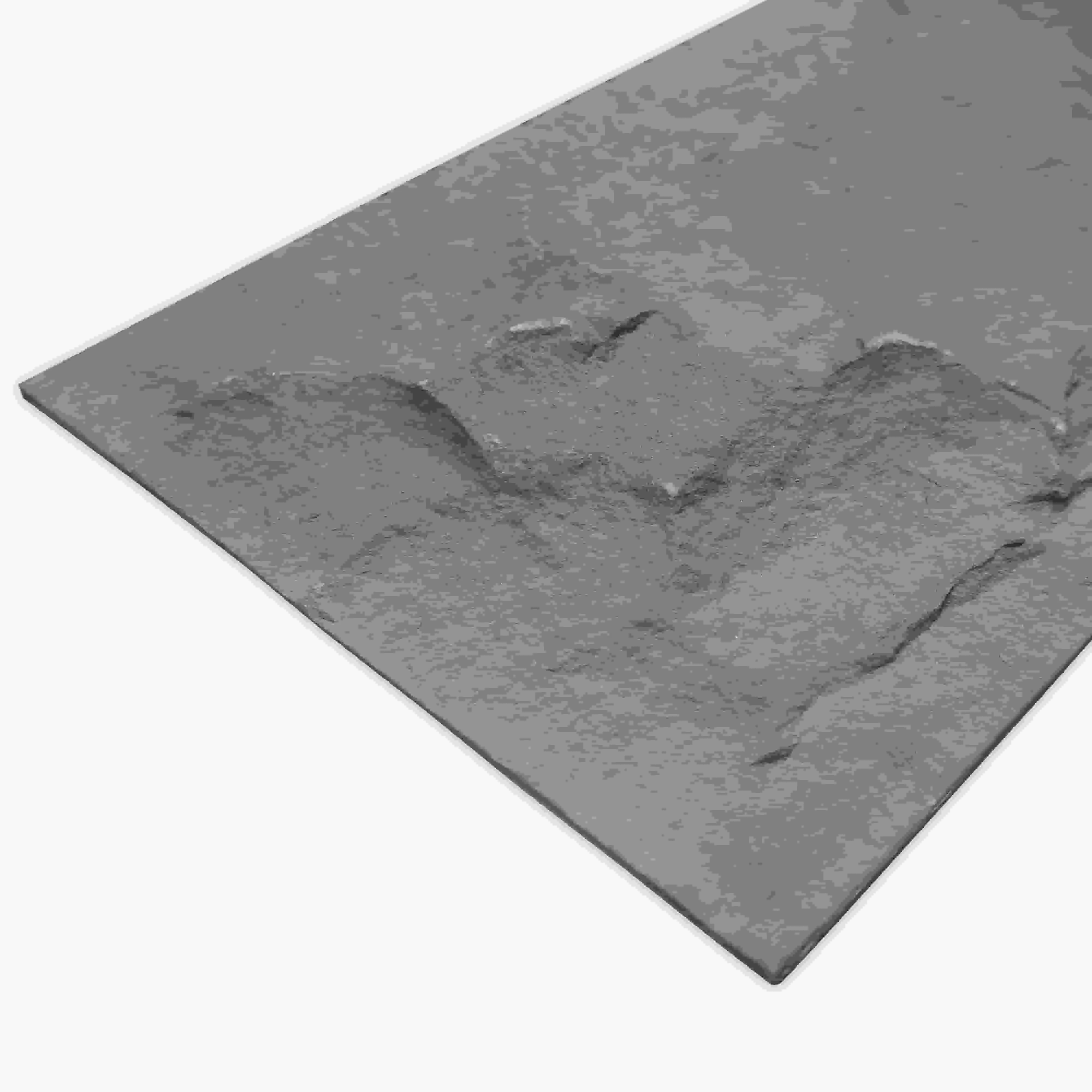
At first glance, Crossare Mushroom Stone043 might look like a traditional natural stone—with its earthy texture, warm tones, and organic, mushroom-like edges that evoke a sense of timelessness. But scratch the surface (metaphorically, of course), and you'll discover a material that's anything but traditional. Part of the broader MCM flexible stone family—a line of modified composite materials known for their durability and adaptability—Crossare Mushroom Stone043 is engineered to combine the best of natural aesthetics with cutting-edge sustainability.
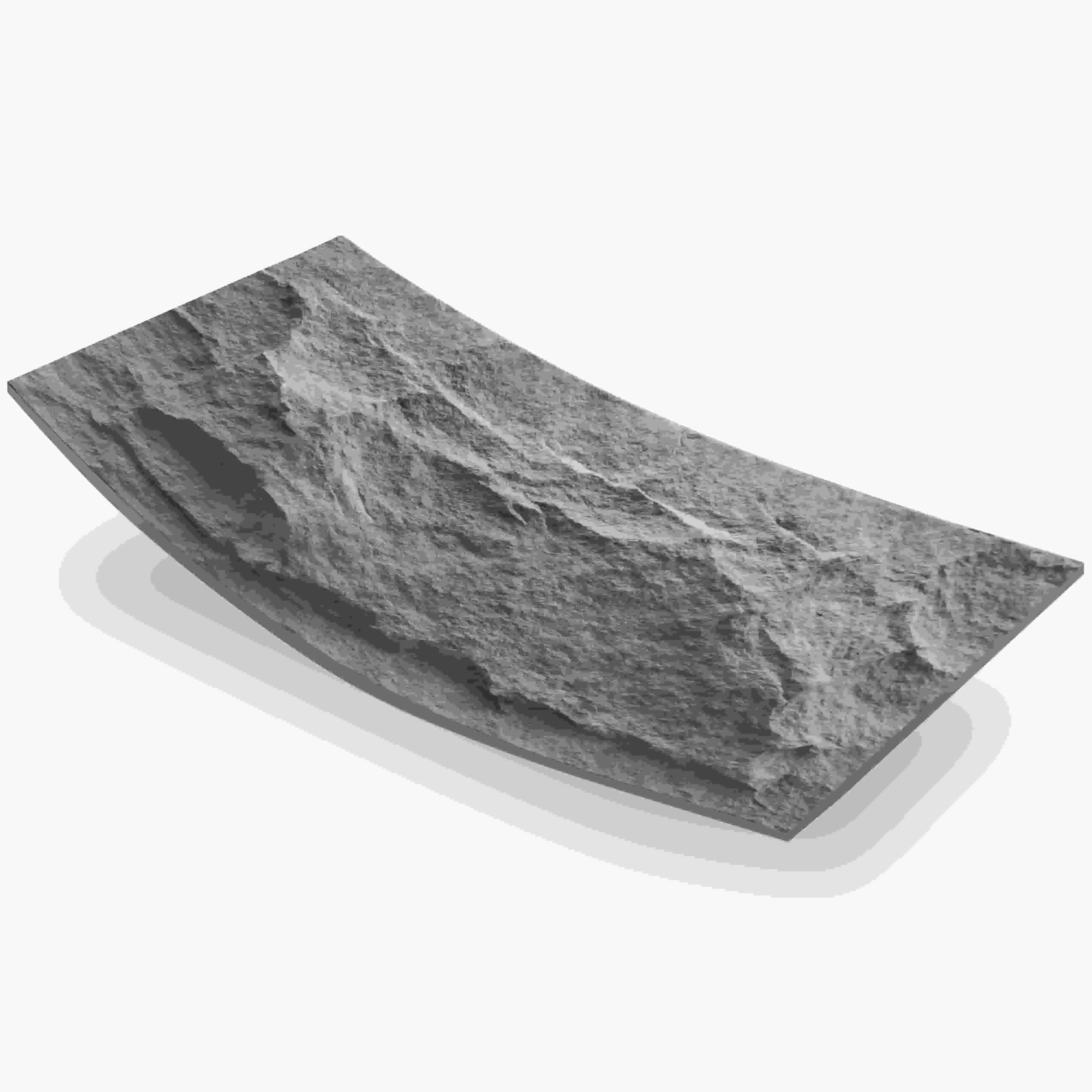
Unlike solid natural stone, which often requires heavy extraction and transportation (contributing to high carbon footprints), Crossare Mushroom Stone043 is crafted using a blend of recycled aggregates, natural minerals, and a low-VOC (volatile organic compound) binder. This unique composition not only reduces its environmental impact but also makes it significantly lighter than traditional stone—up to 70% lighter, in fact. For architects and builders, that translates to easier installation, reduced structural load on buildings, and lower transportation costs. For the environment, it means fewer emissions from trucks hauling heavy materials and less strain on construction sites.
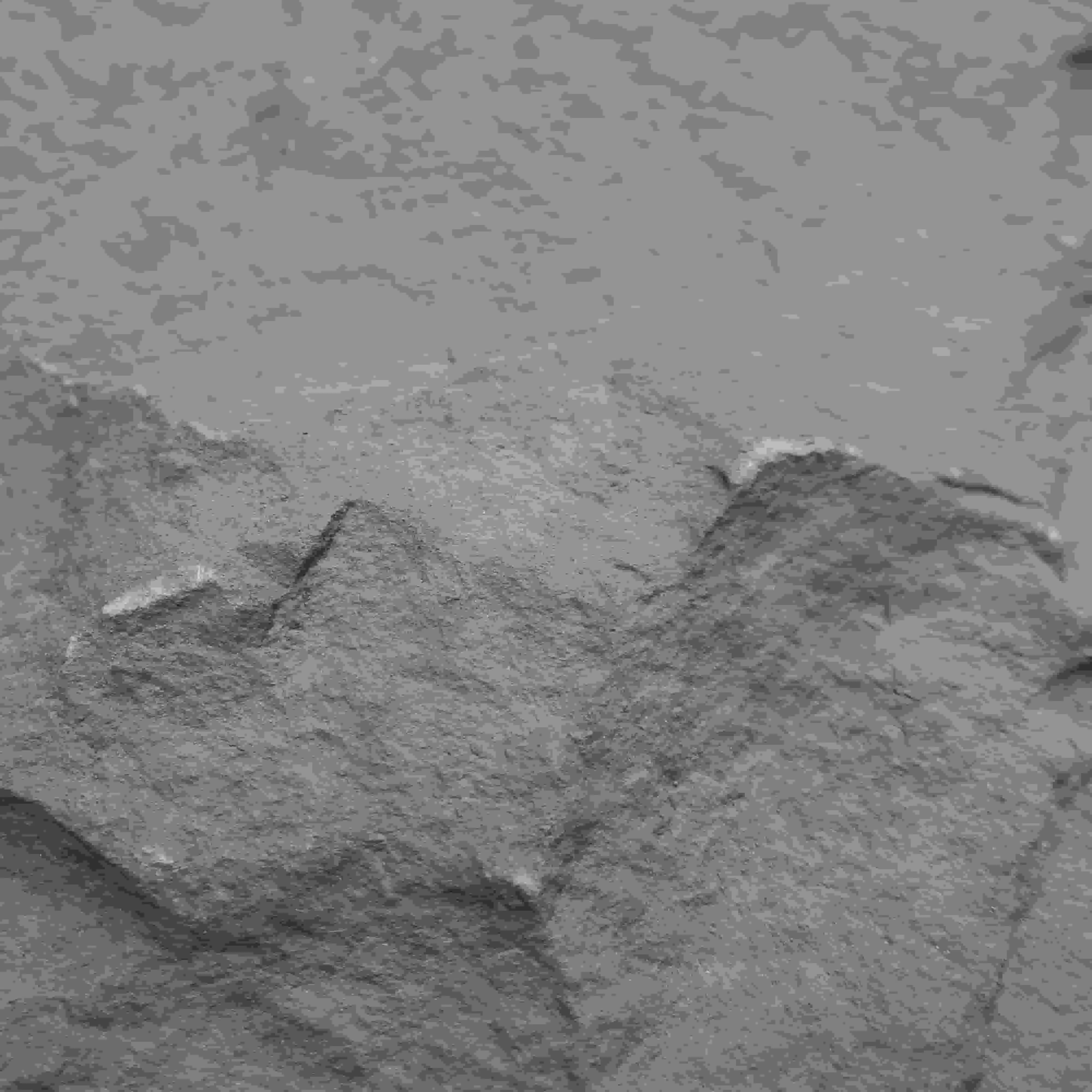
One common misconception about green building materials is that they sacrifice beauty for eco-friendliness. Crossare Mushroom Stone043 shatters that myth. Its name, "Crossare," derives from the Italian word for "to carve," and it's easy to see why: each panel features intricate, handcrafted details that mimic the look of stone quarried from ancient cliffs. The "Mushroom Stone043" designation refers to its distinctive edge profile—soft, rounded, and slightly irregular, like the cap of a mushroom emerging from the forest floor. This texture adds depth and character to any facade, whether it's a modern office building, a boutique hotel, or a residential home.
But its appeal isn't just visual. Run your hand over a panel, and you'll feel a warmth that synthetic materials lack—a quality that makes spaces feel more inviting and connected to nature. This biophilic design element isn't just about comfort; studies have shown that buildings incorporating natural materials can reduce stress and boost productivity among occupants. In other words, Crossare Mushroom Stone043 doesn't just look good—it makes people feel good, too.
To understand why Crossare Mushroom Stone043 is a standout for green building certifications, let's break down its sustainability features across the entire lifecycle—from "cradle to cradle."
The foundation of any sustainable material is its raw ingredients, and Crossare Mushroom Stone043 starts strong. Up to 45% of its composition is made from recycled materials, including crushed stone waste from traditional quarrying operations and post-consumer glass. By repurposing these byproducts, the material diverts waste from landfills and reduces the need for virgin resource extraction. The remaining 55% consists of natural minerals sourced from local quarries (within a 200-mile radius of manufacturing facilities, whenever possible), further cutting down on transportation emissions.
Compare this to traditional natural stone, which often requires mining large quantities of rock—disrupting ecosystems and depleting finite resources. Or even some synthetic cladding materials, which rely on petroleum-based products. Crossare Mushroom Stone043's use of recycled content alone puts it ahead of many competitors, making it a top choice for projects aiming to earn LEED points in the "Materials and Resources" category.
The manufacturing process is where many materials fall short, but Crossare Mushroom Stone043's production is designed to minimize energy use and emissions. Unlike fired clay bricks or concrete, which require high-temperature kilns or curing processes, Crossare Mushroom Stone043 is formed using a cold-press technique. This method uses significantly less energy—up to 60% less than traditional stone cutting—and eliminates the release of harmful pollutants like sulfur dioxide or nitrogen oxides.
Additionally, the manufacturing facilities that produce Crossare Mushroom Stone043 run on 100% renewable energy, including solar and wind power. They also implement a closed-loop water system, recycling 95% of the water used in production. For projects pursuing LEED certification, these practices contribute to credits in the "Energy and Atmosphere" category, particularly around reducing operational carbon.
Sustainability isn't just about what goes into a material—it's about how long it lasts. A product that needs frequent replacement is never truly green, no matter how eco-friendly its production. Crossare Mushroom Stone043 excels here, with a lifespan of 50+ years—comparable to natural stone but with far less maintenance. Its resistance to weathering, fading, and impact means buildings clad in Crossare Mushroom Stone043 won't need repainting, resurfacing, or replacement for decades.
Take, for example, a coastal building: traditional wood cladding might rot within 10 years, while vinyl could crack or fade in harsh sunlight. Crossare Mushroom Stone043, however, stands up to salt spray, UV rays, and extreme temperatures without degradation. This longevity reduces the need for raw materials and labor over the building's lifetime, lowering its overall environmental footprint. It's a simple equation: longer-lasting materials mean fewer replacements, which means less waste and fewer emissions.
Even the most durable materials eventually reach the end of their useful life, but Crossare Mushroom Stone043 is designed to leave a minimal trace. Unlike some synthetic claddings that end up in landfills, where they can take centuries to break down, Crossare Mushroom Stone043 is fully recyclable. At the end of its lifespan, panels can be crushed and reused as aggregate in new construction materials, closing the loop on its lifecycle.
In cases where recycling isn't feasible, the material is biodegradable—its natural mineral components break down over time without releasing toxic chemicals into the soil or water. This cradle-to-cradle approach aligns with the circular economy principles that many green building certifications, including LEED v4.1, now prioritize.
LEED certification is all about points—earned by meeting specific criteria across six categories: Sustainable Sites, Water Efficiency, Energy and Atmosphere, Materials and Resources, Indoor Environmental Quality, and Innovation in Design. Let's break down how Crossare Mushroom Stone043 helps projects rack up those points.
The Materials and Resources category is where Crossare Mushroom Stone043 truly shines. LEED offers points for using recycled content, locally sourced materials, and rapidly renewable resources—all of which this stone delivers on.
LEED's Energy and Atmosphere category focuses on reducing a building's energy use and carbon emissions. Crossare Mushroom Stone043 contributes here indirectly but significantly. Its lightweight nature reduces the structural load of buildings, which means smaller, more energy-efficient foundations and support systems. Additionally, its thermal mass properties help regulate indoor temperatures, reducing the need for heating and cooling. In warmer climates, the stone's light color reflects sunlight, lowering cooling costs; in cooler climates, its density retains heat, reducing heating needs. These factors can contribute to points in EA Credit 1: Optimize Energy Performance.
Indoor air quality is a top priority for LEED, and Crossare Mushroom Stone043 delivers here, too. Unlike some paints, adhesives, or synthetic claddings that off-gas VOCs (which can cause headaches, allergies, and long-term health issues), Crossare Mushroom Stone043 is low-VOC and formaldehyde-free. This helps projects earn points in EQ Credit 4: Low-Emitting Materials. Additionally, its natural texture and color reduce the need for artificial lighting, supporting EQ Credit 8: Daylight.
LEED rewards projects that go above and beyond standard practices, and Crossare Mushroom Stone043's unique composition and manufacturing process can earn points here. For example, using the stone in combination with other sustainable materials like foamed aluminium alloy board (vintage silver) or fair-faced concrete could qualify for an Innovation in Design credit, as it demonstrates a holistic approach to sustainability.
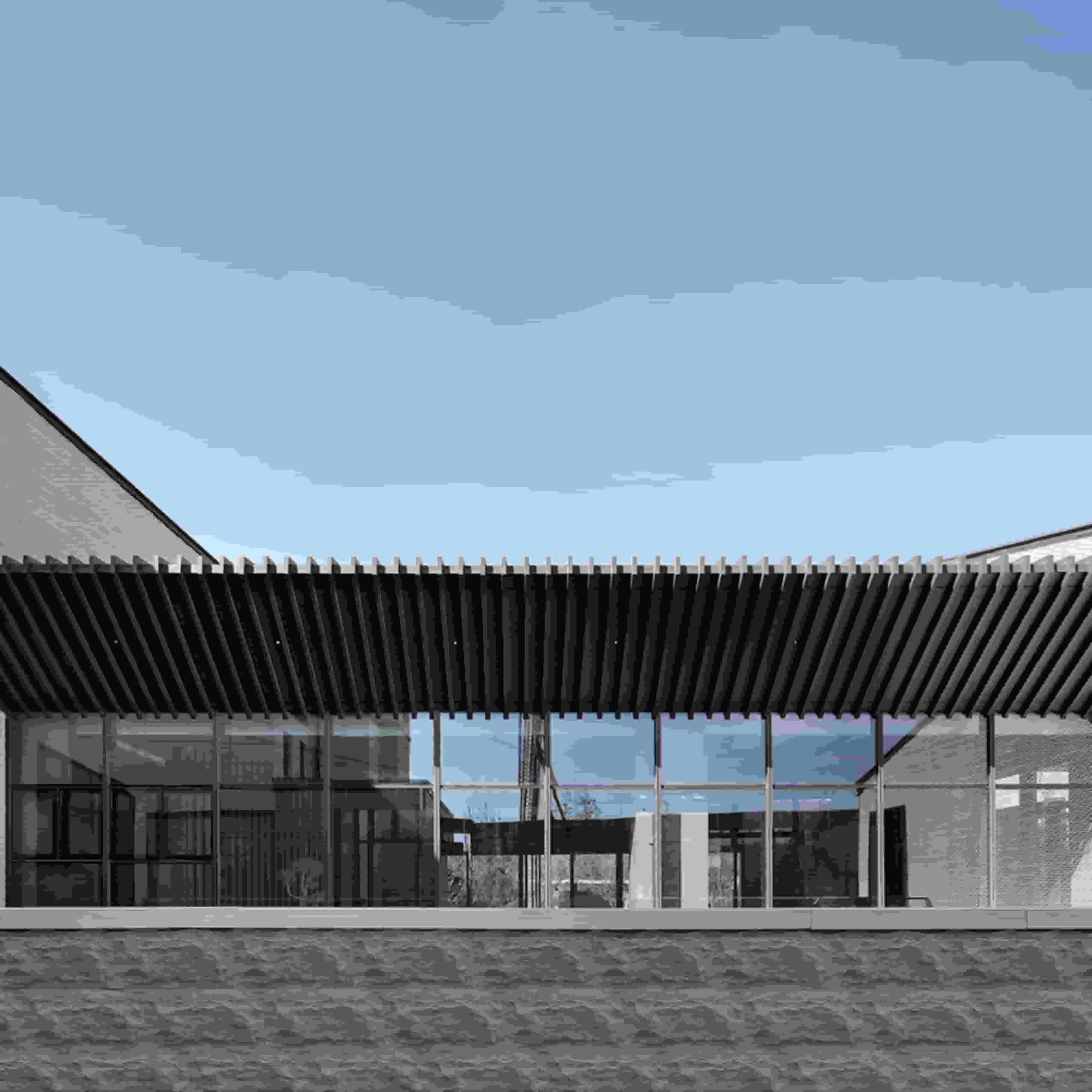
To truly appreciate Crossare Mushroom Stone043's value, it helps to compare it to other popular green building materials. Let's stack it up against two alternatives: Epoch stone (another modified composite material) and traditional fair-faced concrete .
| Feature | Crossare Mushroom Stone043 | Epoch Stone | Fair-Faced Concrete |
|---|---|---|---|
| Recycled Content | 45% | 30% | 20% (on average) |
| Carbon Footprint (kg CO2/m²) | 8.2 | 10.5 | 15.3 |
| LEED Points (Estimated) | 5-7 | 3-5 | 2-4 |
| Weight (kg/m²) | 12 | 15 | 24 |
| Lifespan (Years) | 50+ | 40+ | 30+ |
| End-of-Life | Recyclable/Biodegradable | Recyclable | Recyclable (crushed for aggregate) |
As the table shows, Crossare Mushroom Stone043 outperforms both Epoch stone and fair-faced concrete in recycled content, carbon footprint, LEED points, and weight. Its longer lifespan and biodegradability are also key differentiators. For architects and developers looking to maximize sustainability without compromising on aesthetics, this comparison makes the choice clear.
Talk is cheap—so let's look at how Crossare Mushroom Stone043 has performed in real projects. One standout example is the GreenWave Office Complex in Portland, Oregon, a LEED Platinum-certified building completed in 2024. The complex's facade features over 10,000 square feet of Crossare Mushroom Stone043, paired with foamed aluminium alloy board (vintage silver) for a modern, industrial-meets-natural aesthetic.
According to the project's lead architect, Maria Gonzalez, "We chose Crossare Mushroom Stone043 for two reasons: its sustainability credentials and its ability to soften the building's modern lines. The stone's organic texture makes the complex feel approachable, not cold, which was important for a space designed to foster collaboration. Plus, the recycled content and local sourcing helped us hit our LEED targets without sacrificing design."
The GreenWave Complex earned 8 out of a possible 10 points in the Materials and Resources category, with Crossare Mushroom Stone043 contributing significantly to that score. Post-occupancy surveys also showed that employees reported higher satisfaction with the building's "warm, natural feel" compared to previous offices.
Another example is the Serenity Spa & Resort in Arizona, which used Crossare Mushroom Stone043 in its exterior cladding and interior accent walls. The resort aimed for LEED Gold certification and prioritized materials that would blend with the desert landscape. "The stone's earthy tones and mushroom edges complement the surrounding cacti and rock formations perfectly," said the resort's developer, James Chen. "And because it's lightweight, we were able to install it on the second floor without reinforcing the structure—saving time and money." The resort ultimately earned LEED Gold, with the stone contributing to points in both Materials and Resources and Indoor Environmental Quality.
While LEED is the most well-known green building certification, it's not the only one. Crossare Mushroom Stone043 also supports other certifications, helping projects reach even higher sustainability goals.
Popular in Europe and Asia, BREEAM focuses on reducing environmental impact through rigorous assessment of materials, energy use, and ecological value. Crossare Mushroom Stone043's recycled content and low carbon footprint help projects score well in BREEAM's "Materials" category, while its thermal properties contribute to "Energy" credits.
WELL is all about human health, and Crossare Mushroom Stone043 aligns with this mission. Its low-VOC composition supports WELL's "Air" category, which focuses on indoor air quality, while its biophilic design elements contribute to the "Mind" category, which emphasizes mental well-being.
The most ambitious certification of all, LBC requires buildings to be "net positive" in energy and water, and to use only non-toxic, renewable materials. While no single material can make a building LBC-certified, Crossare Mushroom Stone043's recyclable, biodegradable composition and low-VOC binder make it a strong candidate for projects aiming for this "ultimate green" certification.
As green building certifications evolve, so too will the materials that support them. LEED v5, set to launch in 2025, is expected to place even greater emphasis on carbon reduction, circular economy principles, and social equity. Crossare Mushroom Stone043 is already well-positioned for these changes, with its low carbon footprint and recyclable design.
Looking ahead, manufacturers are exploring ways to increase the stone's recycled content even further—targeting 50% by 2026—and to develop new colorways inspired by natural landscapes, like "Starry Green" and "Ethereal Shadow," to expand design possibilities. There's also ongoing research into using the stone in modular construction, where its lightweight nature could reduce assembly time and emissions.
Perhaps most exciting is the potential for Crossare Mushroom Stone043 to inspire other materials. As architects and developers demand more sustainable options, manufacturers across the industry are taking note—and innovating. The success of MCM flexible stone products like Crossare Mushroom Stone043 proves that sustainability and beauty can go hand in hand, setting a new standard for what green building materials can achieve.
In the end, green building certifications like LEED are more than just badges—they're tools to create a built environment that's healthier, more efficient, and more in harmony with the planet. Crossare Mushroom Stone043 embodies this vision, offering a material that's as kind to the Earth as it is pleasing to the eye. From its recycled content and local sourcing to its durability and biodegradability, it's a testament to what's possible when innovation meets sustainability.
Whether you're designing a LEED Platinum office complex, a BREEAM Excellent hotel, or a WELL-certified school, Crossare Mushroom Stone043 isn't just a material choice—it's a statement. It says that you care about the planet, about the people who will use the building, and about leaving a legacy of responsible design. In a world where every decision matters, that's a statement worth making.
So the next time you walk past a building with a warm, textured facade that feels both ancient and modern, take a closer look—it might just be Crossare Mushroom Stone043. And if it is, you can rest assured that behind that beauty lies a commitment to a greener, more sustainable future. After all, the best buildings don't just stand the test of time—they help preserve it.
Recommend Products












