
Bridging centuries of architectural heritage with cutting-edge material innovation
Walk down the cobblestone streets of a European village, or wander through the colonial districts of a coastal town, and you'll feel it—the weight of history in every weathered brick, every chipped cornice, every stone that has stood guard for centuries. Historic buildings aren't just structures; they're storytellers. They whisper tales of the people who built them, the eras they've witnessed, and the cultures they embody. But here's the thing about storytellers: even the most resilient ones need a little care to keep speaking.
Renovating a historic building is a labor of love—and a balancing act. On one hand, you want to preserve its soul: the uneven stone walls, the patina of age, the quirks that make it unique. On the other hand, you need to ensure it can stand up to modern life: rain, wind, pollution, and the demands of 21st-century use. Use too many modern materials, and you risk stripping away its character; cling too rigidly to the past, and you might end up with a beautiful but fragile relic that crumbles before its time. It's a puzzle that architects, preservationists, and homeowners have grappled with for decades.
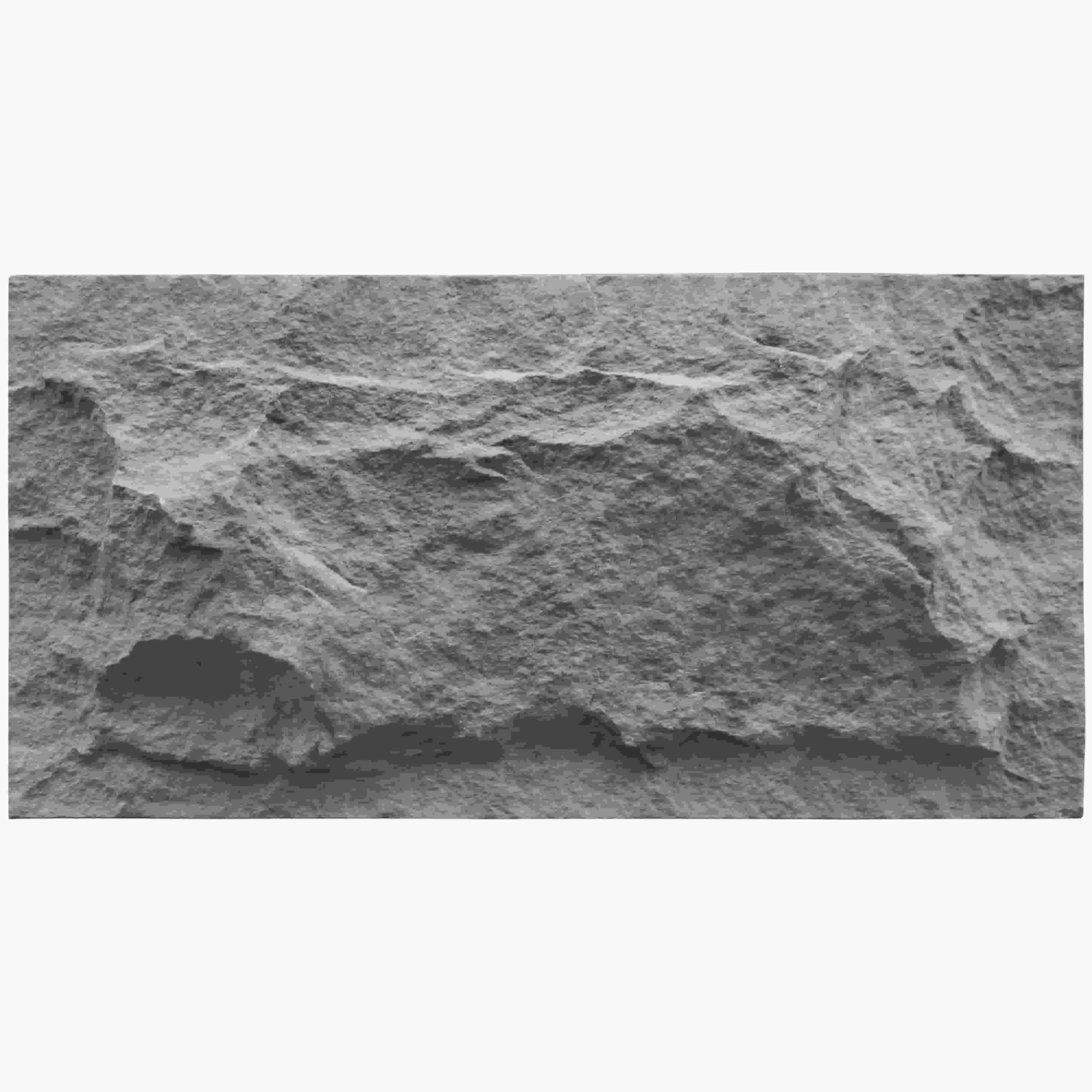
Enter Crossare Mushroom Stone043 —a material that feels like a warm handshake between history and innovation. Part of the broader mcm flexible stone family, this isn't just a building material; it's a bridge. A bridge that lets historic structures keep their old-world charm while gaining the strength to face the future. Let's dive into how it's redefining what's possible for historic renovations.
For years, the go-to approach for historic renovations was simple: "replace like with like." If the original exterior was made of mushroom stone, you hunted down more mushroom stone. If the trim was carved from oak, you sourced old-growth oak. It sounds romantic, but in practice? It's a minefield.
Take natural mushroom stone, for example. Those irregular, bulbous stones that give historic cottages their fairy-tale charm? They're heavy—sometimes hundreds of pounds per stone. Hauling them up to a second-story facade risks damaging the building's original, fragile structure. Worse, natural stone is porous. In humid climates, it soaks up moisture like a sponge, leading to mold, rot, and crumbling mortar. And let's not forget sourcing: finding mushroom stones that match the size, color, and texture of the originals is like searching for a needle in a haystack. Quarries that produced them decades ago may be closed, and new stones often lack that weathered, time-worn character.
Then there's the cost. Traditional stone masonry is slow, labor-intensive, and expensive. A small renovation could take months, disrupting the building's use and blowing budgets. And even after all that, the new stone might not age well—fading in the sun, chipping in frost, or requiring constant maintenance to keep it looking "historic." It's a cycle of frustration: loving the past, but struggling to preserve it with the tools of the past.
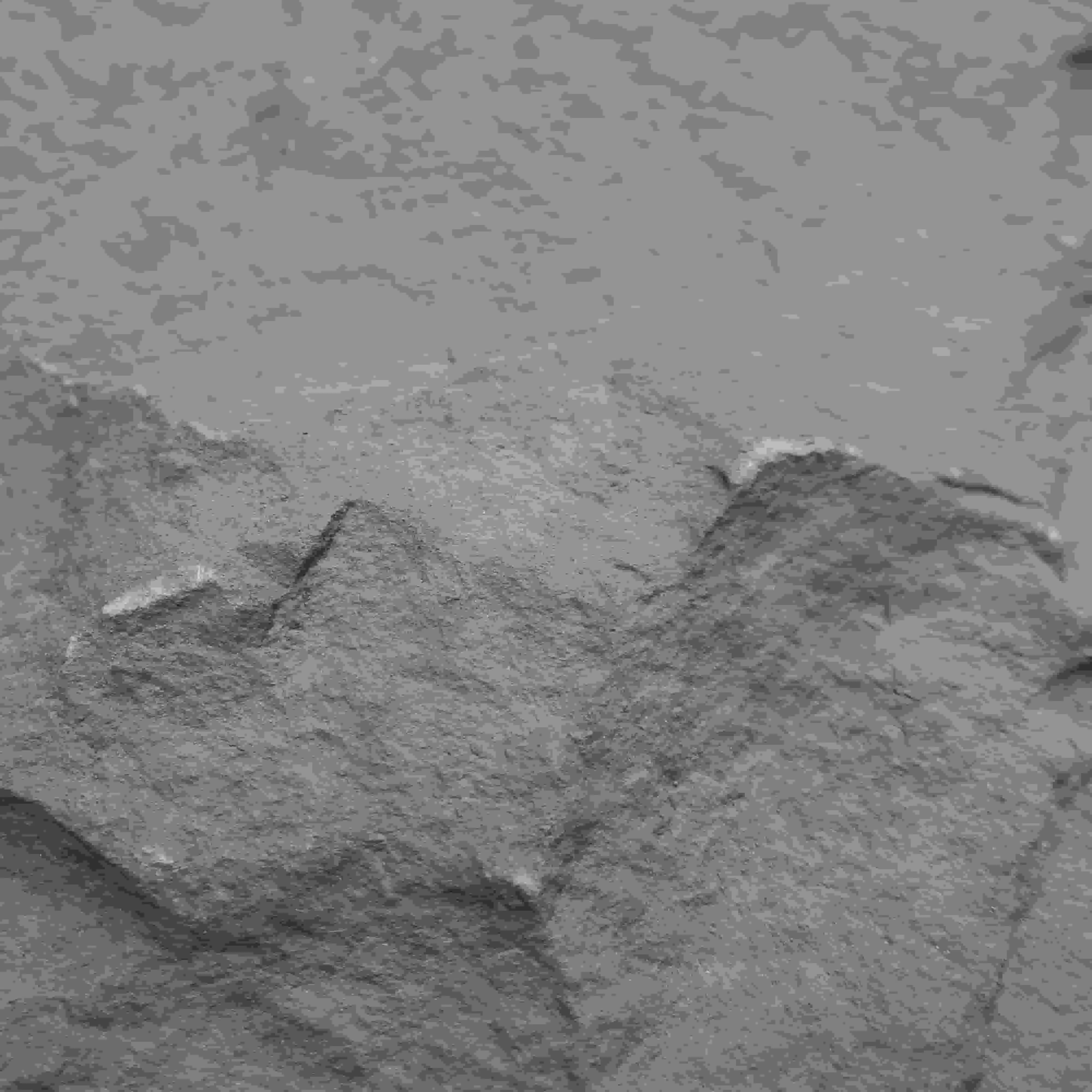
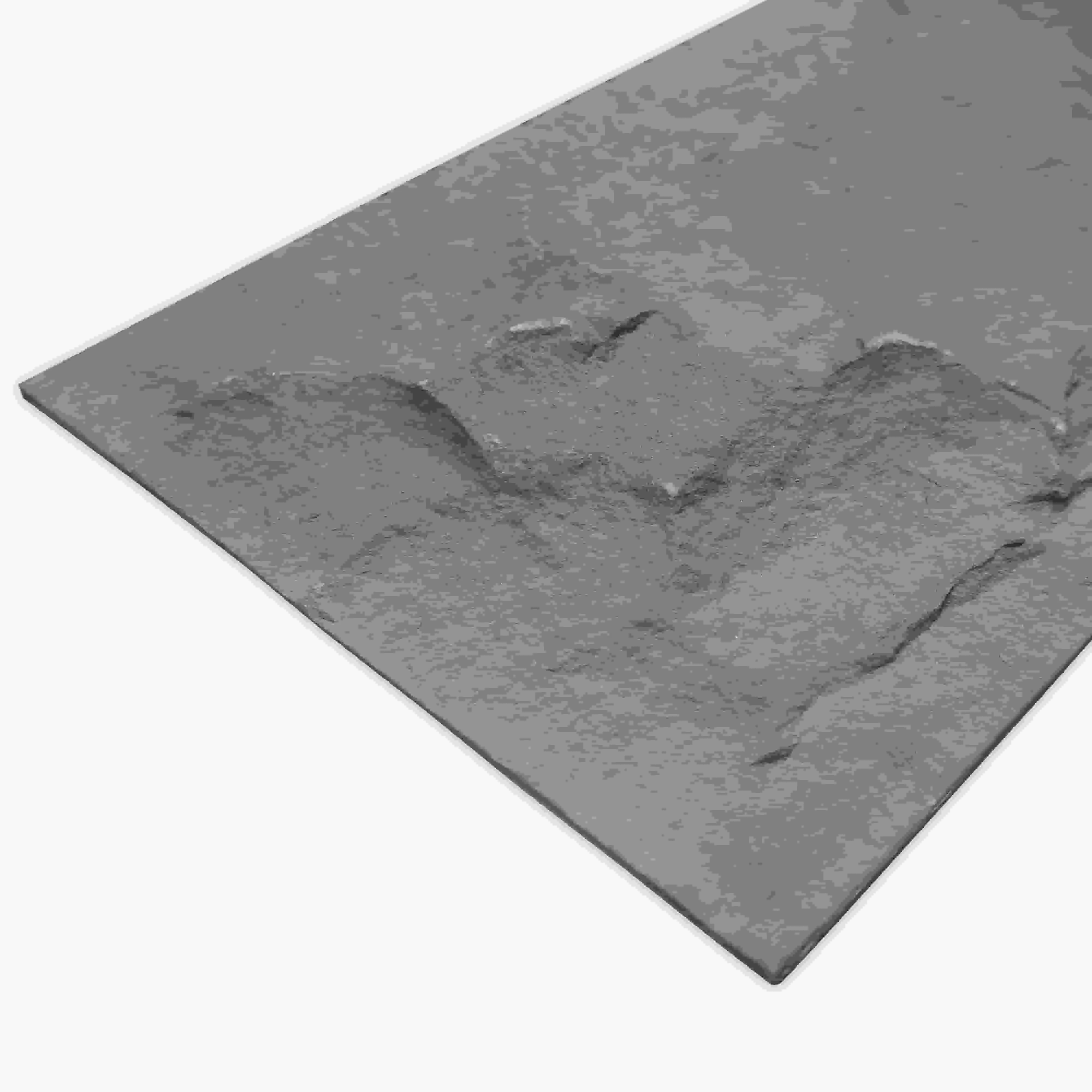
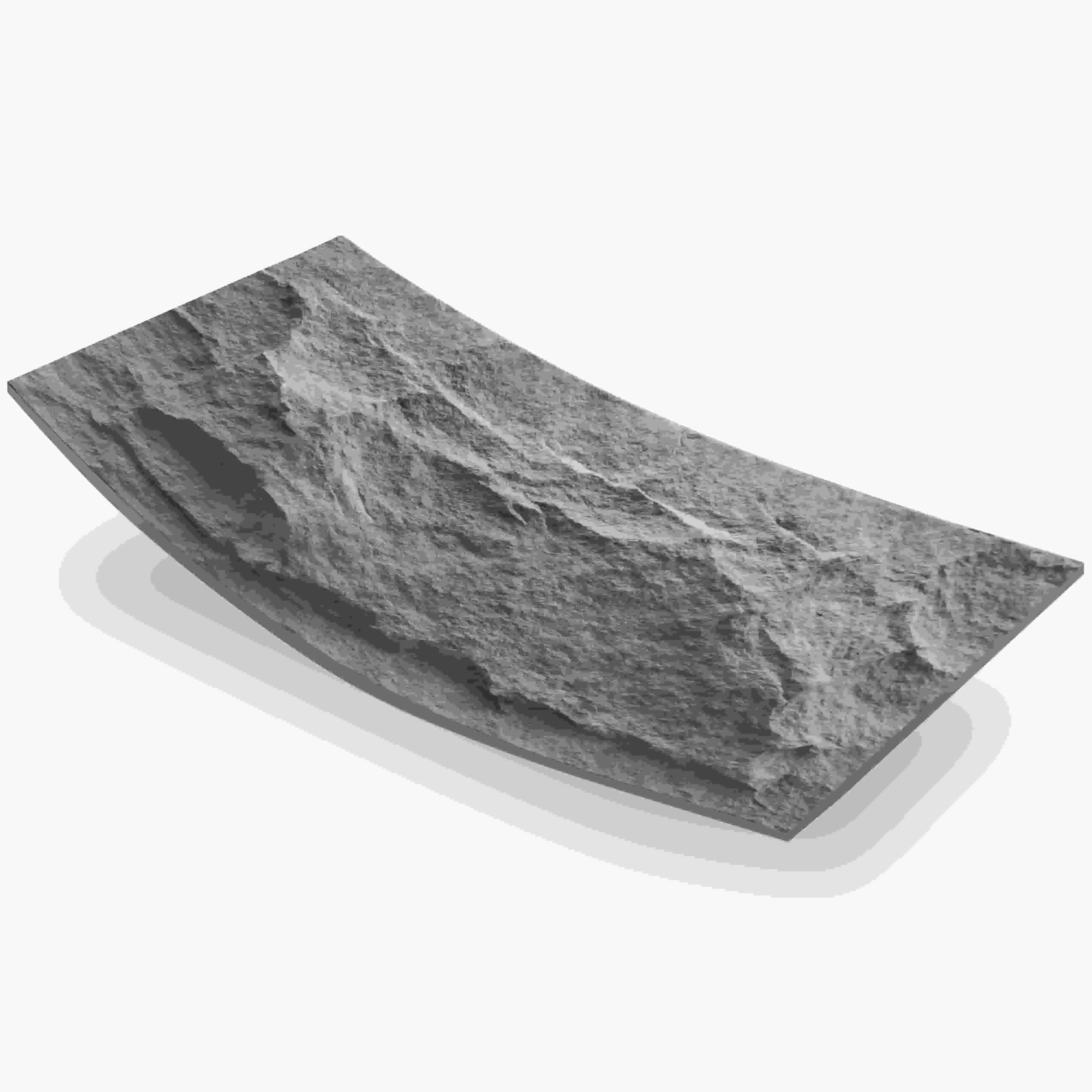
Enter Crossare Mushroom Stone043. At first glance, you might mistake it for the real thing: the same organic, bulbous texture, the subtle variations in tone that make natural stone feel alive, the soft matte finish that seems to glow in the sunlight. But touch it, and you'll notice the difference—it's lighter, more uniform, and surprisingly resilient. That's because it's part of the mcm flexible stone family, a line of modified composite material panels designed to mimic natural stone (and other classic materials) while solving their biggest flaws.
Let's break it down. MCM, or Modified Composite Material, is a blend of natural minerals, recycled polymers, and reinforcing fibers. It's engineered to be lightweight (about 1/5 the weight of natural stone), flexible (so it can bend slightly without cracking), and durable (resistant to moisture, UV rays, and impact). Crossare Mushroom Stone043 takes this technology and wraps it in the iconic mushroom stone aesthetic—those rounded, almost whimsical shapes that have adorned historic buildings from Tuscany to Tennessee.
Let's step into a real-world example. In the rolling hills of Provence, France, there's a 17th-century manor house—once a residence for a noble family, later a winery, and now a boutique hotel. Its exterior, clad in local mushroom stone, had seen better days: decades of rain had left dark streaks, some stones were loose, and the mortar was crumbling. The owners wanted to restore it to its former glory but were hesitant to use traditional stone—too heavy, too slow, too costly.
Enter architect Marie Dubois, who specializes in historic preservation. "I'd heard about mcm flexible stone, but I was skeptical at first," she recalls. "Historic buildings demand authenticity—you can't just slap on something that looks 'close enough.' But when I saw Crossare Mushroom Stone043 samples, I was blown away. The texture, the color variation… it was like holding a piece of the original stone, but better."
The team spent two weeks installing the panels on the manor's south facade. "Because the panels are lightweight, we didn't need scaffolding—just ladders," Marie says. "The workers could carry 3-4 panels at a time, and the click-lock system meant they fit together like a tight jigsaw. We even matched the original stone's color exactly by custom-ordering the 043 variant with a slightly warmer undertone, to blend with the existing (still intact) stone on the north side."
A year later, the manor's facade looks stunning. "Guests can't tell the difference between the original stone and the new panels," says hotel manager Pierre Laurent. "And maintenance? Zero. No more power washing to remove mold, no re-pointing mortar. It's like the building finally stopped aging."
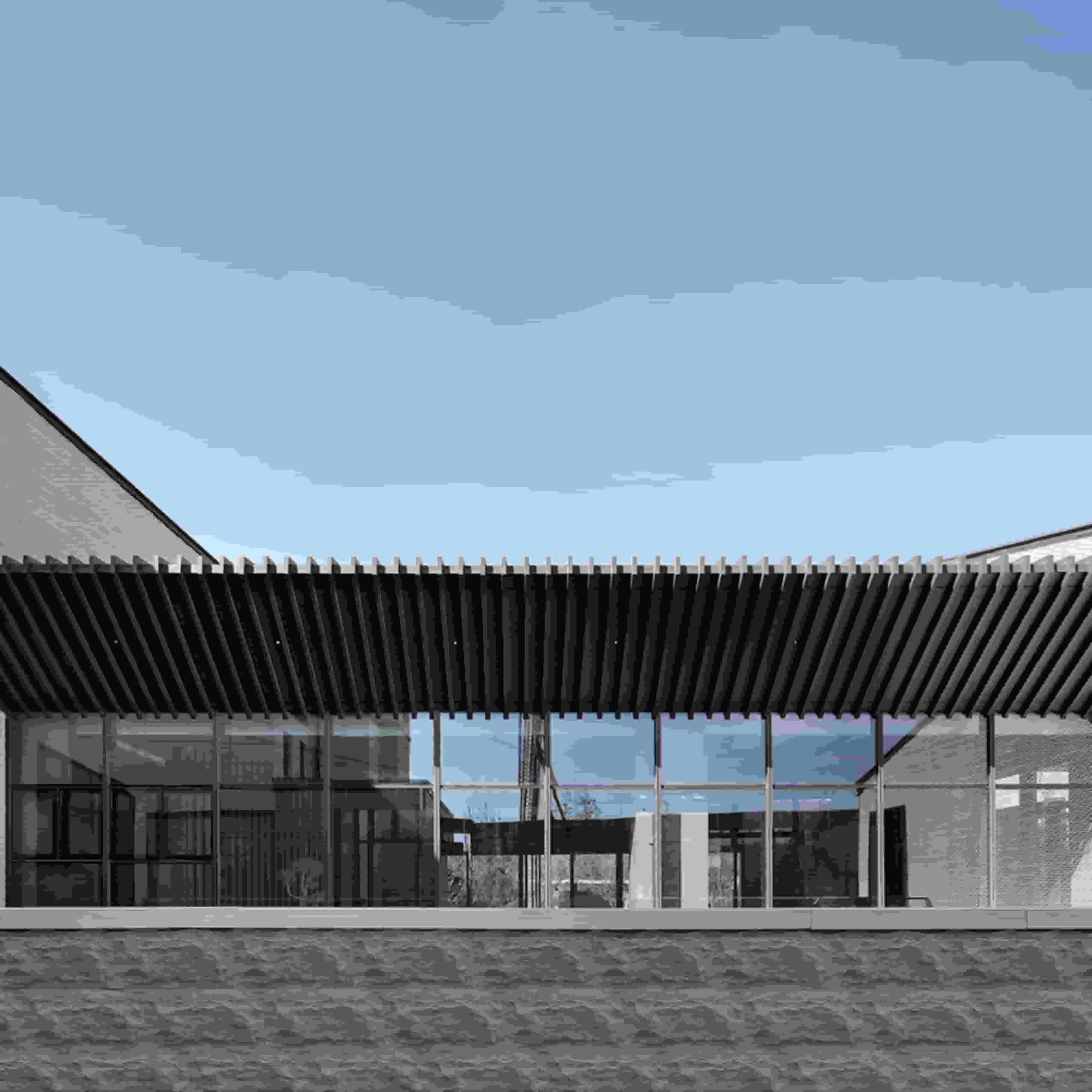
Crossare Mushroom Stone043 isn't a solo act. It plays well with other materials that balance historic charm and modern performance. Take fair-faced concrete , for example—a raw, unpolished concrete that adds an industrial edge without clashing with the stone's organic texture. In the Provence manor, the team used fair-faced concrete for the hotel's new entrance canopy, creating a striking contrast that feels both timeless and contemporary.
Then there's historical pathfinders stone , another mcm flexible stone variant designed to mimic the worn, irregular flagstones of ancient walkways. Imagine a courtyard outside the manor, where guests sip wine on a patio paved with Historical Pathfinders Stone—its surface looks like it's been trod by centuries of feet, but it's slip-resistant and easy to clean. Together, Crossare Mushroom Stone043 and Historical Pathfinders Stone create a cohesive narrative: the walls tell of the past, the path invites you into the present.
| Material | Historic Charm | Modern Performance | Best For |
|---|---|---|---|
| Crossare Mushroom Stone043 | Organic, bulbous texture; weathered patina | Lightweight, moisture-resistant, low-maintenance | Exterior facades, gables, chimney surrounds |
| Fair-Faced Concrete | Raw, industrial look; echoes historic concrete structures | High strength, fire-resistant, customizable finishes | Canopies, lintels, interior accent walls |
| Historical Pathfinders Stone | Irregular, worn flagstone texture; mimics ancient walkways | Slip-resistant, stain-resistant, easy to replace panels | Courtyards, pathways, patio flooring |
At the end of the day, historic renovations aren't just about buildings—they're about people. They're about ensuring that the stories embedded in these walls—of artisans who carved stone by hand, of families who gathered by fireplaces, of communities that grew around town squares—aren't lost to time. Crossare Mushroom Stone043 doesn't just preserve buildings; it preserves the ability of those buildings to keep telling stories.
Think about it: a child visiting that Provence manor 50 years from now won't know (or care) that part of the facade is mcm flexible stone. What they'll know is that the building feels old, and grand, and full of history. They'll run their hand along the stone and imagine knights and nobles and winemakers. And that's the magic—innovation that fades into the background, letting the story take center stage.
So, to all the architects, preservationists, and dreamers out there: the next time you're staring at a crumbling historic wall, remember—you don't have to choose between the past and the future. With materials like Crossare Mushroom Stone043, you can have both. You can honor the hands that built, while equipping the building to stand tall for the hands that are yet to come.
Recommend Products












