
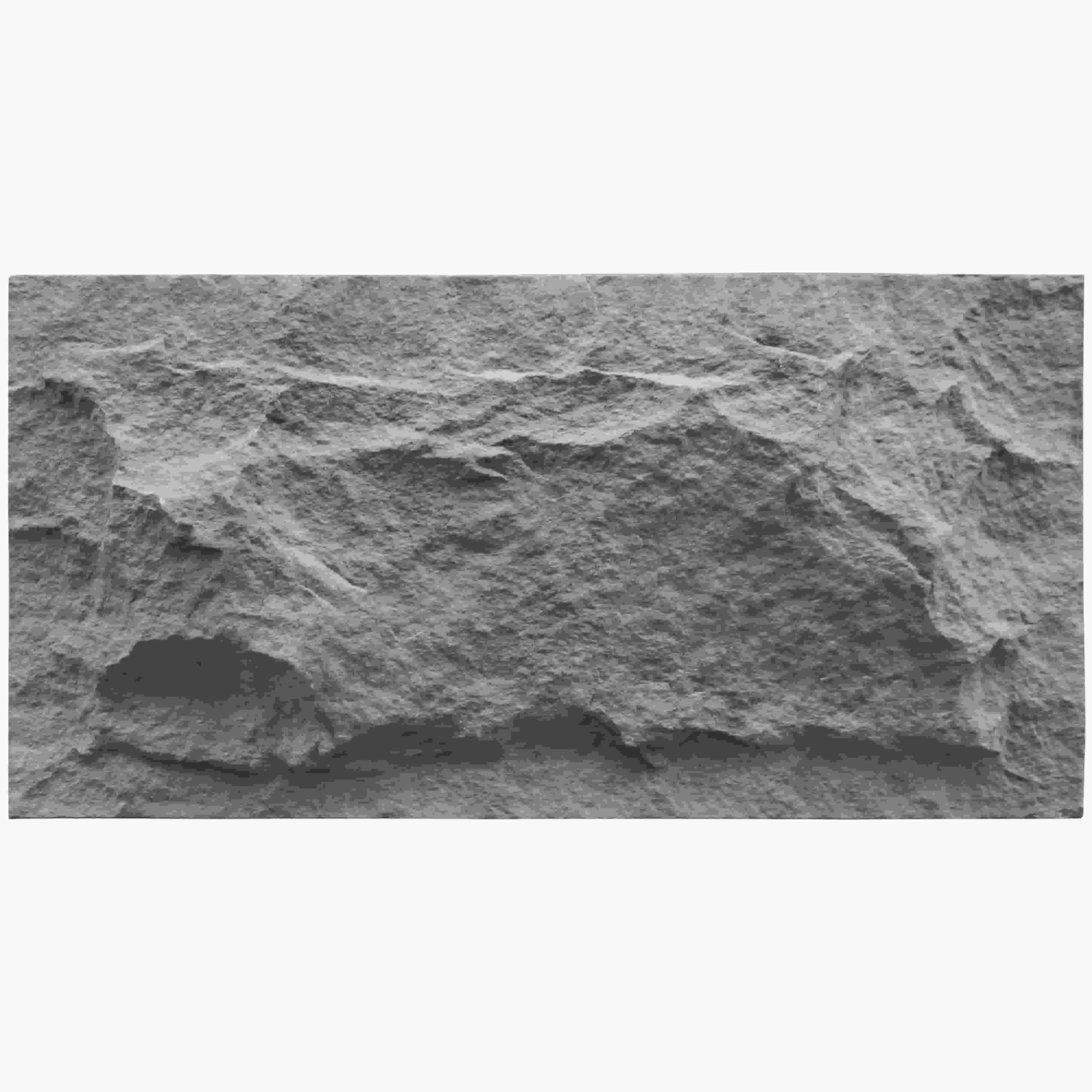
Walk into any modern healthcare facility, and you'll quickly realize that the days of sterile, cold, and impersonal spaces are fading fast. Today's hospitals, clinics, and medical centers are designed with a new priority: balancing the strict demands of hygiene with the need to create environments that feel welcoming, calming, and even healing. After all, a patient's mental state can influence their recovery, and a stressed family member in a waiting room deserves more than harsh lighting and unforgiving surfaces. This is where materials like Crossare Mushroom Stone043 step in—offering a rare blend of practicality and warmth that's reshaping healthcare design.
In this article, we'll dive into why Crossare Mushroom Stone043 has become a standout choice for healthcare settings, exploring how it addresses the critical need for hygiene while elevating the aesthetic quality of spaces that matter most. We'll also touch on how it compares to other materials, from traditional options to newer innovations like MCM flexible stone and fair-faced concrete, and why these choices matter in places where health and well-being are the top priorities.
Healthcare design is a balancing act. On one hand, every surface must be able to withstand rigorous cleaning protocols—think daily wipe-downs with industrial disinfectants, frequent spills, and constant foot traffic. On the other hand, these same surfaces can't feel like they belong in a laboratory; they need to soften the clinical edge, reduce anxiety, and even promote a sense of comfort. Research has shown that patients in spaces with natural elements or warm textures report lower stress levels, which can lead to shorter hospital stays and better outcomes. But how do you achieve that warmth without compromising on safety?
This is the challenge that architects, designers, and facility managers face daily. Materials that are easy to clean often lack personality—think glossy plastic or cold metal—while materials that add warmth, like wood or some natural stones, can be porous, making them breeding grounds for bacteria. Crossare Mushroom Stone043 was developed with this very conflict in mind: to be a material that doesn't force healthcare spaces to choose between "safe" and "soothing."
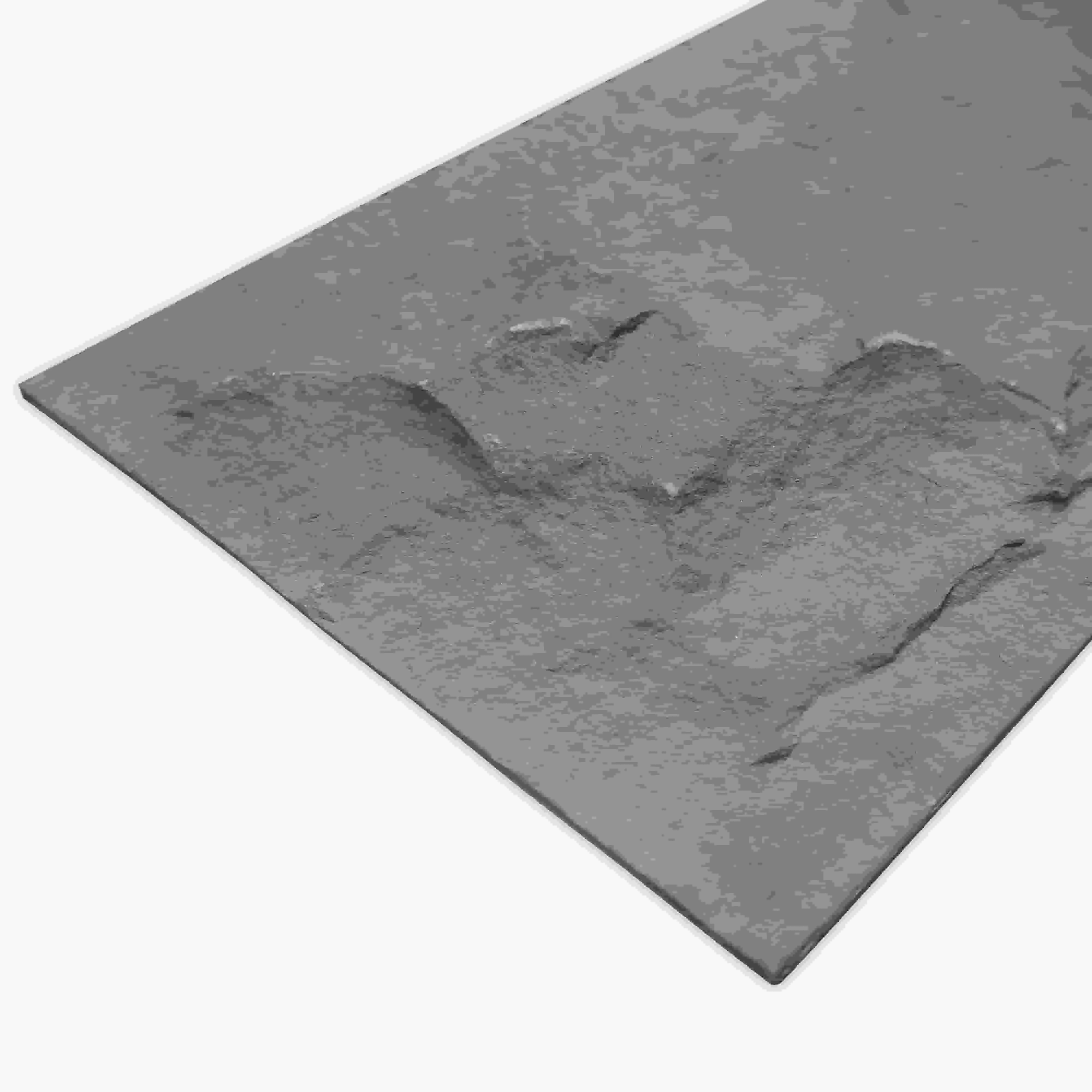
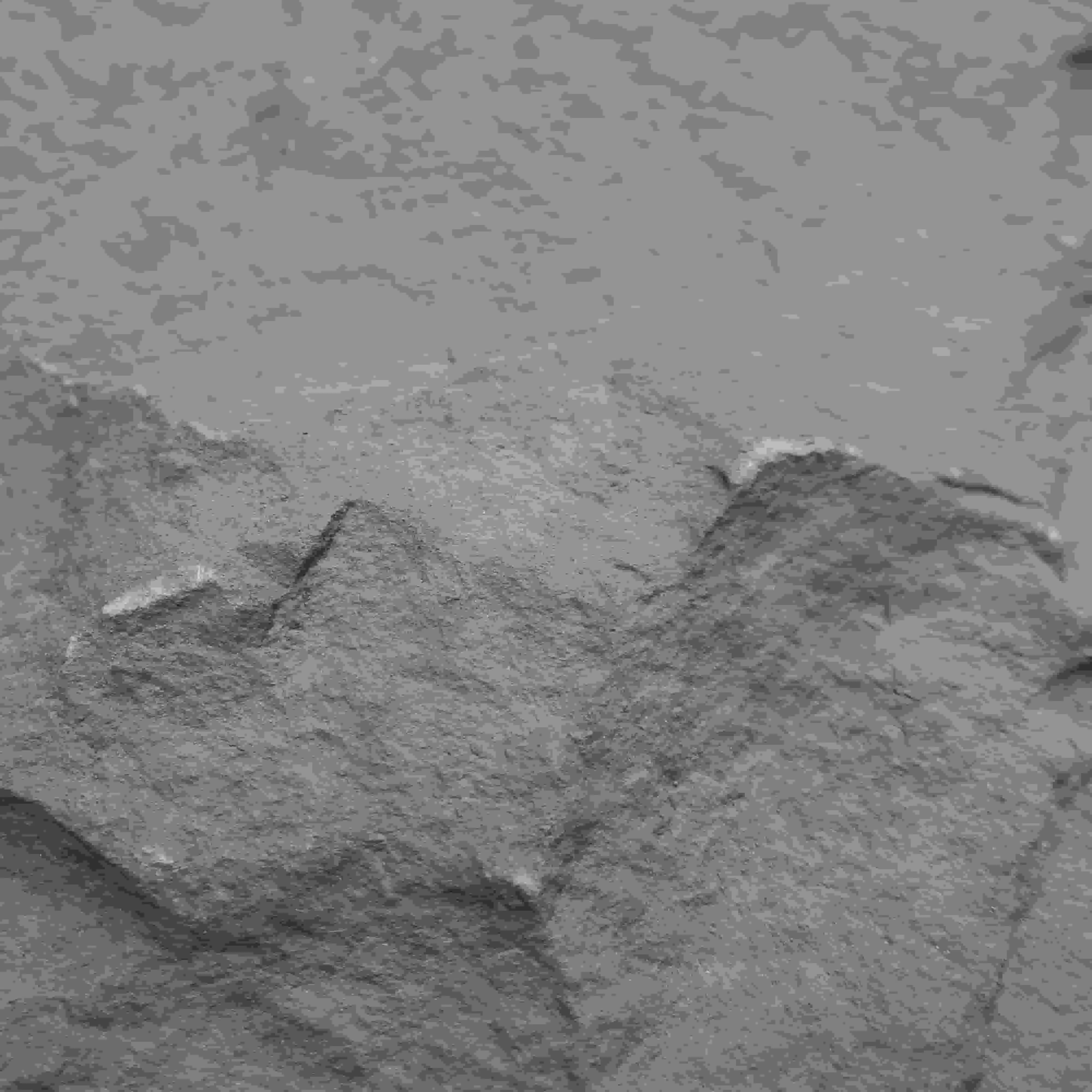
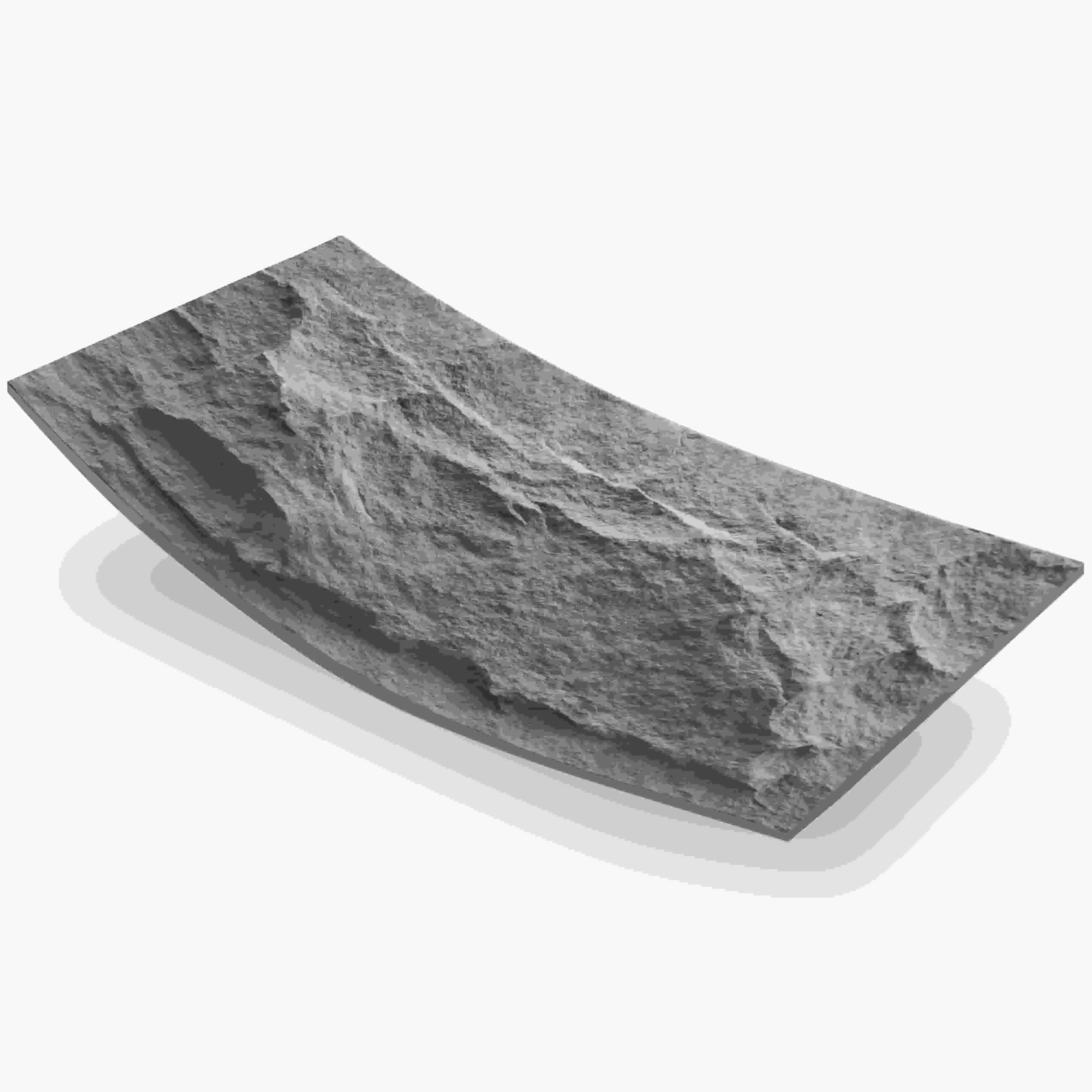
First things first: what exactly is Crossare Mushroom Stone043? At its core, it's a modified composite material, part of the broader family of MCM (Modified Composite Material) products, which are known for their durability, flexibility, and ability to mimic natural textures. But Crossare Mushroom Stone043 takes this a step further, with a unique surface texture that resembles the soft, irregular patterns of mushroom caps—hence the name. Unlike rough-hewn natural stones, its texture is subtle, with gentle undulations that catch light without creating crevices where dirt or microbes can hide.
What truly sets it apart, though, is its composition. Made from a blend of natural minerals and high-performance polymers, the stone is non-porous, meaning liquids and bacteria can't seep into its surface. It's also resistant to scratches, stains, and the harsh chemicals used in healthcare cleaning routines—think hydrogen peroxide, quaternary ammonium compounds, and alcohol-based disinfectants. This combination of features makes it a powerhouse for environments where cleanliness is non-negotiable.
In healthcare, the stakes for hygiene couldn't be higher. According to the World Health Organization, healthcare-associated infections (HAIs) affect millions of patients worldwide each year, often leading to longer hospital stays, increased costs, and, in severe cases, preventable deaths. A significant contributor to HAIs? Contaminated surfaces. Pathogens like Staphylococcus aureus , E. coli , and norovirus can survive on surfaces for days, waiting to be picked up by unsuspecting hands.
This is why material selection is so critical. Porous materials—like traditional travertine (beige) or unsealed concrete—have tiny pores that trap moisture, organic matter, and bacteria. Even with regular cleaning, these pores can become reservoirs for pathogens, making them risky choices for high-touch areas. Crossare Mushroom Stone043, by contrast, has a dense, non-porous surface that leaves nowhere for bacteria to hide. When wiped down with a disinfectant, the surface can be sanitized quickly and effectively, reducing the risk of cross-contamination.
Another hygiene win? Its smooth, consistent texture. Unlike materials with deep grooves or uneven edges—such as some rough-cut granites or even certain types of MCM flexible stone—Crossare Mushroom Stone043's surface is easy to wipe clean without missing spots. Cleaning staff don't have to spend extra time scrubbing into crevices, which not only saves time but also ensures that every inch of the surface is properly disinfected. In busy healthcare settings, where time is always in short supply, this efficiency is a game-changer.
Now, let's talk about the other side of the coin: aesthetics. Healthcare spaces shouldn't feel like sterile laboratories. They should feel human. Think about a child entering a pediatric clinic, scared of a shot, or an elderly patient recovering from surgery, spending hours in a hospital room. The right colors and textures can ease tension, reduce anxiety, and even promote a sense of calm. Crossare Mushroom Stone043 excels here, too.
Its mushroom-inspired texture adds visual interest without being overwhelming. The soft, organic patterns break up the monotony of flat, lifeless walls, creating a sense of movement and warmth. The stone is available in a range of neutral tones—think soft grays, warm beiges, and muted whites—that align with evidence-based design principles. These colors are known to have a calming effect, which is why they're often recommended for healthcare settings. Unlike stark white surfaces, which can feel harsh and clinical, Crossare Mushroom Stone043's tones feel grounded and natural, like bringing a touch of the outdoors inside.
What's particularly nice is how it pairs with other materials. In a waiting room, for example, it might be used on accent walls alongside warm wood tones or soft textiles, creating a space that feels more like a cozy café than a clinic. In a patient room, it could line the lower half of the walls (a high-touch area) while the upper half is painted a soft blue, balancing hygiene with a sense of openness. The key is that it doesn't scream "medical material"—it blends in, enhancing the overall design rather than detracting from it.
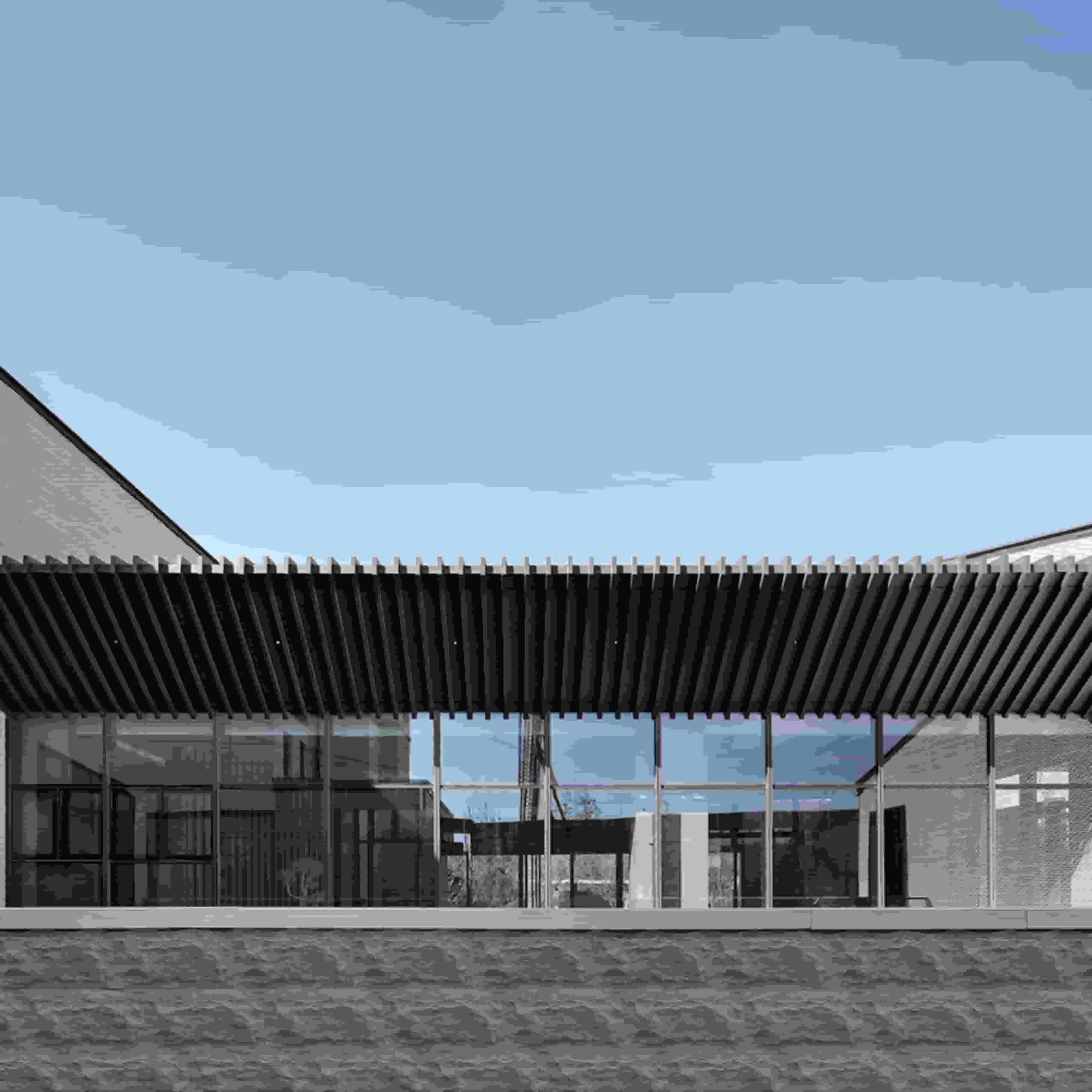
To truly appreciate Crossare Mushroom Stone043, it helps to see how it stacks up against other common materials in healthcare design. Let's take a closer look at how it compares to three alternatives: MCM flexible stone (a cousin in the composite material family), fair-faced concrete (a popular industrial-chic option), and traditional travertine (beige) (a classic natural stone).
| Material | Porosity | Cleanability | Durability | Aesthetic Versatility | Best For |
|---|---|---|---|---|---|
| Crossare Mushroom Stone043 | Non-porous | Excellent (smooth surface, no crevices) | High (resistant to scratches, stains, and chemicals) | High (soft organic texture, neutral tones) | High-touch areas (patient rooms, waiting rooms, labs) |
| MCM Flexible Stone | Low to medium (varies by product) | Good (but some textures have small grooves) | Medium to high (flexible but less scratch-resistant) | Very high (wide range of textures/patterns) | Accent walls, low-traffic areas |
| Fair-Faced Concrete | Porous (unless sealed) | Poor to fair (sealed versions better, but can chip) | High (but prone to staining if unsealed) | Low (industrial, cold appearance) | Utility areas, non-clinical spaces |
| Travertine (Beige) | Highly porous | Poor (pores trap bacteria, hard to deep clean) | Medium (prone to etching from acids) | High (warm, natural look) | Decorative areas with low traffic/cleaning needs |
As the table shows, Crossare Mushroom Stone043 strikes a unique balance: it matches or exceeds the durability of fair-faced concrete, offers the aesthetic warmth of travertine (beige) without the porosity, and provides better cleanability than many MCM flexible stone variants. For healthcare facilities, this combination is hard to beat.
Crossare Mushroom Stone043 isn't a one-trick pony. Its versatility makes it suitable for a wide range of healthcare spaces, each with its own set of demands. Let's explore a few key applications:
Patient rooms are high-touch zones, with surfaces like bed rails, nightstands, and wall panels being touched countless times daily. Crossare Mushroom Stone043 is ideal for wall cladding in these areas, as it can withstand frequent cleaning and resists the wear and tear of daily life. Its warm tones also help create a more home-like atmosphere, which can ease patient anxiety. Imagine a patient lying in bed, staring at a wall that feels soft and natural rather than cold and plastic—that small detail can make a big difference in their comfort level.
Waiting rooms are the first impression many patients and families have of a healthcare facility. They need to feel welcoming but also stand up to heavy foot traffic, spills (coffee, juice, maybe even a dropped snack), and constant cleaning. Crossare Mushroom Stone043 works beautifully for flooring or accent walls here. Its texture adds visual interest without being distracting, and its durability means it won't show scuffs or stains from rolling suitcases or wheelchairs. Plus, its neutral color palette pairs well with soft furnishings like plush chairs and plants, creating a space that feels calm and inviting.
In labs and treatment rooms, hygiene is non-negotiable. These spaces see everything from blood draws and medication preparation to minor procedures, and surfaces must be able to handle harsh chemicals and frequent sanitization. Crossare Mushroom Stone043's chemical resistance and non-porous surface make it a safe choice for countertops, backsplashes, and even cabinet fronts. Unlike materials that can degrade over time with exposure to disinfectants—like some laminates—this stone holds up, ensuring long-term performance in critical areas.
High-traffic corridors demand durability above all else. Crossare Mushroom Stone043's scratch-resistant surface can handle the constant flow of stretchers, wheelchairs, and foot traffic without losing its appearance. Its ability to reflect light also helps brighten long, narrow corridors, making them feel more open and less claustrophobic—a small but important detail for patients and staff alike.
Today's healthcare facilities aren't just focused on patient health—they're also prioritizing the health of the planet. Sustainability has become a key consideration in design, with hospitals aiming to reduce their carbon footprints, minimize waste, and create healthier indoor environments. Crossare Mushroom Stone043 aligns with these goals in several ways.
First, it's a low-maintenance material. Unlike natural stones, which often require regular sealing, or wood, which needs refinishing, Crossare Mushroom Stone043 needs little more than routine cleaning to stay looking its best. This reduces the need for harsh sealants or refinishing chemicals, which can off-gas harmful volatile organic compounds (VOCs) into the air. Better indoor air quality means healthier environments for patients with respiratory issues, like asthma or COPD.
Second, its durability translates to longevity. A material that doesn't scratch, stain, or degrade easily won't need to be replaced as often, reducing waste and the environmental impact of manufacturing and installation. Plus, as part of the MCM family, it's often made with recycled materials, further lowering its carbon footprint.
Finally, its natural aesthetic can help reduce the need for artificial lighting. The stone's ability to reflect and diffuse light means spaces can rely more on natural light, cutting down on energy use. In a time when healthcare facilities are under pressure to become more energy-efficient, this is a small but meaningful advantage.
To truly understand the value of Crossare Mushroom Stone043, it helps to hear from those who've used it. Take, for example, the Children's Hospital of Denver, which recently renovated its pediatric oncology wing. The design team wanted a space that felt warm and nurturing for young patients undergoing treatment, while still meeting the strict hygiene standards required for oncology units. They chose Crossare Mushroom Stone043 for the patient room walls and corridor flooring.
Nurses and cleaning staff reported that the stone was "a breeze to clean," with disinfectants wiping away easily and no visible staining from spills (a common issue with the previous vinyl walls). Parents of patients noted that the soft, earthy tones of the stone made the rooms feel "less like a hospital and more like a cozy bedroom," which helped calm anxious children. Even the young patients themselves responded positively—one 7-year-old undergoing chemotherapy was quoted as saying, "The walls look like rocks from outside, but they're smooth and cool. I like touching them."
Another example is the Mercy Medical Clinic in Portland, Oregon, which used Crossare Mushroom Stone043 in its waiting area and exam rooms. The clinic's administrator, Sarah Lopez, noted, "We were tired of using materials that either looked cheap or were impossible to keep clean. This stone checks both boxes. Our patients comment on how 'nice' the clinic looks, and our cleaning crew says it's cut their cleaning time in half for those areas. It's been a win-win."
Healthcare design is evolving, and materials like Crossare Mushroom Stone043 are leading the charge. By prioritizing both hygiene and aesthetics, this innovative stone proves that healthcare spaces don't have to choose between safety and warmth. Its non-porous surface, durability, and natural beauty make it a standout choice for high-touch, high-stakes environments, where every detail matters for patient health and well-being.
As we look to the future of healthcare design, the focus will only grow on creating spaces that heal—not just physically, but emotionally. Crossare Mushroom Stone043 is more than just a building material; it's a tool for creating environments that feel human. And in a world where healthcare can be intimidating, that humanity might just be the most healing feature of all.
Recommend Products












