
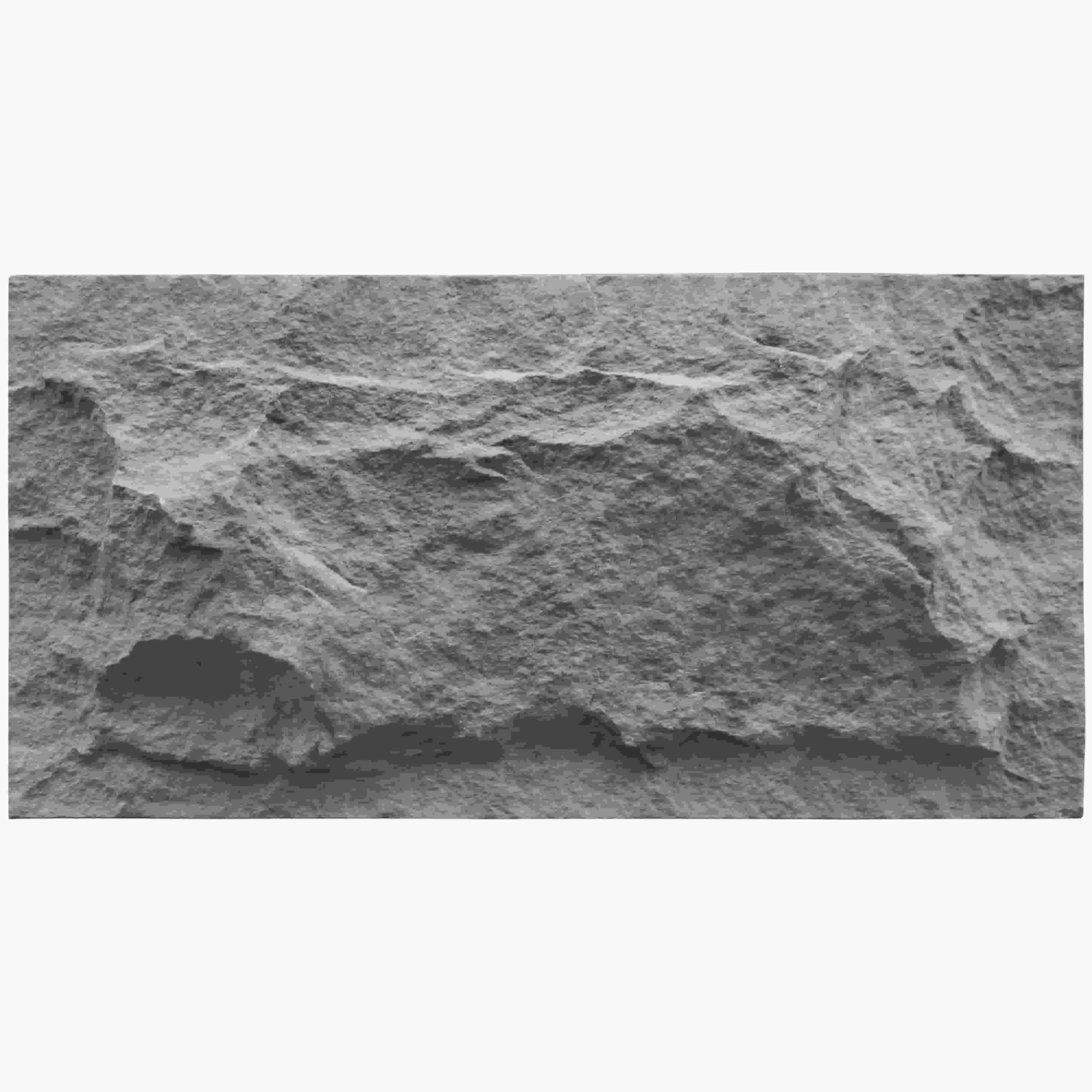
First, let's get to know the star of the show. Crossare Mushroom Stone043 isn't your average building material. Its name hints at its appearance—think mushroom caps with soft, rounded edges and a surface that feels both rough and inviting, like running your hand over river-worn rock. It's prized for its ability to add depth and warmth to exteriors, whether you're going for a rustic cabin vibe or a contemporary home with earthy roots. But what really sets it apart? Unlike smoother stones like travertine (starry green) or more uniform materials like fair-faced concrete, Crossare Mushroom Stone043 has tiny crevices and pores in its texture. These details are what make it visually interesting, but they're also where dirt, moisture, and grime love to hide.
Chemically, it's a sedimentary stone, meaning it's formed over time from compressed sediments. That gives it natural durability, but it's not invincible. Think of it like a leather jacket: tough, but prone to drying out and cracking if you never condition it. Compare that to something like mcm flexible stone, which is engineered for flexibility and often has a protective layer—Crossare Mushroom Stone043, being more natural, needs a bit more hands-on care to maintain its integrity.
Another key point: Crossare Mushroom Stone043 is porous. Not as porous as, say, travertine (starry orange), but enough that liquids can seep in if left unattended. Spilled birdseed, rainwater pooling in a dip, even pollen from nearby trees—all of these can lead to discoloration or, worse, deterioration over time. So, the goal of maintenance isn't just to "clean" it; it's to protect those pores, reinforce its structure, and preserve that unique texture.
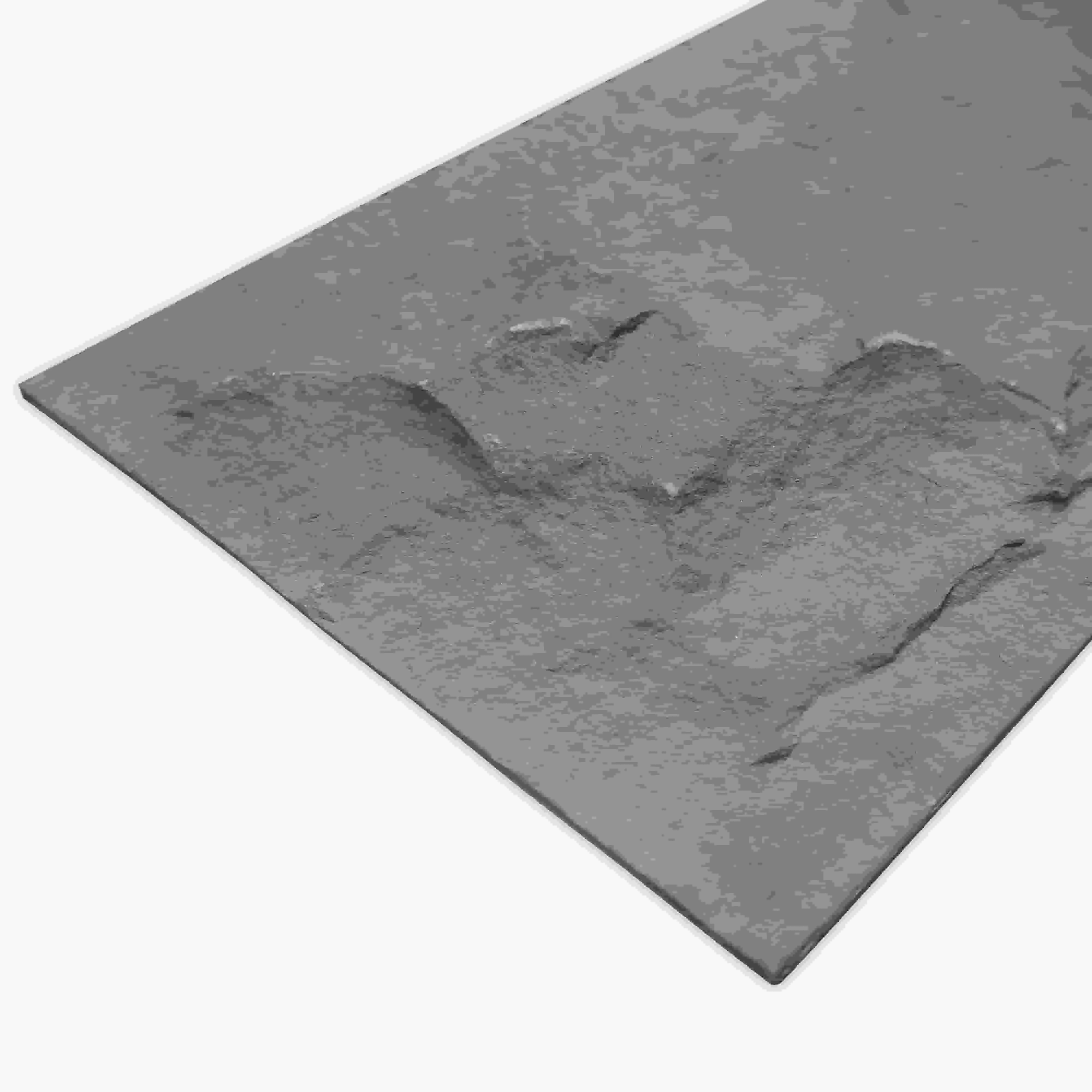
You don't need to spend hours every day tending to your stone exterior, but a few simple habits can prevent major headaches later. Let's break it down:
Dirt, leaves, and debris might seem harmless, but when they sit on Crossare Mushroom Stone043, they trap moisture. Over time, that moisture can lead to mold, mildew, or even erosion in the stone's tiny pores. Grab a soft-bristle broom (stiff bristles can scratch the surface!) and sweep the stone once a week. Focus on areas where debris tends to collect: near downspouts, under trees, or in corners where wind piles up leaves. If you live in a dusty area or near a busy road, bump that up to twice a week—think of it like brushing your teeth: a quick daily sweep takes less time than deep cleaning a month's worth of grime.
Every few weeks, give your stone a rinse with a garden hose. Use a nozzle with a "shower" setting—not a jet stream. High-pressure washers are a big no-no here. The force can blast away the stone's surface layer, especially in those delicate crevices, leaving it looking pitted and worn. Imagine using a power sander on a watercolor painting—you'd ruin the texture. Same idea. If you need to tackle a spot that's extra dirty (like bird droppings or mud splatter), use a soft sponge or microfiber cloth with warm water. Gently scrub the area in a circular motion, then rinse thoroughly.
Here's a golden rule: If it's not safe for natural stone, don't put it on Crossare Mushroom Stone043. That means skipping bleach, ammonia, vinegar, or any cleaner with acidic ingredients (like lemon or vinegar). These can eat away at the stone's surface, causing discoloration or etching. Even some "stone cleaners" are too harsh—look for pH-neutral, biodegradable options instead. A good test? If the cleaner says "for use on marble or travertine," it's probably safe for Crossare Mushroom Stone043 too. When in doubt, spot-test on a small, hidden area first (like behind a downspout) and wait 24 hours to check for discoloration.
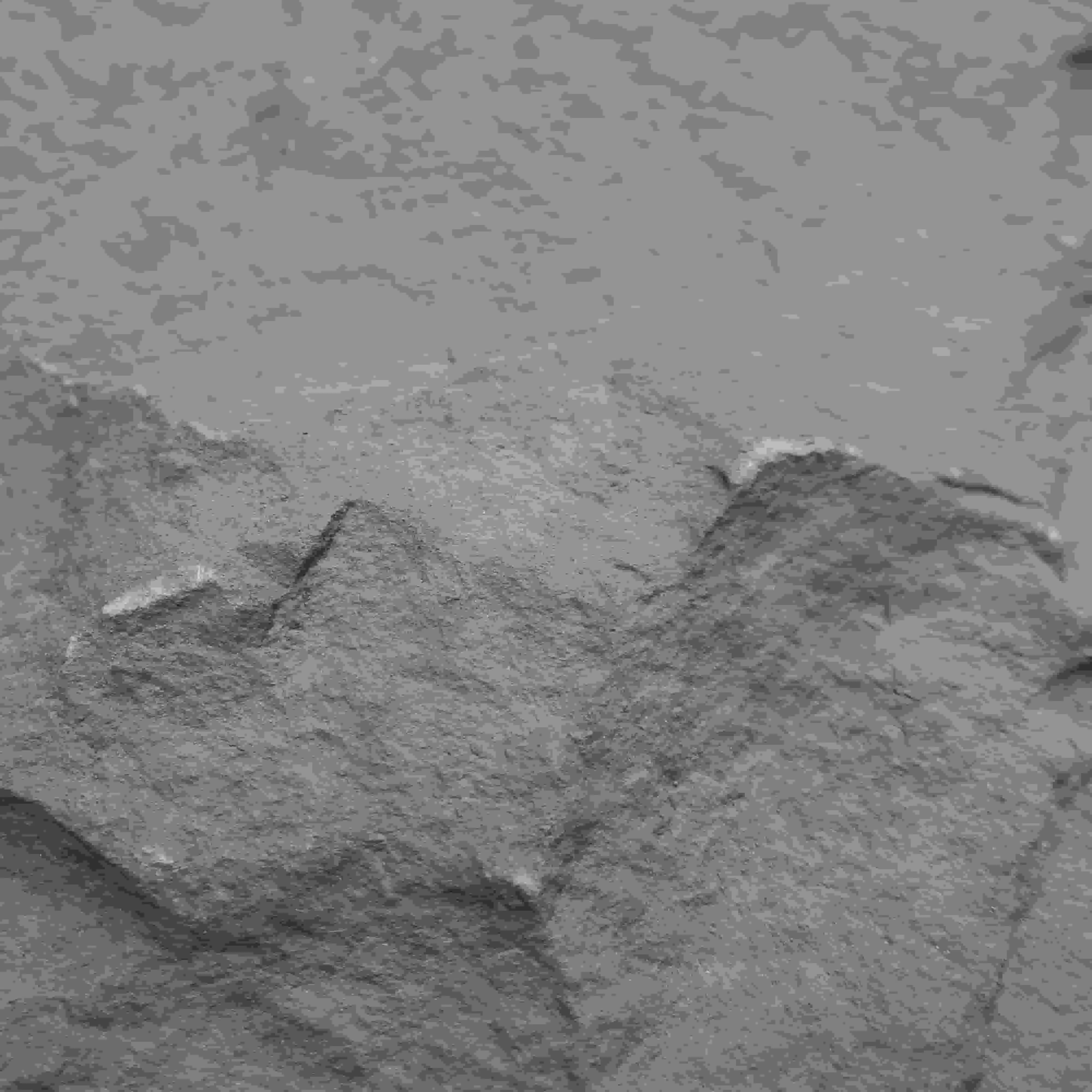
Your stone exterior doesn't exist in a bubble—it's at the mercy of sun, rain, snow, and wind. Each season brings unique challenges, and your maintenance routine should shift accordingly. Let's break it down by time of year:
Spring is lovely, but it's also pollen season—and pollen loves to cling to Crossare Mushroom Stone043's textured surface. Left unchecked, it can turn your stone a yellowish hue that's hard to wash off. Step up your sweeping to 2-3 times a week during peak pollen season, and rinse more frequently (every 10 days instead of every few weeks). Also, spring rains can be acidic, especially in urban areas. Acid rain slowly dissolves stone over time, so after a heavy storm, do a quick rinse to wash away any acidic residue.
Another spring task: Trim back overhanging branches. Not only do they drop leaves and sap on your stone, but they also block sunlight, keeping the surface damp and encouraging mold growth. Aim for at least 2 feet of clearance between trees/shrubs and your exterior—your stone (and your roof!) will thank you.
Intense summer sun can do two things to Crossare Mushroom Stone043: fade its color and dry out its surface. If your stone is a darker shade, it might absorb more heat, leading to expansion and contraction that can cause tiny cracks over time. To combat this, consider applying a UV-protective sealer in late spring (more on sealing later!). Also, if you live in a drought-prone area, occasional rinsing (with a shower setting, of course) can help cool the stone down and prevent it from drying out too much.
Summer is also BBQ and pool season—prime time for spills. Grease from the grill, chlorine from pool splashes, or even red wine from outdoor dinners can all stain stone. Keep that pH-neutral cleaner handy, and if you host a party, do a quick post-event rinse to catch any spills you might have missed.
Fall leaves are beautiful, but they're a stone's worst enemy when they decompose. Wet leaves sitting on Crossare Mushroom Stone043 create a breeding ground for mold and mildew, and their tannins can leave brown stains. Rake or sweep daily if you have deciduous trees nearby, and avoid letting leaves pile up in corners or against the base of the stone.
This is also the time to prep for winter. Check your gutters and downspouts to make sure they're clear—clogged gutters mean water overflows and pools at the base of your stone, which can lead to freeze-thaw damage (more on that next). Also, inspect the stone for any cracks or loose mortar between pieces. If you find small cracks (less than 1/8 inch wide), fill them with a stone-safe patching compound—this prevents water from seeping in and expanding when temperatures drop.
Winter is the harshest season for Crossare Mushroom Stone043, thanks to freeze-thaw cycles. Here's how it works: Water seeps into the stone's pores, freezes overnight, expands, and then thaws during the day. Repeat this enough times, and the stone can crack or spall (flakes of surface stone breaking off). To prevent this, make sure your stone is properly sealed (we'll talk about sealing schedules in a bit). Also, keep the area around your stone clear of snow and ice—shovel paths away from the exterior, and avoid letting snow pile up against the base.
And whatever you do, skip the salt-based ice melt! Sodium chloride (rock salt) is corrosive to stone, and it can leave white, crusty stains that are tough to remove. Instead, use calcium magnesium acetate (CMA) or sand for traction—it's gentler on stone and safer for pets and plants.
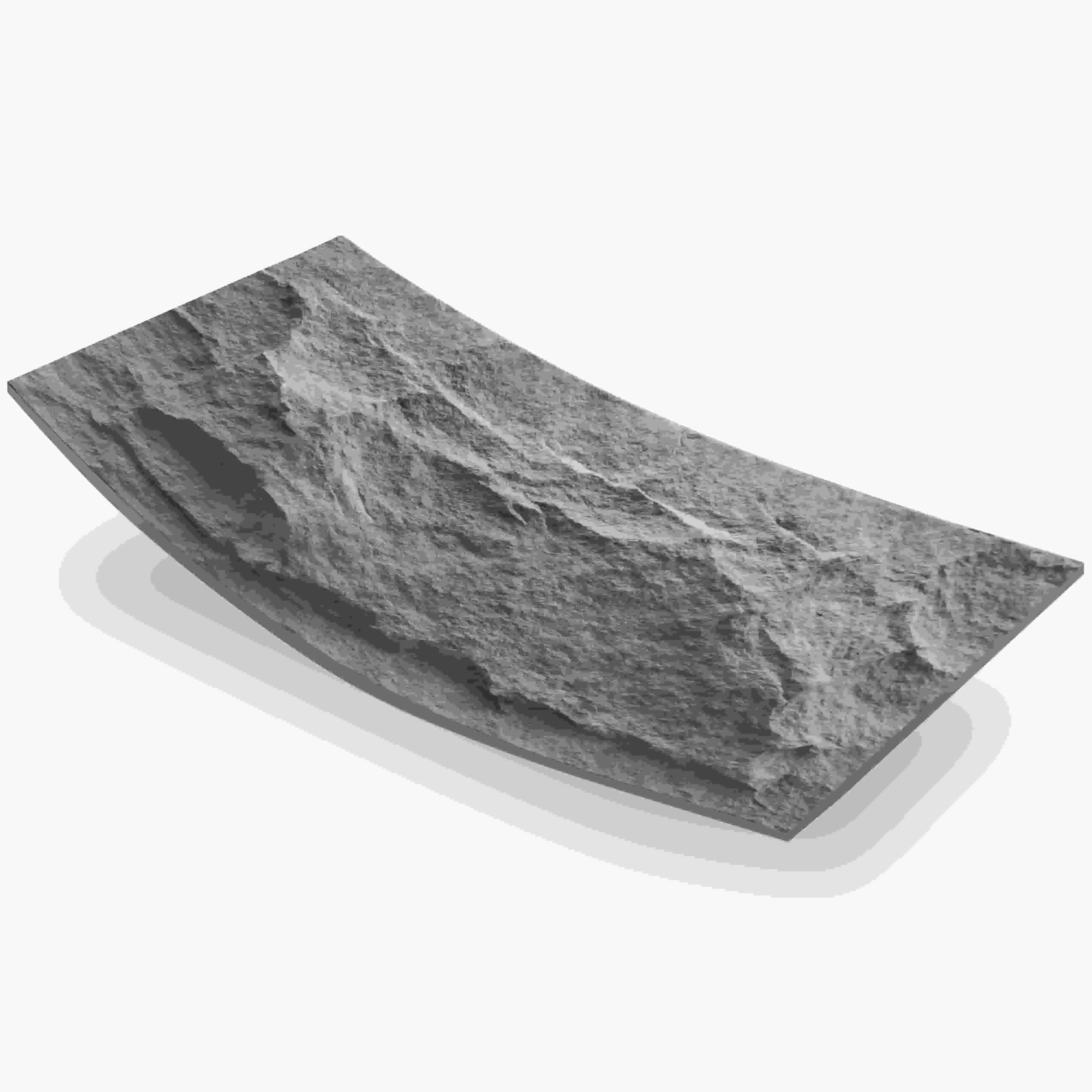
Even with the best care, problems can pop up. The key is to spot them early and address them fast. Here are the most common issues with Crossare Mushroom Stone043 and how to tackle them:
Stains are the most frequent complaint, and they come in all flavors: oil-based (grease, sap), organic (leaves, berries), or metallic (rust from a rusty gutter, hard water deposits). Here's how to treat each:
Small cracks (less than 1/4 inch wide) can often be fixed with a stone patching compound. Look for one that matches the color of your Crossare Mushroom Stone043 (most home improvement stores carry tintable options). Clean the crack with a soft brush to remove debris, dampen the area with water, then apply the compound with a putty knife, smoothing it to match the stone's texture. Let it cure for 24-48 hours, then seal over it. For larger cracks or chunks that have fallen off, call a professional stonemason—DIY repairs here can do more harm than good.
Fading is usually caused by UV rays, while darkening often comes from excess moisture (like a leaky gutter keeping part of the stone damp). For fading, a UV-protective sealer can slow the process, but it won't reverse existing damage. For darkening, fix the source of the moisture first (unclog the gutter, redirect downspouts), then let the stone dry completely (this might take a few weeks in humid weather). If the dark spots remain, try a mild bleach solution (1 part bleach to 10 parts water) on the area—test first!—and rinse thoroughly.

Maintenance isn't just about reacting to problems—it's about preventing them in the first place. Here are the proactive steps that will keep your Crossare Mushroom Stone043 looking fresh for decades:
Sealing is the single most important thing you can do for your stone. A good sealer fills in the pores, blocking moisture, dirt, and stains from penetrating. For Crossare Mushroom Stone043, use a penetrating sealer (not a topical one, which can make the stone look glossy and hide its natural texture). How often should you seal? Every 2-3 years for exteriors in moderate climates; every 1-2 years if you live in an area with harsh weather (heavy rain, snow, or high humidity).
Sealing is a DIY-friendly project, but it takes patience. Here's how to do it:
Make it a habit to walk around your home every 3 months and inspect the stone. Look for:
Catching issues early—like a small crack before it turns into a big one—saves you time, money, and stress down the line.
| Material | Cleaning Frequency | Recommended Cleaners | Seasonal Concerns | Average Lifespan with Care |
|---|---|---|---|---|
| Crossare Mushroom Stone043 | Sweep weekly; rinse biweekly | pH-neutral stone cleaner, baking soda (for stains) | Freeze-thaw (winter), pollen (spring), UV rays (summer) | 30-50 years |
| Travertine (Starry Green) | Sweep 2x weekly; rinse weekly | Non-acidic travertine cleaner | High porosity (stains easily), acid rain | 25-40 years |
| Fair-Faced Concrete | Sweep monthly; rinse quarterly | Mild detergent and water | Cracking from freeze-thaw, efflorescence (white deposits) | 20-30 years |
| Rust Board Granite | Sweep biweekly; rinse monthly | pH-neutral cleaner, avoid acidic products | Staining from oil, heat damage (if near grills) | 40-60 years |
Crossare Mushroom Stone043 is more than just a building material—it's an investment in your home's beauty and value. With its unique texture and natural charm, it can transform an ordinary exterior into something extraordinary. But like any investment, it needs care to grow (or, in this case, last). By sticking to a daily cleaning routine, adapting to seasonal changes, addressing issues early, and sealing regularly, you're not just maintaining stone—you're preserving a legacy. Imagine your kids (or grandkids) walking up to that house someday and saying, "Wow, this stone still looks amazing!" That's the power of a little maintenance.
So, grab your broom, schedule that sealing, and start treating your Crossare Mushroom Stone043 like the treasure it is. With these tips, it won't just last—it'll thrive.
Recommend Products












