
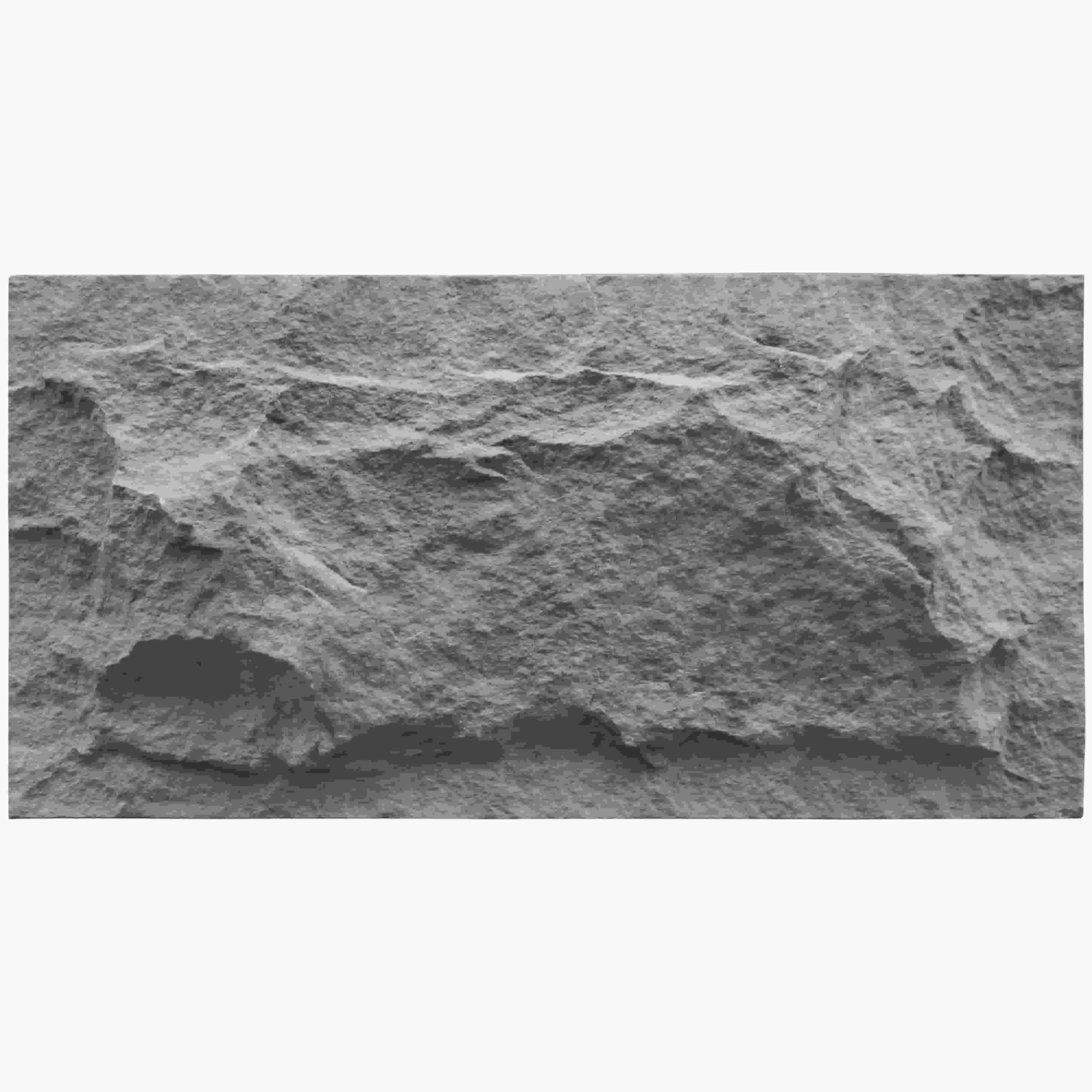
Riyadh, a city where ancient traditions meet futuristic ambition, is no stranger to reinvention. Its skyline, dotted with gleaming skyscrapers and historic landmarks, tells a story of growth—but even the most iconic structures need a refresh to keep pace with the city's dynamic energy. In 2024, one such landmark—a 30-story commercial tower in the heart of Riyadh's business district—embarked on a journey to reclaim its status as a design trailblazer. Built in the early 2000s, the tower had grown tired: its facade, once modern, now felt dated; its interiors lacked the warmth and functionality today's businesses crave. The client, a leading Saudi real estate developer, had a clear vision: transform the tower into a space that honored Riyadh's heritage while embracing cutting-edge materials and sustainable design. What followed was a six-month renovation that would not only redefine the building's aesthetic but also set a new standard for high-rise material innovation in the region. At the center of this transformation? A material that would become the project's soul: Crossare Mushroom Stone043.
The tower, known locally as "Al Safa Tower," had served as a hub for tech startups and financial firms for over two decades. By 2023, however, tenant retention was slipping, and foot traffic in its ground-floor retail spaces had dwindled. The client's brief was unambiguous: "Make it stand out again. Make it feel timeless, yet forward-thinking." The project team—led by award-winning architect Lina Hassan and construction firm Al Rajhi Builders—was tasked with three core goals: modernize the facade to reflect Riyadh's contemporary design language, enhance energy efficiency to align with Saudi Arabia's Vision 2030 sustainability targets, and create interior spaces that fostered collaboration and creativity.
Work began in January 2024, with a tight six-month timeline to minimize disruption to existing tenants (who occupied 60% of the building during renovation). The scope included a full facade overhaul, lobby redesign, elevator modernization, and the addition of a rooftop terrace. From the start, the team knew the facade would be the project's centerpiece—and choosing the right materials would make or break the vision.
Traditional cladding materials like natural stone or brick were quickly ruled out. "We needed something lightweight to reduce structural load on the aging building," Hassan explained in an early design meeting. "But it also had to have depth—something that caught the light at different times of day and felt tactile, not flat." The team spent weeks researching alternatives, testing samples of everything from fiber cement to metal panels, before stumbling on a relatively new player in the market: MCM flexible stone.
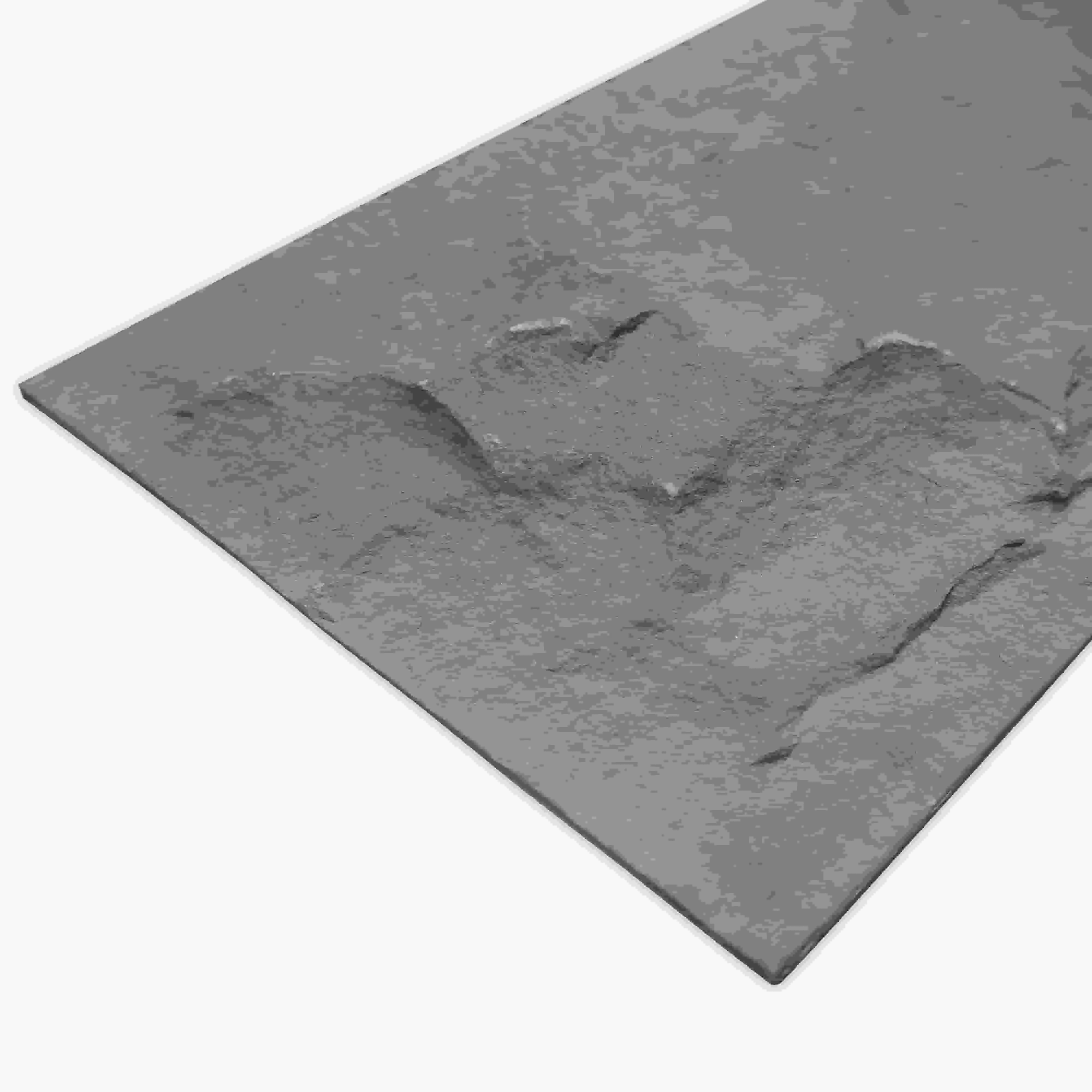
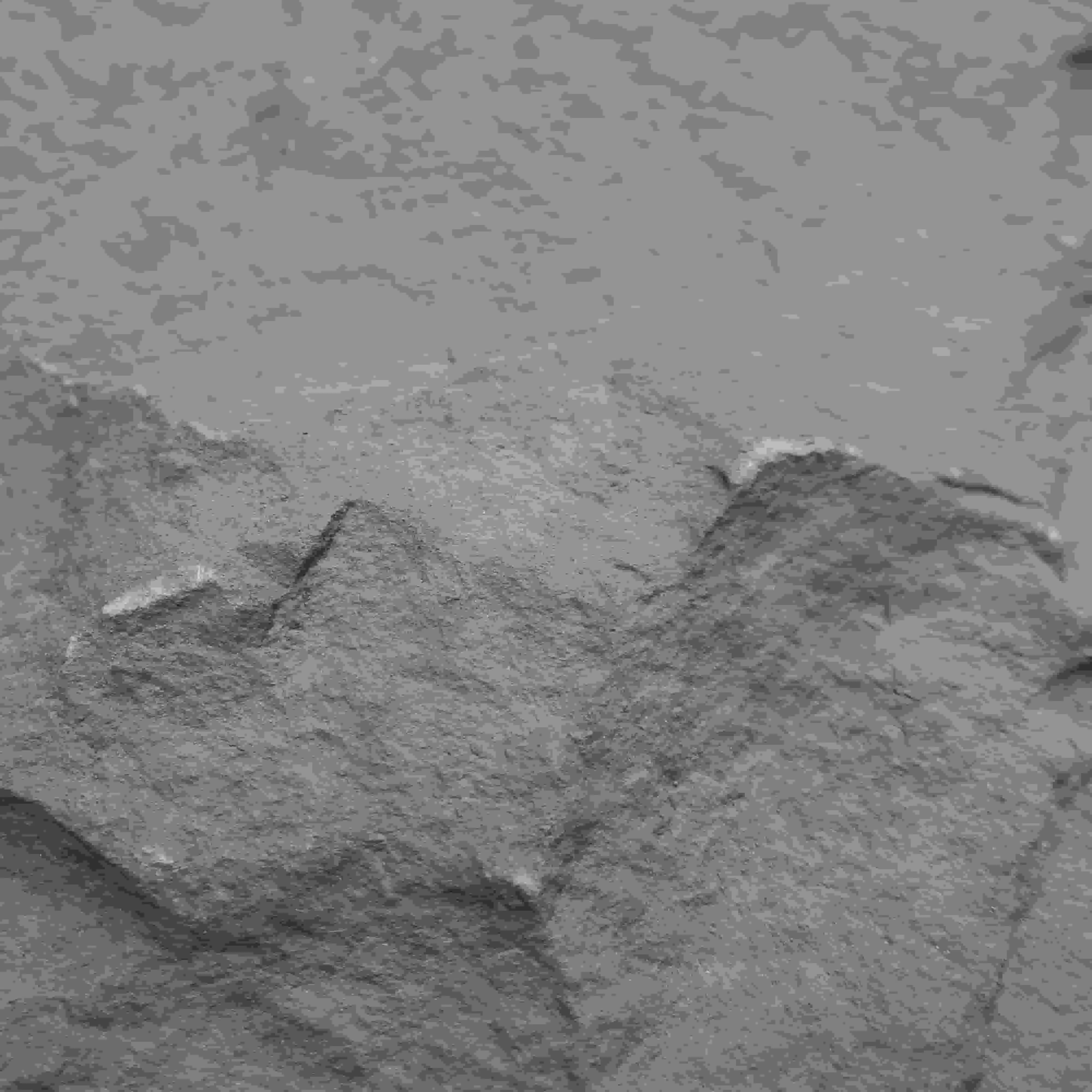
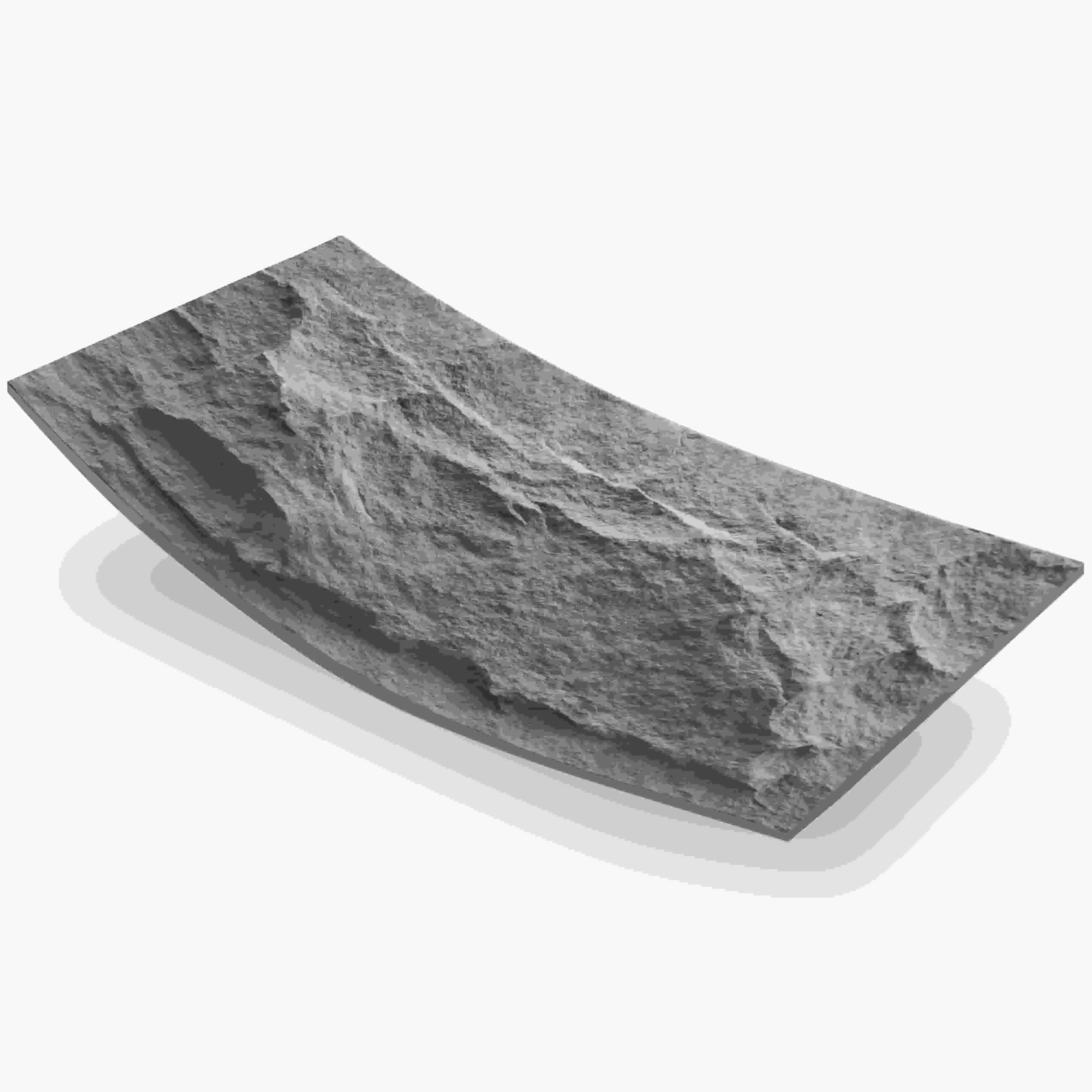
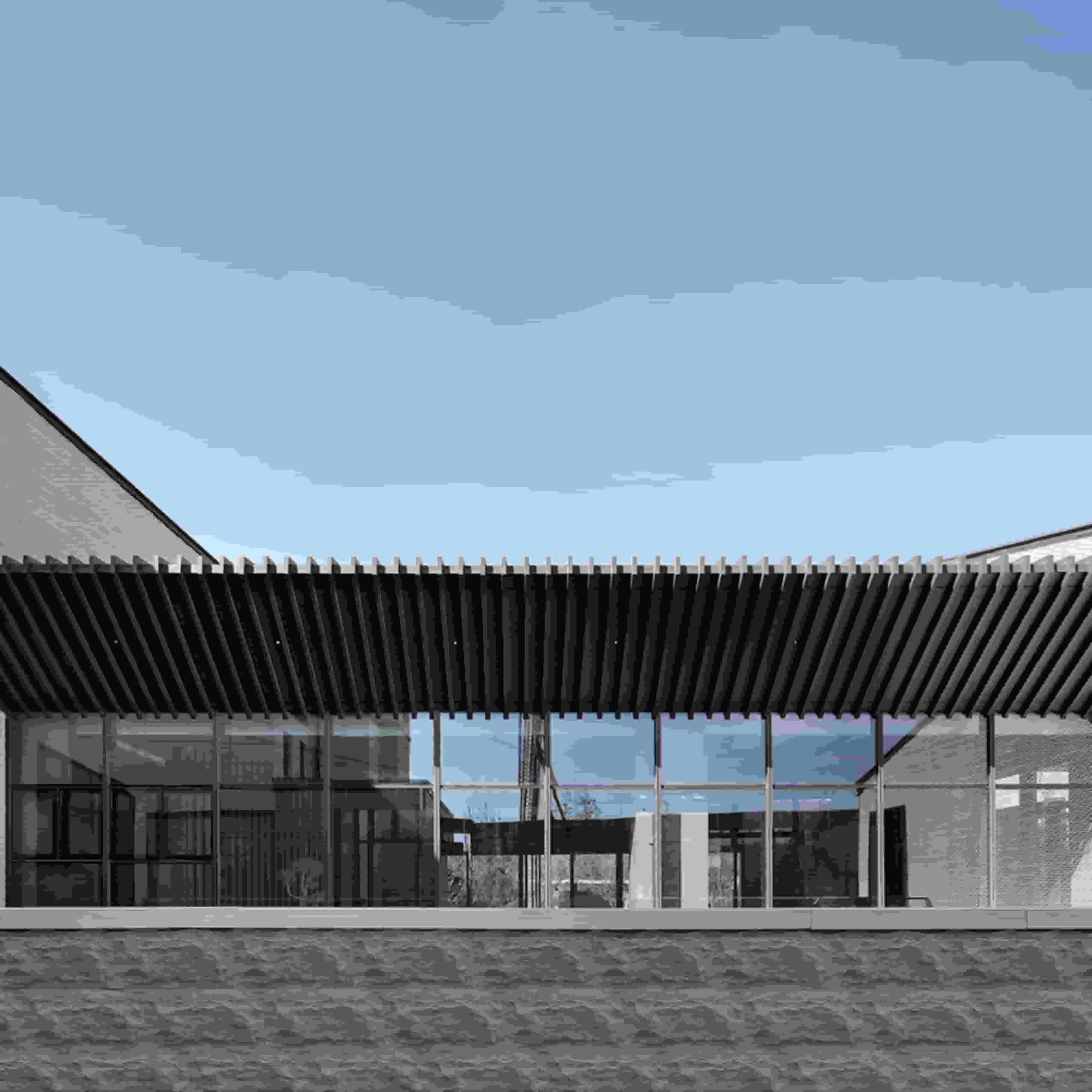
MCM (Modified Composite Material) flexible stone had been gaining traction in Europe and Asia for its durability, flexibility, and eco-friendly credentials. Unlike natural stone, which can weigh 20-30 kg per square meter, MCM panels tip the scales at just 4-6 kg/m², making them ideal for high-rises. But what truly sold the team was a specific variant: Crossare Mushroom Stone043. "The first time we saw the sample, we knew," Hassan recalls. "It had this rough, organic texture—like mushroom caps weathered by time—with warm, earthy tones that echoed Riyadh's desert landscape. It wasn't just a material; it was a story."
Crossare Mushroom Stone043's appeal wasn't just aesthetic. Its composition—layers of natural stone powder bonded with a polymer resin—made it resistant to Riyadh's harsh climate: scorching summers (temperatures often exceed 45°C), sandstorms, and occasional heavy rains. "We tested it in our lab for three months," says project engineer Omar Khalid. "UV resistance, water absorption, impact strength— it outperformed every other material we evaluated. And because it's flexible, we could apply it to the tower's curved east-facing wall without cracking. That was a game-changer."
Crossare Mushroom Stone043 would take center stage, but the team wanted to balance its organic texture with contrasting elements to create visual interest. "Too much of one material can feel monotonous," Hassan noted. "We needed accents that would highlight the stone's warmth while adding modern edge." Three complementary materials emerged as key players:
Travertine (Starry Green): Used sparingly on the tower's lower three floors, this variant of travertine features subtle green undertones and a "starry" pattern of tiny, iridescent flecks. "It's a nod to Riyadh's oases," Hassan explains. "A pop of color that grounds the building in the region's natural beauty without overwhelming the mushroom stone."
Lunar Peak Silvery: For the tower's sleek, vertical accents (balconies, window frames, and the rooftop terrace parapet), the team opted for Lunar Peak Silvery— a metallic-hued MCM panel with a cool, silvery sheen. "It's like moonlight hitting the desert," Khalid says. "It contrasts beautifully with the warm mushroom stone, adding a touch of modernity."
Fair-faced Concrete: The lobby's interior walls and the elevator cores were clad in fair-faced concrete, chosen for its raw, industrial vibe. "We wanted the lobby to feel grounded," Hassan adds. "The concrete's neutrality lets the Crossare stone—used here in smaller, 30x60 cm tiles—be the star, while adding a sense of solidity."
| Material | Thickness (mm) | Weight (kg/m²) | Durability (Expected Lifespan) | Application Area |
|---|---|---|---|---|
| Crossare Mushroom Stone043 | 4.5 | 5.2 | 25+ years | Main facade (floors 4-30) |
| Travertine (Starry Green) | 6.0 | 7.8 | 20+ years | Lower facade (floors 1-3), retail storefronts |
| Lunar Peak Silvery | 3.0 | 4.1 | 30+ years | Balconies, window frames, rooftop parapet |
| Fair-faced Concrete | 15.0 | 22.0 | 50+ years | Lobby walls, elevator cores |
Installing Crossare Mushroom Stone043 and its complementary materials wasn't without hurdles. Riyadh's climate posed the first challenge: summer temperatures often made working on the facade unsafe during daylight hours, so the team shifted to a night schedule for exterior work. "We'd start at 7 PM and work until 3 AM," Khalid recalls. "It was tough, but it kept the crew safe and the project on track."
The tower's curved east wall presented another obstacle. Traditional rigid cladding would have required custom cutting for every panel, increasing waste and labor costs. But MCM flexible stone's flexibility— it can bend up to 30 degrees without cracking—simplified the process. "We could pre-cut the panels in the workshop and then bend them on-site to fit the curve," Khalid explains. "It saved us weeks of work and reduced material waste by 15%."
Sustainability was another priority. The team sourced all MCM panels from a local manufacturer in Jeddah, cutting down on carbon emissions from transportation. Additionally, the old facade materials (mostly concrete and metal) were recycled, with 85% repurposed for road construction in Riyadh's suburbs. "We didn't just want to talk about sustainability—we wanted to live it," Hassan says.
When the renovation wrapped in June 2024, the transformation was striking. Al Safa Tower, once a forgettable presence in Riyadh's skyline, now commands attention. The Crossare Mushroom Stone043 facade shimmers at dawn, its earthy tones warming up as the sun rises, and takes on a golden hue at sunset. The Starry Green travertine at the base adds depth, while the Lunar Peak Silvery accents catch the light, creating a dynamic interplay of textures.
Inside, the lobby feels both grand and intimate. Fair-faced concrete walls provide a neutral backdrop for Crossare Mushroom Stone043 tiles, which line the reception desk and elevator banks. "Tenants are raving about it," says property manager Amira Al-Mansoori. "We've already signed three new leases since the renovation finished, and existing tenants are renewing with longer terms. The rooftop terrace, with its Lunar Peak Silvery railings and views of the city, has become a spot for team retreats."
Energy efficiency has also improved. The MCM panels' insulating properties have reduced the building's cooling costs by 22%, a significant win in a city where air conditioning accounts for 60% of commercial building energy use. "We're on track to get LEED Silver certification by the end of the year," Khalid notes proudly.
The project has not only revitalized Al Safa Tower but also sparked conversations about material innovation in Riyadh's architectural community. "We've had architects from across the city reaching out to ask about Crossare Mushroom Stone043 and MCM flexible stone," Hassan says. "It's proving that you don't have to sacrifice aesthetics for functionality—or sustainability."
Local media has taken notice, too. Riyadh Design Magazine featured the tower in its August 2024 issue, calling it "a masterclass in balancing heritage and modernity." Social media buzz has been equally positive, with tenants and visitors sharing photos of the facade, often commenting on its "organic," "inviting" feel.
Al Safa Tower's renovation is more than just a success story for one building—it's a testament to how materials like Crossare Mushroom Stone043 and MCM flexible stone are reshaping urban architecture. In a city that's constantly evolving, the project proves that the right materials can turn an aging structure into a landmark, blending durability, sustainability, and beauty in equal measure.
As Hassan puts it: "Architecture is about more than just walls and windows. It's about creating spaces that tell a story—of a place, its people, and its values. With Crossare Mushroom Stone043, we told Riyadh's story: rooted in tradition, reaching for the future."
Recommend Products












