
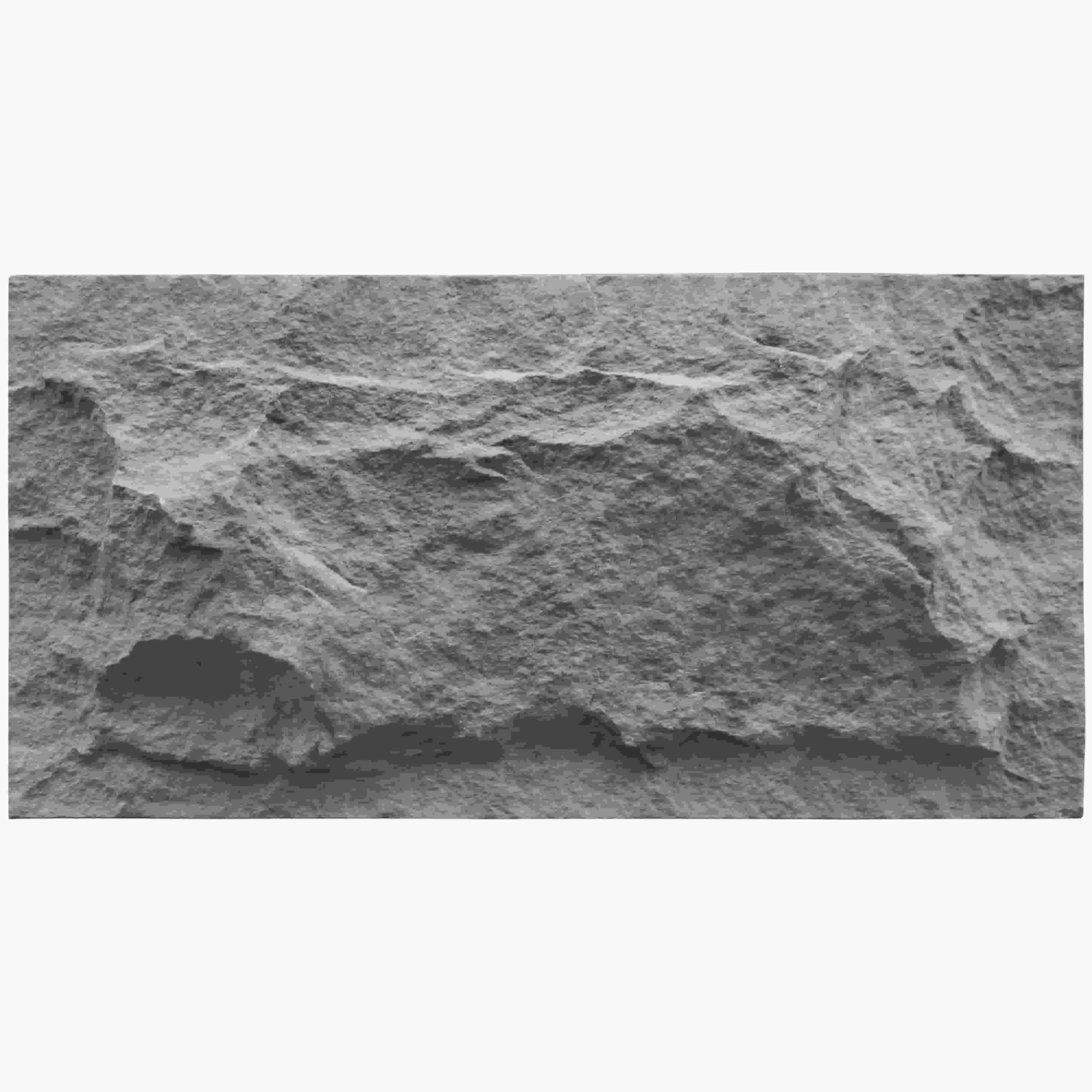
Walk into any well-designed space—whether it's a cozy café with exposed brick walls, a sleek office with polished concrete floors, or a home patio that feels like an extension of the garden—and you'll notice something quiet but powerful: the materials. They don't just fill a room; they set the mood, tell a story, and shape how we experience the world around us. Today, let's zoom in on one such material that's been turning heads in architecture and interior design: Crossare Mushroom Stone043 . With its organic, mushroom-like texture and earthy charm, it's a favorite for adding depth and character to walls, backsplashes, and outdoor surfaces. But like all natural materials, it needs a little TLC to stay looking its best. That's where sealing comes in—and trust us, it's not just an afterthought. It's the secret to keeping your Crossare Mushroom Stone043 vibrant, durable, and ready to stand up to the chaos of daily life (and the occasional coffee spill).
Before we dive into sealing, let's get to know the star of the show. Crossare Mushroom Stone043 isn't your average building material. Imagine a stone that looks like it was plucked straight from a forest floor—rough around the edges, with soft, rounded "mushroom cap" textures that catch the light and cast subtle shadows. It's warm, inviting, and surprisingly versatile. You'll find it in rustic farmhouses, modern lofts, and even high-end hotels, where designers use it to add a touch of nature without sacrificing sophistication.
What really sets it apart, though, is its balance of beauty and brawn. It's tough enough for outdoor use (think garden walls or pool surrounds) but refined enough for indoor feature walls. However, here's the catch: that porous, textured surface that makes it so charming is also its Achilles' heel. Without proper protection, it can absorb stains, water, and dirt like a sponge, dulling its color and shortening its lifespan. That's why sealing isn't just recommended—it's essential.
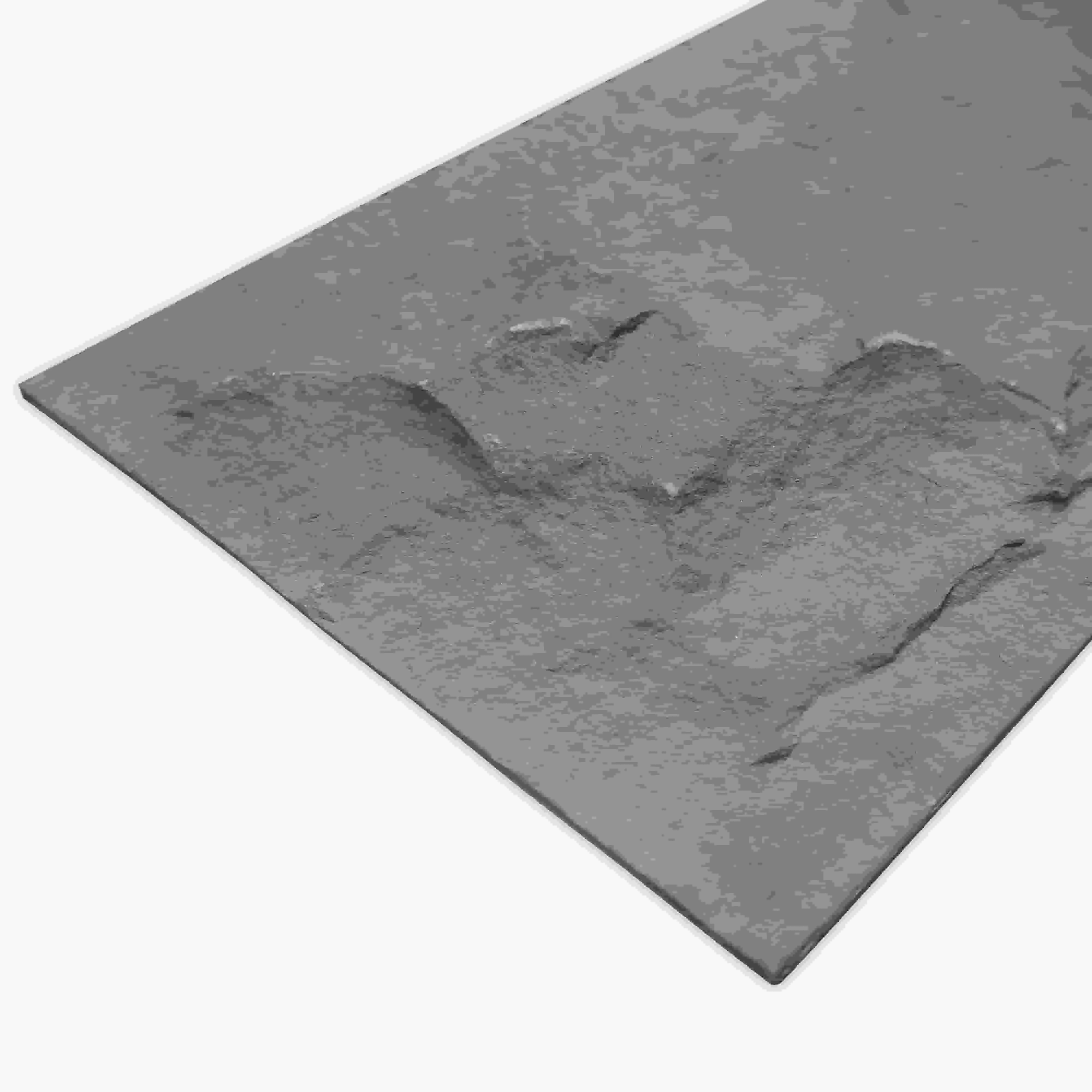
Picture this: You've just finished installing Crossare Mushroom Stone043 in your kitchen backsplash. It looks stunning—warm, earthy, the perfect contrast to your white cabinets. A few weeks later, you're cooking dinner and accidentally splash tomato sauce on the wall. You wipe it off, but… uh-oh. A faint red stain lingers, like a permanent reminder of that one messy night. Sound familiar? That's what happens when stone isn't sealed. Its pores act like tiny sponges, soaking up liquids, oils, and even air pollutants over time.
Sealing creates a invisible barrier that repels these unwanted invaders. Think of it as a raincoat for your stone: it keeps water out, blocks stains, and even helps prevent fading from UV rays (critical if your stone is in a sunny spot). Plus, it makes cleaning a breeze—no more scrubbing for hours to remove dirt that's worked its way into the pores. In short, sealing isn't just about protecting your investment; it's about preserving the character and beauty that made you fall in love with Crossare Mushroom Stone043 in the first place.
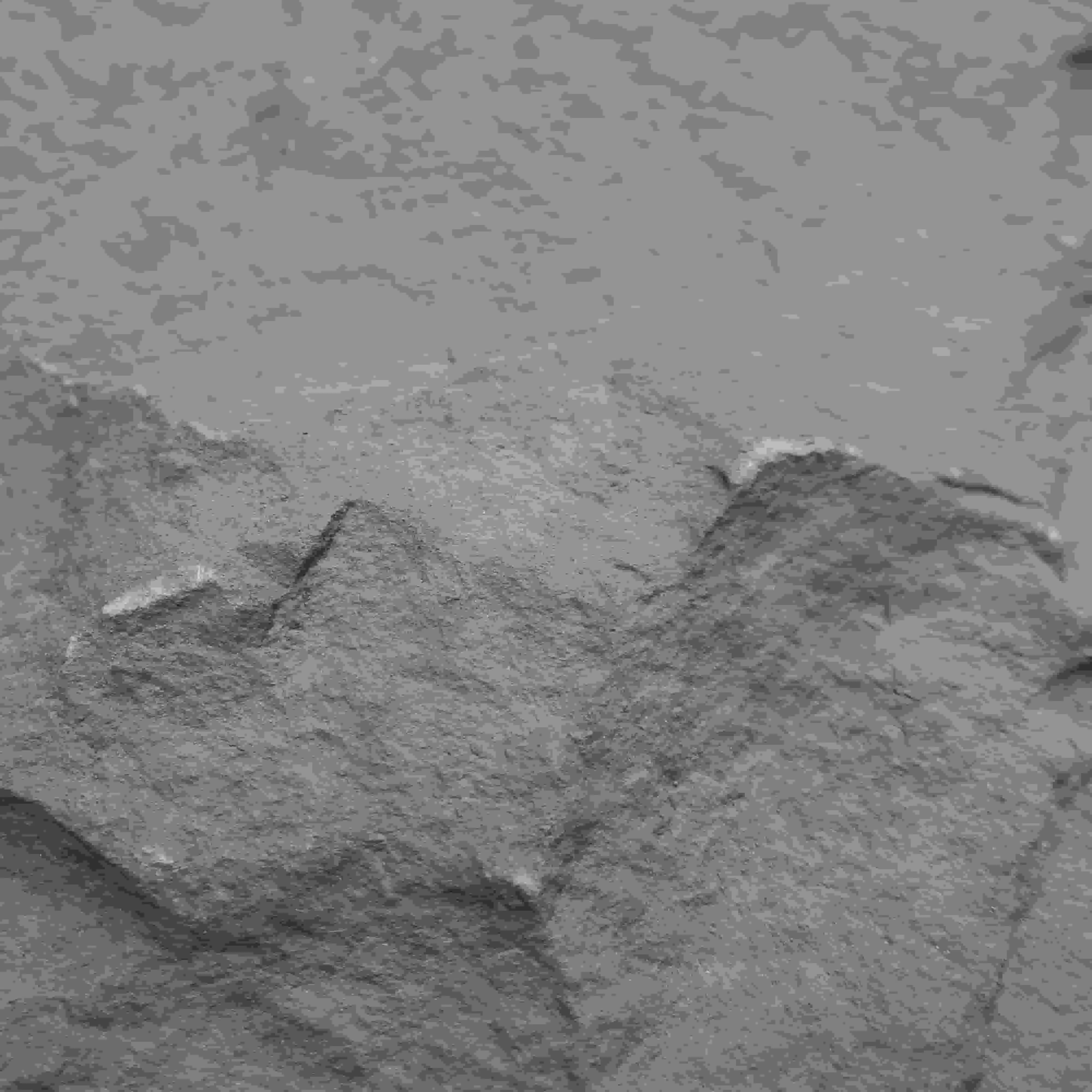
Now that we've covered "why," let's get to "how." Sealing Crossare Mushroom Stone043 isn't rocket science, but it does require patience and attention to detail. Follow these tips, and you'll be well on your way to a stone surface that stays beautiful for years.
Not all sealers are created equal. The key is to pick one that's designed for porous, textured stone like Crossare Mushroom Stone043. Here's a quick breakdown of your options—we've even made a table to help you compare:
| Sealer Type | Best For | Pros | Cons | Pro Tip |
|---|---|---|---|---|
| Penetrating Sealer | Outdoor stone, high-traffic areas | Absorbs deep into pores, invisible finish, long-lasting (5-10 years) | More expensive, requires multiple coats | Opt for water-based if you want zero color change. |
| Topical Sealer | Indoor walls, low-traffic spaces | Easy to apply, adds subtle sheen, budget-friendly | Can peel if not applied evenly, needs reapplication every 1-3 years | Avoid high-gloss—matte or satin looks more natural on textured stone. |
| Enhancing Sealer | Stone with rich color (e.g., red or golden tones) | Deepens color, brings out texture, offers moderate protection | May darken lighter stones, not ideal for "natural" looks | Test on a hidden corner first—color change can be permanent! |
For Crossare Mushroom Stone043, we typically recommend a penetrating sealer for outdoor use (think patios or garden walls) and a topical sealer with a matte finish for indoor spaces. The goal is to protect without hiding the stone's natural texture—you want people to run their hands over it and say, "Wow, that feels like real stone!"
You wouldn't paint a dirty wall, right? The same logic applies to sealing stone. Any dust, dirt, or grime on the surface will get trapped under the sealer, ruining the finish. Here's how to prep like a pro:
Now for the fun part (okay, maybe not *fun*, but satisfying!). Grab your sealer, a lint-free cloth, or a foam brush (avoid cheap brushes—they shed bristles). Here's the step-by-step:
You're almost done! Now, resist the urge to touch or use the stone right away. Sealer needs time to cure fully—usually 24 to 48 hours. Keep the area dry and well-ventilated. If it's outdoors, check the weather forecast—rain or high humidity during curing can ruin the sealer.
Sealing isn't a one-and-done deal. Over time, even the best sealer will wear down, especially in high-traffic areas. Here's how to keep your Crossare Mushroom Stone043 looking fresh:
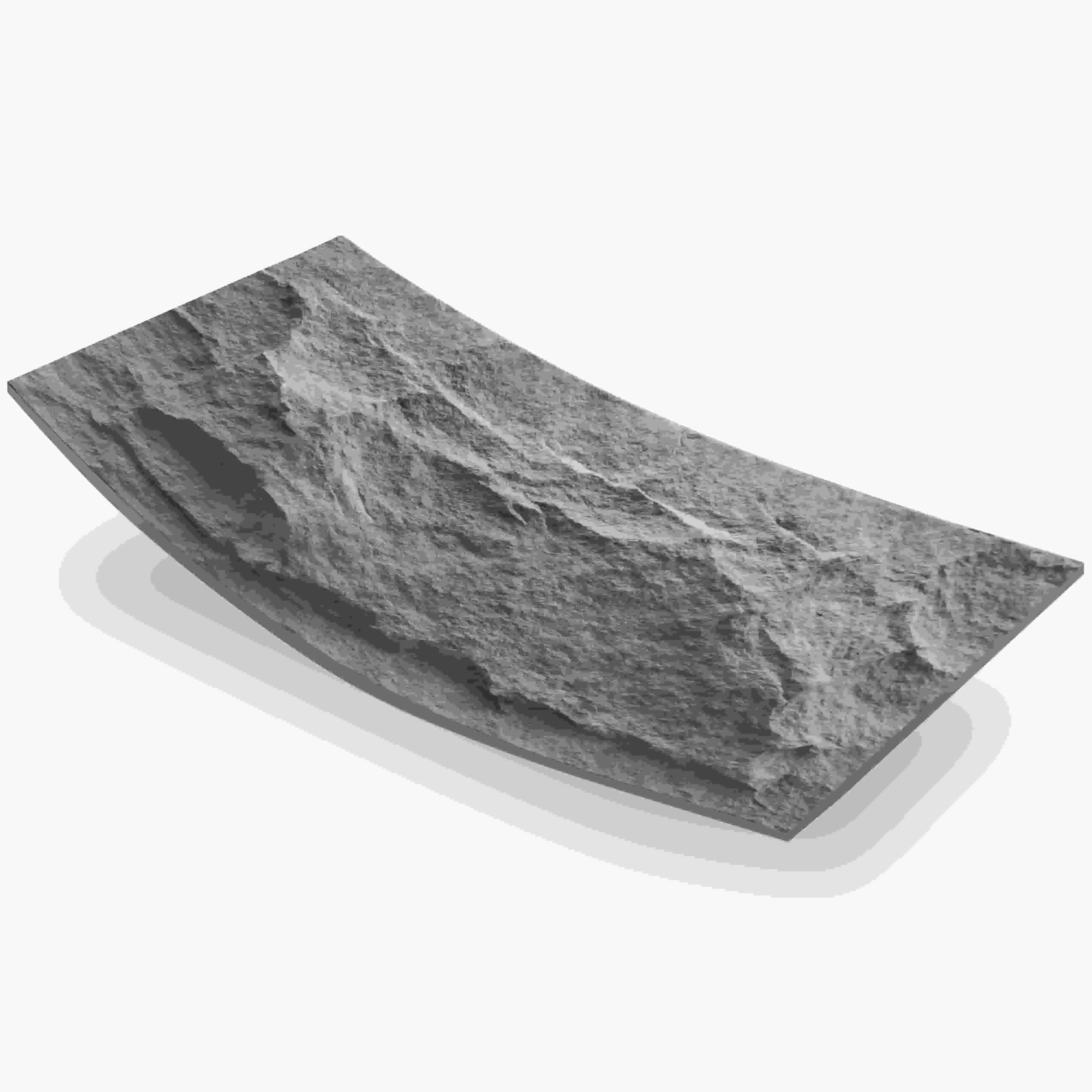
One of the best things about Crossare Mushroom Stone043 is how well it plays with others. Whether you're going for a cozy, rustic vibe or a sleek, modern look, pairing it with complementary materials can take your design to the next level. Let's talk about a few favorites:
If you love the texture of Crossare Mushroom Stone043 but need something more flexible for curved walls or custom shapes, MCM flexible stone is your new best friend. It's lightweight, bendable, and comes in a range of earthy tones that complement the mushroom stone's warmth. Imagine a rounded fireplace surround: MCM flexible stone on the curves, Crossare Mushroom Stone043 on the flat surfaces. The result? A seamless, organic look that feels intentional and unique.
For a soft, cohesive palette, pair Crossare Mushroom Stone043 with travertine (beige) . Travertine's smooth, porous surface and warm beige tones create a beautiful contrast to the mushroom stone's rough texture. Use travertine for flooring and Crossare Mushroom Stone043 for the backsplash in a kitchen, or mix them in a bathroom wall for a spa-like feel. Just remember: both are porous, so seal them both!
Want to balance the stone's rustic charm with something sleek? Fair-faced concrete is the way to go. Its smooth, gray surface adds a modern, industrial edge that makes Crossare Mushroom Stone043 pop. Think concrete countertops with a mushroom stone backsplash, or a concrete accent wall with stone inserts. It's a bold combo that works in lofts, offices, and even modern homes.
For ultimate coziness, pair Crossare Mushroom Stone043 with wood grain board . The stone's earthy texture and the wood's natural grain create a warm, inviting atmosphere that feels like a cabin retreat (but with better design). Use wood grain board for ceilings or cabinetry and mushroom stone for walls—perfect for a living room or bedroom that feels both grounded and airy.

Even with the best intentions, things can go wrong. Here are a few common sealing mishaps and how to fix them:
At the end of the day, Crossare Mushroom Stone043 isn't just a building material—it's a piece of nature that you've brought into your space. It deserves to be cared for, not just because it's an investment, but because it adds life and character to the rooms where you live, work, and play. Sealing might seem like a small step, but it's the difference between a surface that fades over time and one that remains vibrant, textured, and full of personality for years to come.
So grab your sealer, roll up your sleeves, and give your stone the protection it deserves. Your future self (and your guests) will thank you.
Recommend Products












