
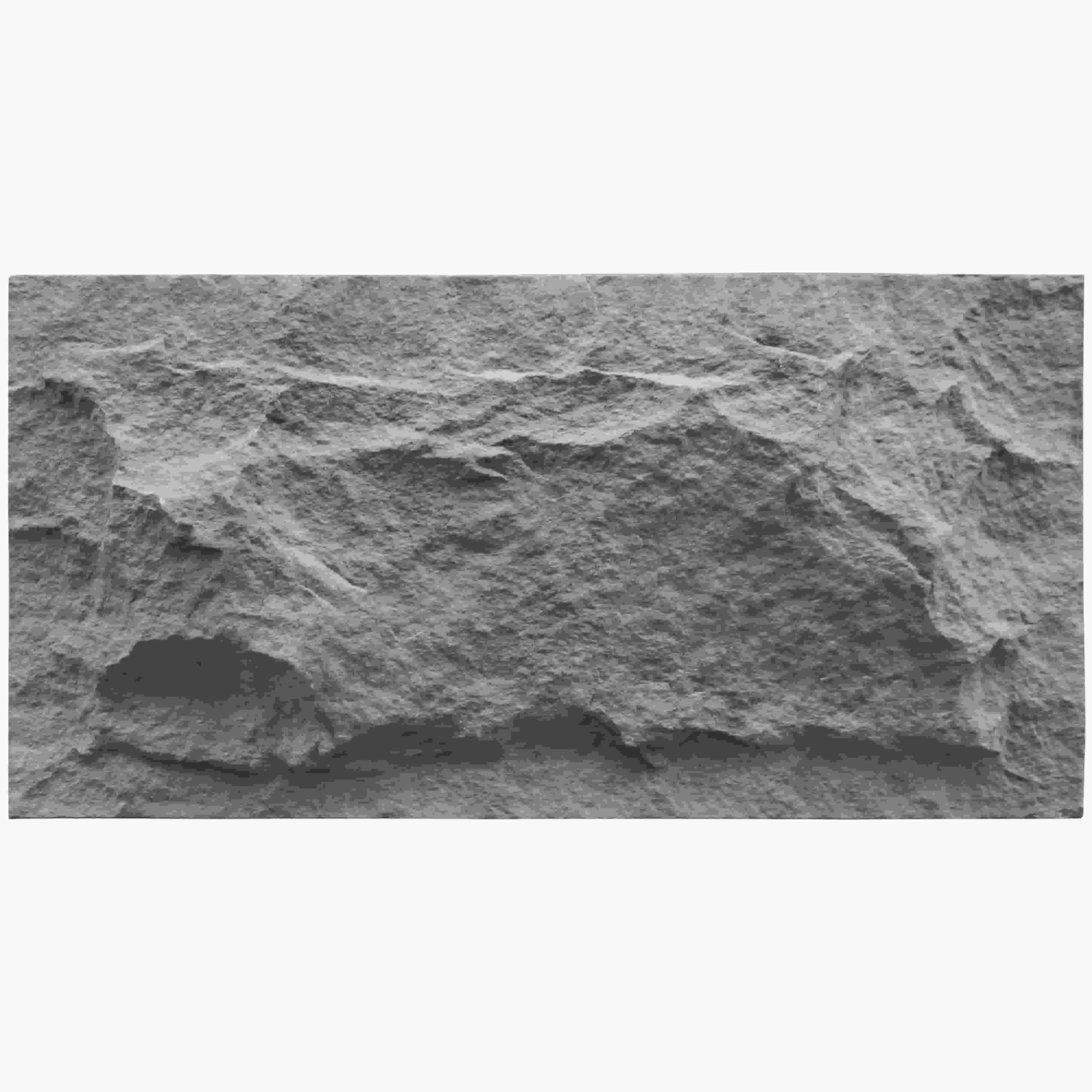
Every space tells a story—and the materials we choose write its first chapter. Whether it's the wall that greets you in the morning, the floor under your feet as you rush to make coffee, or the facade that defines a building's character, materials do more than fill a void. They set the mood, endure the chaos of daily life, and shape how we experience our surroundings. Today, we're diving into two contenders vying for a spot in your next project: the tried-and-true ceramic tile and the innovative Crossare Mushroom Stone043, a standout from the MCM flexible stone family. This isn't just a battle of specs; it's a conversation about which material will grow with you, adapt to your needs, and keep telling your story for years to come.
Before we jump into the details, let's get to know our two protagonists. On one side, we have ceramic tiles—the reliable workhorses of interior design. Crafted from clay, sand, and minerals, they're shaped, fired at high temperatures, and often glazed to lock in color and texture. They've been around for centuries, gracing kitchens, bathrooms, and public spaces with their familiar feel and predictable performance.
On the other side is Crossare Mushroom Stone043, a modern marvel born from the MCM (Modified Composite Material) flexible stone series. MCM flexible stone is a game-changer in building materials—lightweight, durable, and designed to mimic the depth and beauty of natural stone without the heft or fragility. Crossare Mushroom Stone043, in particular, draws inspiration from organic textures, with a surface that echoes the rugged charm of mushroom stones found in ancient quarries, but reimagined for today's design needs. It's part of a broader family that includes textures reminiscent of travertine, lunar peak silvery, and even fair-faced concrete, blending nature's artistry with engineering precision.
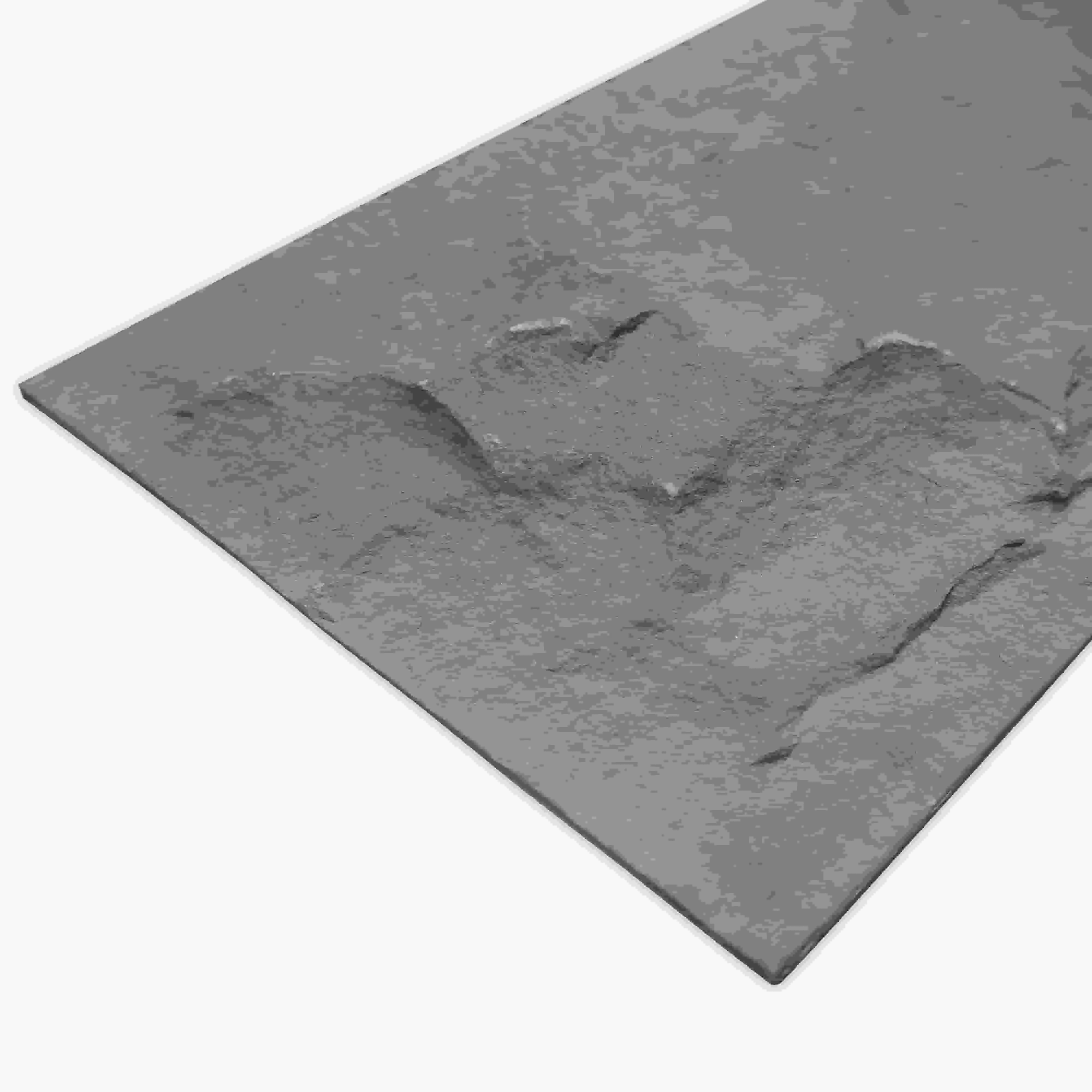
Let's cut through the jargon and get to what really matters: how these materials perform in the real world. Below is a breakdown of their key features, but remember—numbers only tell part of the story. We'll dig deeper into what each feature means for your daily life, your design vision, and your peace of mind.
| Feature | Crossare Mushroom Stone043 (MCM Flexible Stone) | Traditional Ceramic Tiles |
|---|---|---|
| Material DNA | Modified Composite Material (MCM) with natural stone aggregates, flexible polymer backing | Clay-based, fired at high temps; glazed or unglazed |
| Weight | Lightweight (~3-5 kg/m²), easy to handle and install | Heavier (~15-20 kg/m²), requires sturdy substrate |
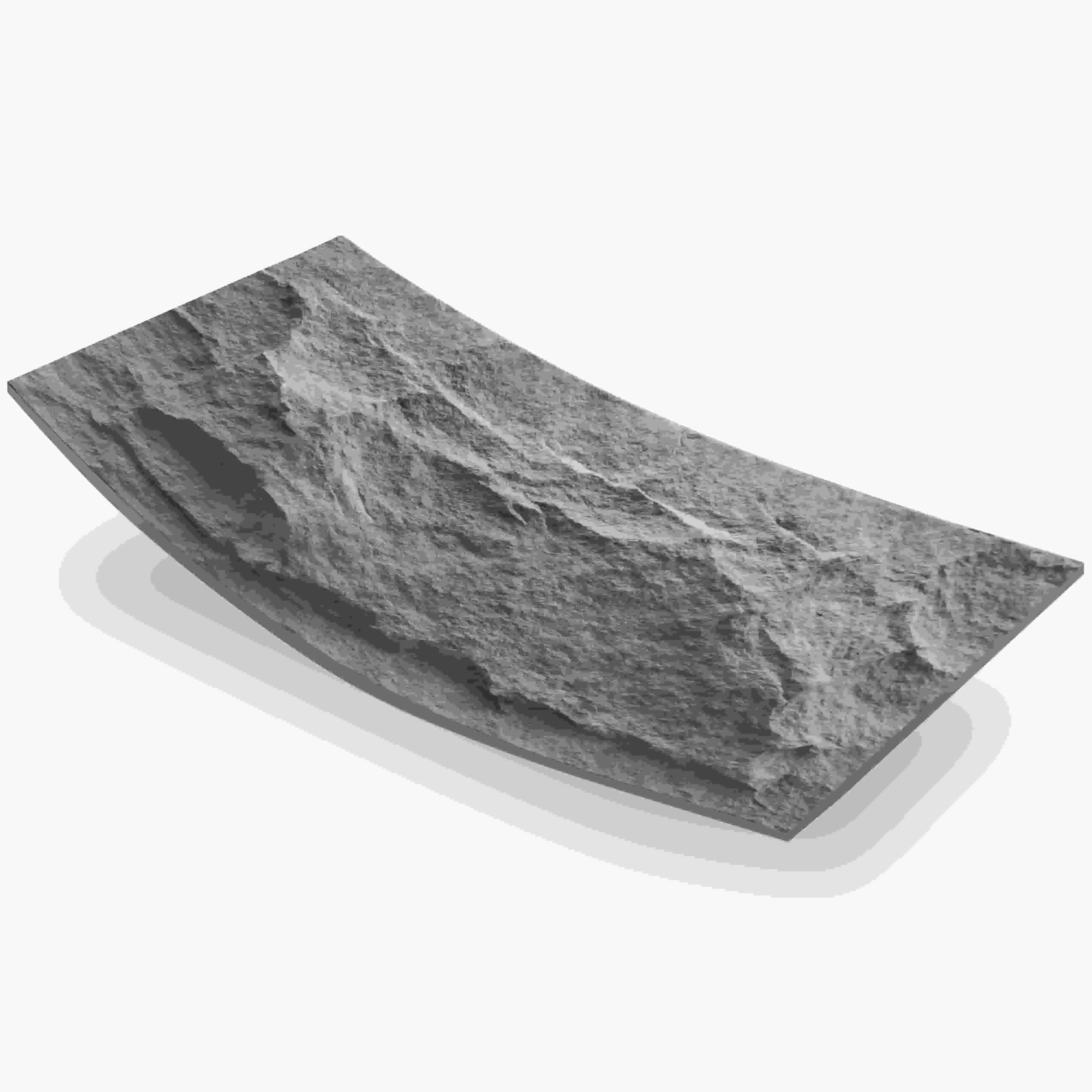
| Flexibility | Flexible (can bend up to 30°), ideal for uneven or curved surfaces | Rigid, prone to cracking if substrate shifts |
| Durability | Scratch-resistant, impact-absorbent (flexibility reduces cracking), moisture-proof | Scratch-resistant (glazed), but rigid—prone to chipping/breaking on impact |
| Installation | Simple: lightweight, no need for heavy machinery; can be cut with basic tools | Complex: requires level substrate, mortar, grout; precise alignment needed |
| Aesthetics | Mimics natural textures (e.g., travertine, lunar peak golden) with depth and variation; no visible seams | Uniform patterns via glaze; limited depth; visible grout lines |
| Maintenance | Grout-free, stain-resistant; wipe clean with mild soap | Grout lines trap dirt/mold; requires regular sealing and scrubbing |
| Sustainability | Recyclable materials, low-energy production; lightweight reduces transport emissions | High firing temperatures (energy-intensive); limited recyclability |
| Cost | Higher initial cost, but lower long-term maintenance | Lower initial cost, but ongoing grout/sealant expenses |
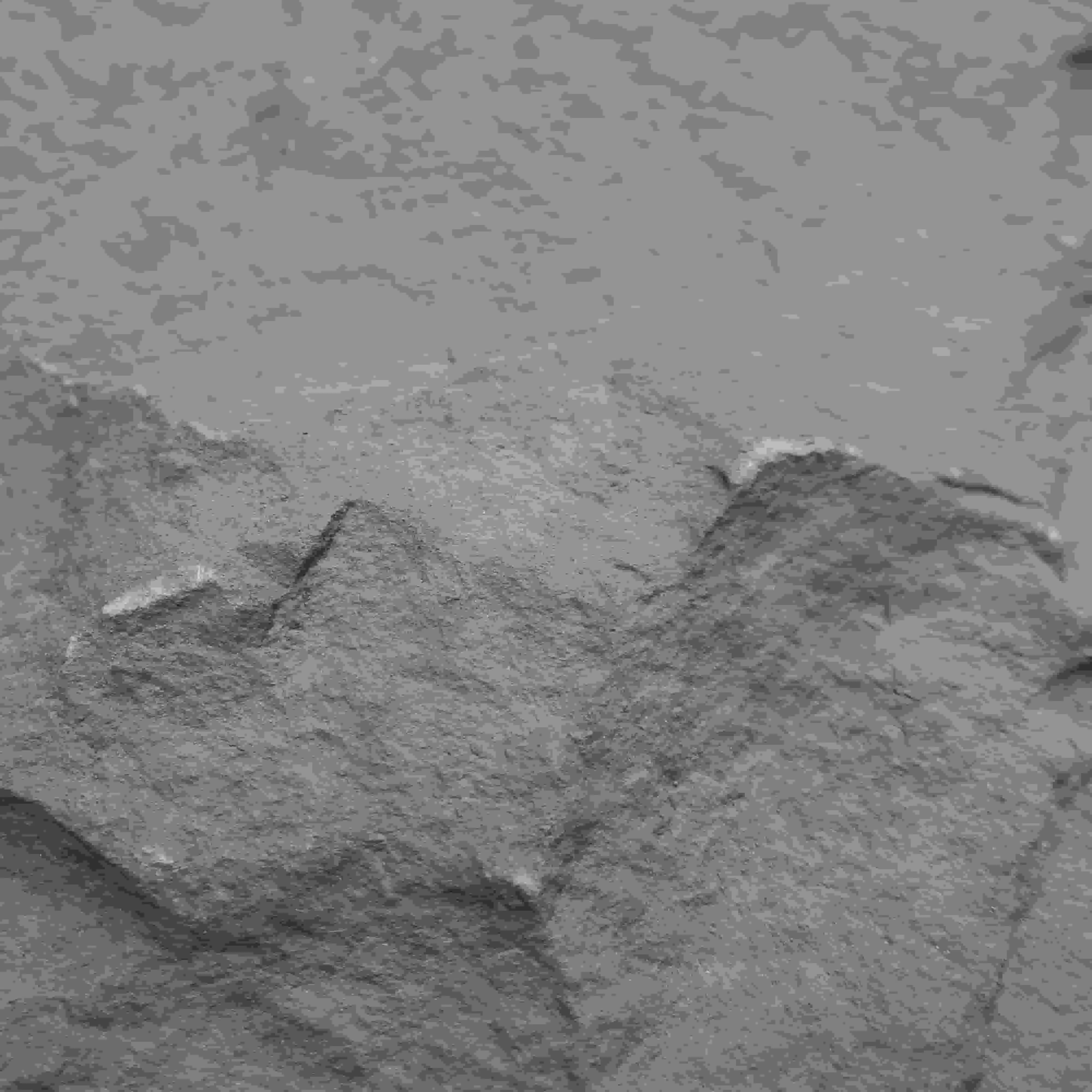
Let's start with the basics: how well do these materials hold up when life happens? Imagine a busy family kitchen—kids racing in with muddy shoes, a pot slipping from your hands, a chair scraping across the floor. Ceramic tiles, with their hard, glazed surface, are no strangers to durability. They resist scratches from keys or utensils, and their non-porous glaze keeps moisture at bay (great for bathrooms). But here's the catch: they're rigid. drop a heavy cast-iron skillet on a ceramic tile, and there's a good chance you'll end up with a spiderweb crack. Even a slight shift in the floor substrate—common in older homes or buildings with settling foundations—can cause tiles to lift or crack.
Crossare Mushroom Stone043, thanks to its MCM flexible stone core, takes a different approach. Its flexibility acts like a shock absorber. That same cast-iron skillet? It might leave a small indent, but the material is less likely to shatter. And if your substrate shifts slightly, the stone bends with it, reducing the risk of cracks. It's also scratch-resistant, with a surface that stands up to pet claws and heavy furniture. Plus, since it's moisture-proof (no grout lines to trap water), you won't have to worry about mold creeping in around the edges—a common frustration in shower stalls or kitchen backsplashes tiled with ceramic.
Design isn't just about function—it's about feeling. Ceramic tiles have long offered versatility in color and pattern, from bold geometric prints to subtle stone lookalikes. But there's a limit to their depth. Glazed tiles often have a flat, almost plastic-like finish, and even unglazed ones can feel uniform, lacking the organic variation that makes natural stone so captivating. Grout lines, too, can interrupt the visual flow, breaking up a seamless design into small, boxy segments.
Crossare Mushroom Stone043, by contrast, is all about texture that tells a story. Its surface mimics the irregular, time-worn charm of natural mushroom stones, with pits, ridges, and color variations that feel authentic—like a piece of the earth brought indoors. It's part of the MCM flexible stone family, which draws inspiration from a wide range of natural materials: think the starry blue hues of travertine, the metallic sheen of lunar peak golden, or the raw simplicity of fair-faced concrete. Unlike ceramic tiles, which are often limited to small sizes (12x12 inches is standard), Crossare comes in larger panels, creating a seamless look that makes spaces feel more expansive. Imagine a living room wall clad in Crossare, its texture catching the light throughout the day, shifting from warm to cool as the sun moves—no grout lines to distract, just a continuous, immersive surface.
And let's talk about versatility. Want to clad a curved fireplace surround? Ceramic tiles would require meticulous cutting and grouting, leaving visible seams. Crossare, with its flexibility, bends to the curve, wrapping around the shape like a second skin. It's a designer's dream for creating organic, flowing spaces that feel less "built" and more "grown."
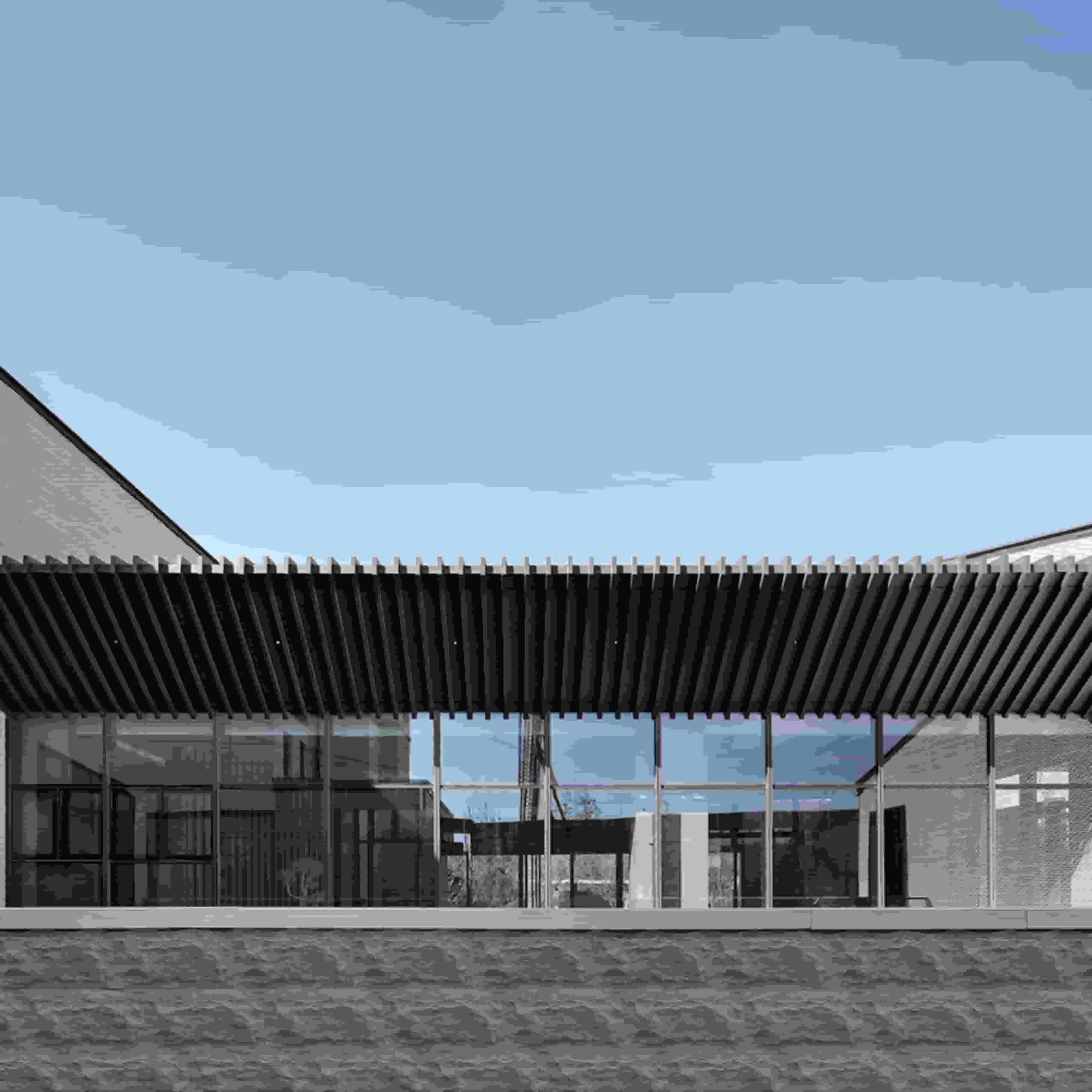
Installing ceramic tiles is a labor of precision—and patience. The substrate must be perfectly level; even a tiny bump can cause tiles to sit unevenly. You'll need mortar to adhere them, spacers to keep lines straight, and grout to fill the gaps, which then needs to be sealed. It's a multi-day process that often requires professional help, especially for large areas or vertical applications like shower walls. And if you make a mistake? Removing a misaligned tile can damage the substrate, leading to costly repairs.
Crossare Mushroom Stone043 simplifies things. At just 3-5 kg per square meter, it's lightweight enough for one person to handle, no heavy machinery required. It cuts easily with a utility knife or jigsaw, so you can customize shapes on-site without special tools. And because it's flexible, it adapts to minor imperfections in the substrate—no need for hours of leveling. Installation is often a one-day job, even for DIY enthusiasts, and the result is a seamless, grout-free surface. For contractors, this means faster project turnarounds; for homeowners, less disruption to daily life (goodbye to weeks of living with a half-tiled bathroom).
Let's be honest: no one wants to spend weekends scrubbing grout. Ceramic tiles, while durable, come with a hidden cost: maintenance. Grout lines are magnets for dirt, soap scum, and mold, especially in high-moisture areas like bathrooms. Even with regular sealing (which needs redoing every 1-2 years), keeping grout white and clean is a constant battle. And if a tile cracks? Replacing it means matching the color and texture exactly, which can be nearly impossible if the tile has been discontinued.
Crossare Mushroom Stone043 eliminates that hassle. Since it's installed in large, seamless panels (no grout needed), there are no tiny crevices for dirt to hide. A quick wipe with a damp cloth is usually all it takes to keep it looking fresh. And if you do notice a scratch or chip? The material's natural texture often hides minor imperfections, so they're less noticeable than on a smooth ceramic tile. It's low-maintenance design for people who'd rather spend time enjoying their space than cleaning it.
In today's world, sustainability isn't just a buzzword—it's a responsibility. Ceramic tile production is energy-intensive: mining clay, firing kilns at 2,000°F, and transporting heavy materials all leave a significant carbon footprint. While some brands use recycled content, the process itself is hard to green. Plus, when tiles crack or become outdated, they often end up in landfills, as recycling options are limited.
Crossare Mushroom Stone043, as part of the MCM flexible stone series, prioritizes sustainability from the start. Its production uses less energy than ceramic tile manufacturing, and many MCM materials incorporate recycled stone aggregates and polymers. Its lightweight design also reduces transportation emissions—trucks can carry more panels per trip, cutting down on fuel use. And because it's durable and low-maintenance, it has a longer lifespan, reducing the need for replacement. When it does reach the end of its life, some MCM flexible stones are recyclable, closing the loop on waste.
Let's paint a few scenarios to bring this comparison to life:
The Busy Family Home: For a kitchen floor that sees spills, dropped toys, and daily foot traffic, Crossare Mushroom Stone043's durability and easy maintenance make it a no-brainer. Its flexibility also handles the slight floor shifts common in older homes, reducing cracking. Ceramic tiles here would work, but you'd be forever scrubbing grout and worrying about chips.
The Modern Commercial Facade: A restaurant or office building aiming for a sleek, contemporary look might opt for Crossare in lunar peak silvery, with its metallic finish catching the light. Its lightweight design reduces structural load, and large panels create a seamless, high-end appearance. Ceramic tiles, with their weight and grout lines, would feel clunky and outdated by comparison.
The Historic Renovation: Restoring a century-old home with uneven walls? Crossare's flexibility allows it to conform to curved or bumpy surfaces, preserving the building's character without compromising on modern durability. Ceramic tiles, requiring a perfectly flat substrate, would mean extensive (and potentially damaging) wall preparation.
At the end of the day, both Crossare Mushroom Stone043 and ceramic tiles have their place. Ceramic tiles are affordable, familiar, and work well in low-traffic areas where budget is a priority. But if you're looking for a material that combines durability, beauty, and ease of living—one that adapts to your life instead of fighting against it—Crossare Mushroom Stone043 stands out.
It's more than a building material; it's a partner in telling your space's story. Whether you're drawn to the organic texture of mushroom stone, the starry allure of travertine, or the modern edge of lunar peak series, MCM flexible stone offers a way to bring nature indoors without sacrificing practicality. It's durable enough for life's chaos, beautiful enough to inspire, and sustainable enough to feel good about.
So, when you're choosing materials for your next project, ask yourself: What story do I want my space to tell? If it's one of resilience, beauty, and ease, Crossare Mushroom Stone043 might just be the first chapter.
Recommend Products












