
Let's start with the basics: when it comes to building or renovating a space, insulation is one of those unsung heroes we often overlook—until the first winter breeze seeps through the walls or the summer sun turns our living room into a sauna. The right cladding material doesn't just define a building's look; it's a silent guardian of comfort and energy efficiency. Today, we're diving into two popular options that often end up on architects' and homeowners' shortlists: Crossare Mushroom Stone043 and Concrete Panels. Both have their fans, but how do they stack up when it comes to keeping your space cozy (or cool) without hiking up your energy bills?
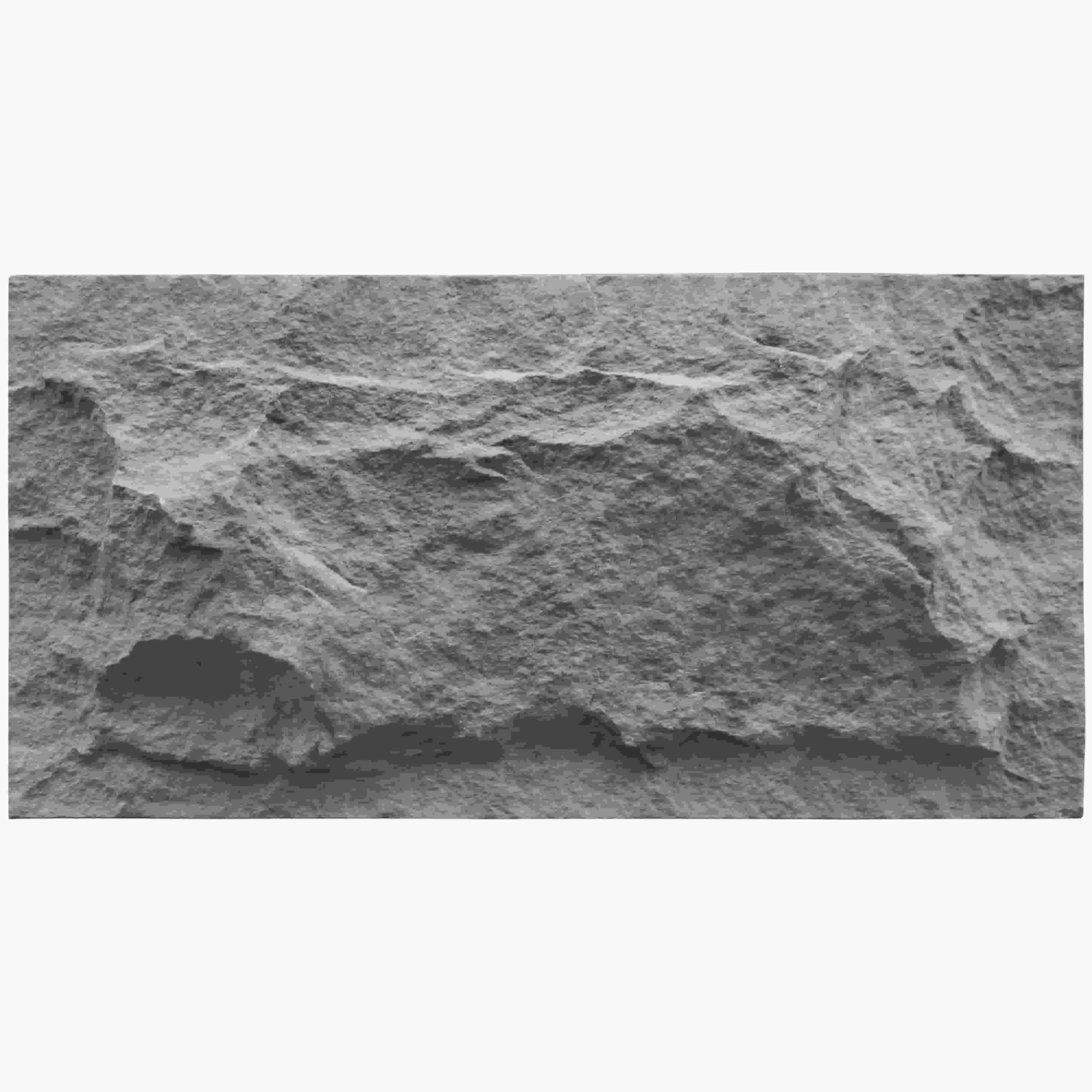
If you're not deep into the world of modern building materials, the name might sound like something out of a fantasy novel—but Crossare Mushroom Stone043 is very much a real, innovative product, often categorized under the broader umbrella of MCM flexible stone . MCM, or Modified Composite Material, has been gaining traction in recent years for its ability to blend the best of natural aesthetics with modern performance. Think of it as nature meets engineering: Crossare Mushroom Stone043 typically combines crushed natural stone aggregates (like mushroom stone, which gives it that textured, earthy look), a polymer binder, and a reinforcing fiberglass mesh. The result? A panel that's lightweight, flexible, and surprisingly tough.
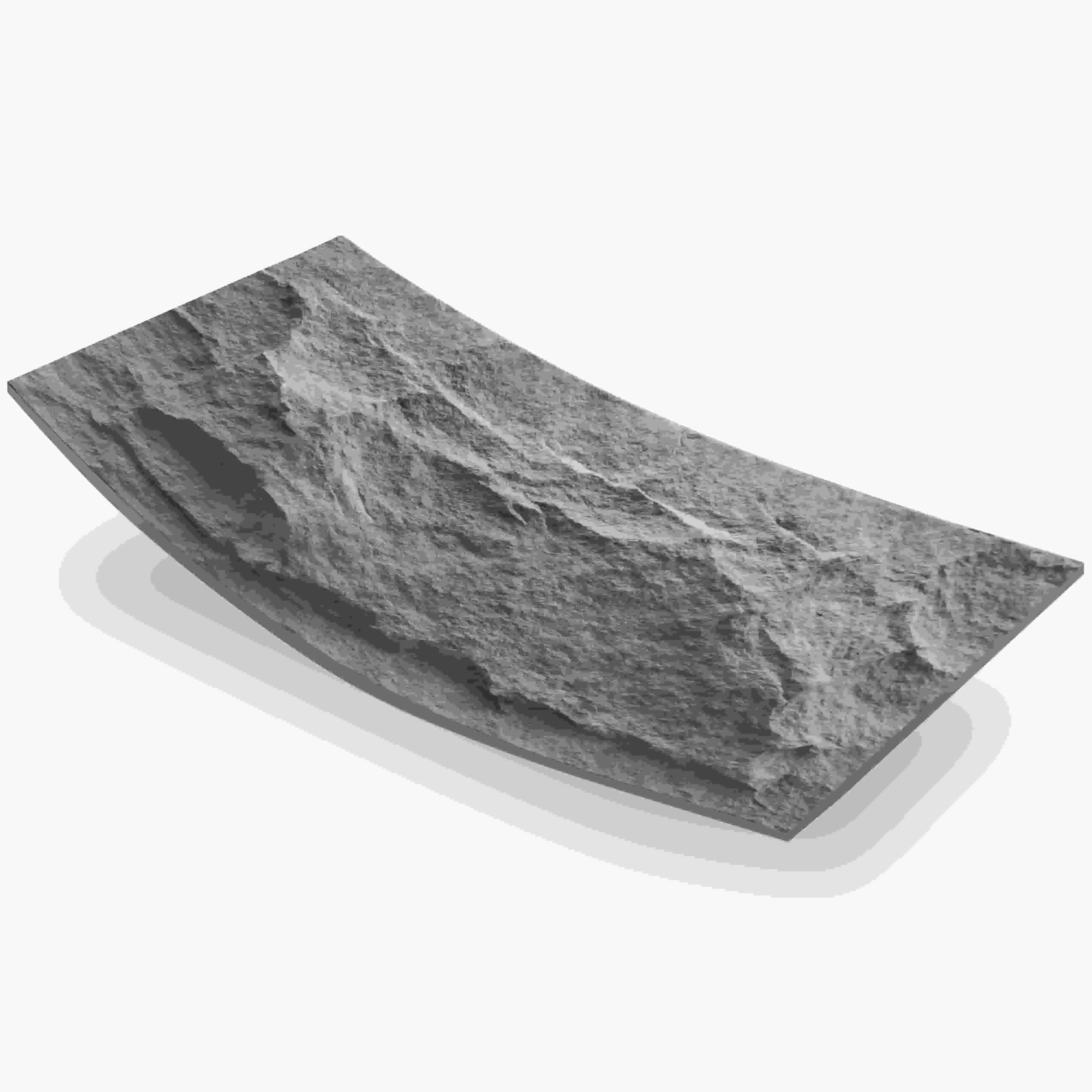
What sets it apart from traditional stone cladding? For starters, it's a fraction of the weight. Traditional natural stone can clock in at 30+ kilograms per square meter, but Crossare Mushroom Stone043 usually weighs in at 8–10 kg/m². That might not sound like a big deal until you consider installation: no need for beefed-up structural supports or teams of laborers hauling heavy slabs. Its flexibility is another win—unlike rigid stone, it can bend slightly, making it workable on curved walls, arches, or even rounded facades without cracking.
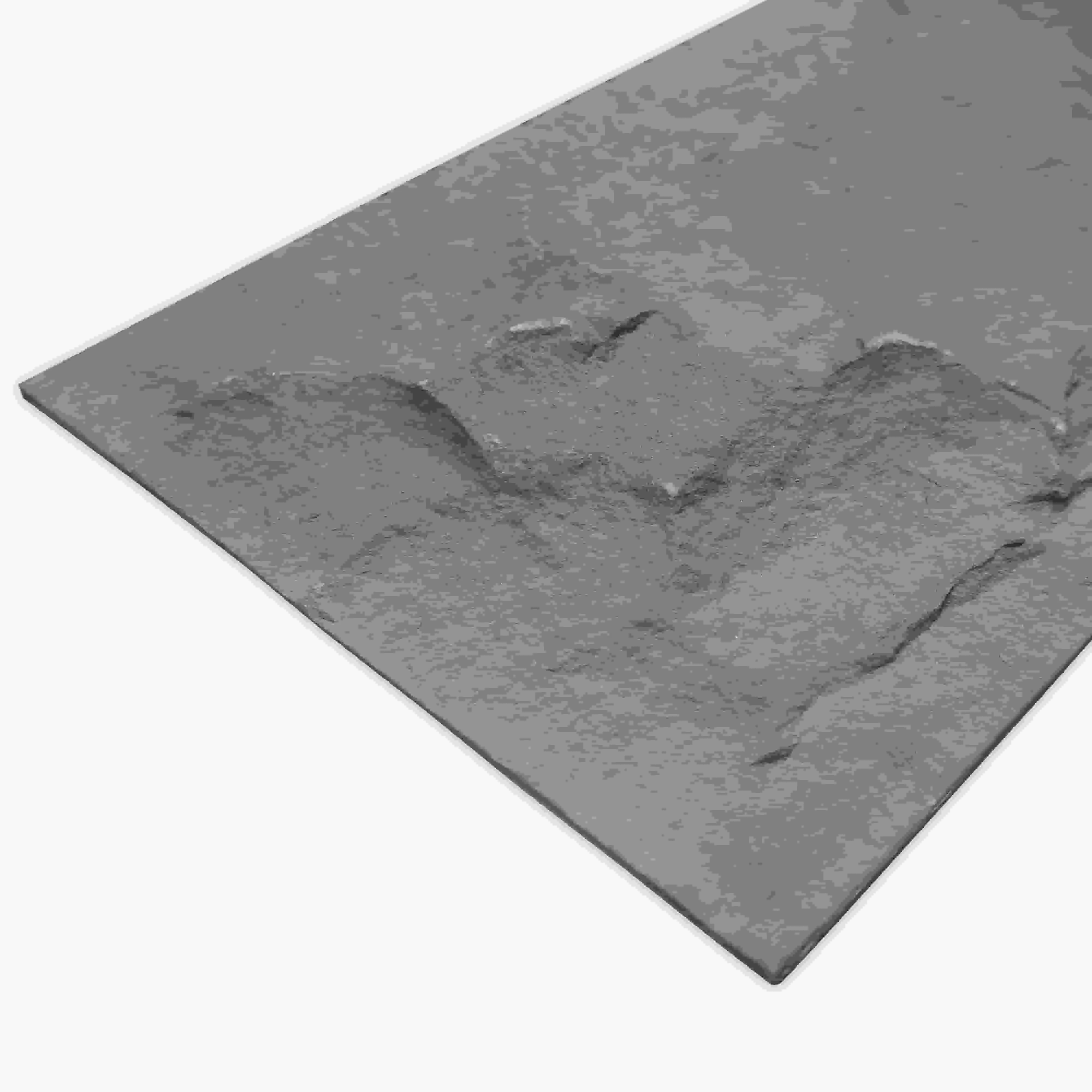
Insulation boils down to slowing the transfer of heat, and Crossare Mushroom Stone043 does this through a mix of its composition and structure. Let's break it down: the natural stone aggregates themselves have low thermal conductivity—meaning they don't easily pass heat through. Then there's the polymer binder, which creates tiny air pockets within the panel. Air is a poor conductor of heat, so these pockets act like mini barriers, trapping warmth (or cool air) inside. It's like wearing a jacket with a quilted lining: the layers and air gaps work together to keep temperature steady.
To put it in perspective, traditional solid stone is dense, so while it can absorb heat (great for thermal mass in some climates), it doesn't always stop heat from escaping. Crossare, with its composite structure, balances that: it has the look and feel of natural stone but adds built-in insulation thanks to those air pockets and the polymer matrix. Builders who've used it often note that rooms clad with Crossare feel "naturally" comfortable—less prone to sudden temperature swings compared to uninsulated stone or even some wood sidings.
Concrete Panels, on the other hand, are the veterans of the building world. We've been using concrete for centuries, and for good reason: it's strong, durable, and versatile. But when we talk about concrete panels today, we're not just talking about the gray, heavy slabs of the past. Modern concrete panels come in two main flavors: traditional solid panels and insulated concrete panels (ICPs), which sandwich a layer of foam insulation between two concrete layers.
Traditional concrete panels rely on "thermal mass"—their density allows them to absorb heat during the day and release it slowly at night. This can be great in moderate climates, where it helps regulate indoor temperatures passively. But on their own, they're not stellar insulators. A standard 100mm solid concrete panel has a thermal conductivity (k-value) of around 1.5 W/mK, which means heat moves through it relatively easily. That's why modern ICPs are game-changers: by adding a foam core (like expanded polystyrene or polyurethane), they combine concrete's durability with the insulation power of foam, which has a k-value as low as 0.03 W/mK. Suddenly, that old reliable becomes a lot more energy-efficient.
At the end of the day, insulation performance often comes down to R-values. R-value measures a material's resistance to heat flow—the higher the R-value, the better it insulates. Let's keep things simple with some real-world examples:
But R-values don't tell the whole story. Crossare's lightweight nature means it can be installed on buildings where heavy materials like ICPs aren't feasible—think retrofits on older homes with weaker structural support or small commercial spaces where every kilogram counts. And because it's flexible, it can be used in areas where rigid concrete panels would crack, like on walls with slight movement or uneven surfaces.
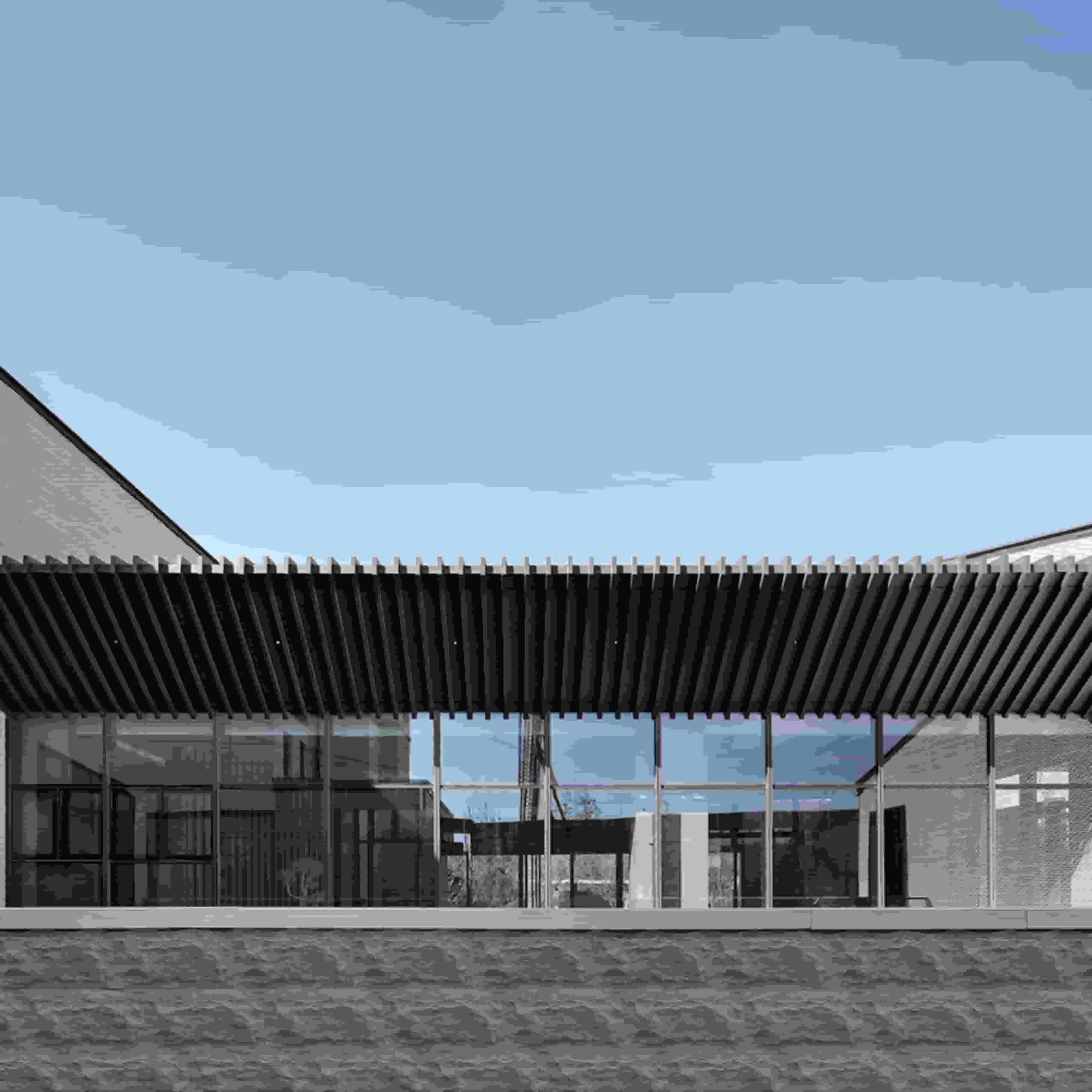
Let's look at two case studies to ground this in reality.
A homeowner in Vermont recently renovated their 1920s cottage, replacing old wood siding with Crossare Mushroom Stone043. The goal? Keep the cottage's rustic charm while improving insulation. They paired the Crossare panels with 50mm fiberglass insulation in the wall cavity. Over one winter, they tracked their heating bills and found a 22% reduction compared to the previous year. "The stone look was non-negotiable for us," they noted, "but we were shocked at how much warmer the rooms felt, even on windy days. No more cold spots near the windows!"
A tech firm in Texas built a new office using insulated concrete panels. With Texas summers hitting 100°F+ regularly, energy efficiency was a top priority. The ICPs (150mm thick, R-value 3.0) were paired with low-e windows. The building's energy model predicted a 40% reduction in cooling costs compared to a similar structure with traditional cladding. After a year, the actual savings came in at 38%—close enough. "We wanted something durable that could handle the heat and humidity," the project manager explained. "Concrete panels checked that box, and the insulation meant we didn't have to overwork the AC."
| Feature | Crossare Mushroom Stone043 | Insulated Concrete Panels (ICPs) |
|---|---|---|
| Material Composition | Natural stone aggregates, polymer binder, fiberglass mesh (MCM flexible stone) | Cement, aggregates, foam insulation core |
| Weight (kg/m²) | 8–10 | 50–60 |
| R-Value (per m², typical thickness) | 0.8–1.0 (8–10mm) | 2.5–3.0 (150mm) |
| Flexibility | High—can bend around curves | Low—rigid, best for flat/straight surfaces |
| Installation Ease | Easy—lightweight, can be cut on-site, no heavy lifting | Requires machinery for lifting; heavier structural support needed |
| Aesthetic | Natural, textured stone look (mushroom stone pattern) | Modern, sleek; can be colored/stained but less organic |
| Best For | Retrofits, curved surfaces, rustic/earthy designs | New builds, commercial projects, high durability needs |
There's no one-size-fits-all answer, but here's a quick cheat sheet:
Go with Crossare Mushroom Stone043 if… You prioritize aesthetics (natural stone look), have a lightweight or curved structure, or are retrofitting an older building where heavy materials aren't an option. It's also a solid choice if you want to add insulation without sacrificing style, especially when paired with standard wall insulation.
Go with Insulated Concrete Panels if… You need maximum durability (think commercial buildings, high-traffic areas, or harsh climates), want a high R-value in one layer, or value sound insulation. They're ideal for new builds where structural support can accommodate the weight.
At the end of the day, both materials are stepping up the insulation game in their own ways. Crossare Mushroom Stone043 shows that you don't have to choose between beauty and performance, while ICPs prove that old dogs (concrete) can learn new tricks (insulation). Whichever you pick, your future self (and energy bill) will thank you for prioritizing insulation.
Recommend Products












