
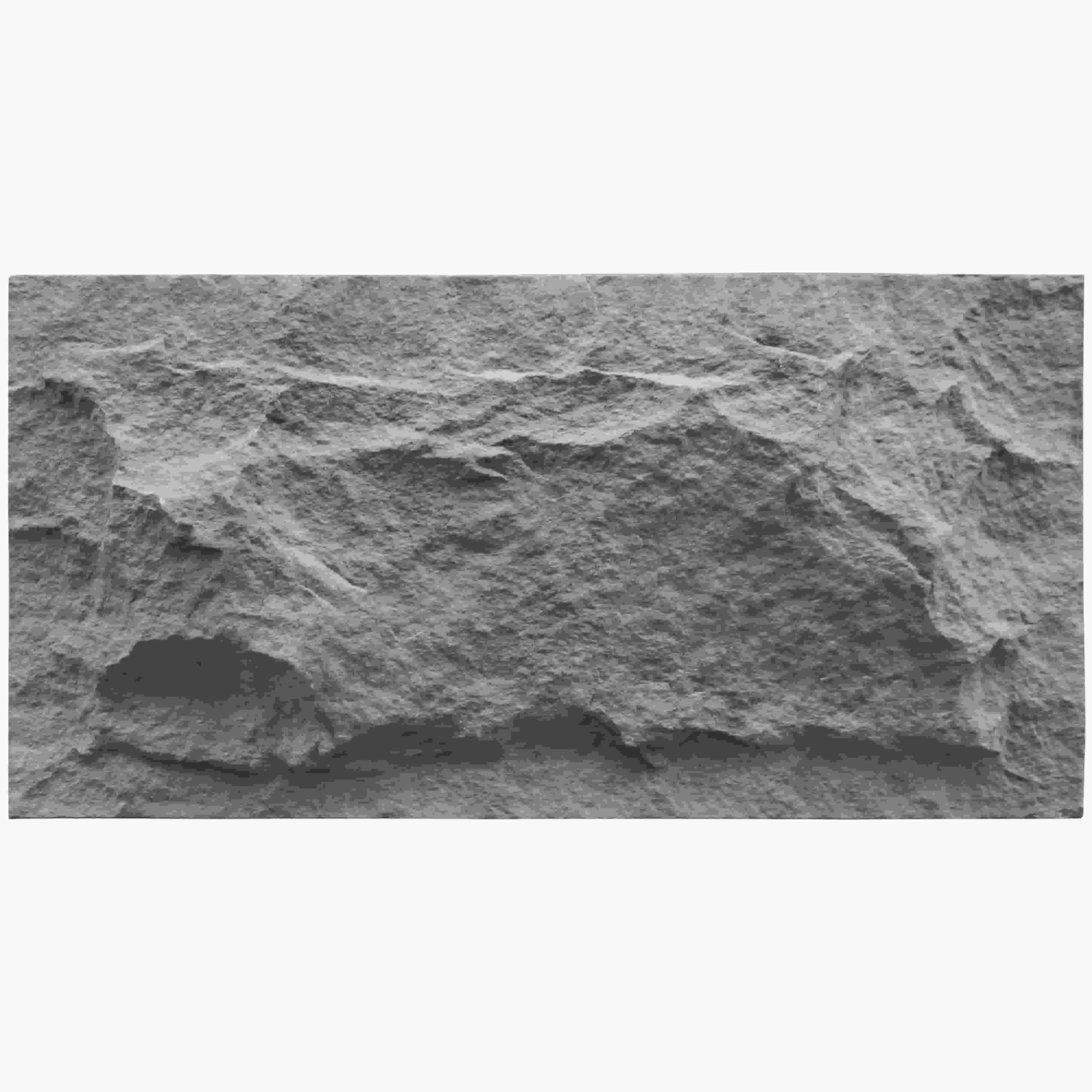
Choosing the right material for your space—whether it's a kitchen countertop, a backyard patio, or a commercial lobby floor—feels a lot like picking a partner for a long journey. It needs to look good, stand the test of time, fit your budget, and maybe even tell a story. Today, we're diving into two heavyweights in the world of natural and engineered stone: Crossare Mushroom Stone043 and the ever-popular Granite . Let's walk through their textures, their price tags, how they hold up over years, and why one might feel like "home" while the other screams "sleek sophistication."
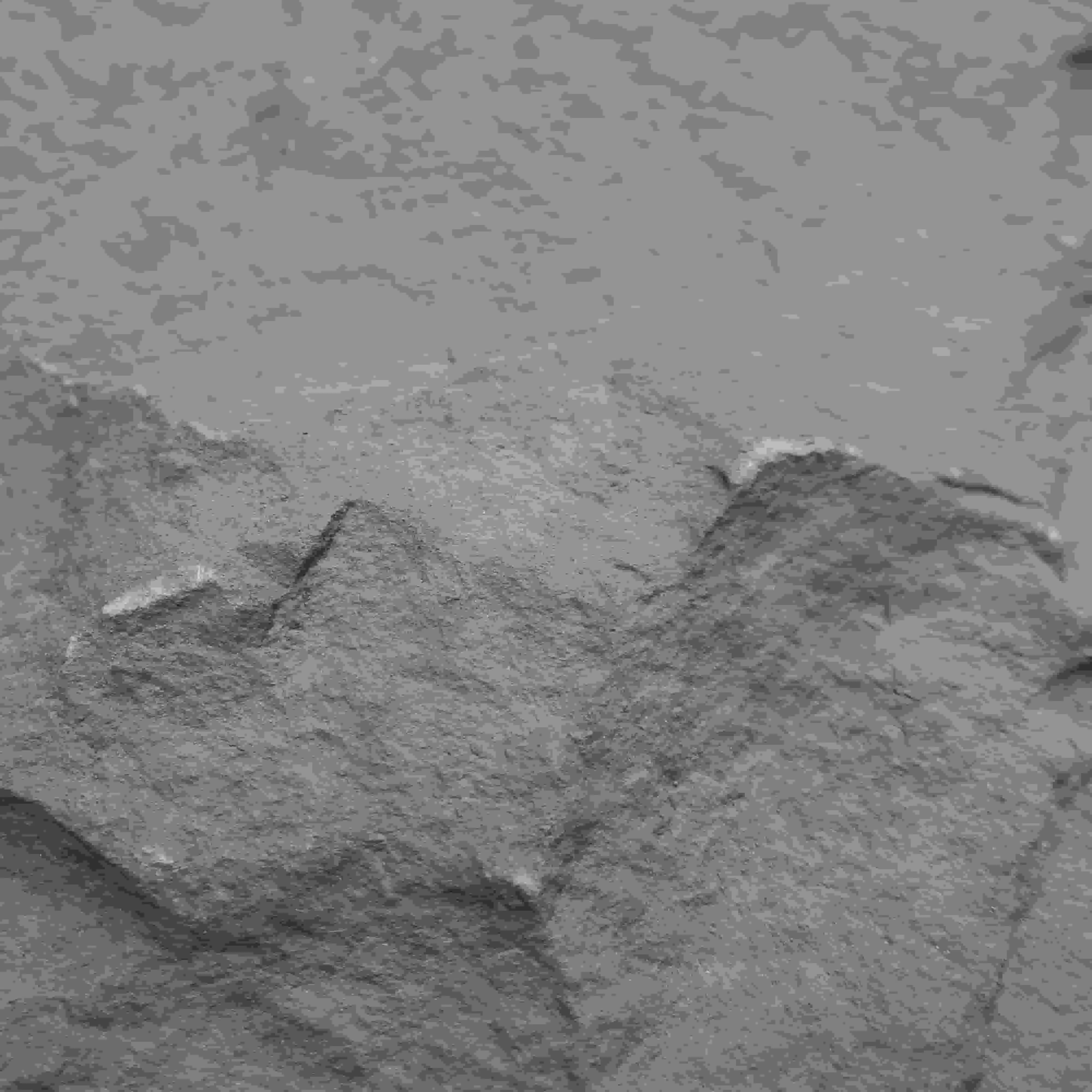
First, let's talk about Crossare Mushroom Stone043. If you've ever run your hand over a stone wall in a countryside cottage, feeling the uneven edges and tiny crevices where rainwater might pool, you're already halfway to understanding its appeal. This stone isn't about perfection—it's about personality. The "mushroom" in its name comes from the rounded, slightly overhanging edges of each slab, like the cap of a mushroom peeking through forest soil. Run your fingers along its surface, and you'll notice the deliberate, natural pockmarks—some deep enough to catch a raindrop, others shallow, like the of a fossilized leaf. It's tactile, alive, and unapologetically earthy.
What sets Crossare Mushroom Stone043 apart is its versatility in texture. Unlike the uniform smoothness of polished stone, each piece has a unique pattern. Some slabs lean into warm terracotta hues, others have streaks of soft gray that mimic storm clouds, and a few even hint at the golden undertones of aged wood. It's the kind of material that changes with the light: in the morning sun, it glows with a honeyed warmth; at dusk, it softens into moody, shadowed layers. Architects often praise it for "adding soul" to spaces—think a backyard fire pit surrounded by Crossare stones, where the rough edges invite you to kick off your shoes and sit awhile, or a restaurant wall that feels less like a barrier and more like a piece of the countryside brought indoors.
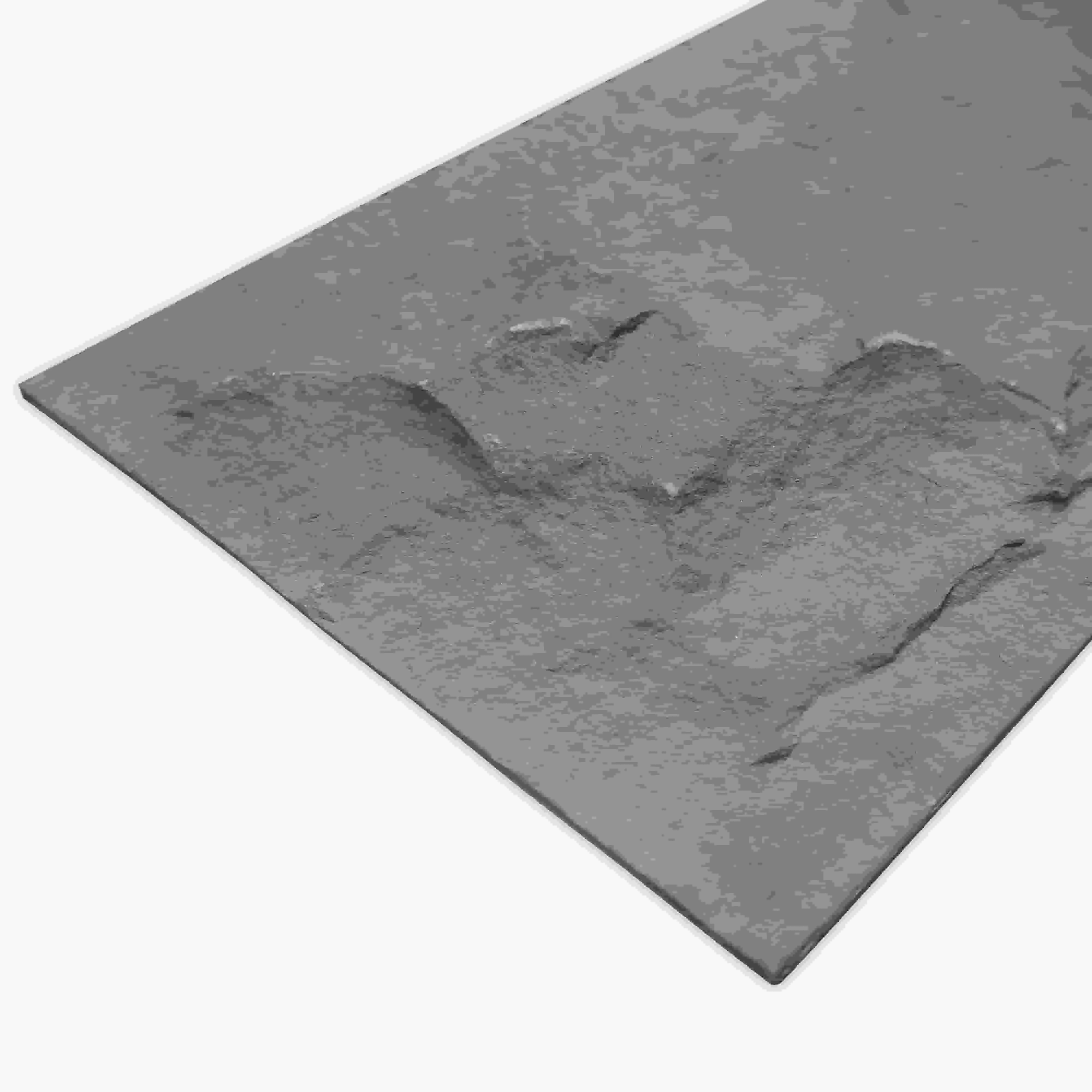
But it's not just about looks. Crossare Mushroom Stone043 is part of the broader mcm flexible stone family, which means it's engineered to be lighter and more adaptable than traditional quarried stone. This flexibility makes installation a breeze, even on uneven surfaces like a sloped garden path or a wall with subtle curves. Imagine trying to lay rigid granite slabs on a bumpy outdoor terrace—you'd spend hours shimming and cutting. With Crossare, the stones conform slightly, reducing waste and labor time. It's a practical choice for DIY enthusiasts or homeowners working with tight deadlines.
Now, let's turn to Granite—the material that's been synonymous with luxury for decades. If Crossare is the cozy cabin in the woods, Granite is the sleek penthouse with floor-to-ceiling windows. Quarried from deep within the earth, granite is formed from cooled magma, which gives it that dense, crystalline structure that feels almost indestructible under your fingertips. Run your hand across a polished granite countertop, and it's cool, smooth, and mirror-like—no nooks, no crannies, just pure, unbroken surface. It's the kind of material that says, "I mean business."
What makes granite so beloved is its variety. Walk into any stone yard, and you'll find slabs in every shade: from "Absolute Black" that soaks up light like a velvet curtain, to "Ubatuba Green" with flecks of gold that catch the eye, to "White Ice" that glows like sunlight on snow. Each slab is a one-of-a-kind masterpiece, with mineral deposits that form swirls, speckles, or veins—nature's own abstract art. It's this uniqueness that makes granite a favorite for statement pieces: a kitchen island that becomes the heart of the home, a bathroom vanity that feels like a spa retreat, or a hotel lobby floor that whispers "opulence" the moment you step inside.
But granite isn't just pretty—it's tough. Scratch it with a knife? Unlikely. Spill red wine or lemon juice? Wipe it up, and it's as good as new (assuming it's sealed properly). It's heat-resistant, too—set a hot pan on a granite countertop, and it won't so much as blush. For high-traffic areas where durability is non-negotiable, granite is often the first choice. Think of a busy restaurant kitchen, where pots and pans clang daily, or a commercial hallway that sees thousands of footsteps—granite takes the abuse and keeps looking sharp.
Let's get down to brass tacks: how much do these materials actually cost? It's not just about the sticker price—you'll need to factor in installation, maintenance, and even long-term value. Let's break it down.
Crossare Mushroom Stone043 typically ranges from $80 to $120 per square meter , depending on the finish and supplier. Since it's part of the mcm flexible stone line, it's often sold in lightweight panels that are easier to transport, which can lower shipping costs. Granite, on the other hand, starts at around $100 per square meter for basic varieties (like "Giallo Ornamental") but can skyrocket to $200–$300 per square meter for rare options like "Blue Bahia" or "Emerald Pearl." And that's just for the slab—granite is heavy, so shipping costs add up quickly, especially for large projects.
Here's where Crossare starts to pull ahead. Because it's flexible and lightweight, installation is simpler. A professional crew can lay Crossare Mushroom Stone043 at around $30–$50 per square meter , and DIY-savvy homeowners might even tackle small projects themselves with basic tools. Granite, though? Its weight and rigidity make installation a two-person job at minimum. You'll need specialized equipment to cut it (those dense crystals dull blades quickly) and precise measurements to avoid cracks. Installation costs for granite average $60–$100 per square meter , and mistakes can be costly—ruining a $200 slab is not a risk most people want to take.
Granite might seem low-maintenance at first, but it's actually a bit high-maintenance compared to Crossare. To keep that polished shine, you'll need to seal granite every 1–3 years (costing $10–$15 per square meter each time). Skip the sealant, and stains from coffee, oil, or wine can seep in permanently. Crossare Mushroom Stone043, with its porous, textured surface, might seem like it would stain easily, but its engineered composition includes a protective layer that resists moisture. A quick wipe with mild soap and water is usually enough—no sealants required. Over 10 years, that adds up: granite maintenance could cost $100–$150 per square meter , while Crossare stays around $20–$30 .
Granite has a reputation for boosting home resale value—and it's true. A kitchen with granite countertops can increase a home's value by 3–5%, according to real estate experts. But Crossare isn't far behind, especially in markets where buyers crave "character" over "luxury." A backyard with a Crossare stone patio or a feature wall made of rust mosaic stone (another textured favorite) can be a unique selling point, appealing to those who want a space that feels lived-in and authentic. Plus, since Crossare is more affordable to replace if damaged, it's less of a financial risk for homeowners.
| Aspect | Crossare Mushroom Stone043 | Granite |
|---|---|---|
| Initial Cost (per sqm) | $80–$120 | $100–$300 |
| Installation Cost (per sqm) | $30–$50 | $60–$100 |
| 10-Year Maintenance Cost (per sqm) | $20–$30 | $100–$150 |
| Best For | Outdoor patios, garden paths, accent walls | Kitchen countertops, high-traffic lobbies, luxury bathrooms |
| Aesthetic Vibe | Rustic, organic, cozy | Sleek, modern, luxurious |
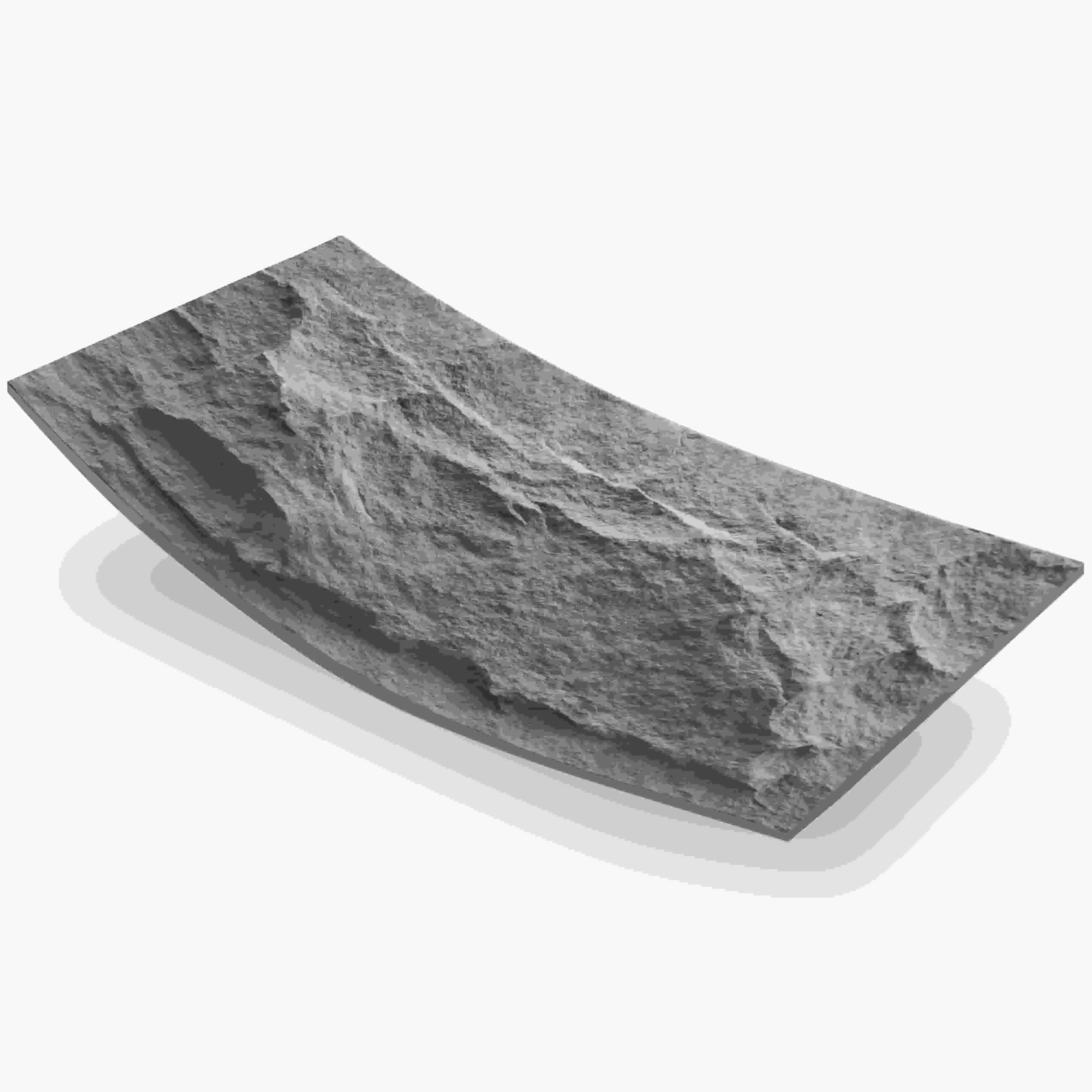
Granite is famous for its durability—and for good reason. It scores a 6–7 on the Mohs hardness scale (diamonds are a 10), which means it resists scratches, chips, and heat like a champ. A hot pot left on a granite countertop? No problem. A heavy cast-iron skillet dropped on the floor? Maybe a small chip, but nothing catastrophic. Crossare Mushroom Stone043, while sturdy, is softer (around 4–5 on the Mohs scale). It can handle foot traffic and light impacts, but a sharp object (like a gardening tool dropped on a patio) might leave a mark. However, Crossare's flexibility is a secret weapon: unlike granite, which can crack if the foundation shifts, Crossare can bend slightly without breaking—ideal for older homes with uneven floors or outdoor spaces prone to freezing and thawing.
This is where personal taste takes center stage. Crossare Mushroom Stone043 thrives in spaces that aim for warmth and nostalgia. Imagine a morning coffee on a Crossare patio: the stones are warm from the sun, their rough edges catching dewdrops that glisten like diamonds. It pairs beautifully with bamboo mat board for a tropical vibe or travertine (starry green) for a nature-inspired color palette. Granite, on the other hand, shines in modern, minimalist settings. A kitchen with white cabinetry and a black granite island feels crisp and contemporary, while a bathroom with "St. Cecilia" granite (soft beige with brown specks) adds understated luxury. It's all about the mood you want to create: do you want to feel like you're in a mountain cabin or a high-end boutique hotel?
Crossare is the MVP of outdoor spaces. Its texture provides grip, making it slip-resistant even when wet—perfect for pool decks or garden paths. It also ages beautifully, developing a patina over time that makes it look like it's been there for decades. Indoors, it's ideal for accent walls, fireplace surrounds, or backsplashes in rustic kitchens. Granite, with its smooth surface, is better suited for indoor use where spills and scratches are frequent. Kitchen countertops, bathroom vanities, and reception desks are classic spots, but it can also work outdoors in covered areas (just avoid direct sunlight, which can fade some colors over time).
In today's world, sustainability matters—and both materials have pros and cons. Granite quarrying can disrupt ecosystems, and transporting heavy slabs burns fossil fuels. However, many quarries now follow ethical practices, and granite is 100% natural and recyclable. Crossare Mushroom Stone043, as part of the mcm line, often uses recycled stone dust and eco-friendly resins, reducing waste. It's also lighter, so shipping has a smaller carbon footprint. For those prioritizing green building, both are better than synthetic options like laminate, but Crossare edges out granite in terms of overall sustainability.
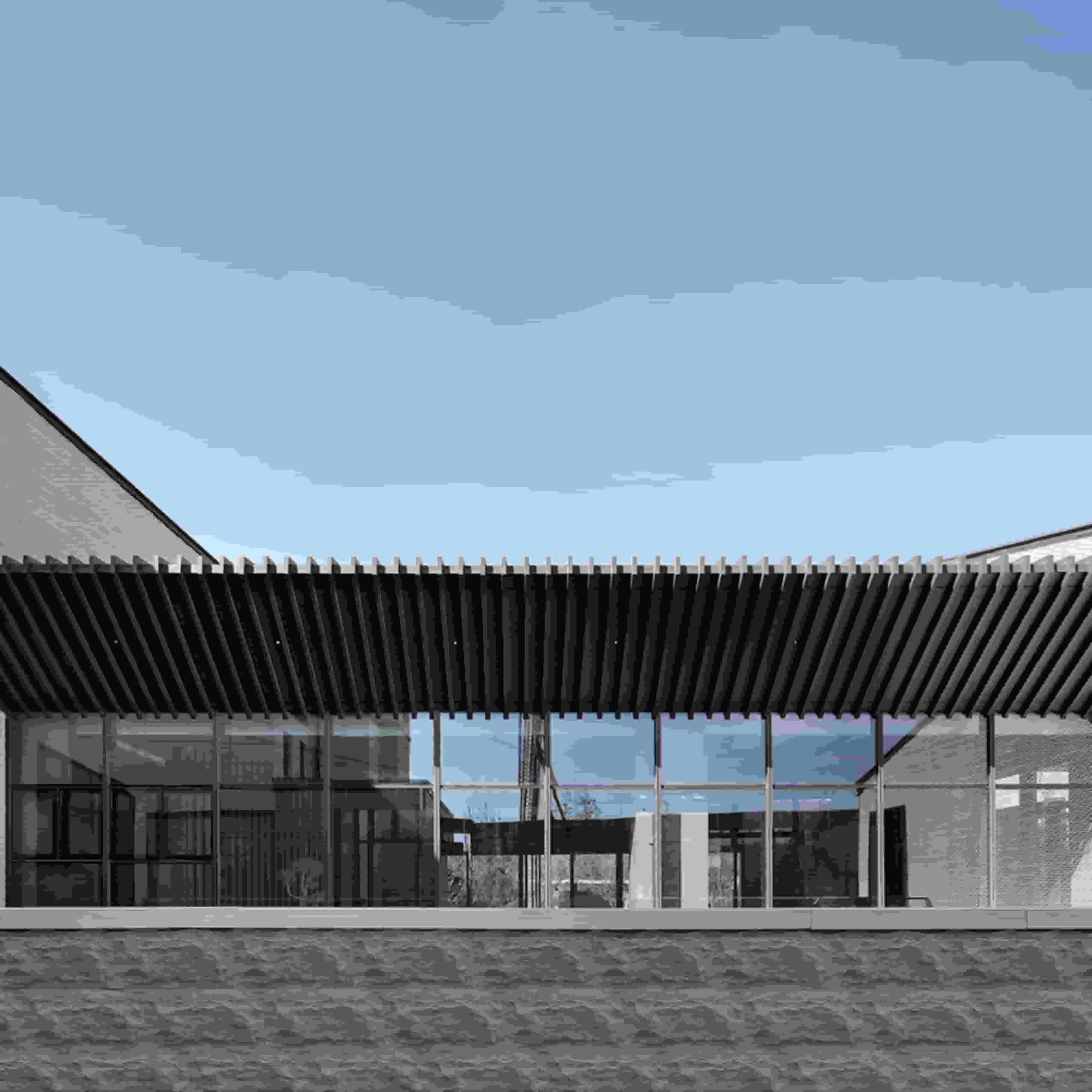
At the end of the day, there's no "better" material—only the one that fits your vision, budget, and lifestyle. If you crave a space that feels cozy, unique, and easy to maintain, Crossare Mushroom Stone043 is your match. It's affordable, adaptable, and full of character, perfect for outdoor projects or homes with a rustic, lived-in charm. If you want to make a bold statement with durability and luxury, granite is worth the investment—just be prepared for higher upfront and maintenance costs.
And remember, there are endless ways to mix and match. Pair granite countertops with a Crossare backsplash for a balance of sleek and rustic. Or use fair-faced concrete (a minimalist favorite) as a neutral base, then add pops of texture with Crossare or travertine (starry green) . The best spaces tell a story, and the right materials are the words that bring that story to life.
So, go ahead—visit a stone yard, run your hands over the samples, and imagine how each material would feel in your space. Whether you choose the earthy warmth of Crossare or the cool luxury of granite, you're not just picking a surface—you're creating a backdrop for the moments that matter.
Recommend Products












