
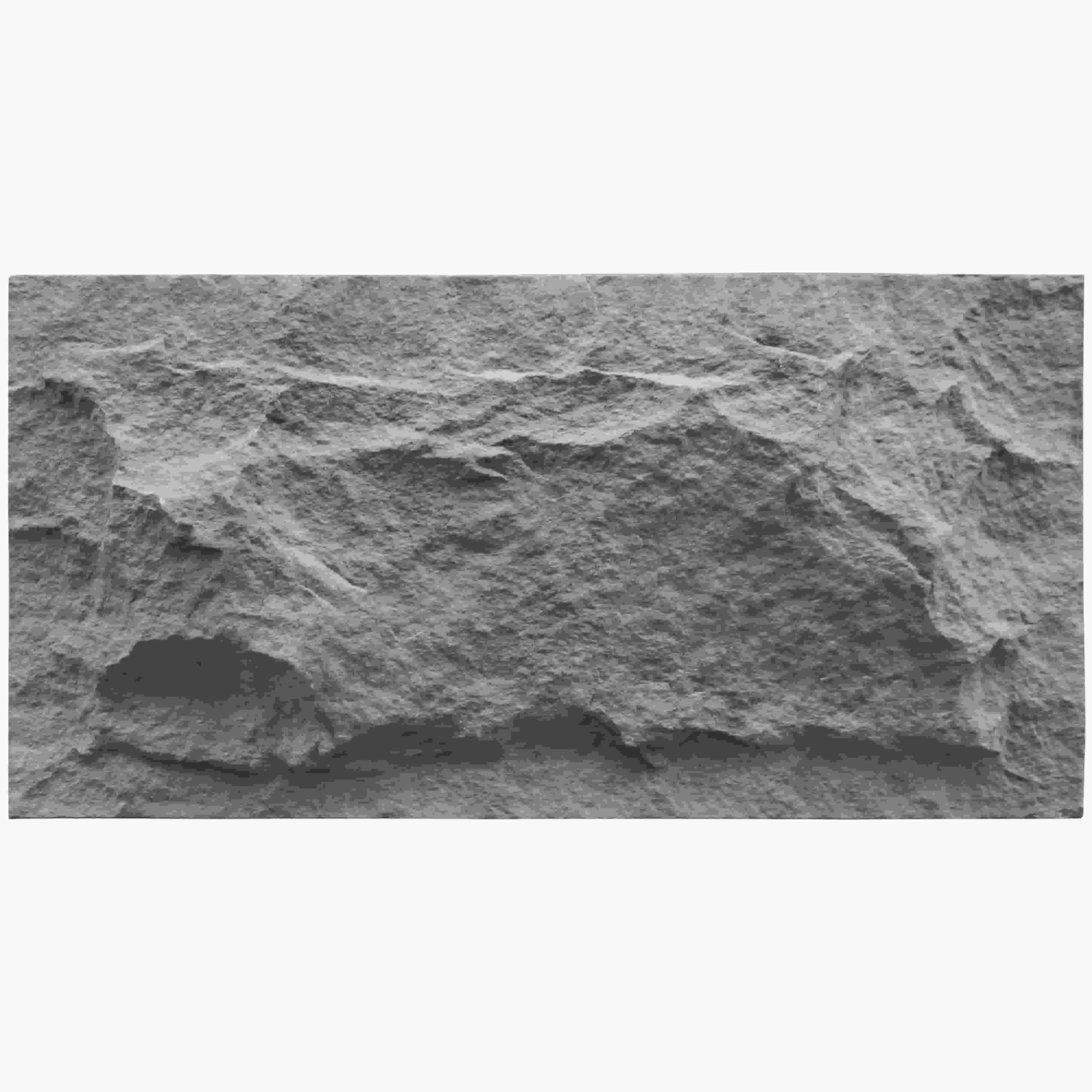
Choosing the right material for your space is about more than just looks—it's about crafting a story. Every texture, color, and finish tells a tale of durability, warmth, and purpose. For decades, natural stone has been the gold standard, with its timeless veins and earthy charm. But in recent years, innovations like MCM flexible stone have stepped into the spotlight, offering a blend of nature's beauty and modern practicality. Today, we're diving into two contenders: the innovative Crossare Mushroom Stone043 and the classic allure of natural stone, to help you decide which one deserves a place in your next project.
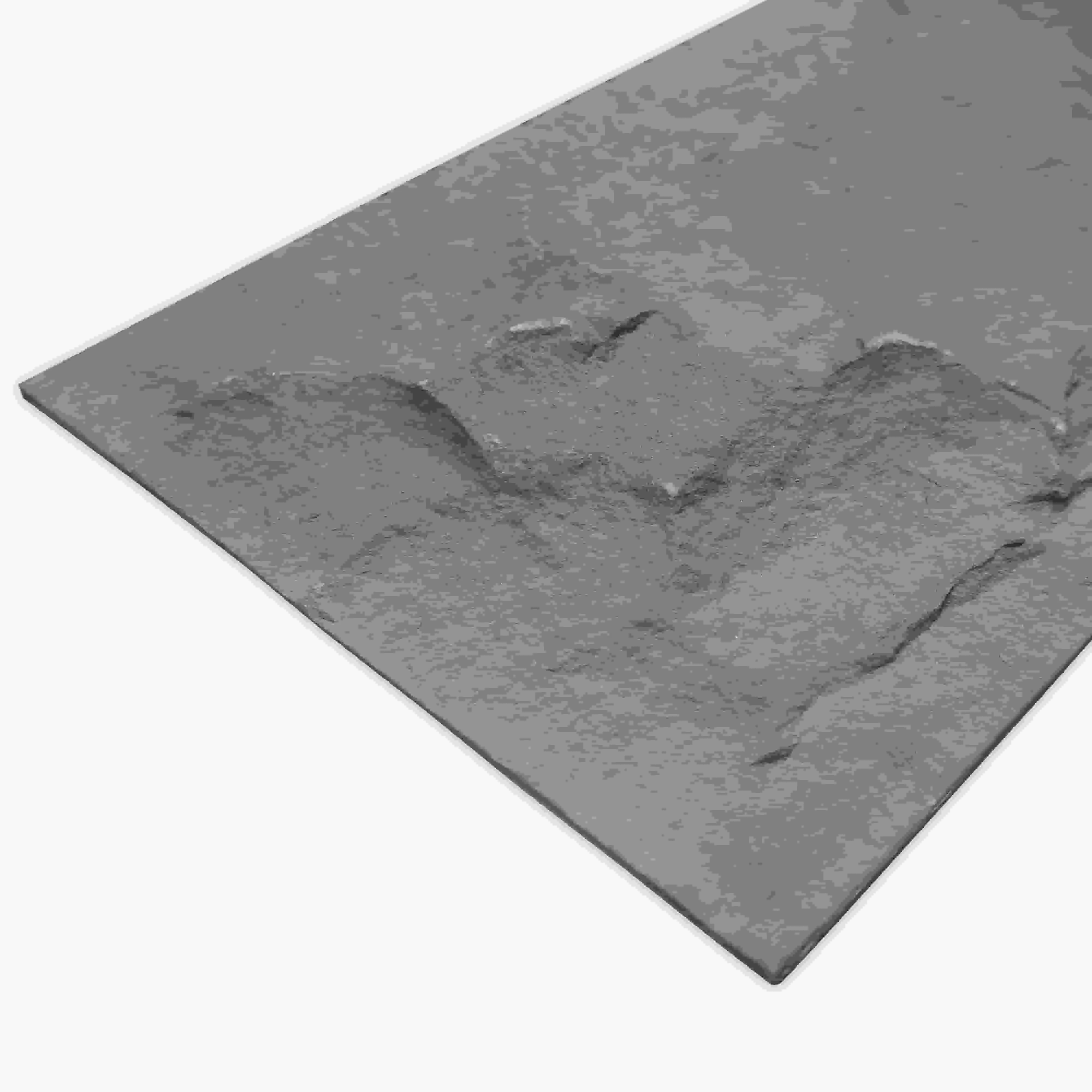
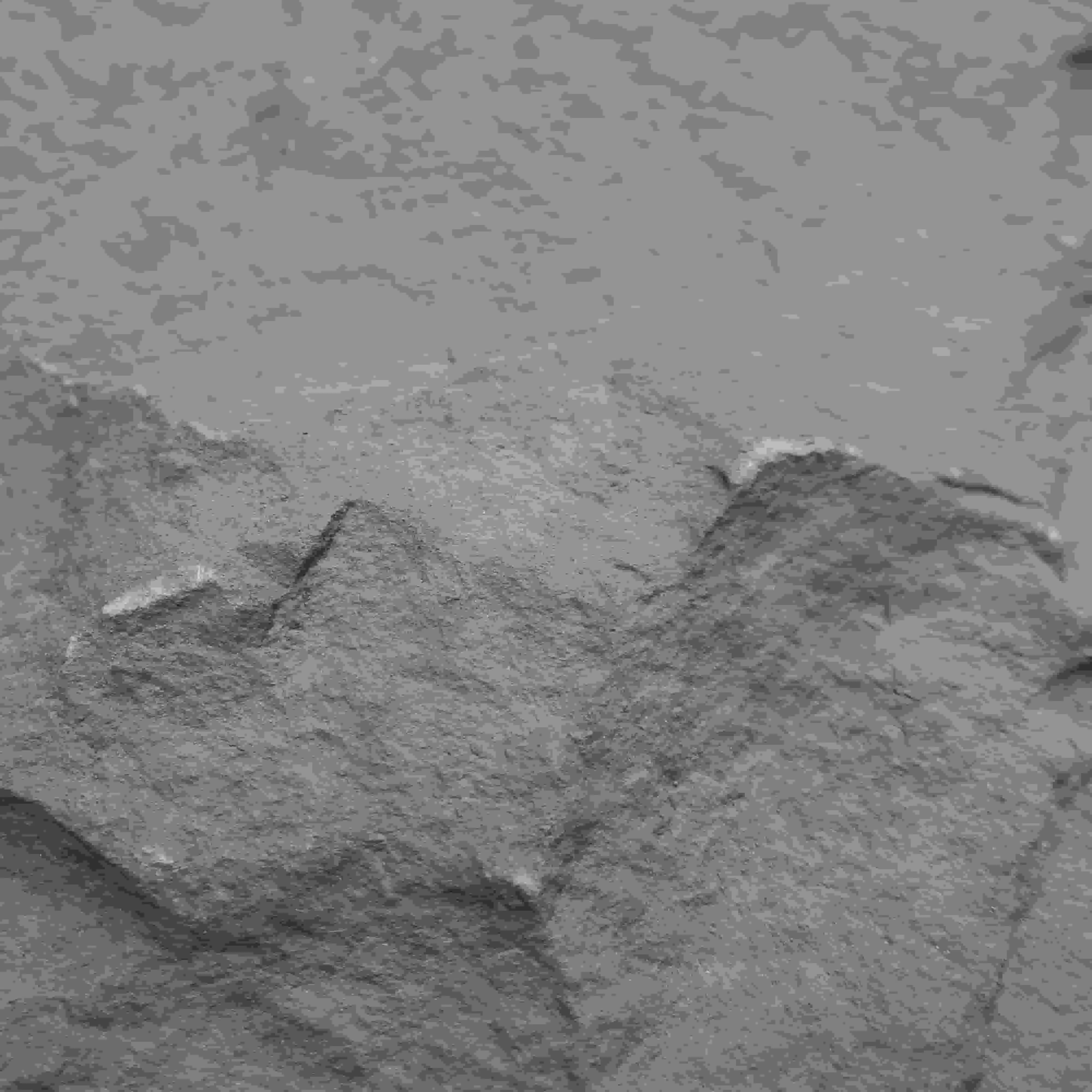
If you've ever run your fingers over a mushroom's cap—smooth yet subtly textured, with organic ridges that feel both intentional and wild—you'll understand the inspiration behind Crossare Mushroom Stone043. Part of the broader MCM (Modified Composite Material) family, this stone isn't mined from the earth; it's crafted. Using advanced 3D printing and composite technology, manufacturers blend natural mineral powders with high-performance polymers to mimic the look of natural stone, but with a twist: flexibility and lightness.
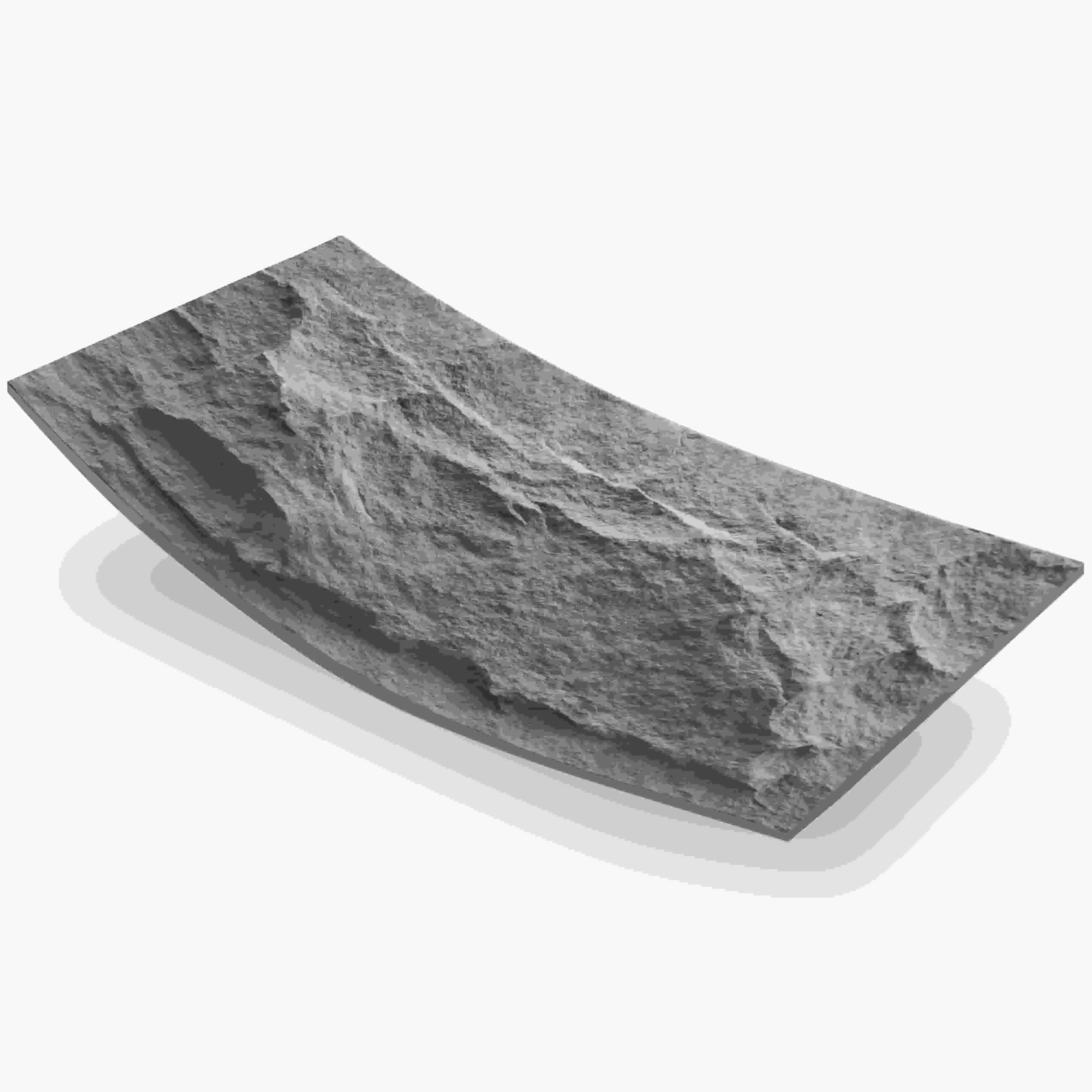
Imagine installing a feature wall in a high-rise apartment. Traditional stone would require heavy machinery and structural reinforcements, but Crossare Mushroom Stone043 weighs a fraction of the load. Its flexibility means it can curve around corners or wrap columns without cracking, opening up design possibilities that natural stone can't match. And unlike some synthetic materials that feel "plasticky," its surface has the tactile depth of quarried stone—cool to the touch, with a matte finish that softens light rather than reflecting it harshly.
What really sets it apart, though, is consistency. Natural stone is beloved for its uniqueness, but that uniqueness can be a double-edged sword. One slab might have a striking vein, the next a hairline crack. Crossare Mushroom Stone043, on the other hand, offers uniformity across panels, ensuring your vision—whether a sleek restaurant facade or a cozy home accent wall—stays intact from first panel to last.
Let's talk about travertine (starry green) for a moment. Picture a slab pulled from a Turkish quarry, its surface dotted with tiny, star-like pores (called "vesicles") that glisten when light hits them. No two slabs are the same—some have deep emerald veins, others fade to soft sage, like a forest floor after rain. This is the magic of natural stone: it's a piece of Earth's history, forged over millennia by heat, pressure, and time.
Natural stone has been building legacies for centuries. The Colosseum's travertine walls, the Taj Mahal's marble domes—these structures weren't just built; they were crafted with stone that ages like fine wine. Over time, natural stone develops a patina, a gentle wear that adds character. A scratch becomes a story; a weathered edge tells of seasons passed.
But natural stone isn't without its quirks. It's heavy—so heavy that installing it on upper floors or in retrofits often requires structural upgrades. It's porous, too; a spilled glass of red wine on travertine can leave a stain if not sealed promptly. And let's not forget cost: rare varieties like historical pathfinders stone (with its fossilized fragments of ancient life) can carry a price tag that makes even seasoned designers pause.
To truly see which material shines, let's break down their strengths and weaknesses. Below is a comparison of Crossare Mushroom Stone043 and natural travertine (starry green) across key categories:
| Feature | Crossare Mushroom Stone043 | Natural Travertine (Starry Green) |
|---|---|---|
| Weight | Lightweight (≈5kg/m²) – ideal for high-rises or retrofits | Heavy (≈25kg/m²) – requires structural support |
| Durability | Resistant to cracks, stains, and fading; UV-stable | Prone to chipping; porous (needs sealing every 1-2 years) |
| Installation | Flexible, can be cut on-site with basic tools; quick to install | Requires skilled labor; precise cutting to avoid breakage |
| Cost | Mid-range ($30-50/m²) – consistent pricing | High ($80-150/m²) – varies by rarity and quarry |
| Sustainability | Made with recycled mineral powders; low carbon footprint | Quarrying can disrupt ecosystems; transportation emits CO2 |
| Aesthetic Variety | Customizable colors and textures; uniform finish | Unique, one-of-a-kind patterns; natural veining and pores |
Let's say you're designing a boutique hotel lobby. You want it to feel luxurious but approachable, modern yet rooted in nature. If you choose Crossare Mushroom Stone043, you could clad the walls in its soft, mushroom-inspired texture, then pair it with fair-faced concrete floors for an industrial-chic vibe. The lightweight panels would reduce construction time, and the stain resistance means housekeeping won't panic over spilled coffee.
Now, imagine the same lobby in natural travertine (starry green). The walls would glow with organic veins, and the floor would feel cool underfoot on hot days. But you'd need to budget for annual sealing, and you'd have to accept that no two panels will match perfectly. For some clients, that imperfection is part of the charm—proof that the space is "alive" with nature's unpredictability.
What about outdoor spaces? Crossare Mushroom Stone043's UV resistance makes it a star for pool surrounds or patio walls, where sun exposure would fade lesser materials. Natural stone, while durable outdoors, can become slippery when wet unless textured—a detail that adds cost and complexity.
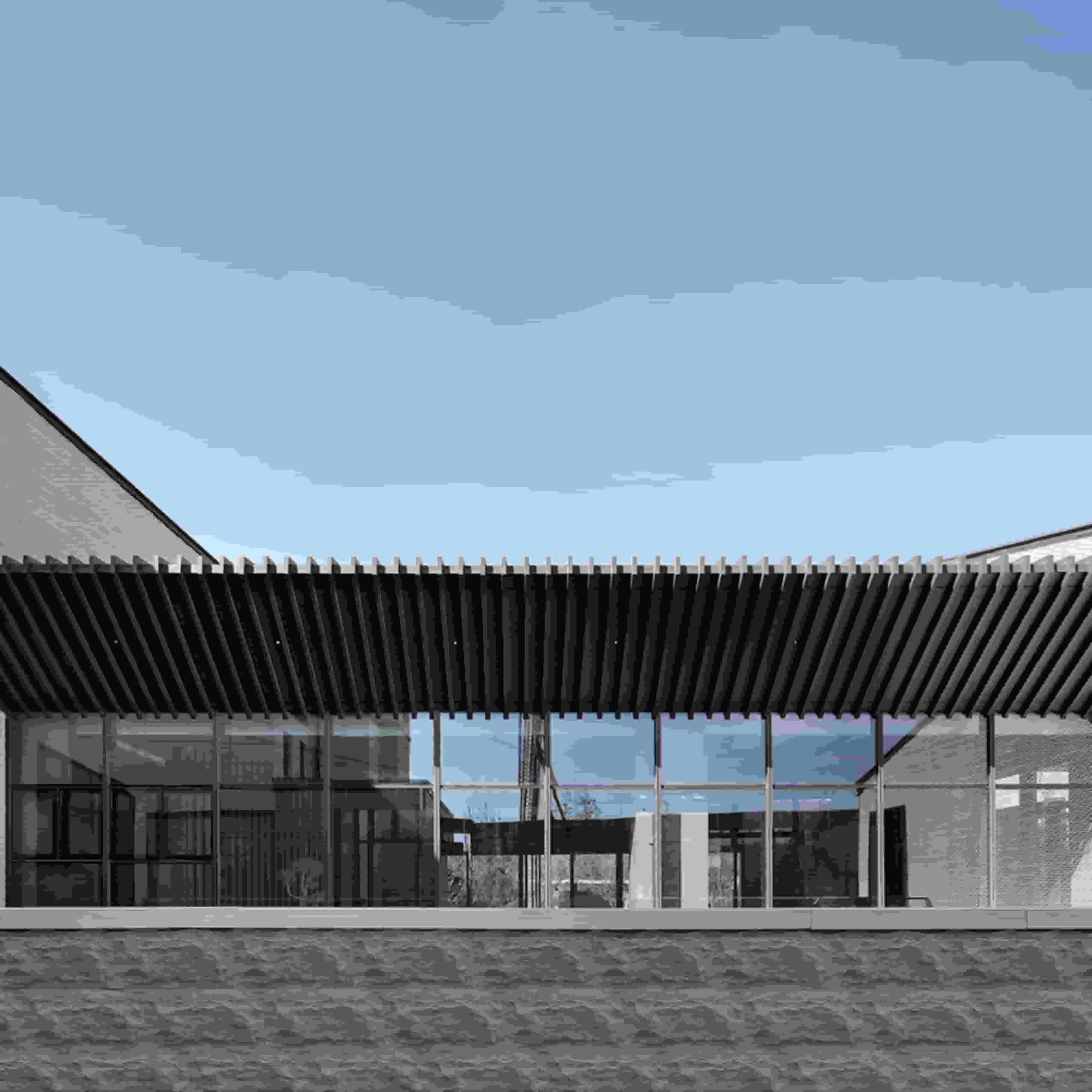
In an era where "green building" is more than a trend, sustainability matters. MCM flexible stone like Crossare Mushroom Stone043 often uses recycled stone dust and low-VOC binders, reducing waste from quarrying. Its lightweight nature also cuts down on transportation emissions—trucks can carry more panels per trip, lowering carbon footprints.
Natural stone, on the other hand, is a renewable resource (in geological time, at least), but quarrying can scar landscapes and disrupt local ecosystems. That said, some quarries now use eco-friendly practices, replanting vegetation and minimizing water use. And natural stone is 100% recyclable—old slabs can be crushed and reused as aggregate, closing the loop on waste.
There's no "one size fits all" answer, but here's a cheat sheet to guide you:
Choose Crossare Mushroom Stone043 if… You prioritize practicality, consistency, and cost-effectiveness. It's perfect for modern projects, high-rise buildings, or spaces where maintenance is a concern (think restaurants, hotels, or busy family homes). Its flexibility also makes it a dream for creative designs—curved walls, accent niches, or even custom furniture panels.
Choose Natural Stone if… You crave authenticity and are willing to invest in upkeep. It shines in heritage restorations, luxury homes, or spaces where "one-of-a-kind" is non-negotiable. If your client says, "I want something that can't be replicated," natural stone is the answer.
At the end of the day, both Crossare Mushroom Stone043 and natural stone have a role to play. One is a love letter to innovation, the other a ode to tradition. The best choice depends on the story you want your space to tell. Is it a tale of modern resilience, or a nod to Earth's ancient beauty? Whichever you pick, remember: great design isn't about the material—it's about how the material makes people feel. And both of these? They're more than capable of making people feel something.
Recommend Products












