
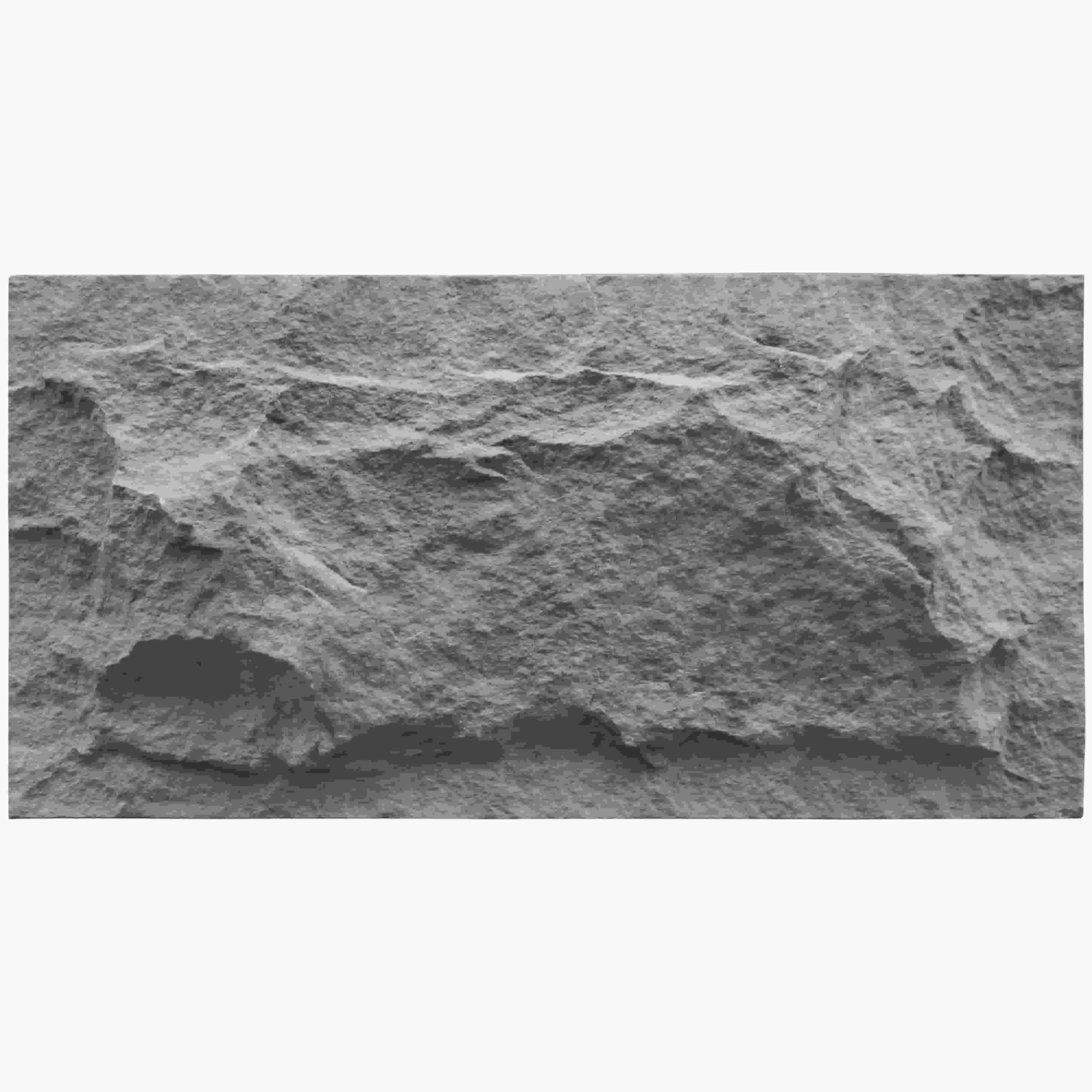
In 2025, sustainability isn't just a checkbox for architects and builders—it's the heartbeat of every project. We're no longer chasing "green enough"; we're crafting spaces that breathe with the planet, materials that tell stories of responsibility, and buildings that feel less like structures and more like extensions of nature. Amid this shift, one material has quietly stolen the spotlight: Crossare Mushroom Stone043. It's not just a new product; it's a testament to how innovation and earth-consciousness can walk hand in hand. Let's dive into why this unassuming stone is reshaping the future of green construction.
Walk into any modern home or office today, and you'll notice something different: the air feels lighter, the walls seem to "breathe," and the textures under your fingertips evoke a quiet connection to the outdoors. That's the magic of materials designed not just for function, but for feeling. In 2025, we're craving spaces that don't just shelter us—they nurture us. Crossare Mushroom Stone043 taps into this desire perfectly.
Unlike, industrial options of the past, this stone carries the warmth of natural rock with the precision of modern engineering. It's part of a broader movement that includes materials like mcm flexible stone —a category that prioritizes adaptability without sacrificing sustainability. Think of it as nature's resilience meets human ingenuity: a material that bends without breaking, mimics the earth's beauty without depleting its resources, and turns ordinary walls into stories.
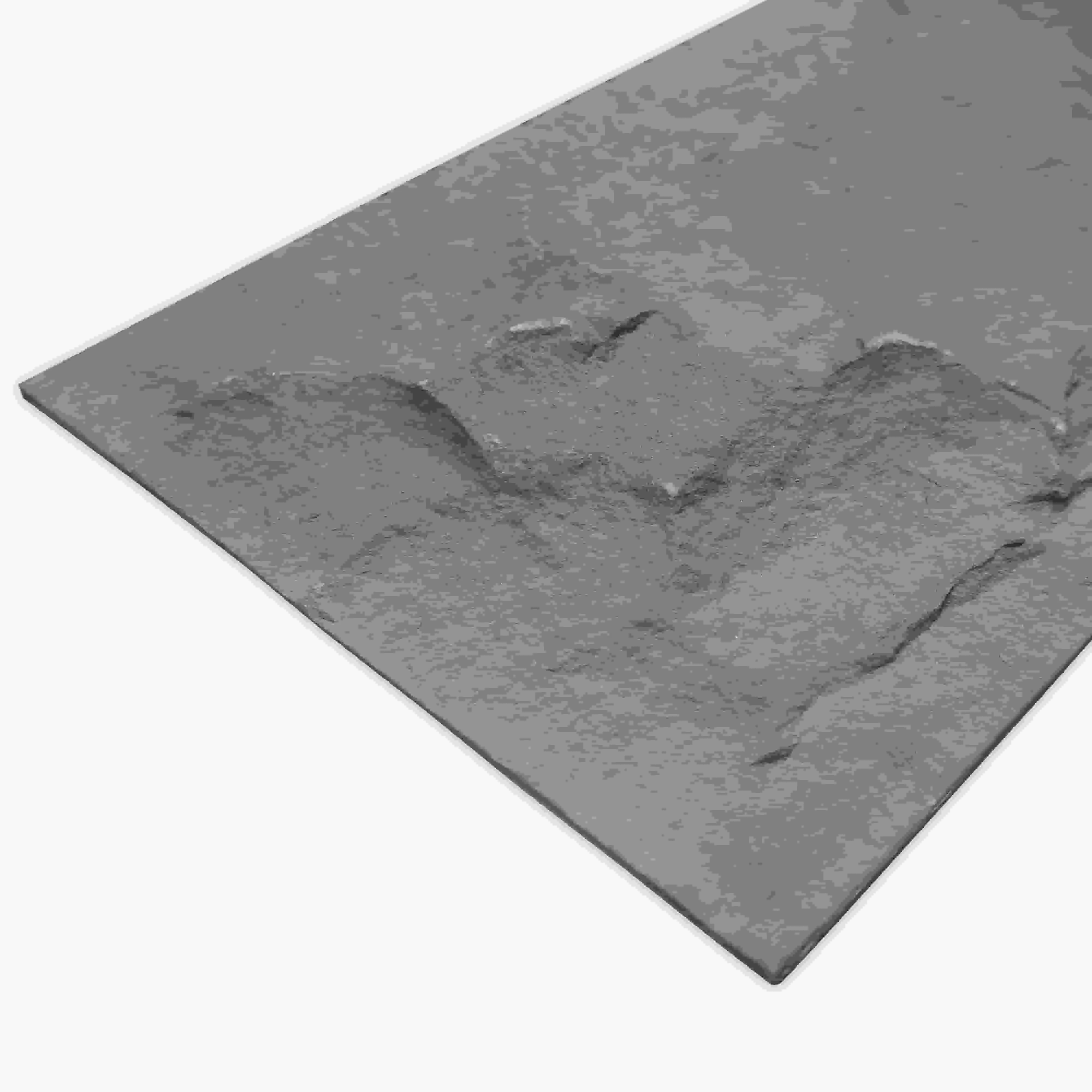
Let's start with the basics: what is Crossare Mushroom Stone043? Inspired by the gnarled, organic shapes of mushroom stones found in ancient forests—rocks eroded by time into soft, rounded forms—it's a reimagined version for the 21st century. But unlike its natural counterparts, which take centuries to form and often require destructive mining, this stone is engineered using mcm flexible stone technology. MCM, or Modified Composite Material, blends recycled minerals, plant-based binders, and a dash of innovation to create a material that's flexible, lightweight, and stunningly lifelike.
In 2025, "green" isn't about marketing—it's about metrics. Crossare Mushroom Stone043 checks every box: 70% of its raw materials are recycled (think crushed stone waste, reclaimed concrete, and even post-industrial wood fibers), its production uses 60% less water than traditional stone manufacturing, and its carbon footprint is a fraction of quarried stone. For architects tired of choosing between aesthetics and ethics, this is a revelation.
Compare that to materials like fair-faced concrete —a staple in minimalist design. While fair-faced concrete has its merits (raw, honest texture), its production is water-intensive and often relies on virgin aggregates. Crossare Mushroom Stone043 offers the same "authentic" look but with a conscience. It's proof that sustainability doesn't mean sacrificing beauty; it means redefining it.
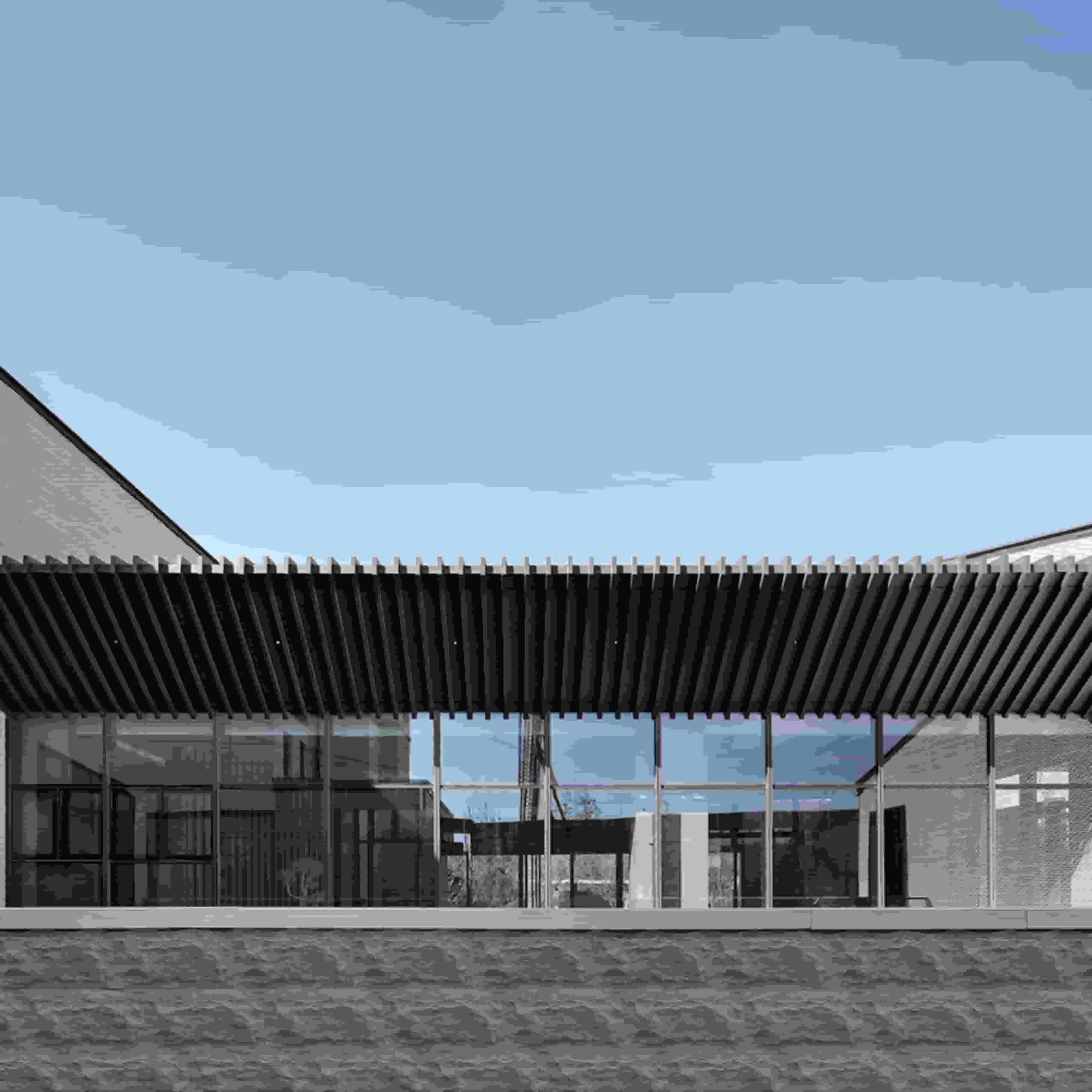
Let's talk texture. Run your hand over a wall clad in Crossare Mushroom Stone043, and you'll feel the gentle ridges and valleys, like the surface of a river stone smoothed by time. Its color palette ranges from soft, earthy beiges to deeper, mossy greens, with subtle veining that mimics natural travertine. It's not "perfect"—and that's the point. The slight variations in tone and texture give spaces a lived-in, organic feel, as if the building has been there for decades, growing with the landscape.
Architects are raving about its versatility. Pair it with bamboo mat board for a tropical, eco-chic vibe in a beach house, or contrast it with lunar peak silvery accents for a modern, celestial look in an urban apartment. It works indoors (accent walls, fireplaces) and outdoors (facades, garden walls), adapting to sun, rain, and snow without fading or cracking. In a world of cookie-cutter designs, it's a material that lets buildings have personality.
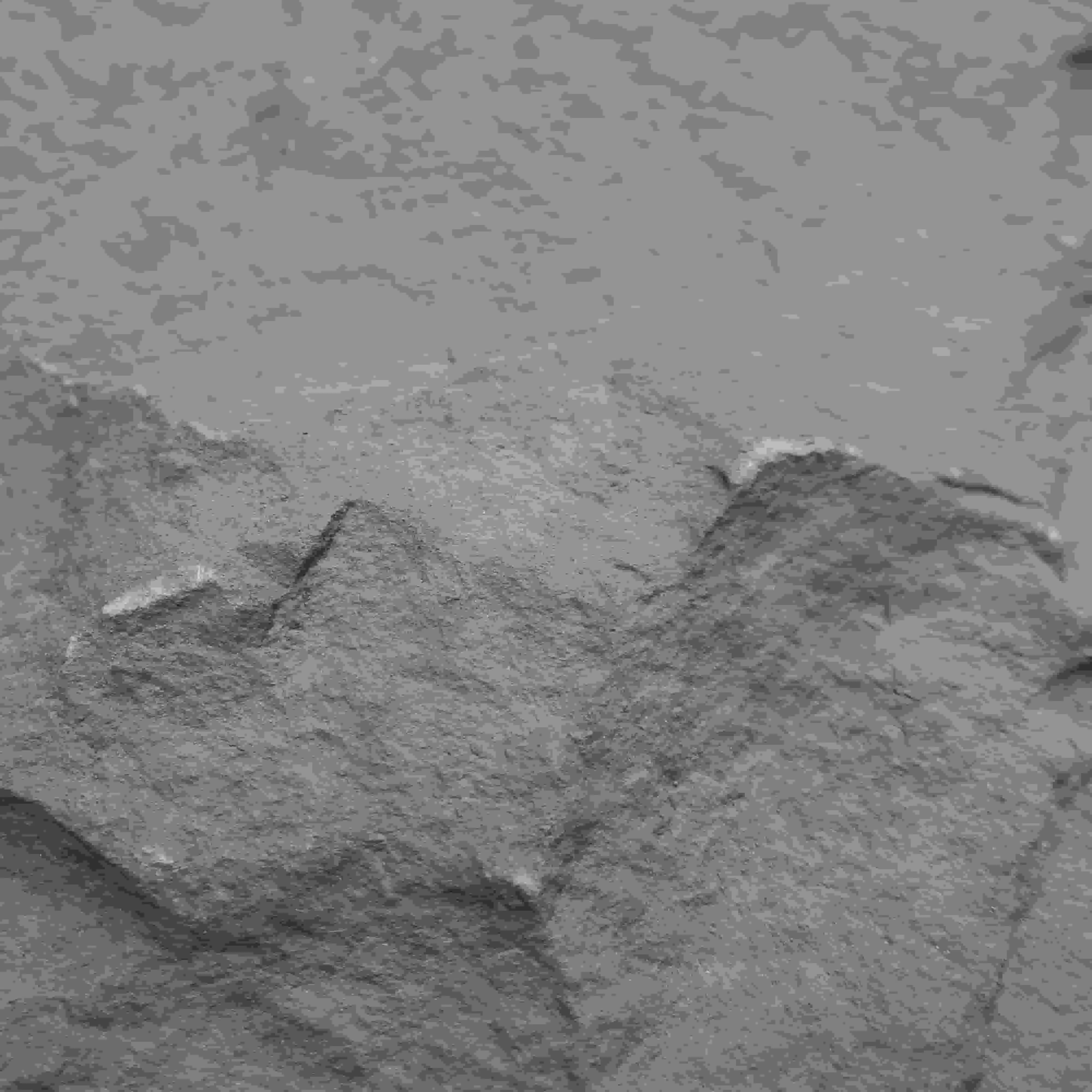
Beauty and sustainability are great, but a construction material lives or dies by its practicality. Here's where Crossare Mushroom Stone043 truly shines:
| Material | Sustainability Score (1–10) | Durability (Lifespan) | Aesthetic Versatility | Installation Ease |
|---|---|---|---|---|
| Crossare Mushroom Stone043 | 9/10 (70% recycled materials, low carbon) | 50+ years | High (indoor/outdoor, diverse colorways) | Easy (lightweight, flexible) |
| Fair-Faced Concrete | 6/10 (virgin aggregates, water-heavy production) | 40–50 years | Medium (minimalist, industrial look) | Moderate (heavy, requires skilled labor) |
| Epoch Stone | 7/10 (recycled content, but higher energy use) | 30–40 years | Medium (consistent, modern texture) | Moderate (rigid, needs precise cutting) |
| Bamboo Mat Board | 8/10 (renewable, fast-growing bamboo) | 20–30 years (vulnerable to moisture) | High (natural, warm texture) | Easy (light, but requires sealing) |
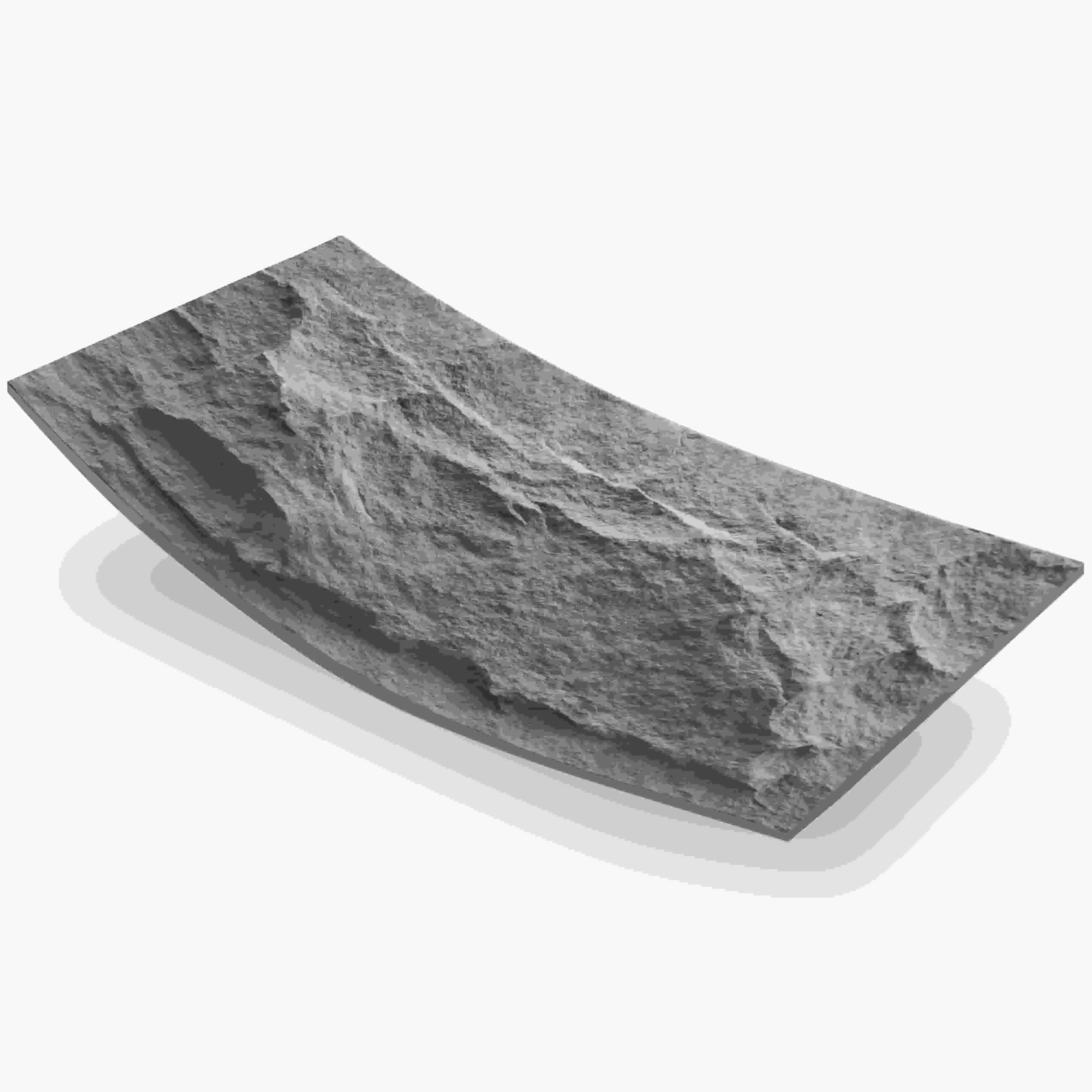
Take the "EcoVillage" project in Portland, Oregon—a community of 50 net-zero homes built in 2024. Architect Maria Gonzalez chose Crossare Mushroom Stone043 for the exterior facades. "We wanted something that felt like it belonged in the Pacific Northwest—earthy, rugged, but not harsh," she says. "The stone blends with the surrounding trees, and the residents love how it changes with the light: golden at sunrise, soft gray at dusk. Plus, knowing we cut our carbon footprint by 40% compared to traditional stone? That's a win for everyone."
Or consider the "Heritage Hub" in Boston, a renovation of a 1920s factory into a co-working space. The design team paired the stone with fair-faced concrete floors and epoch stone accents, creating a space that honors the building's industrial past while embracing a sustainable future. "The contrast between the rough mushroom stone and smooth concrete is stunning," says project manager James Lee. "People keep commenting on how 'alive' the walls feel. It's not just a workspace—it's a place that inspires."
For builders, time is money. Crossare Mushroom Stone043 cuts installation time by 30% compared to natural stone, thanks to its lightweight panels and interlocking design. "We used to spend days installing a single stone facade," says contractor Lisa Chen. "Now, a crew can do a whole house in a week. And because it's so durable, we get fewer callbacks—happy clients, happy business."
Homeowners, too, are drawn to its "set-it-and-forget-it" nature. "I have two kids and a dog—I don't have time to baby my walls," laughs Seattle homeowner Raj Patel, who used the stone in his backyard patio. "It's been through rain, snow, and a summer BBQ disaster (don't ask), and it still looks brand new. Plus, when I tell friends it's eco-friendly? They all want it now."
Crossare Mushroom Stone043 isn't just a hit in 2025—it's a sign of things to come. As materials like mcm flexible stone , epoch stone , and bamboo mat board gain traction, we're entering an era where construction doesn't take from the earth—it gives back. Imagine a city where every building's facade tells a story of sustainability, where walls breathe, and where walking down the street feels like strolling through a forest. That's the vision Crossare Mushroom Stone043 is helping us build.
So, whether you're an architect designing the next iconic green building, a builder looking to impress clients, or a homeowner dreaming of a space that's kind to the planet and your soul—keep an eye on Crossare Mushroom Stone043. It's not just a material. It's a step toward a world where we build with the earth, not against it.
In the end, the best buildings aren't just made of materials—they're made of meaning. And in 2025, Crossare Mushroom Stone043 is helping us craft meaning, one wall at a time.
Recommend Products












