
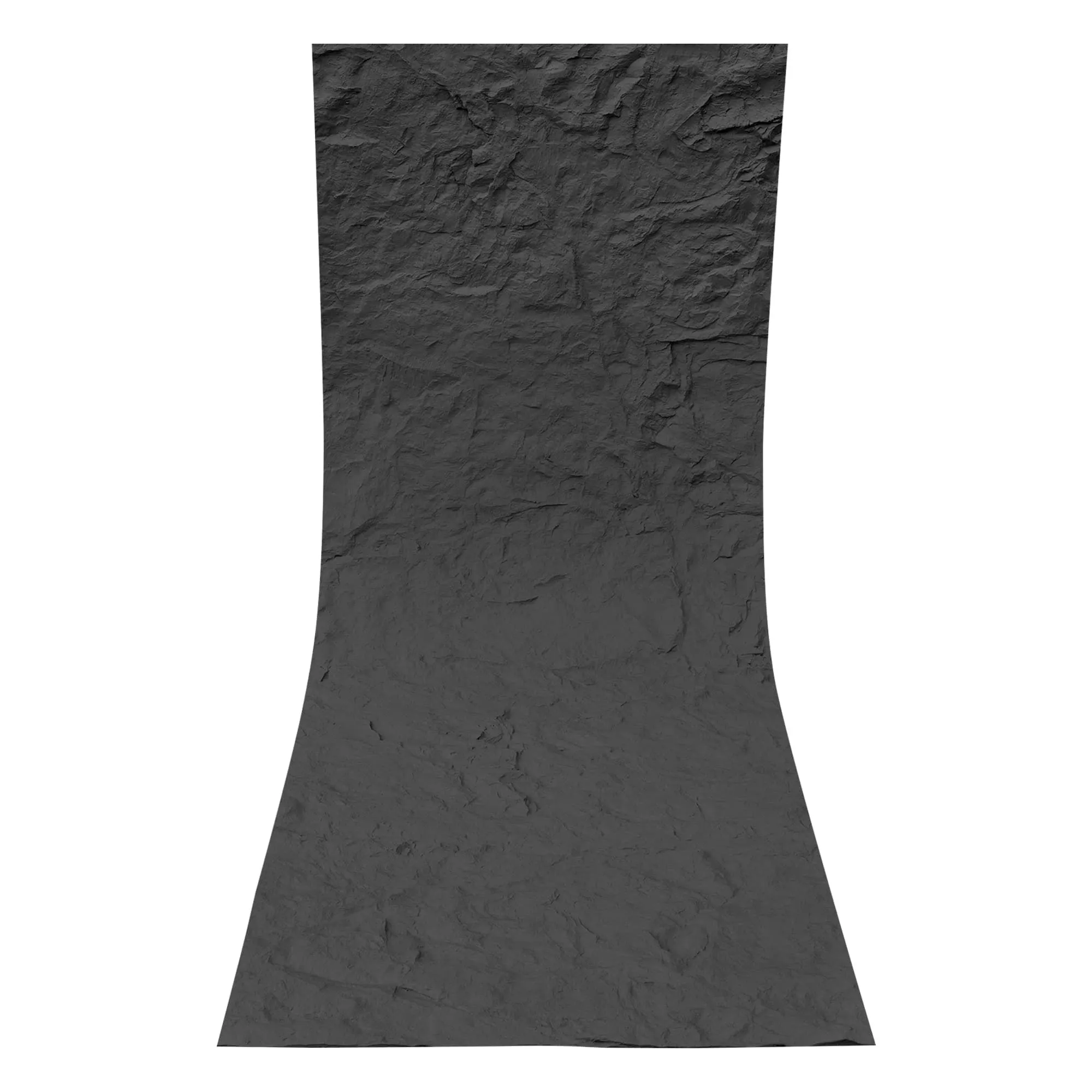
Walk into any well-designed space—whether it's a sleek downtown restaurant, a cozy mountain home, or a cutting-edge office—and you'll notice something immediately: the materials tell a story. The walls, floors, and surfaces aren't just functional; they're emotional. They set the mood, guide the eye, and even influence how we feel in a room. And when it comes to making a statement, few materials are as versatile or impactful as boulder slab . But here's the thing: the finish you choose for your boulder slab can make or break that story. Matte, polished, textured—each has its own personality, its own way of interacting with light, and its own ability to transform a space. So how do you pick? Let's dive in.
Before we get into the nitty-gritty of matte, polished, and textured, let's talk about why finishes are such a big deal. Think of it this way: if boulder slab is the canvas, the finish is the brushstroke. It's what turns a raw material into something that fits your vision. A finish affects everything from how light plays in the room to how the surface feels under your hand, from how it ages over time to how easy it is to keep clean. And in a world where design is increasingly about experience —not just aesthetics—the right finish can turn a space from "nice" to "unforgettable."
Take, for example, a residential lobby. A polished boulder slab might scream luxury, reflecting chandeliers and making the space feel grand. But in a family home with kids and pets? A matte finish might be the smarter, more practical choice, hiding fingerprints and scuffs while still feeling warm. And in a spa? A textured finish could add that tactile, earthy vibe that makes you want to reach out and touch the walls. The finish isn't just about looks—it's about function and feeling .
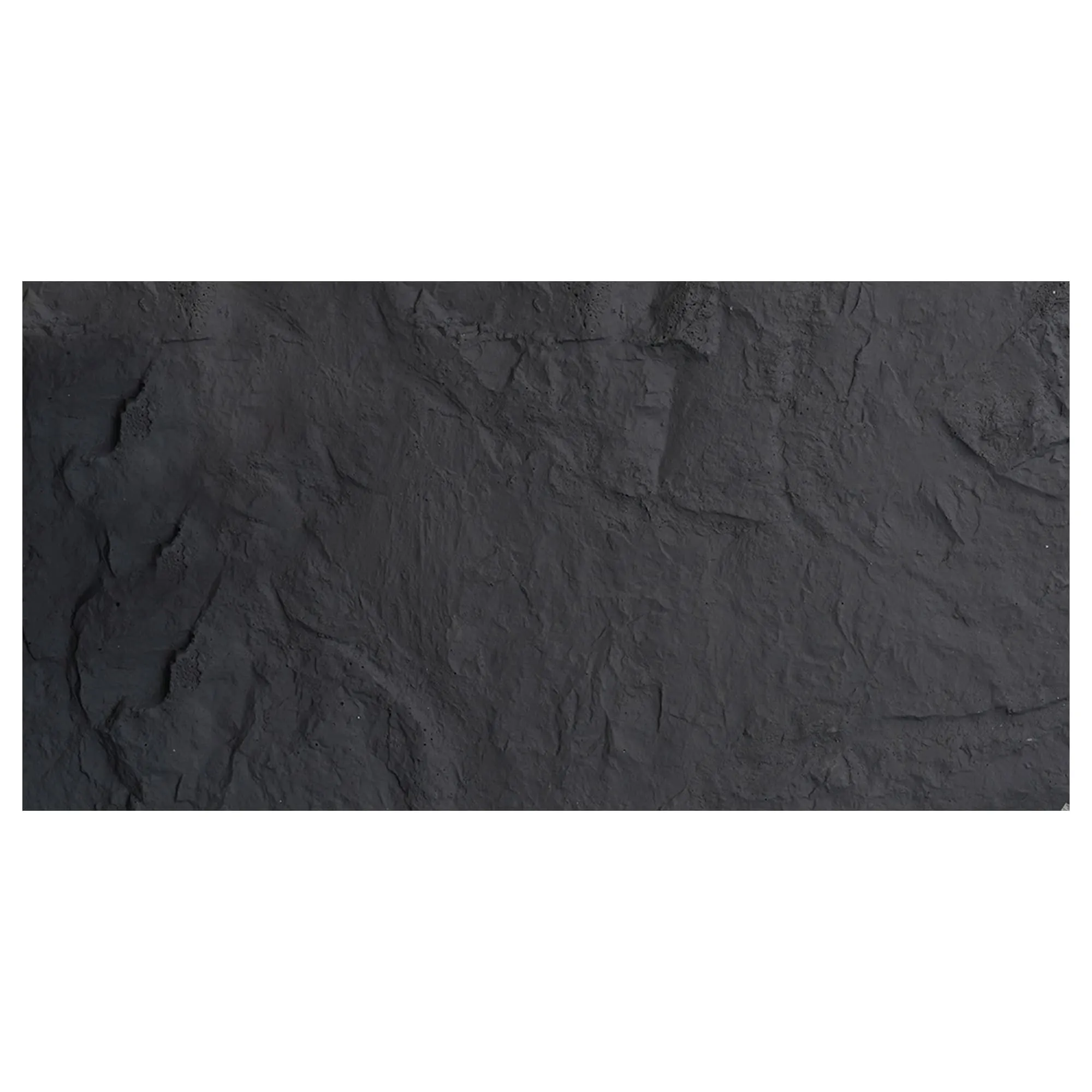
Let's start with matte. If polished is the drama queen and textured is the adventurer, matte is the quiet sophisticate. It's the finish that says, "I don't need to shout to be noticed." Matte boulder slabs have a soft, velvety look—no shine, no glare, just a smooth, even surface that absorbs light rather than reflecting it. Run your hand over it, and it feels cool and slightly porous, with a subtle grip that makes it feel grounded, almost organic.
What makes matte so popular right now? For one, it's incredibly versatile. It works in modern spaces, where clean lines and muted tones rule, but it also fits in rustic or industrial settings, adding a touch of refinement without feeling out of place. Think of a kitchen backsplash in boulder slab (vintage silver) with a matte finish: it pairs beautifully with stainless steel appliances and warm wood cabinets, adding texture without overwhelming the room. Or a bathroom floor in boulder slab (vintage black) matte—sleek, non-slip, and surprisingly calming, even with bright overhead lights.
Designers love matte for its ability to play with color, too. Since it doesn't reflect light, the true hue of the stone shines through. A boulder slab (vintage gold) with a matte finish, for instance, takes on a rich, honeyed tone that feels warm and inviting, without the flash of polished gold. It's like the difference between a glittering sequin dress and a soft cashmere sweater—both beautiful, but one is meant for a party, and the other for a cozy night in.
Where does matte shine brightest? Low-traffic areas where you want to create a calm, relaxed atmosphere. Bedrooms, home offices, and living rooms all benefit from matte's understated vibe. It's also a star in spaces with harsh or direct lighting—think west-facing rooms with afternoon sun—since it won't create annoying glare. And maintenance? Matte is surprisingly forgiving. Fingerprints, water spots, and minor scratches are far less noticeable than on polished surfaces, making it a great choice for busy households or commercial spaces like cafes, where spills and scuffs are par for the course.
Pro tip: Pair matte boulder slab with materials that have a bit of sheen to add contrast. Lunar peak silvery , with its subtle metallic undertones, makes a stunning complement. Imagine a matte black boulder slab accent wall in a home theater, paired with Lunar peak silvery trim—suddenly, the space feels modern and moody, with just enough sparkle to keep it from feeling flat.
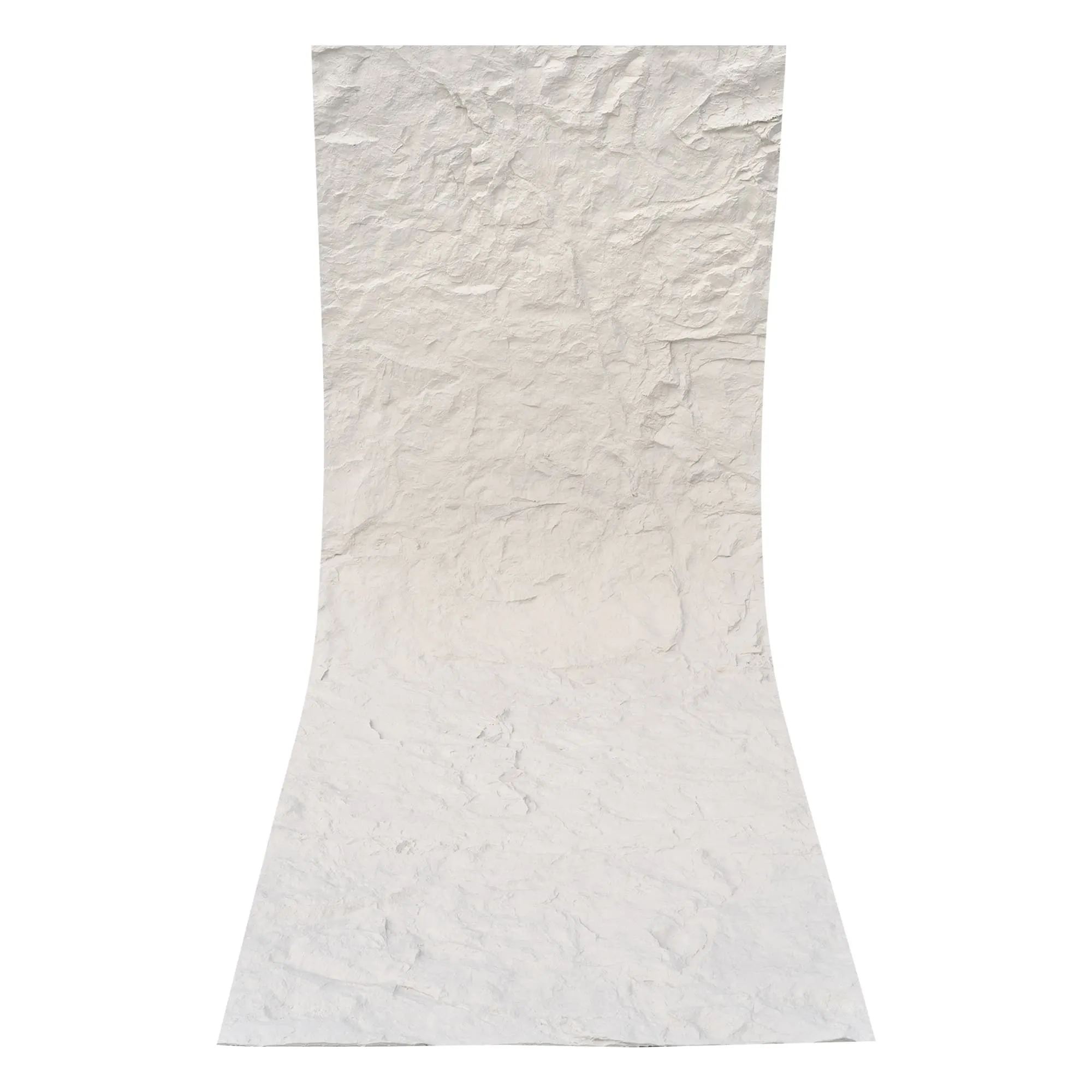
Now, let's talk polished. If matte is quiet, polished is unapologetically bold. It's the finish that turns heads, that makes a statement, that says, "This space means business." Polished boulder slabs are smooth, glossy, and mirror-like—they reflect light, color, and even the world around them, creating depth and drama in any room.
There's something inherently luxurious about polished stone. Think of ancient Roman villas with marble floors that shone like glass, or modern penthouses with polished granite countertops that reflect the city skyline. Polished boulder slab carries that same legacy of elegance, but with a rugged edge that makes it feel less precious and more approachable. It's the kind of material that works in a five-star hotel lobby, but also in a high-end kitchen where you want to feel like you're cooking in a space that's as beautiful as the food you're making.
What's striking about polished boulder slab is how it interacts with light. In a room with natural light, it'll dance—reflecting windows, plants, and even the sky, making the space feel larger and more open. In a room with artificial light, it becomes a focal point, bouncing back chandeliers, pendant lights, and wall sconces to create a warm, inviting glow. And the color options? Travertine (vintage gold) is a great comparison here—its polished finish has that same warm, reflective quality, but boulder slab adds a heft and durability that travertine can't match. Boulder slab (vintage gold) polished, for example, has a richness that's hard to replicate—think of liquid amber frozen in stone, catching the light and turning a simple hallway into a runway.
But polished isn't all about looks—it has its practical side, too. Because the surface is sealed and non-porous (thanks to the polishing process), it's resistant to stains and easy to clean. A quick wipe with a damp cloth is usually all it takes to keep it looking fresh. That said, it's not without its downsides. Polished surfaces show every fingerprint, every water spot, and every scratch. So if you're considering polished, think about traffic: high-traffic areas like entryways or kids' playrooms might not be the best fit. Save it for spaces where you want to make an impact—like a dining room feature wall, a hotel reception desk, or a master bathroom vanity where you can admire your reflection (and the stone) while getting ready in the morning.
Designer Maria Gonzalez, who recently used polished boulder slab (vintage silver) in a boutique hotel in Miami, puts it this way: "Polished boulder slab is like a blank canvas for light. In the morning, it's cool and silvery, reflecting the ocean. At night, with the hotel's warm lighting, it turns into this soft, glowing surface that makes guests feel like they're walking into a luxury resort. It's transformative."
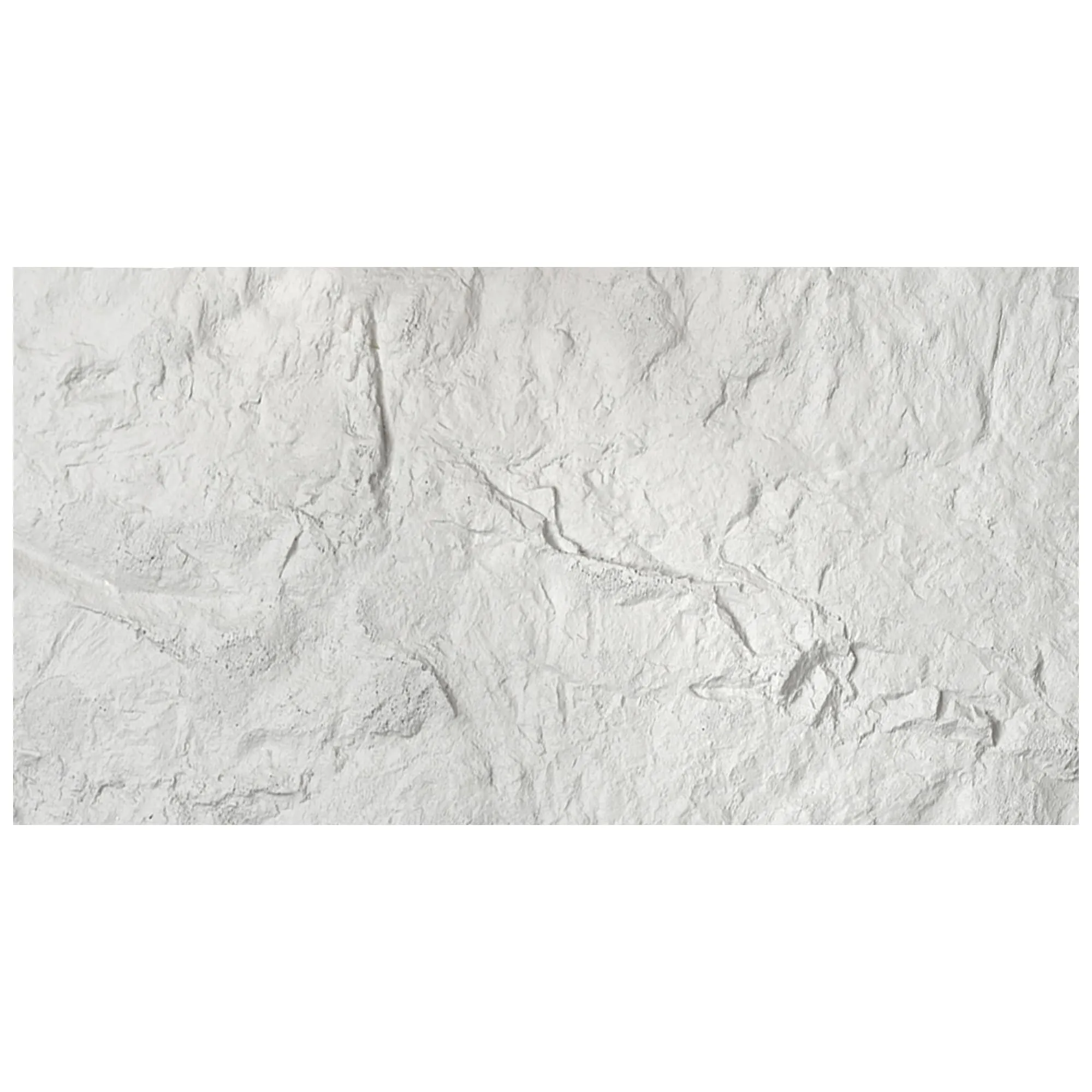
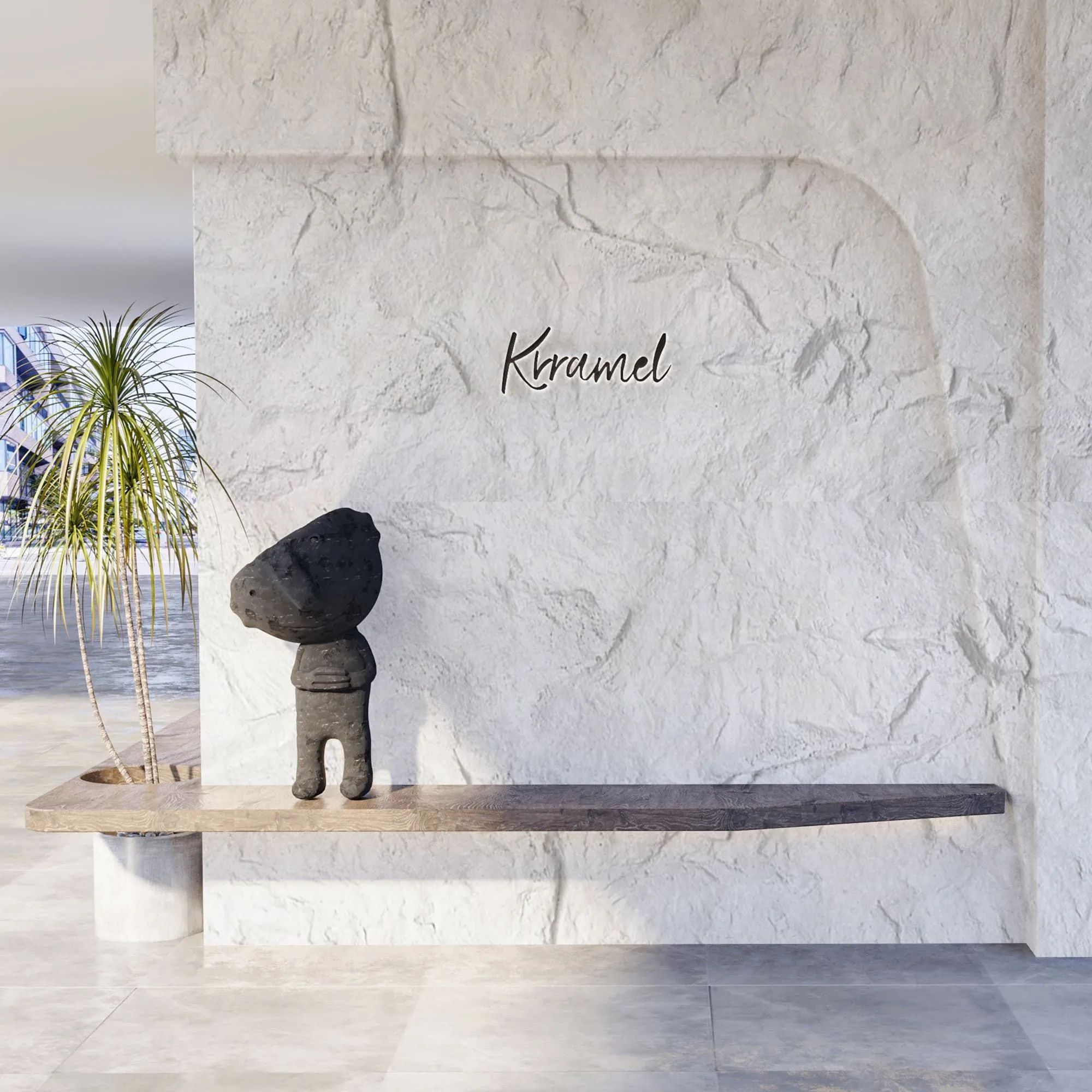
Last but never least: textured. If matte is about subtlety and polished is about shine, textured is about depth . It's the finish that invites interaction, that makes you want to reach out and run your fingers over the surface. Textured boulder slabs have a rough, uneven surface—think of the natural grain of stone, the bumps and ridges that form over centuries of being shaped by wind and water. It's raw, it's organic, and it adds a layer of visual interest that flat finishes just can't match.
There's a reason textured finishes are having a moment in design right now. In a world that's increasingly digital—where we spend so much time staring at screens—people are craving tactile experiences . Textured surfaces satisfy that urge. They make a space feel more human, more connected to nature. Walk into a room with textured boulder slab walls, and you don't just see the design—you feel it.
Textured boulder slab comes in all kinds of patterns, from subtle sandblasted textures that feel like fine-grained sandpaper to more dramatic chiseled finishes that have deep grooves and peaks. Some even mimic natural stone formations, like the rough-hewn look of a mountain cliff or the pitted surface of a river rock. And because of that texture, these slabs are incredibly versatile. They work outdoors, standing up to rain, snow, and UV rays, and they work indoors, adding warmth to living rooms, bedrooms, and even bathrooms.
One of the best things about textured boulder slab is how it pairs with other materials. MCM flexible stone , for example, is a lightweight, flexible cladding material that shares that same tactile quality. Imagine a backyard patio with textured boulder slab flooring and MCM flexible stone walls—suddenly, the space feels like an extension of the natural landscape, with layers of texture that make you want to sit down and stay awhile. Or a restaurant with a textured boulder slab accent wall and warm wood tables—the contrast between rough stone and smooth wood creates a cozy, inviting vibe that keeps customers coming back.
Textured finishes are also practical. The rough surface provides grip, making them ideal for outdoor spaces like pool decks or walkways, where slip resistance is key. And because they hide dirt and scuffs better than polished (though not quite as well as matte), they're a great choice for high-traffic areas. Think of a commercial hallway in a museum—textured boulder slab can handle thousands of footsteps a day and still look just as good as the day it was installed.
But perhaps the biggest selling point of textured boulder slab is the story it tells. Every ridge, every groove, feels like a nod to the earth's history—like you're bringing a piece of the outdoors in. As designer James Chen puts it: "Textured stone isn't just a material. It's a conversation starter. Clients will walk into a room and say, 'What is that? It feels amazing.' That's the power of texture—it engages people on a sensory level, and that's what makes a space memorable."
Okay, so now you know the basics: matte is understated, polished is glamorous, textured is tactile. But how do you choose which one is right for your project? Let's break it down into a few key factors.
Start by thinking about where the boulder slab will live. Outdoor spaces—patios, pool decks, walkways—often benefit from textured finishes, thanks to their slip resistance. Indoor spaces? It depends on the room. Bedrooms and living rooms might lean matte for coziness, while dining rooms or lobbies could go polished for drama. That said, there are exceptions: a matte finish works great outdoors too, especially in modern homes where a sleek, minimalist look is desired.
Lighting can make or break a finish. Polished slabs love bright, indirect light—think large windows or soft overhead fixtures—where they can reflect and glow. But in a room with harsh, direct sunlight? Polished might create glare that's more annoying than elegant. Matte, on the other hand, thrives in bright light, absorbing it and creating a calm, even atmosphere. Textured finishes work well in just about any lighting, but they really shine in warm, ambient light, where the shadows from their grooves add depth and dimension.
How much foot traffic (or hand traffic) will the surface get? Polished slabs are stunning, but they show every scuff and fingerprint—so if you're installing them in a busy kitchen or a kids' playroom, be prepared for frequent cleaning. Matte and textured finishes are more forgiving, hiding minor imperfections and standing up better to wear and tear. That said, all boulder slabs are durable—even polished ones—so with proper care, they can last for decades.
Finally, think about the mood you want to create. Do you want the space to feel luxurious and grand? Go polished. Warm and cozy? Matte. Earthy and adventurous? Textured. And don't be afraid to mix and match! A polished boulder slab countertop with a matte backsplash can create a dynamic, layered look. Or a textured accent wall with polished flooring—suddenly, the room has depth and contrast, keeping the eye moving and the space feeling alive.
| Finish Type | Appearance | Tactile Feel | Best For | Maintenance Level | Complementary Materials |
|---|---|---|---|---|---|
| Matte | Soft, velvety, no shine; absorbs light | Cool, slightly porous, subtle grip | Low-traffic indoor spaces, modern/rustic design, areas with harsh lighting | Low (hides fingerprints/scuffs) | Lunar peak silvery, fair-faced concrete |
| Polished | Glossy, reflective, mirror-like; bounces light | Smooth, cool, glass-like | High-end indoor spaces (lobbies, dining rooms), areas with soft lighting | Medium (shows fingerprints/scratches) | Travertine (vintage gold), marble stream stone |
| Textured | Rough, uneven, layered; creates depth with shadows | Rugged, tactile, grippy (varies by texture) | Outdoor spaces, high-traffic areas, spaces wanting organic/earthy vibe | Low (hides dirt; grip for safety) | MCM flexible stone, wood grain board |
While boulder slab is a star on its own, it rarely shines brightest when it's alone. The best designs are about layering—combining materials that complement each other to create a cohesive, memorable space. So if you're planning to use boulder slab, here are a few complementary materials to consider, depending on your finish choice.
For matte boulder slab: Fair-faced concrete is a natural partner. Both have that raw, understated look, with matte concrete adding an industrial edge that pairs beautifully with the organic feel of boulder slab. Imagine a living room with matte boulder slab (vintage silver) walls and fair-faced concrete floors—suddenly, the space feels modern, minimalist, and incredibly grounded.
For polished boulder slab: Travertine (vintage gold) is a great match. Both have warm, reflective qualities, but travertine adds subtle veining that complements the smoothness of polished boulder slab. A kitchen with polished boulder slab (vintage gold) countertops and travertine (vintage gold) backsplash feels luxurious and cohesive, with layers of warmth that make the space feel inviting.
For textured boulder slab: MCM flexible stone is a game-changer. It's lightweight, easy to install, and has that same tactile, earthy vibe—perfect for walls or ceilings where heavy boulder slab might not be practical. A bathroom with textured boulder slab flooring and MCM flexible stone shower walls feels like a spa retreat, with layers of texture that make you want to relax and unwind.
At the end of the day, choosing a finish for your boulder slab isn't just about picking between matte, polished, or textured. It's about choosing the story you want your space to tell. Do you want it to feel luxurious? Calm? Adventurous? The finish is the first chapter of that story—and with boulder slab, you've got three incredible options to start with.
So take your time. Touch the samples. Imagine how the light will hit them in your space. Think about how you'll use the room, who will be in it, and how you want them to feel. And remember: there's no "right" or "wrong" choice—only the choice that feels right for you . Because when it comes to design, the best spaces are the ones that reflect the people who live and work in them. And with boulder slab—whether matte, polished, or textured—you're not just building a surface. You're building a story.
Recommend Products












