
How two exceptional materials redefine design possibilities through color
Walk into any thoughtfully designed space, and you'll notice it immediately—the color of the surfaces. It's not just about aesthetics; it's about feeling. A warm, terracotta stone might wrap a café in coziness, making you want to linger over a latte. A cool, starry blue wall could turn a home office into a serene retreat, where focus flows effortlessly. For designers and homeowners alike, finding that perfect shade isn't just a detail—it's the heartbeat of a project.
But here's the challenge: natural stones, while stunning, often come with limited color control. Man-made materials, on the other hand, can feel sterile, lacking the depth of something forged by time. That's where two game-changers enter the scene: Gravel Omani Stone and MCM Flexible Stone . Both promise to bridge the gap between nature's beauty and human precision, but how do they stack up when it comes to custom color matching? Let's dive in.
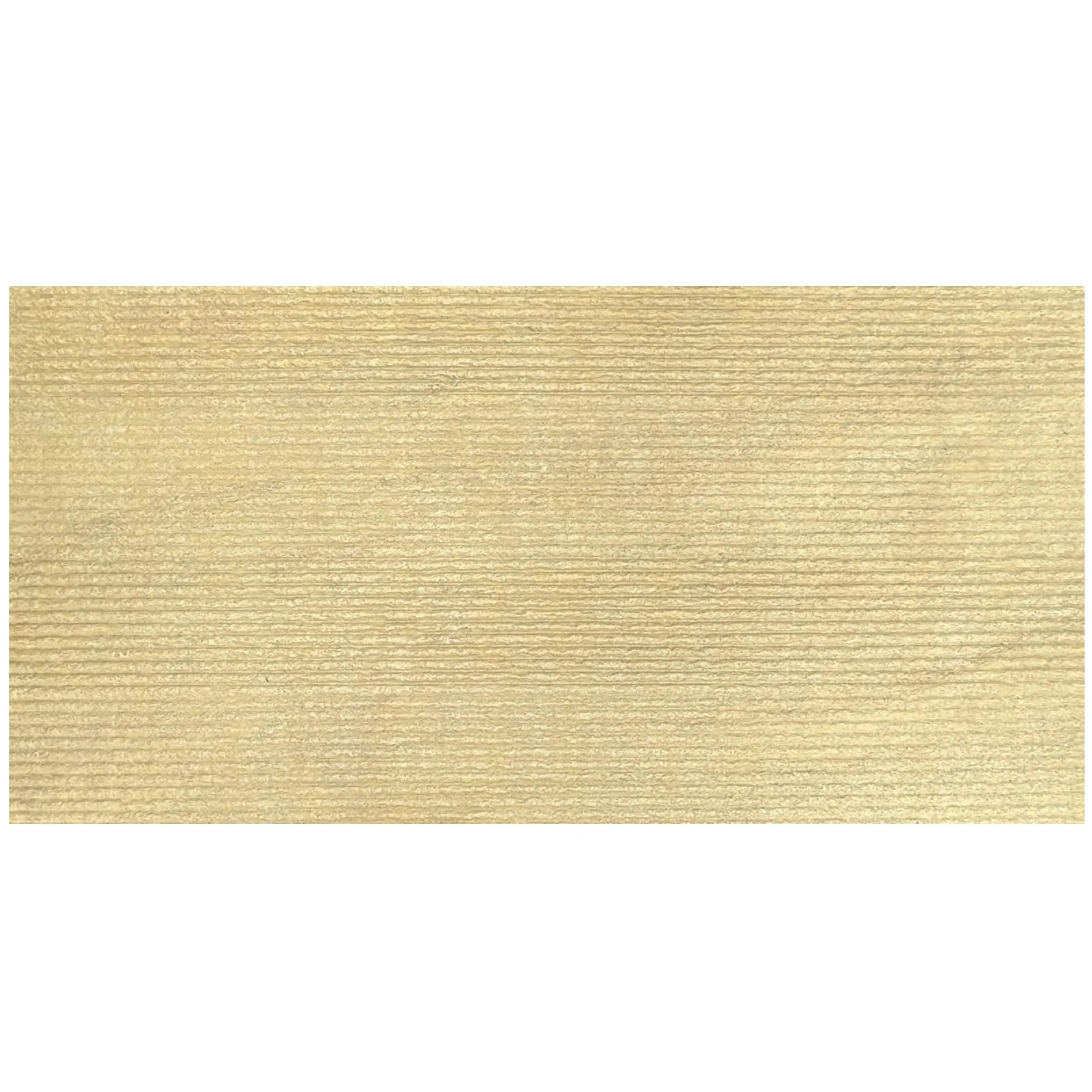
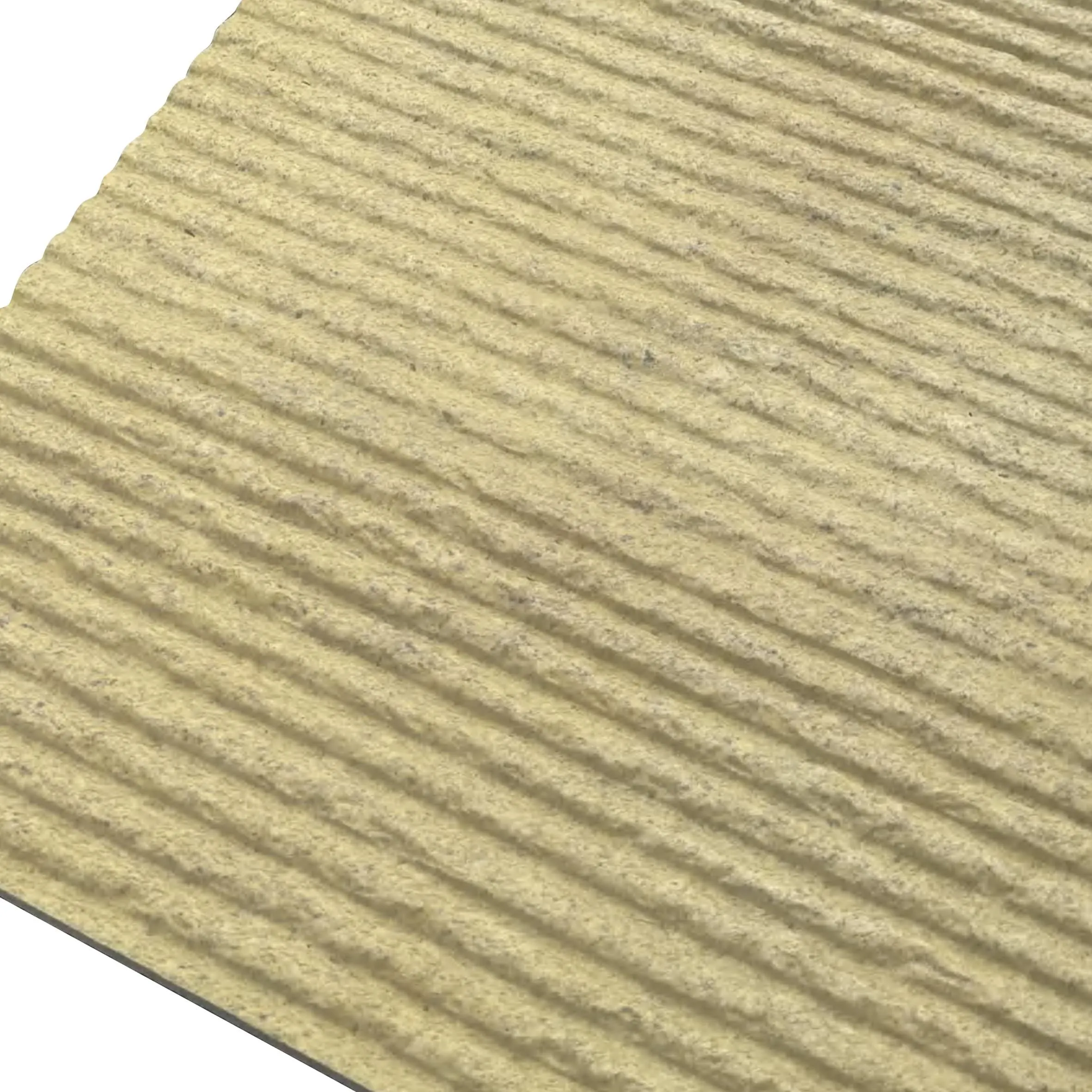
I've always been drawn to stones with a story, and Gravel Omani Stone reads like a novel written by the desert. Quarried from the rocky landscapes of Oman, this natural stone carries the (yìn jì—mark) of its origins: sun-baked earth, gentle winds, and the slow, patient work of geological time. Its color palette is a love letter to the outdoors—think soft beiges that mimic desert sand at dawn, warm browns like aged leather, and subtle gold flecks that catch the light like scattered coins.
What makes Gravel Omani unique is its natural variation . No two slabs are identical. One might have a swirled pattern of cream and taupe, another a richer base with veins of terracotta. For designers seeking that "organic imperfection," this is a dream. It's the kind of stone that adds character to a space, telling guests, "This isn't just a wall—it's a piece of the earth."
But when it comes to custom color matching, Gravel Omani plays by nature's rules. You won't walk into a quarry and ask for "pantone 14-4120 TCX" and get an exact match. Instead, customization here is about selection . Suppliers curate batches based on dominant tones, and you choose the slab that best aligns with your vision. It's a collaboration with the earth, not a command. For example, if you're designing a coastal home and want a lighter, airier feel, you might opt for Gravel Omani with more white veining. For a rustic cabin, a deeper, more saturated brown slab would take center stage.
I worked with a client once who insisted on "the color of my grandmother's old terracotta pots"—warm, slightly weathered, with a hint of pink. We spent a morning sifting through Gravel Omani samples, and when we found the one? Her eyes lit up. "That's it," she said. "It feels like home." That's the magic of natural stone: it doesn't just match a color—it matches a memory.
Limitations? They exist. If your project demands exact color consistency across 1000 square feet, Gravel Omani might not be the best fit. Natural stones have variations, and while they're beautiful, they can throw off a monochromatic design. It's also heavier than man-made alternatives, which can limit installation in high-rise buildings or areas with weight restrictions.
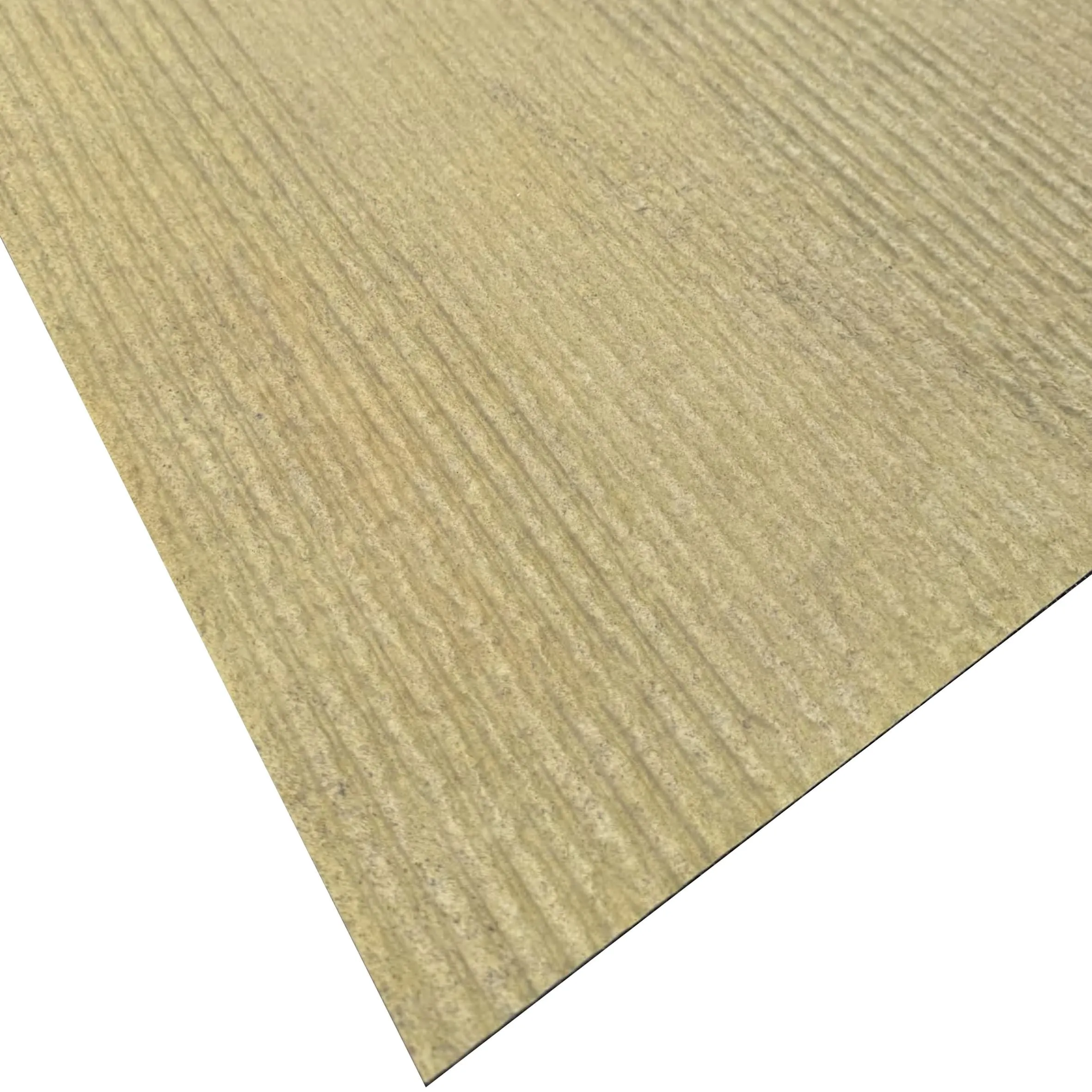
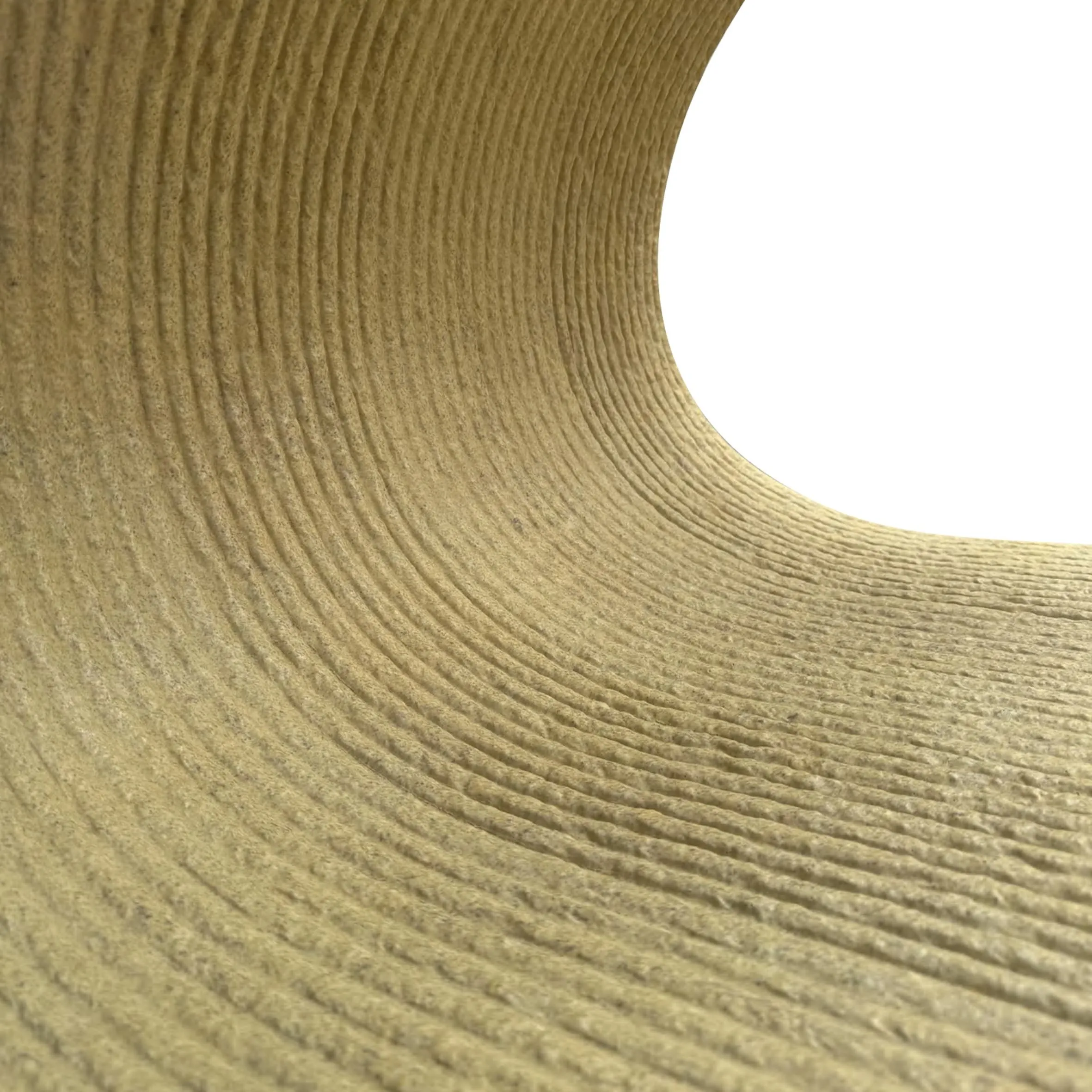
If Gravel Omani is the earth's poem, MCM Flexible Stone is a designer's blank canvas—one that can be painted, shaded, and tailored to almost any hue. Short for "Modified Composite Material," MCM Flexible Stone is a modern marvel: lightweight, durable, and engineered to mimic the look of natural stone without the limitations. And when it comes to color? It's a game-changer.
Here's where MCM's technology shines: its 3D printing series and big slab board series allow for precision that natural stone can't touch. Imagine being able to scan a fabric swatch, a vintage tile, or even a sunset photo, and have that color translated onto a stone panel. That's the promise of MCM. The material is a blend of natural minerals and polymers, which means color pigments can be added during production, resulting in consistent, repeatable shades.
Take the Travertine (Starry Blue) from MCM's lineup, for example. It's not just blue—it's a deep, cosmic blue, dotted with tiny white specks that look like stars in a night sky. This isn't something you'd find in nature; it's a collaboration between science and imagination. I saw it used in a boutique hotel lobby once, paired with warm wood accents, and guests kept stopping to run their hands over it, as if checking if the stars were real. "It feels like bringing the outdoors in, but on our terms," the designer told me. "We wanted the lobby to feel like a planetarium, and MCM made that possible."
MCM's color range is staggering. Beyond the starry travertines, there's the lunar peak series —silvery whites that glow like moonlight, golden yellows that evoke sunrise, and deep blacks that feel like a void (in the best way). The foamed aluminium alloy boards add metallic sheen, perfect for modern spaces craving industrial chic. And if you need something truly one-of-a-kind? MCM's custom color matching service lets you bring in a sample—a paint chip, a fabric swatch, even a leaf from your backyard—and they'll replicate that color down to the undertones.
What does this mean for designers? Freedom. I recently worked on a restaurant project where the client wanted the walls to match the exact shade of their signature saffron spice—a warm, golden orange with a hint of earthiness. With natural stone, we would have compromised. With MCM? We sent a saffron thread to the lab, and three weeks later, we had panels that looked like liquid sunshine. The result? Diners walk in and immediately think, "This place feels like home—cozy, vibrant, and full of life."
But MCM isn't just about bold colors. Its big slab board series is a godsend for large-scale projects. Imagine a corporate lobby with 20-foot walls—MCM can produce slabs up to 1200x2400mm, ensuring seamless color flow with no visible seams. No more "close enough" matches between small tiles; just a single, uninterrupted canvas of your chosen shade. It's precision that natural stone, with its slab size limitations, can't match.
To help you decide which stone is right for your project, let's break down their custom color capabilities, applications, and more in a side-by-side comparison:
| Feature | Gravel Omani Stone | MCM Flexible Stone |
|---|---|---|
| Color Range | Earthy tones: beiges, browns, golds, soft terracottas (natural variation) | Vast: solids, metallics, starry patterns (e.g., Travertine Starry Blue), pastels, bold hues, custom matches |
| Customization Level | Selection-based: choose from natural batches; limited to existing color variations | Precision-based: replicate exact Pantone/RGB values; 3D printing for patterns |
| Consistency | Low: natural variations between slabs (characterful but not uniform) | High: uniform color across large slabs; no unexpected veining or flecks |
| Best For | Rustic, bohemian, or nature-inspired spaces; projects valuing organic texture | Modern, minimalist, or theme-driven designs; large-scale commercial projects |
| Durability | High: resistant to scratches and weather (ideal for outdoor use) | High: flexible, crack-resistant, and UV-stable (great for high-traffic areas) |
| Installation | Heavier; requires sturdy support structures | Lightweight (1/5 the weight of natural stone); easier to install on walls/ceilings |
So, which one is right for you? It depends on your "why." If you want a stone that feels alive, with stories in every vein, Gravel Omani is your match. If you need precision, consistency, or a color that exists only in your imagination, MCM Flexible Stone will deliver.
Let's move beyond the specs and talk about real projects . I've seen both stones transform spaces, but their sweet spots are distinct. Here are a few examples to spark your creativity:
A client once wanted their living room to feel like "a cabin in the woods, but with a modern twist." We went with Gravel Omani for the fireplace surround—its warm brown base and gold flecks complemented the reclaimed wood beams and plush, earth-toned sofas. The natural variation in the stone added depth, making the fireplace the room's focal point without overpowering it. For the accent wall behind the TV, we chose MCM's wood grain board in a soft taupe—consistent color to keep the focus on the screen, but with texture that mimicked real wood. The result? A space that felt both grounded and curated.
A hotel in Dubai wanted to stand out with a "desert meets cosmos" theme. The lobby walls? MCM's Travertine (Starry Blue) —deep blue panels with tiny white specks that glimmer under recessed lighting, like a night sky. The reception desk was clad in lunar peak silvery , a sleek, metallic MCM finish that looked like moonlight on water. For contrast, we added Gravel Omani stone floors—beige with gold flecks—to anchor the space and add warmth. Guests now stop to take photos in the lobby, saying it feels "otherworldly but inviting."
A coastal restaurant needed outdoor walls that could withstand salt spray and intense sun. Gravel Omani was the obvious choice for the lower half—durable, slip-resistant, and its sandy beige color echoed the beach nearby. For the upper walls, we used MCM's foamed aluminium alloy board (vintage silver) —lightweight, rust-proof, and with a cool metallic sheen that complemented the ocean views. The custom color match here was key: we wanted the silver to pick up the blue of the sky without clashing, and MCM delivered exactly that shade. Now, diners sit outside, surrounded by stone that feels both natural and polished, and the restaurant's booking calendar is full.
I recently sat down with Maria Gonzalez, a senior interior designer with over 20 years of experience, to talk about color in stone design. Her take? "Color isn't just about aesthetics—it's about psychology. A mismatched shade can make a space feel off, even if no one can pinpoint why. Clients notice that. They walk in and say, 'Something feels wrong,' and nine times out of ten, it's the color."
Maria shared a story about a hospital project where color was critical. "We needed the waiting room to feel calm but not sterile. The initial stone panels were a pale blue—close to what we wanted, but with a green undertone that read 'cold.' Patients were restless, staff felt tense. We switched to MCM Flexible Stone in a custom 'sky blue' with subtle lavender undertones—warmer, softer. Within a week, we noticed a difference: people smiled more, waited more patiently. Color changed the mood of the entire space."
For commercial projects, custom color can also be a branding tool. Imagine a coffee chain known for its rich, caramel-colored logo—using MCM to match that exact shade on their storefront panels. Instant brand recognition, even from a distance. Or a tech company with a signature neon green—MCM's 3D printing series could embed that color into stone panels in geometric patterns, turning their office lobby into a marketing statement.
And let's not forget the emotional impact. I worked with a couple who lost their home in a fire; rebuilding, they wanted their new living room to feel like "the house we grew up in." They brought me a chipped tile from their old kitchen—a warm, terracotta red. With MCM, we replicated that tile's color exactly on their new fireplace surround. When they saw it for the first time, they cried. "It's like we never left," they said. That's the power of a perfect color match—it can heal.
At the end of the day, choosing between Gravel Omani Stone and MCM Flexible Stone isn't about "better" or "worse"—it's about what your project needs. Do you crave the raw, unscripted beauty of nature? Gravel Omani will whisper stories of the earth. Are you chasing a color that exists only in your mind, or need seamless consistency across a large space? MCM will turn that vision into reality.
I like to think of them as two artists: Gravel Omani is the poet, using nature's words to paint emotion. MCM is the sculptor, shaping materials with precision to create exactly what you imagine. Both have the power to transform a space—but only if you choose the one that speaks to your project's soul.
So, what's your color story? Whether it's the earthy warmth of Gravel Omani or the limitless possibilities of MCM Flexible Stone, one thing's for sure: the right color match won't just decorate your space—it will define it. And isn't that what great design is all about?
Recommend Products












