
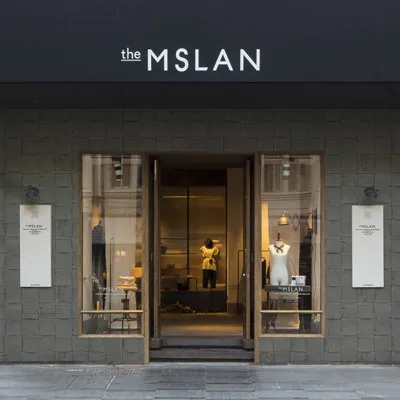
Where Building Materials Tell Stories, and Every Wall Becomes a Narrative
Architecture is more than steel and concrete—it's the silent storyteller of our lives. It's the office lobby that greets you with warmth on a rainy morning, the café wall that feels like a hug after a long day, the museum facade that whispers history as you pass by. Behind every memorable building is a material that breathes life into its design: a material that doesn't just cover walls, but speaks through them. This is where COLORIA GROUP steps in, redefining what building materials can be with their Modified Cementitious Material (MCM) series. More than just products, these materials are collaborators—working with architects, designers, and dreamers to turn vision into tangible, emotional spaces. Let's dive into how MCM is transforming the way we build, one custom-crafted tile at a time.
Think about your favorite building. What draws you to it? Is it the way light plays on its surface at sunset? The texture that invites you to reach out and touch it? Or maybe the way it seems to belong to its environment, like it's always been there? These feelings aren't accidental—they're crafted by the materials chosen to clothe the structure. For decades, architects and designers have grappled with a trade-off: the beauty of natural stone, the durability of concrete, the flexibility of modern composites. But what if a material could offer all three, and more? That's the promise of MCM.
Modified Cementitious Material, or MCM, is the result of decades of innovation in construction chemistry. Born from a desire to mimic nature's perfection while solving its practical flaws, MCM blends the best of natural minerals with cutting-edge engineering. It's lightweight yet strong, flexible yet durable, and—most importantly—designed to evolve with the needs of modern architecture. Unlike traditional stone, which can be heavy, brittle, or hard to source sustainably, MCM feels like a material that understands the challenges of today's builders: tighter deadlines, bold design visions, and a growing responsibility to the planet.
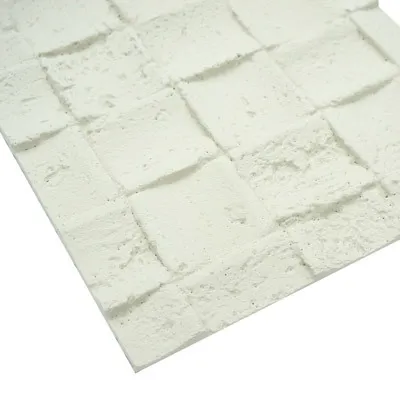
COLORIA GROUP's MCM series isn't a single product—it's a family of solutions, each tailored to a different architectural language. From grand, sweeping facades to intricate, detail-oriented interiors, these materials work together to turn even the most ambitious designs into reality. Let's explore the stars of this family, and how they're redefining building possibilities.
Imagine a wall that stretches 3 meters high without a single seam—no interruptions, just a continuous canvas of texture and color. That's the magic of MCM Big Slab Board Series. These large-format panels (up to 1200x2400mm) eliminate the need for multiple small tiles, creating a sense of grandeur that traditional materials struggle to match. Whether you're designing a luxury hotel lobby or a modern art gallery, these slabs turn walls into statement pieces.
Take, for example, the Travertine (Starry Green) variant. Inspired by the night sky over mountain ranges, its surface is dotted with subtle, iridescent flecks that catch light differently throughout the day—morning sun turns it into a field of dewdrops, while twilight shifts it to a galaxy of emerald stars. Installed as a single slab on a corporate headquarters, it doesn't just reflect the company's innovation; it becomes a landmark, visible from blocks away.
But size isn't the only advantage. These slabs are surprisingly lightweight (just 18-22kg/m²), making installation faster and safer than traditional stone. For architects working on high-rise projects, this means fewer structural constraints and more freedom to dream big. It's not just about covering space—it's about owning it.
What if stone could dance? MCM Flexible Stone answers that question with a material that bends, curves, and conforms to the most complex shapes—all while retaining the look and feel of natural stone. At just 3-5mm thick, it's like wrapping a building in a second skin, one that hugs every contour and follows every curve.
Consider the Wave Panel design, a favorite among architects aiming to capture movement in static structures. With its undulating, organic lines, it's perfect for coastal buildings mimicking ocean waves, or desert projects echoing the ripples of sand dunes. In a recent cultural center in Dubai, Wave Panel was used to clad a circular auditorium, turning the exterior into a visual symphony of flow and motion. Visitors don't just see the building—they feel it, as if the structure itself is breathing.
Flexibility also means practicality. Traditional stone cracks under stress; MCM Flexible Stone bends (up to 30 degrees) and bounces back, making it ideal for renovation projects where existing structures can't support heavy materials. It's stone, reimagined as a textile—strong, yet surprisingly gentle.
3D printing has revolutionized industries from healthcare to aerospace—and now, it's transforming architecture. MCM 3D Printing Series takes the precision of 3D technology and marries it with the warmth of natural materials, allowing architects to create textures and patterns that were once impossible with traditional manufacturing.
Imagine a facade that replicates the intricate veins of a leaf, or a lobby wall that mimics the rough-hewn surface of ancient cave paintings—all produced with pinpoint accuracy. Unlike traditional carving, which is time-consuming and limited by tooling, 3D printing lets designers iterate quickly: a pattern can be adjusted in software, and a new panel printed the same day. This speed doesn't just save time; it encourages experimentation. Architects are no longer constrained by "what's possible"—they're free to ask "what if?"
One standout application is the Starmoon Stone texture, a 3D-printed pattern that combines geometric precision with organic irregularity. Installed in a tech company's innovation hub, it symbolizes the balance between human creativity and technological progress—each ridge and groove a nod to the way ideas evolve, from chaos to order.
Not all architectural stories are told in grand gestures—some are in the details. MCM Project Board Series is the unsung hero of large-scale projects, combining high strength (compressive strength >60MPa) with aesthetic appeal. Designed for commercial and industrial buildings where durability is non-negotiable, these panels don't just meet industry standards—they exceed them, all while keeping design at the forefront.
Take the Rust Square Line Stone variant, which mimics the weathered beauty of aged metal without the maintenance headaches. Installed on a warehouse conversion in Berlin, it turns a utilitarian space into a nod to the city's industrial past, with a texture that feels both rugged and refined. Or the Fair-Faced Concrete panel, which captures the raw, honest look of poured concrete but with a smoother finish and lighter weight—perfect for schools, hospitals, and public spaces where functionality meets design.
What sets Project Board Series apart is its reliability. In regions like the Middle East, where extreme temperatures and sandstorms test building materials daily, these panels stand strong—resistant to UV rays, moisture, and impact. They're not just materials; they're partners in longevity.
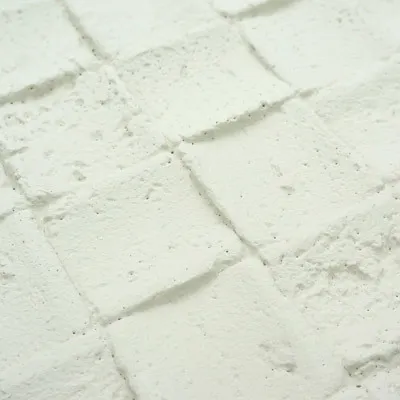
Still wondering how MCM stacks up against traditional options? Let's break it down. The table below compares MCM materials with natural stone, concrete, and conventional composites—revealing why architects and builders worldwide are making the switch.
| Feature | Natural Stone | Traditional Concrete | Conventional Composites | MCM Materials |
|---|---|---|---|---|
| Weight (kg/m²) | 200-300 | 150-200 | 80-120 | 12-25 |
| Flexibility | Brittle (prone to cracking) | Rigid | Limited | High (bends up to 30°) |
| Customization | Limited by natural variation | Basic colors/textures | Moderate | Unlimited (3D printing, custom colors) |
| Installation Time | Slow (heavy, requires skilled labor) | Slow (curing time) | Moderate | Fast (lightweight, prefabricated) |
| Environmental Impact | High (quarrying, transportation) | High (CO2 emissions) | Moderate (non-recyclable) | Low (recycled materials, low carbon footprint) |
| Durability | High (but porous, stains easily) | High (but prone to spalling) | Moderate (fades in UV light) | High (UV/ moisture/ impact resistant) |
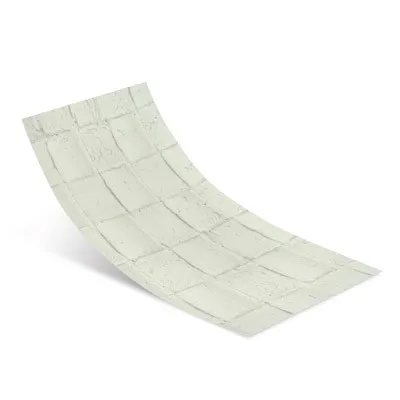
In an era where every decision carries environmental weight, building materials can't just be beautiful—they need to be responsible. COLORIA GROUP understands this, and it's woven into every step of MCM's journey, from raw materials to installation.
First, the ingredients. MCM is made from a blend of recycled cementitious materials, natural minerals, and plant-based fibers—reducing reliance on virgin resources. Unlike traditional stone quarrying, which scars landscapes and disrupts ecosystems, MCM production leaves minimal environmental impact. Even the water used in manufacturing is recycled, cutting down on waste.
Then, transportation. Thanks to MCM's lightweight nature, a single truck can carry up to 10 times more panels than traditional stone—slashing fuel consumption and carbon emissions. On a large project, this translates to hundreds of fewer truck trips, and a significantly smaller carbon footprint.
Finally, longevity. A building clad in MCM materials won't need frequent replacement or heavy maintenance (no sealants, no harsh cleaning chemicals). This "install and forget" approach means less waste over time, and a building that stays beautiful for decades—reducing the need for resource-intensive renovations.
But sustainability isn't just about numbers; it's about mindset. MCM materials are designed to be recycled at the end of their lifecycle, turning old panels into new raw materials. It's a circular approach that respects the planet's limits, without compromising on design dreams.
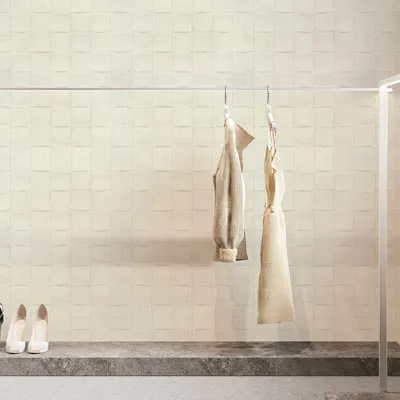
Architecture is deeply rooted in place—in the climate, culture, and history of a region. COLORIA GROUP's global footprint (with a strong presence in Saudi Arabia and beyond) means they understand this better than most. MCM materials aren't one-size-fits-all; they adapt to local needs, whether it's withstanding the scorching heat of Riyadh or the damp winters of London.
In the Middle East, for example, the Lunar Peak Golden variant has become a favorite for luxury resorts. Its warm, sunlit hue echoes the region's desert landscapes, while its UV resistance ensures it stays vibrant even under relentless sunlight. In coastal areas like Bali, MCM Flexible Stone is used to clad beachfront villas—its water resistance and flexibility standing up to salt spray and shifting soil.
But perhaps the most exciting part of COLORIA's global approach is their commitment to local collaboration. Working with regional architects, they've developed custom textures inspired by local heritage: Gobi Panel (mimicking the rugged beauty of the Mongolian steppe), Historical Pathfinders Stone (echoing ancient trade route carvings), and Danxia Rammed Earth Board (celebrating China's iconic red rock formations). These materials don't just decorate buildings—they honor the stories of the people who live there.
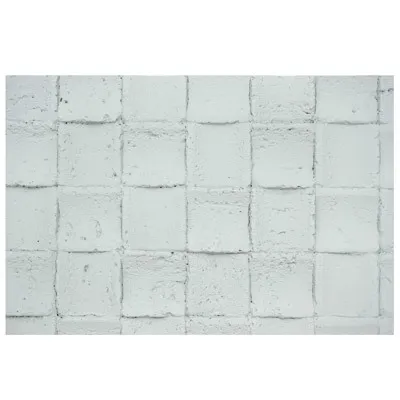
At the end of the day, architecture is about connection—between people and place, between past and future, between vision and reality. COLORIA GROUP's MCM series doesn't just provide building materials; it provides a language for these connections. Whether it's the sweeping grandeur of MCM Big Slab Board Series, the artistic freedom of MCM 3D Printing Series, or the adaptive warmth of MCM Flexible Stone, these materials are tools for storytelling.
Imagine walking into a building and feeling instantly at home—not just because of its layout, but because the walls around you feel alive with texture, color, and meaning. That's the power of MCM. It turns buildings from static structures into dynamic narratives, where every panel, every curve, every fleck of color has a story to tell.
So, to the architects, the dreamers, the builders: the next time you imagine a building, think beyond bricks and mortar. Think about the stories it will tell. Think about the way light will play on its surface at dawn, the way rain will bead on its texture, the way people will pause and touch it, feeling a connection to something larger than themselves. With COLORIA GROUP's MCM series, that dream isn't just possible—it's within reach.
Because in the end, the best buildings aren't just built—they're felt. And MCM? It's the material that makes them feel alive.
Recommend Products












