

Architecture isn't just about structures—it's about telling stories. Every material choice, every curve, and every color adds a chapter to that narrative. These days, architects and designers are ditching one-size-fits-all solutions, craving materials that bend to their creative will. That's where foamed aluminum alloy boards come in. Not the clunky, rigid metal sheets of the past, but lightweight, malleable, and totally customizable panels that are redefining what's possible in modern building design. And when we talk about customization, COLORIA GROUP's got the game on lock—especially with their range of foamed aluminum alloy boards in vintage silver, vintage gold, and classic gold. Let's dive into how these materials are turning architectural dreams into tangible, head-turning realities.
First off, let's get the basics straight: what makes foamed aluminum alloy so special? Unlike solid aluminum, this stuff is engineered with tiny air bubbles (hence "foamed"), making it ultra-lightweight but surprisingly strong. Think of it as the architectural equivalent of a carbon fiber bike frame—light enough to handle easily, tough enough to withstand the elements. But the real magic? Its ability to take on any shape you can sketch. Want a wave-like facade that mimics ocean currents? Done. Need semicircular accents for a modernist home? No problem. And when paired with COLORIA's MCM 3D Printing Series , the design possibilities go from "impressive" to "unbelievable." 3D printing lets you create intricate patterns or organic shapes that traditional manufacturing just can't match—like those delicate thread-like textures or bold geometric lines that make a building feel alive.
Then there's the color game. COLORIA offers three standout shades: vintage silver, vintage gold, and gold. Each has its own personality, and choosing the right one can totally shift a project's vibe. Vintage silver is all about understated elegance—matte, with a slightly weathered look that adds depth without screaming for attention. It's perfect for industrial-chic spaces or modern offices where you want to keep things sleek but not sterile. Vintage gold, on the other hand, has this warm, aged glow—like a well-loved piece of jewelry. It pairs stunningly with natural materials like wood or stone, adding a touch of luxury without feeling over-the-top. And classic gold? That's your statement maker. Bold, bright, and unapologetically glamorous, it's the kind of color that turns a lobby into a red-carpet moment or a retail storefront into an Instagram magnet.
| Color Variant | Aesthetic Vibe | Best For | Design Tip |
| Vintage Silver | Matte, industrial, timeless | Modern offices, tech hubs, minimalist homes | Pair with glass for a sleek, futuristic contrast |
| Vintage Gold | Warm, aged, sophisticated | Boutiques, hotels, heritage-inspired spaces | Mix with MCM Flexible Stone for a blend of old and new |
| Gold | Bold, vibrant, luxurious | Lobbies, event venues, high-end retail | Use as accents (e.g., wave panels) to avoid overwhelming the space |
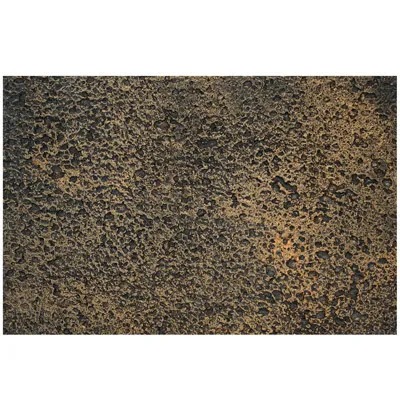
Here's the thing about architecture: details matter. A flat, boring wall might get the job done, but it won't make anyone stop and stare. That's why custom shapes are non-negotiable for today's designers. Foamed aluminum alloy boards excel here because they're flexible enough to be bent, cut, or molded into just about anything. Take wave panels , for example. Imagine a commercial building where the exterior undulates like a frozen wave—vintage silver panels catching the light at different angles, creating movement where there's none. Or semicircle boards: used as a border around a large window, they soften the sharp edges of a modern home, making it feel more inviting. And let's not forget about linear designs—think thin, vertical strips of gold foamed aluminum running up a stone facade, adding a subtle shimmer that draws the eye upward.
But it's not just about looks; these shapes serve a purpose too. Curved panels can help redirect wind around a building, reducing energy costs. Perforated designs (another 3D printing win) let in natural light while maintaining privacy. Even the thickness can be adjusted—thinner panels for interior accents, thicker ones for exterior cladding that needs extra durability. One project in Riyadh, Saudi Arabia (where COLORIA has a local agency, by the way), used custom-cut foamed aluminum alloy boards to create a sunshade system. The panels were shaped like oversized leaves, vintage gold in color, and positioned to block harsh midday sun without blocking the view. The result? A building that stays cool, looks amazing, and pays homage to the region's natural beauty.
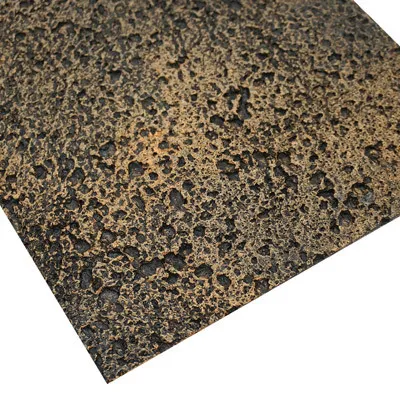
Great design is all about balance—mixing materials that complement each other. That's why so many architects are teaming foamed aluminum alloy boards with COLORIA's MCM Flexible Stone . Flexible stone is a game-changer on its own: thin, lightweight, and designed to mimic natural stone (think travertine, marble, or even rustic granite) but without the heavy weight or fragility. It's perfect for large wall surfaces, adding warmth and texture. Now, pair that with foamed aluminum alloy accents, and you've got a match made in design heaven.
Let's paint a picture: a luxury hotel lobby with walls covered in beige flexible stone (think soft, earthy tones that make you feel welcome). The reception desk? Wrapped in vintage gold foamed aluminum alloy, its curved edges echoing the stone's natural veining. Above the desk, a massive 3D-printed art piece made from gold foamed aluminum, shaped like a floating constellation. The contrast is stunning—warm stone vs. cool metal, organic texture vs. sleek geometry. It's not just a lobby; it's an experience. Or take a residential project: exterior walls clad in MCM Flexible Stone (maybe that starry green travertine for a touch of whimsy), with wave panels of vintage silver foamed aluminum running horizontally across the second floor. It's modern, it's unique, and it shows that the homeowner cares about both style and quality.
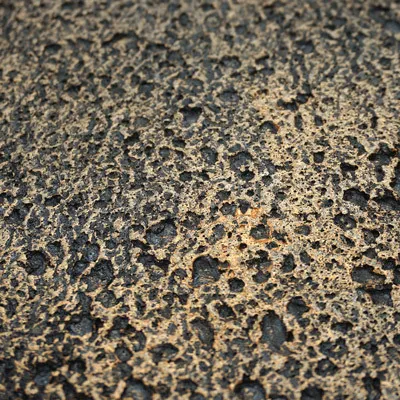
Talk is cheap—let's look at some real projects where these materials have shined. In Jeddah, Saudi Arabia, a new tech campus wanted a facade that screamed "innovation." The architects went with a combination of MCM 3D-printed foamed aluminum alloy panels (in vintage silver) and large MCM Big Slab Boards. The 3D-printed parts featured intricate, honeycomb-like patterns that not only looked cool but also improved ventilation, keeping the building cooler in the desert heat. The result? A campus that's become a local landmark, with students and visitors alike snapping photos of its futuristic exterior.
Closer to home, a boutique apartment complex in Beijing used gold foamed aluminum alloy semicircle boards as balcony railings. Paired with MCM Flexible Stone walls in light grey travertine, the building has a sophisticated, almost Mediterranean vibe. Residents love how the gold railings catch the morning sun, turning their balconies into little slices of paradise. And because the materials are lightweight, the construction team was able to install them quickly, cutting down on project time and costs—proof that innovation doesn't have to mean inflated budgets.
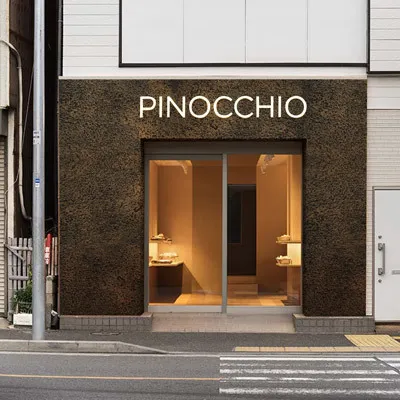
Let's not overlook the green side of things. These days, no one wants to build something that harms the planet—and COLORIA gets that. Foamed aluminum alloy is 100% recyclable, so at the end of a building's life, those panels can be melted down and turned into new materials. Plus, its lightweight nature means less fuel is used during transportation, and its durability reduces the need for frequent replacements. Pair that with MCM Flexible Stone, which is made from eco-friendly modified cementitious materials, and you've got a one-two punch of sustainability and style. It's the kind of choice that makes architects proud—not just because they created something beautiful, but because they did it responsibly.
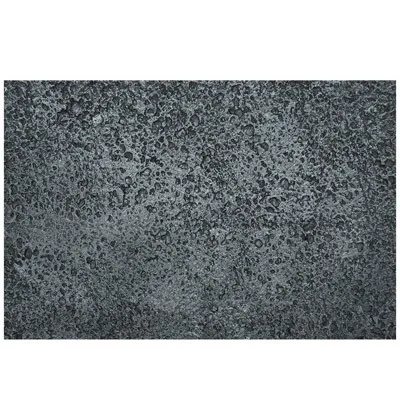
At the end of the day, what sets COLORIA apart is their commitment to customization. They don't just sell materials—they partner with designers to bring their wildest ideas to life. Whether you need a single custom-shaped panel or a full building's worth of 3D-printed accents, their team works with you every step of the way, from initial sketches to final installation. And with their global reach (hello, Saudi Arabia and beyond), they're ready to tackle projects big and small, no matter where you are.
So, if you're an architect tired of compromising on design, or a developer looking to make your next project stand out, it's time to think beyond traditional materials. Foamed aluminum alloy boards aren't just a trend—they're the future of architectural design. With custom shapes, stunning colors, and the ability to pair seamlessly with other innovative products like MCM Flexible Stone and 3D-printed elements, they're turning buildings into works of art. And in a world where first impressions matter, that's the difference between a building that exists and one that lives .
Recommend Products












