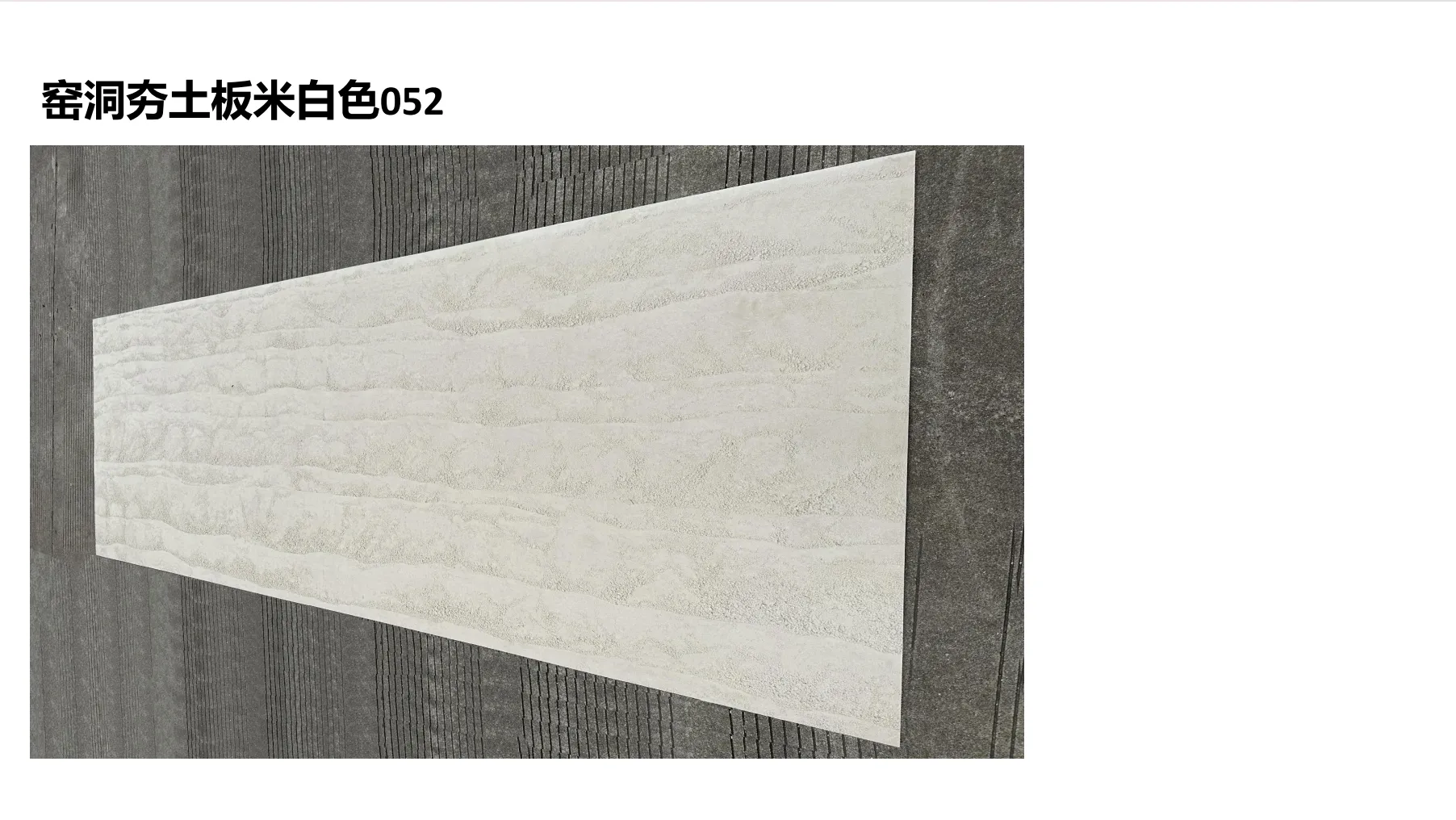
Surfaces are the silent storytellers of our spaces. They don't just fill a room—they shape how we feel within it. A cold, flat wall might leave us feeling disconnected; a textured, warm surface can wrap us in comfort, as if we've stepped into a living, breathing narrative. In the world of design, few materials capture this storytelling magic quite like the
gradient color rammed earth board
—a star of the
MCM project board series that marries the raw beauty of natural earth with the precision of modern craftsmanship. But it's not alone. From the metallic sheen of
lunar peak silvery
to the cosmic sparkle of
travertine (starry blue)
, the MCM collection is a toolkit for designers who refuse to choose between art and function, tradition and innovation.
The Heart of the Collection: Gradient Rammed Earth Board
Rammed earth has been used for centuries, from ancient fortresses to rural cottages, prized for its durability and earthy warmth. But the gradient color variant? It's a love letter to modern design sensibilities. Imagine layers of pigment-infused soil—ochre, sienna, matcha, terracotta—compressed under immense pressure, merging into a seamless transition that mimics the way sunlight fades into dusk or how a mountainside shifts from rock to grass. This isn't just a wall covering; it's a landscape captured in two dimensions.
What makes it truly special is its versatility. The
gradient color rammed earth board
isn't a one-size-fits-all product. It bends to the designer's vision, whether that means a soft, monochromatic fade (think
rammed earth board (light yellow)
blending into
khaki
) or a bold, contrasting shift (
rusty red
bleeding into
cloud-dragon
gray). Each board is handcrafted, so no two are exactly alike—there are subtle variations in texture, in the intensity of the gradient, that make every installation feel personal, as if the earth itself lent a unique fingerprint.
Geometric vs. Organic: Two Paths to Emotional Design
Design is about balance, and nowhere is that clearer than in the choice between geometric and organic patterns. Both have their place, but they speak to different emotions. Geometric designs thrive on order—they're the architects of calm, the backbone of spaces that feel intentional and grounded. Organic designs, by contrast, dance with chaos—they're the poets of flow, reminding us of the natural world's unscripted beauty. Let's dive into how the MCM collection brings both to life, with gradient rammed earth as the common
thread.
|
Design Style
|
Core Characteristics
|
Key MCM Materials
|
Ideal Spaces
|
Emotional Impact
|
|
Geometric
|
Clean lines, symmetry, repetition, precision
|
Linear travertine (claybank), square line stone,
fine line stone (grey)
,
foamed aluminium alloy board (vintage silver)
|
Offices, minimalist homes, modern retail
|
Focus, clarity, sophistication
|
|
Organic
|
Fluid shapes, asymmetry, natural textures, randomness
|
bamboo mat board
, stream limestone (claybank),
gobi panel
,
pine bark board
|
Spas, residential living rooms, boutique hotels
|
Relaxation, connection to nature, warmth
|
Geometric Designs: Where Precision Meets Purpose
Geometric patterns are the backbone of modern minimalism, and MCM's geometric offerings are a masterclass in controlled elegance. Take
linear travertine (claybank)
—long, slender strips of
travertine with a soft, earthy hue, arranged in parallel lines that stretch across a wall. Paired with a gradient rammed earth board in muted tones (
rammed earth board (gradient b)
, which shifts from beige to light grey), it creates a space that feels both expansive and grounded—perfect for a home office where focus is key.
For a bolder statement, consider
square line stone
. These angular, textured tiles add depth through sharp edges and shadow play, especially when contrasted with the smooth gradient of rammed earth. Imagine a restaurant's accent wall: gradient rammed earth in
rusty red
fades to terracotta, while
square line stone in dark grey frames the space, like a modern art piece that also happens to be functional.
And let's not forget the metallic touch.
Foamed aluminium alloy board (vintage silver)
brings a cool, industrial edge to geometric designs. When used as a trim around a gradient rammed earth feature wall, it's like adding a silver frame to a landscape painting—elevating the earthy core with a hint of modernity. It's a popular choice for tech offices or luxury boutiques, where the goal is to blend warmth with a forward-thinking vibe.
Organic Designs: Embracing the Imperfect Beauty of Nature
If geometric designs are about control, organic designs are about release. They draw inspiration from the natural world—the way tree bark peels, how water carves stone, the random pattern of moss on a rock. The
bamboo mat board
is a prime example. With its woven texture and warm, honeyed tones, it feels like bringing a slice of a bamboo forest indoors. When paired with a gradient rammed earth board in
rammed earth board (matcha green)
, the effect is serene, almost meditative—ideal for a spa's relaxation room where guests seek escape from the chaos of daily life.
Then there's the
stream limestone (claybank)
. Its surface mimics the smooth, worn stones of a riverbed, with subtle indentations and color variations that tell a story of time and water. Used alongside a gradient rammed earth board that shifts from sand to clay, it creates a space that feels like a desert oasis—calm, grounding, and full of life. This combination is a favorite for residential living rooms, where families gather; it's hard to feel stressed when surrounded by textures that whisper of nature's patience.
For something more dramatic, the
gobi panel
captures the raw, windswept beauty of the desert. Its rough, pockmarked surface and muted, sandy hues pair stunningly with a gradient rammed earth board in
gobi rammed earth board real photos
(a palette of warm browns and golds). Together, they evoke the vastness of the Gobi Desert at sunset—humbling, awe-inspiring, and utterly unforgettable. It's the kind of wall that becomes the focal point of a room, sparking conversations about adventure and the beauty of the unknown.
Material Mashups: When Gradient Rammed Earth Meets Its Match
The best designs don't exist in isolation—they're conversations between materials. The
gradient color rammed earth board
is a generous collaborator, playing well with others to create spaces that are greater than the sum of their parts. Let's explore a few standout pairings:
Gradient Rammed Earth + Lunar Peak Series
: The
lunar peak silvery
and
lunar peak golden
boards have a metallic, almost otherworldly sheen—like moonlight on water. When used as accents against a gradient rammed earth wall (say,
rammed earth board (gradient c)
, which fades from terracotta to
rusty red), they add a touch of glamour without overwhelming the earthy base. Think of a boutique hotel lobby: the gradient wall wraps guests in warmth, while
lunar peak golden trim around doorways and mirrors adds a luxurious, starry-night feel.
Gradient Rammed Earth + Travertine (Starry Colors)
: The
travertine (starry red)
and
travertine (starry blue)
are showstoppers. These
travertine tiles are embedded with tiny, reflective particles that catch the light, mimicking a starry sky. Used as a backsplash or a feature niche in a kitchen with gradient rammed earth walls, they turn a functional space into something magical. Imagine making coffee in the morning, glancing up to see "stars" twinkling against a backdrop of warm, fading terracotta—it's the kind of detail that turns routine into joy.
Gradient Rammed Earth + Foamed Aluminium Alloy
: For a modern, industrial twist, pair gradient rammed earth with
foamed aluminium alloy board (vintage gold)
. The aluminium's matte finish and golden hue contrast beautifully with the earth's texture, creating a space that feels both grounded and forward-thinking. A coworking space might use this combo: the gradient walls keep the mood relaxed, while the aluminium accents add a professional edge—perfect for fostering creativity and productivity.
Beyond the Wall: Real-World Stories of Transformation
Materials come alive when they're put to use, transforming empty spaces into places with soul. Here are a few snapshots of how MCM's gradient rammed earth and complementary materials have shaped real projects:
The Desert Retreat
: A villa in Arizona wanted to blend into its desert surroundings while feeling luxurious. The designer chose
gradient color rammed earth board
in a fade from
rusty red
to
cloud-dragon
gray, evoking the desert's sunset. They paired it with
gobi panel
(which mimics wind-eroded stone) for the outdoor patio walls and
lunar peak black
for the window frames. The result? A home that feels like it grew out of the landscape, where every glance outside is a reminder of the desert's raw beauty.
The Urban Boutique
: A clothing store in Tokyo aimed to stand out in a sea of sleek, minimalist shops. The solution?
gradient rammed earth board (matcha green)
on the main wall, paired with
travertine (starry orange)
accents and
bamboo mat board
shelving. The green gradient calms the eye, the starry
travertine adds a playful, artistic touch, and the bamboo brings warmth. Customers linger longer, drawn to the space's unique, inviting energy—and sales have boomed as a result.
The Community Library
: A small town in Oregon wanted a library that felt like a "third place"—not just a building, but a community hub. The designer used
gradient color rammed earth board
in soft beiges and whites (
rammed earth board (light yellow)
fading to
ripple board (white)
) on the walls, with
wood grain board
for the bookshelves. The space feels open and airy, yet cozy—kids sprawl on the floor with books, seniors chat over coffee, and everyone remarks on how "homey" it feels. It's proof that the right materials can turn a building into a heart for the community.
"Design isn't just about making things look good—it's about making people feel something. The MCM collection, especially the gradient rammed earth board, does that by bridging the gap between nature and design. It's not just a product; it's a feeling you can touch." — Maria Santos, Interior Designer, Santos Studio
The Future of Surface Design: Customization as Standard
In a world that often values speed over substance, the MCM collection stands out for its commitment to customization. The
gradient color rammed earth board
isn't just available in a few preset gradients—designers can work with the MCM team to create bespoke color transitions, matching specific Pantone shades or even replicating the colors of a client's favorite landscape. Want a gradient that mimics the Northern Lights? They'll craft it. Dream of a fade inspired by your grandmother's quilt? Consider it done.
This level of customization extends to patterns, too. The
MCM 3D printing series
allows for intricate, custom textures—from geometric latticework to organic, vine-like patterns—printed directly onto flexible stone or concrete boards. Imagine a restaurant where the walls feature a 3D-printed
thread
pattern, winding through gradient rammed earth like a river through a valley. It's storytelling through texture, and it's only possible because MCM refuses to limit creativity.
Final Thoughts: Designing Spaces That Breathe
At the end of the day, the MCM collection—from the
gradient color rammed earth board
to the
travertine (starry orange)
, from the
lunar peak black
to the
bamboo mat board
—is about more than materials. It's about creating spaces that feel alive, that reflect the people who use them, and that stand the test of time. These aren't just surfaces; they're companions in our daily lives, witnesses to our laughter, our work, our quiet moments.
So whether you're designing a home, a store, or a public square, remember: the right materials don't just fill a space—they make it matter. And in the MCM collection, you'll find more than materials. You'll find stories waiting to be told.