
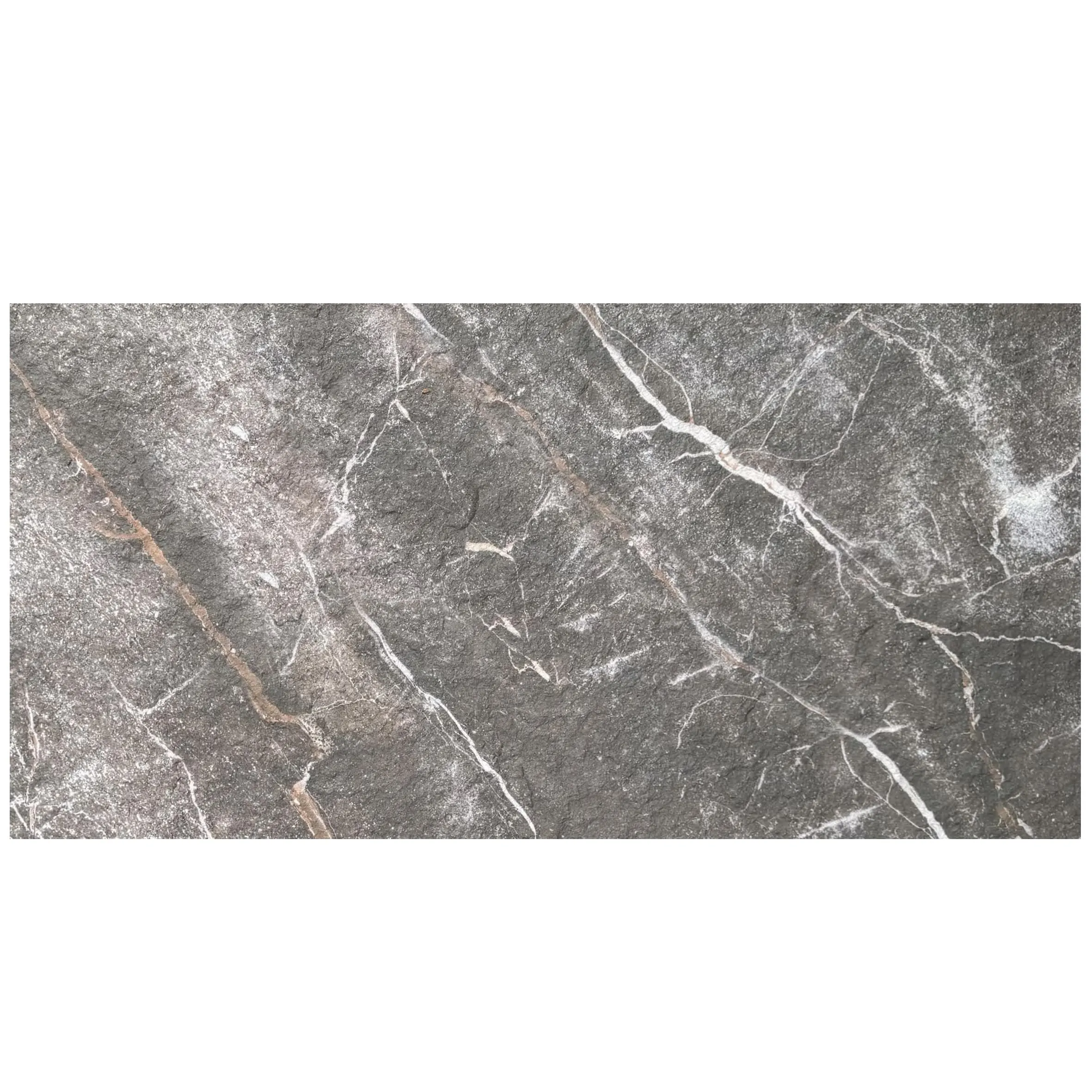
There's a certain magic in walking into a space and being stopped in your tracks by a surface that feels both timeless and utterly unique. For designers, architects, and homeowners alike, few materials evoke that feeling quite like Granite Portoro. With its deep, midnight-black base swirled with bold, gold veins that seem to dance across the stone, it's a material that whispers luxury and commands attention. But for years, bringing custom Granite Portoro visions to life has been fraught with challenges—until now. Enter MCM materials, the game-changer that's turning "what if" into "what is" for precision-driven design.
Before we dive into how MCM materials are revolutionizing custom designs, let's take a moment to appreciate the star of the show: Granite Portoro. Hailing from quarries in Italy, this natural stone has been a staple of high-end design for centuries. Its name, derived from the Latin "portus" (port) and "oro" (gold), hints at its historical association with wealth and grandeur—think opulent palaces, luxury yachts, and five-star hotel lobbies. What sets it apart is its dramatic contrast: the inky black background provides the perfect canvas for veins of gold that range from thin, wispy threads to bold, sweeping strokes, creating a pattern that's never exactly the same in any two slabs. It's this uniqueness that makes it a favorite for those who crave one-of-a-kind spaces.
But here's the catch: traditional Granite Portoro slabs are heavy, rigid, and notoriously difficult to customize. Want a curved accent wall? Good luck—natural stone slabs don't bend. Dreaming of a seamless backsplash that wraps around a kitchen island? Prepare for visible seams and a installation process that's equal parts time-consuming and costly. And if you're working on a high-rise or renovation project where weight is a concern? Traditional stone might not even be an option. For years, these limitations have forced designers to compromise, toning down their visions to fit the constraints of the material. That is, until MCM materials stepped onto the scene.
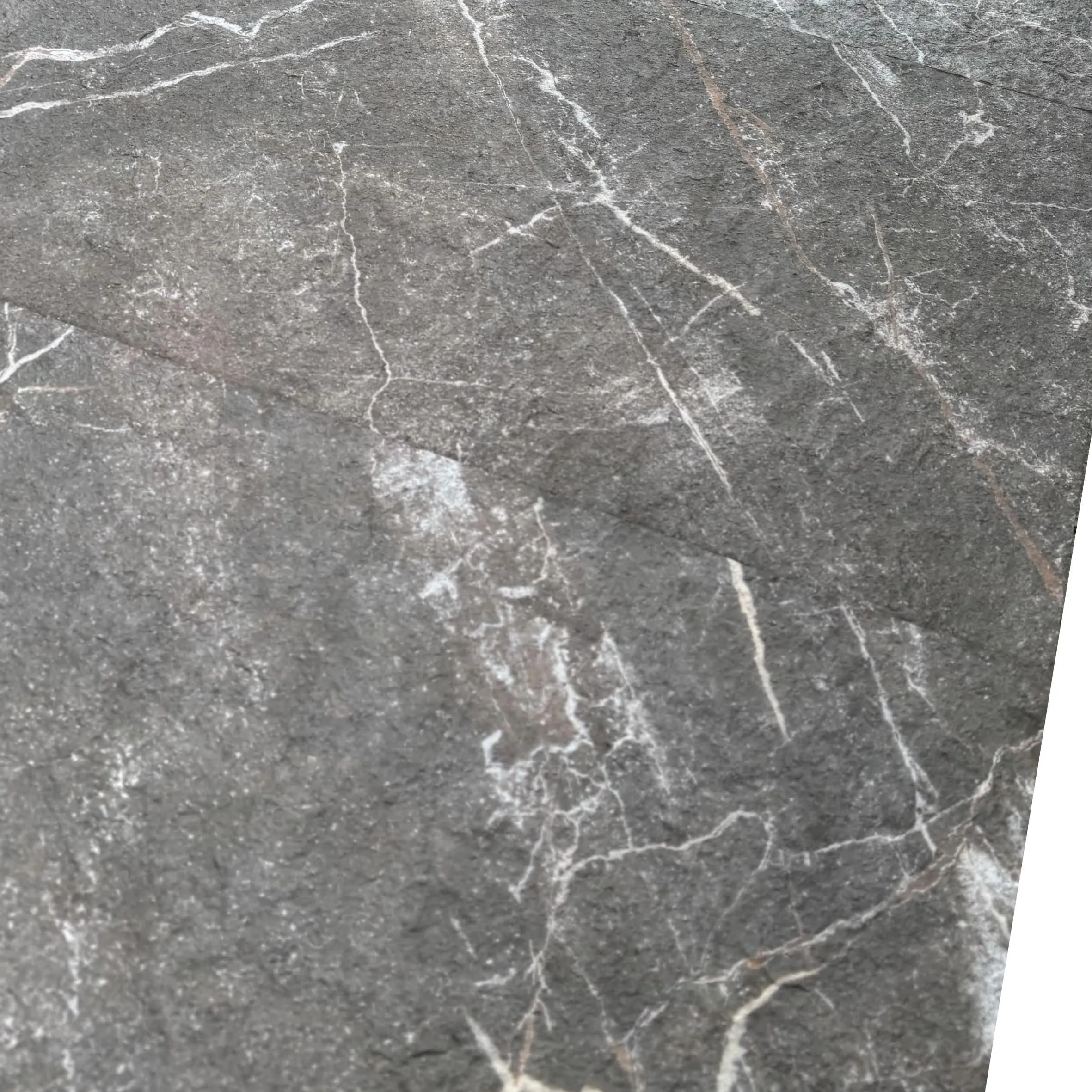
MCM, or Modified Composite Material, isn't just a buzzword in the construction world—it's a paradigm shift. At its core, MCM is a blend of natural minerals, recycled polymers, and advanced binding agents, engineered to mimic the look and feel of natural stone (or wood, metal, and more) while offering a host of benefits traditional materials can't match. When it comes to Granite Portoro, MCM takes the stone's inherent beauty and amplifies it with flexibility, precision, and practicality. Let's break down why that matters.
First, lightweight versatility . Traditional Granite Portoro slabs can weigh upwards of 150 pounds per square foot, making installation a logistical nightmare and limiting their use in high-rise buildings or older structures with weight restrictions. MCM Granite Portoro panels, on the other hand, weigh in at a fraction of that—typically 3-5 pounds per square foot. This isn't just about easier installation (though that's a huge plus); it opens up possibilities for applications that were once off-limits. Imagine a floating staircase clad in Granite Portoro, or a ceiling feature that adds drama without straining the building's structure. With MCM, these ideas move from the sketchbook to the construction site.
Then there's precision customization . Natural stone is beautiful, but it's also unpredictable. Veins can veer off course, slabs can crack during cutting, and achieving uniform patterns across multiple pieces is nearly impossible. MCM changes that. Using advanced digital scanning and 3D printing technologies, manufacturers can replicate the exact veining and coloration of premium Granite Portoro slabs with pinpoint accuracy. Want a backsplash where the gold veins align perfectly from one panel to the next? Or a custom logo embedded into a Granite Portoro wall? MCM makes it possible. It's like having a master artist who can recreate the stone's natural beauty—only with the consistency of a well-tuned machine.
And let's not forget durability . One might assume that a lightweight material would sacrifice strength, but MCM is engineered to stand the test of time. Resistant to scratches, stains, moisture, and UV rays, MCM Granite Portoro panels hold up in high-traffic areas like hotel lobbies, restaurant walls, and kitchen countertops—places where traditional stone might show wear and tear over time. Plus, they're easy to maintain: a quick wipe with a damp cloth is usually all it takes to keep them looking brand new. For busy homeowners or commercial spaces, that's a game-changer.
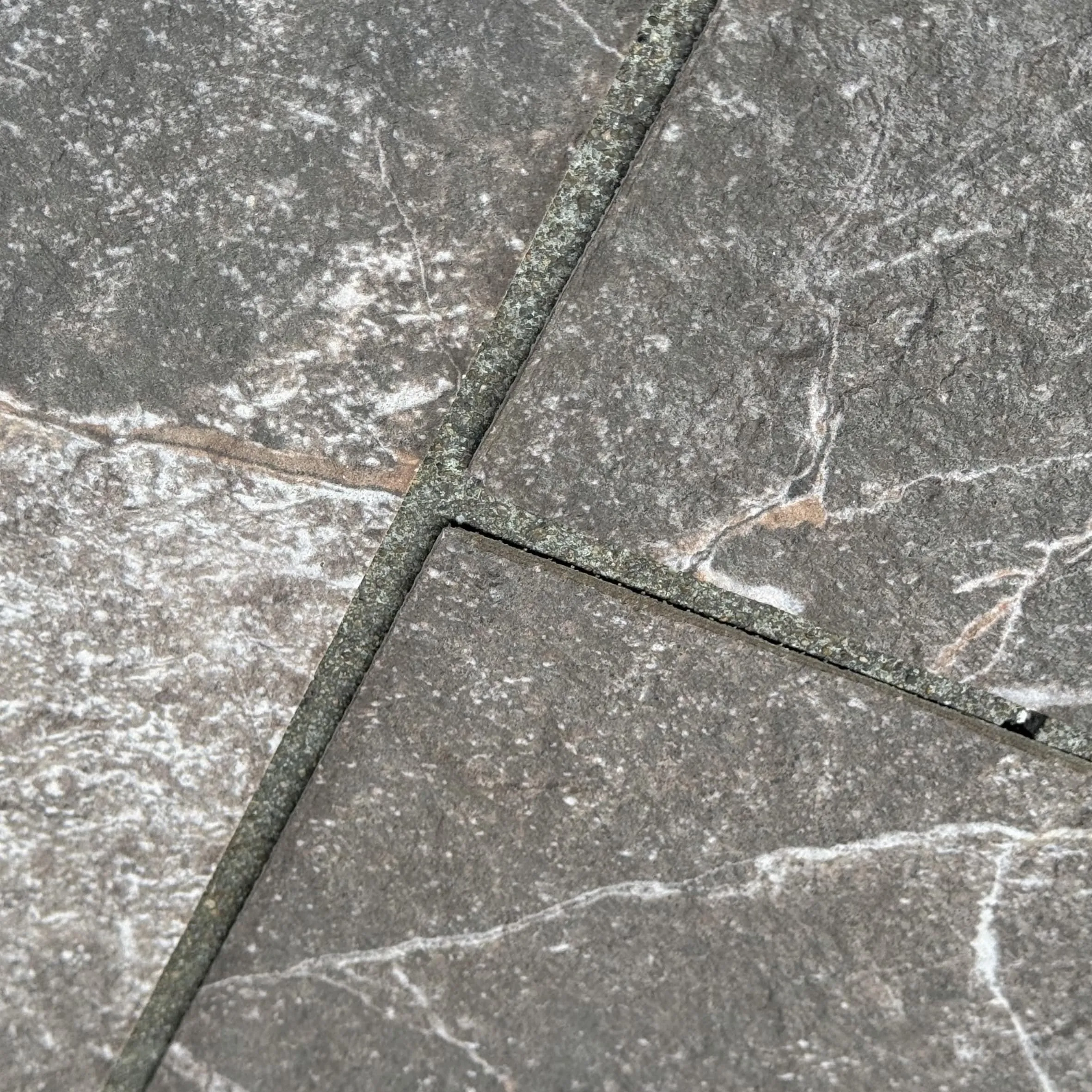
While MCM as a category is transformative, certain products within the MCM lineup are particularly well-suited for enhancing Granite Portoro's beauty. Let's shine a spotlight on a few that are making waves in the design world.
MCM Flexible Stone is perhaps the most revolutionary. As the name suggests, these panels are flexible enough to bend around curves, arches, and irregular surfaces—something traditional stone could never do. Imagine a boutique hotel with a curved reception desk wrapped in Granite Portoro, its golden veins flowing seamlessly around the bend. Or a residential fireplace with a rounded mantel that feels both organic and opulent. MCM flexible stone turns these once-impossible designs into reality, all while maintaining the stone's authentic texture and depth.
Then there's the MCM Big Slab Board Series . For designers who crave the "big, bold, and seamless" look, large-format panels are a must. Traditional Granite Portoro slabs max out at around 5-6 feet in length, leading to visible seams that break up the stone's natural flow. MCM big slabs, however, can be produced in sizes up to 10 feet long and 4 feet wide, minimizing seams and creating a continuous, immersive surface. This is a game-changer for commercial spaces like airports or shopping malls, where a cohesive aesthetic is key, but it's equally impactful in residential settings—think a kitchen backsplash that runs from counter to ceiling without a single break, or a living room accent wall that feels like a work of art.
And for those who want to pair Granite Portoro with complementary materials, fair-faced concrete (another standout in the MCM lineup) offers a striking contrast. The raw, industrial texture of fair-faced concrete balances Granite Portoro's luxury, creating a space that feels both modern and grounded. Imagine a restaurant where Granite Portoro bar tops sit atop fair-faced concrete bases, or a home office with a Granite Portoro desk paired with fair-faced concrete walls—the combination is unexpected, yet harmonious, and MCM makes it easy to integrate both materials seamlessly.
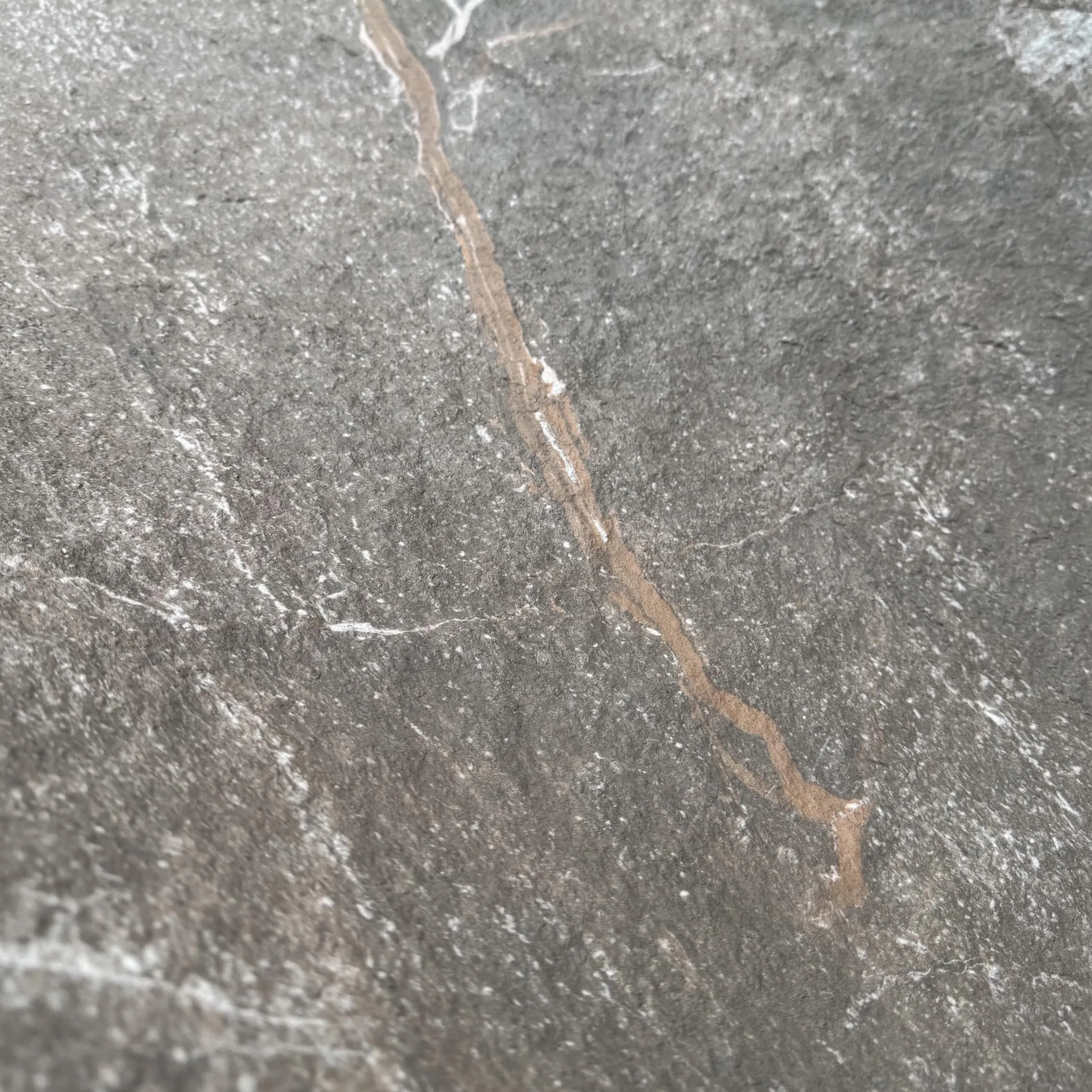
To truly grasp the difference MCM makes, let's compare traditional Granite Portoro slabs with MCM Granite Portoro panels across key factors that matter to designers and homeowners:
| Factor | Traditional Granite Portoro Slabs | MCM Granite Portoro Panels |
|---|---|---|
| Weight | 100-150 lbs per sq ft | 3-5 lbs per sq ft |
| Customization Options | Limited to straight cuts; curved surfaces nearly impossible | Flexible for curves, 3D-printed details, and custom patterns |
| Seam Visibility | Visible seams due to small slab sizes (5-6 ft max length) | Minimal seams with big slab series (up to 10 ft length) |
| Installation Time | Requires heavy machinery and 2-3 installers; 1-2 days per room | Lightweight and easy to handle; 1 installer can finish a room in hours |
| Durability | Prone to cracking, staining, and UV fading over time | Scratch, stain, and UV-resistant; lasts 20+ years with minimal maintenance |
| Eco-Friendliness | High carbon footprint (quarrying, transportation, waste) | Made with recycled materials; low VOC emissions; minimal waste in production |
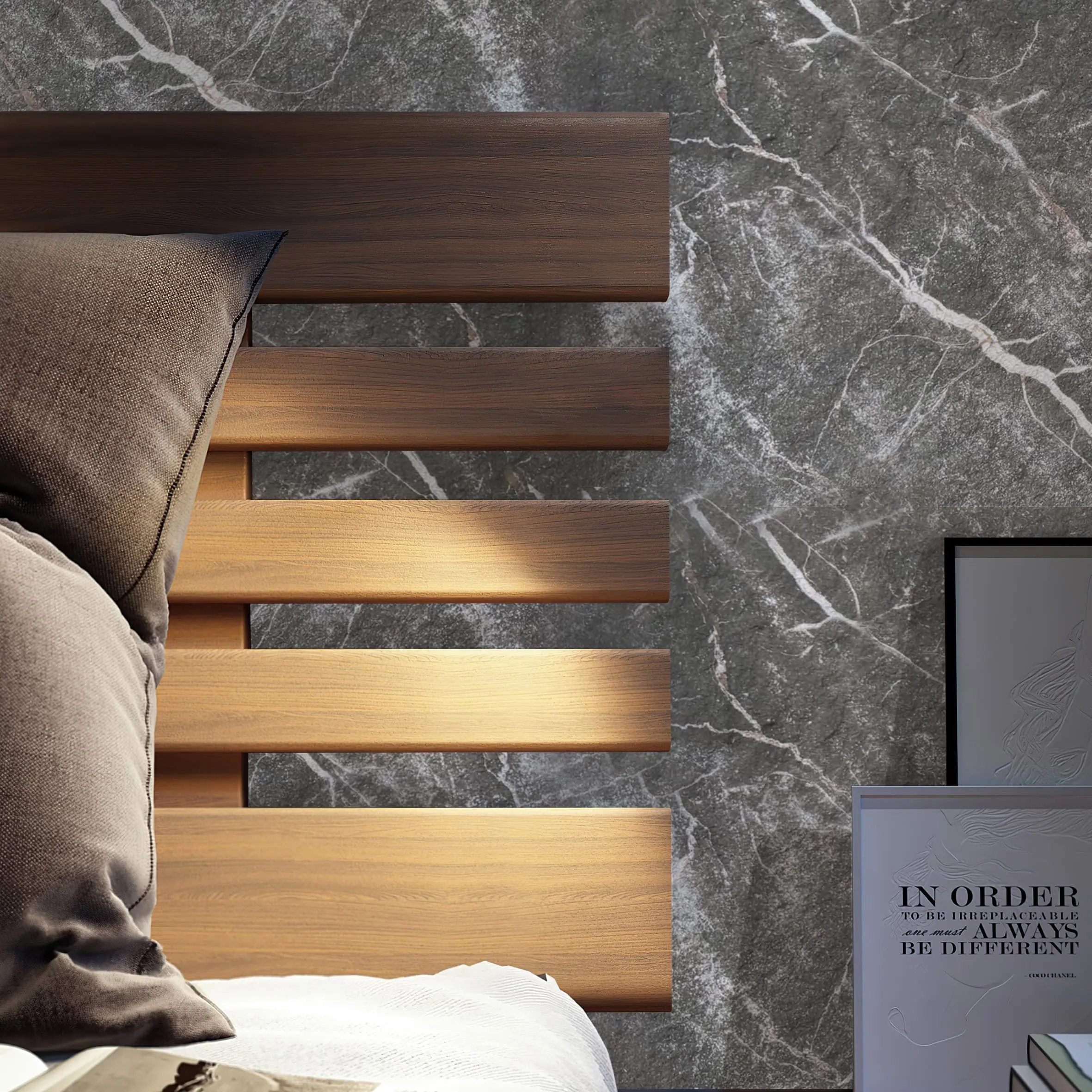
Earlier this year, a high-end restaurant in downtown Chicago, aptly named "Golden Veil," set out to create a dining experience centered around Granite Portoro. The vision? A space where the stone's midnight-black base and golden veins would serve as the backdrop for a menu inspired by Italian cuisine, evoking the elegance of Portoro's Italian origins. But the design team had a problem: the restaurant's layout included a curved bar, a vaulted ceiling, and a feature wall with built-in niches—all of which would be difficult, if not impossible, to execute with traditional Granite Portoro slabs.
Enter MCM materials. The team opted for MCM flexible stone for the curved bar, allowing the Granite Portoro pattern to flow seamlessly around the 90-degree bend of the bar's front. For the vaulted ceiling, they used the MCM Big Slab Board Series, installing 10-foot panels that minimized seams and created the illusion of a single, sweeping stone surface. The feature wall, with its irregular niches, was clad in MCM Granite Portoro panels cut to precise measurements using 3D scanning, ensuring each niche fit like a puzzle piece. To balance the luxury of Granite Portoro, they paired it with fair-faced concrete floors, creating a space that felt both opulent and approachable.
The result? A restaurant that's become a Instagram sensation, with guests raving about the "floating" bar and the "endless" stone wall. As the head designer put it: "MCM didn't just help us build the space— it helped us build the experience. We didn't have to compromise on a single detail, and that's priceless."
While the beauty of MCM Granite Portoro is undeniable, its practical benefits are equally compelling—especially for those who want a space that looks great and functions well. Let's start with eco-friendliness . Traditional stone quarrying is resource-intensive, often leading to deforestation, soil erosion, and high carbon emissions from transportation. MCM, by contrast, uses recycled materials (like post-consumer plastics and industrial byproducts) in its production, reducing its environmental footprint. It also requires less energy to manufacture and transport, thanks to its lightweight nature, making it a choice that aligns with green building standards like LEED.
Then there's cost-effectiveness . At first glance, MCM might seem pricier than traditional stone, but when you factor in installation costs, transportation, and long-term maintenance, it often comes out ahead. Traditional Granite Portoro requires heavy machinery, multiple installers, and sometimes structural reinforcements—all of which add up. MCM panels, being lightweight, can be installed by a single person with basic tools, cutting labor costs significantly. And because they're resistant to stains and scratches, you'll save on sealing and repairs over time. For homeowners and businesses on a budget, this makes luxury design accessible without breaking the bank.
Finally, versatility across climates . Granite Portoro is a durable stone, but extreme temperatures, humidity, or salt air can take a toll over time—think of a beachfront home where traditional stone might fade or erode. MCM Granite Portoro panels, however, are engineered to withstand harsh conditions, from freezing winters to tropical humidity to coastal salt spray. This makes them ideal for a wide range of locations, from mountain cabins to beachside villas, without sacrificing their beauty.
As technology advances, so too does the potential of MCM materials. We're already seeing exciting developments, like 3D art concrete boards (which can be paired with Granite Portoro to add texture and depth) and digital customization tools that let designers upload their own patterns or logos to be embedded into MCM panels. Imagine a hotel chain with its logo subtly etched into Granite Portoro walls, or a homeowner who wants their family crest incorporated into their kitchen backsplash—MCM is making these hyper-personalized touches possible.
There's also a growing trend toward mixed-material designs , where Granite Portoro is paired with other MCM offerings like wood grain board, bamboo mat board, or even foamed aluminium alloy board (vintage gold) for a look that's layered and dynamic. These combinations allow designers to tell a story through texture and color, creating spaces that feel curated and unique.
Granite Portoro has long been a symbol of luxury, but for too long, its potential was hemmed in by the limitations of traditional materials. MCM changes that. By blending the stone's timeless beauty with cutting-edge engineering, MCM materials empower designers and homeowners to dream bigger, create bolder, and build spaces that feel truly one-of-a-kind. Whether you're designing a commercial lobby that wows clients or a home that reflects your personal style, MCM Granite Portoro panels—paired with flexible stone, big slabs, and complementary materials like fair-faced concrete—offer a level of precision, versatility, and practicality that traditional stone simply can't match.
At the end of the day, design is about more than just materials—it's about telling a story, evoking emotion, and creating spaces that inspire. With MCM, that story doesn't have to include compromise. It can be as bold, as unique, and as visionary as you are. And in a world where so much feels mass-produced, that's a luxury worth investing in.
Recommend Products












