
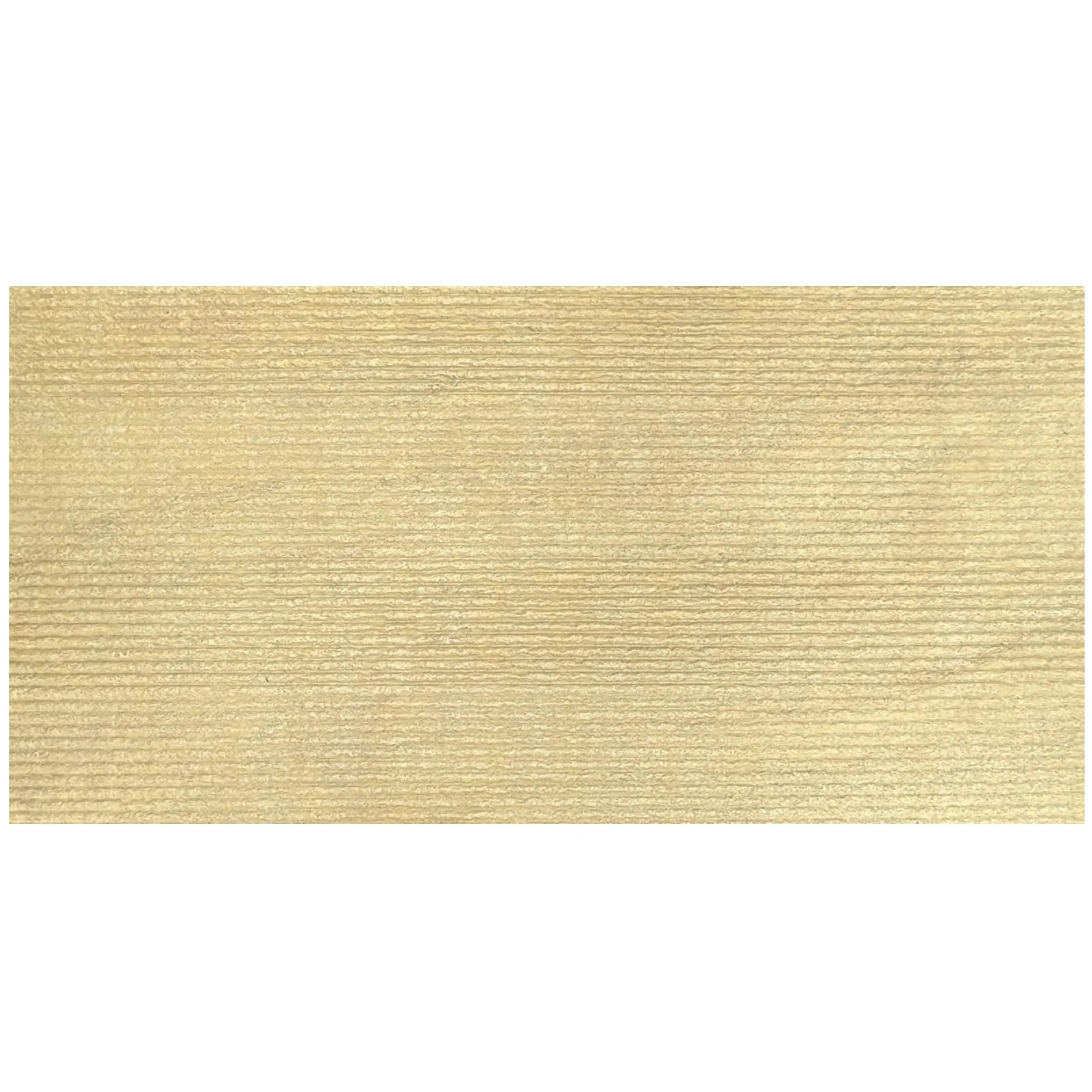
Architecture is the poetry of built spaces, and like any good poem, it relies on the right words—or in this case, materials—to strike a chord. In recent years, there's been a quiet revolution in how we think about stone: moving beyond off-the-shelf options to embrace customization that bends to a project's unique story. At the forefront of this movement is Gravel Omani Stone, a material that carries the soul of Oman's deserts and the adaptability to fit almost any vision. But customization isn't just about picking a color or texture; it's about crafting a material that becomes an integral part of the space it inhabits. Let's explore how custom Gravel Omani Stone solutions are reshaping architecture, and how they harmonize with complementary materials like Boulder Slab, Lunar Peak Silvery, and Fair-Faced Concrete to create spaces that feel both intentional and alive.
To understand why Gravel Omani Stone has become a darling of designers, you first need to touch it. Run your hand over its surface, and you'll feel the interplay of smooth pebbles and fine gravel, embedded in a matrix that's equal parts sturdy and supple. It's a texture that tells a story: of rivers that once carved through Oman's landscapes, of winds that polished stones into pebbles, of time that turned chaos into cohesion. Unlike uniform marble or sleek granite, Gravel Omani Stone wears its history on its sleeve—no two slabs are identical, and that imperfection is its greatest strength.
What makes it ripe for customization? Its inherent versatility. Picture a client who dreams of a home that feels like a desert retreat at sunset—warm, golden, and alive with texture. With Gravel Omani Stone, that dream isn't just possible; it's achievable. Artisans can adjust the density of the gravel inclusions to mimic the scatter of stars, tweak the base color to echo the hues of desert sand at dusk, or even alter the finish from rough-hewn to subtly polished, depending on whether the space calls for rustic charm or understated elegance. It's a material that doesn't resist creativity—it invites it.
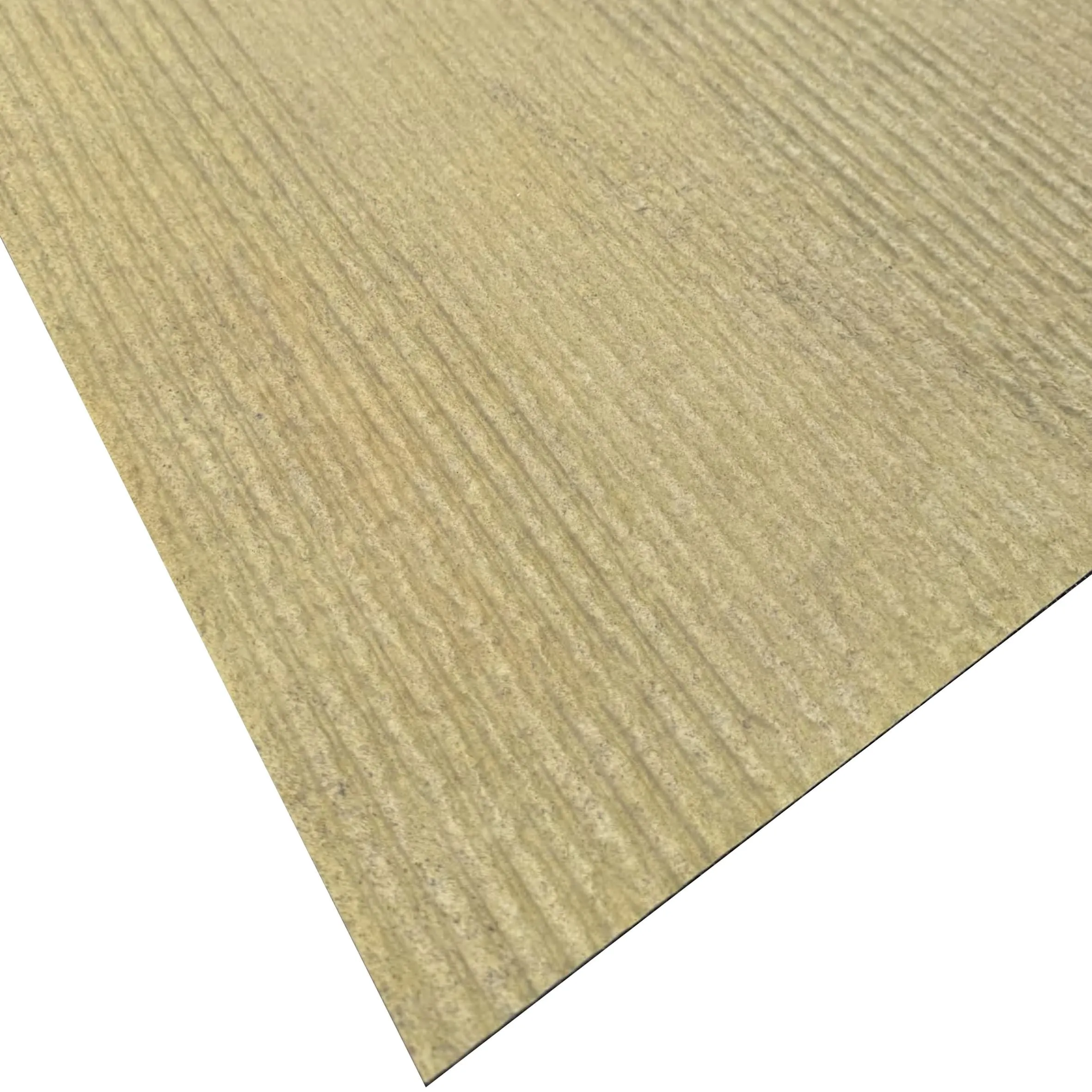
Customizing Gravel Omani Stone isn't a transaction; it's a collaboration. It starts with a conversation—often over coffee, blueprints spread across a table—where the client, architect, and stone craftsman share ideas. "We want the lobby to feel like walking through an Omani souk," a hotelier might say, or "This villa should blend with the surrounding olive groves, not compete with them." These snippets of vision guide every step that follows.
Take color customization, for example. The natural palette of Gravel Omani Stone leans toward earthy neutrals—sandy beiges, soft terracottas, and warm grays—but modern techniques let designers nudge those tones in subtle ways. A boutique in Marrakech might request a deeper, rustier base to mirror the city's iconic clay walls, while a coastal home in Greece could opt for a lighter, almost whitewashed version to reflect the Mediterranean sun. It's about harmony, not uniformity—making sure the stone feels like it belongs, not like it was dropped into the space.
Texture is where things get really creative. A restaurant aiming for a cozy, cabin-like vibe might choose a heavily tumbled finish, where the edges of the gravel are soft and the surface feels like it's been touched by generations of hands. A tech startup's office, on the other hand, might prefer a smoother, more contemporary texture, with the gravel inclusions pressed just below the surface for a subtle, almost secret detail. Even the size of the gravel can be adjusted: smaller pebbles for a more refined look, larger stones for a bold, statement-making wall. The key is balance—ensuring the stone is as functional as it is beautiful, standing up to foot traffic, weather, and the daily chaos of life.
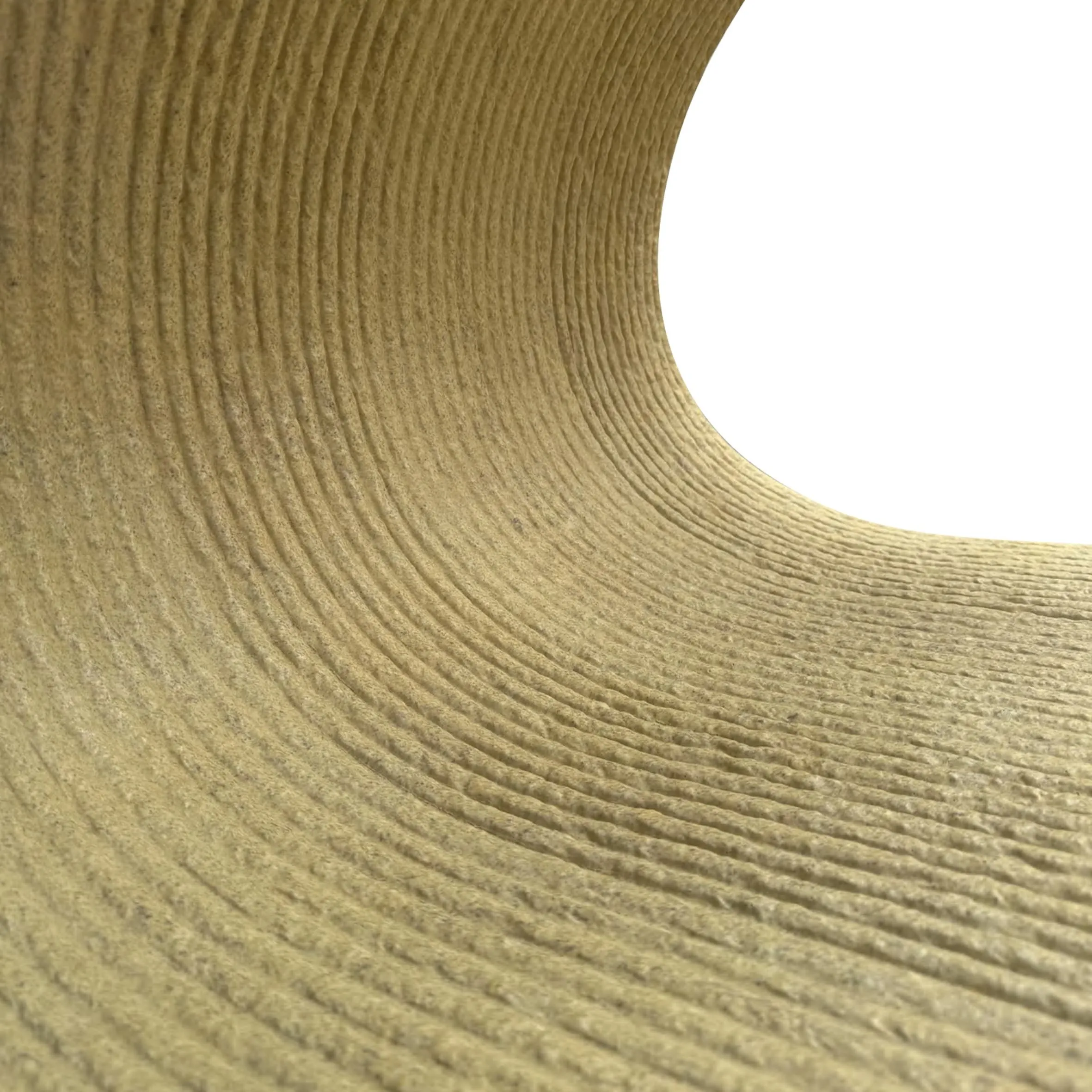
Great design thrives on contrast and collaboration, and Gravel Omani Stone is a team player. It pairs effortlessly with other materials, elevating their strengths while softening their edges. Let's take a closer look at how it interacts with a few standout options from the MCM collection, including Boulder Slab and Lunar Peak Silvery, to create layered, dynamic spaces.
| Material | Core Traits | Synergy with Gravel Omani Stone |
|---|---|---|
| Gravel Omani Stone | Earthy, tactile, embedded gravel, warm neutrals, organic texture | Acts as the "heart" of a space, grounding it in nature and history |
| Boulder Slab (Vintage Silver) | Sleek, metallic, bold slab format, cool-toned, modern edge | Adds contrast with its industrial-chic vibe; perfect for accent walls or facades |
| Lunar Peak Silvery | Iridescent, moonlit sheen, smooth surface, cool silvery tones | Brings an ethereal, otherworldly quality; ideal for cultural or artistic spaces |
| Fair-Faced Concrete | Raw, minimalist, matte gray, industrial aesthetic | Creates a "rough meets refined" dynamic; great for urban lofts or cafes |
Consider a recent project in Barcelona: a boutique hotel housed in a 19th-century building, where the goal was to blend old-world charm with contemporary luxury. The designers chose Gravel Omani Stone for the main staircase, selecting a tumbled finish with larger gravel inclusions to echo the building's historic stonework. To add a modern twist, they clad the elevator shaft in Boulder Slab (Vintage Silver)—its sleek, metallic surface catching the light and creating a striking contrast with the stone's earthiness. The result? A staircase that feels like a bridge between eras, where guests pause not just to climb, but to take in the interplay of textures.
Lunar Peak Silvery, with its almost magical sheen, offers another layer of possibility. Imagine a museum dedicated to astronomy, where the entrance hall needs to evoke the wonder of the night sky. Here, Gravel Omani Stone could form the floor, its embedded pebbles mimicking distant stars, while Lunar Peak Silvery panels line the walls, catching and reflecting light like moonlight on water. It's a space that doesn't just display art—it becomes art, with the materials themselves telling a story of cosmic beauty.
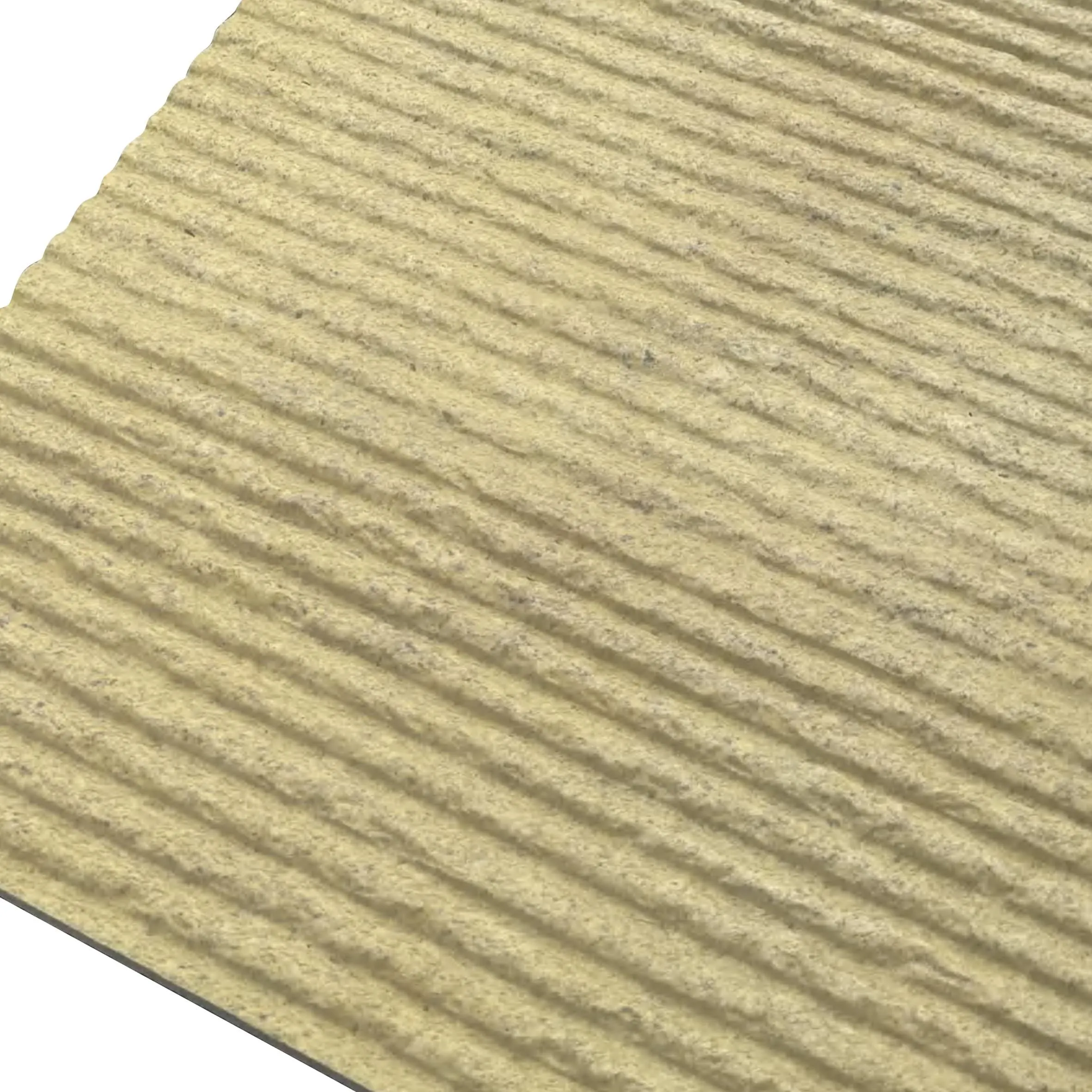
Customization isn't just for high-end projects; it's for any space that wants to feel intentional. Let's walk through a few scenarios where Gravel Omani Stone has transformed ordinary spaces into something extraordinary.
Take the case of a family in Portland, Oregon, who wanted their home to feel like a retreat from the city's rain and gray. They turned to Gravel Omani Stone for their indoor courtyard, working with artisans to create a custom blend: a warm beige base with pops of terracotta gravel, polished just enough to reflect the soft light from the skylights above. The stone flows from the courtyard into the adjacent kitchen, where it meets Fair-Faced Concrete countertops and wooden cabinetry. On rainy days, the family gathers in the courtyard, listening to the pitter-patter of rain on the stone—a sound that feels like a hug from the desert, even in the Pacific Northwest.
For businesses, custom stone is a silent brand ambassador. Consider a specialty tea shop in Kyoto, Japan, that prides itself on sourcing teas from sustainable farms. The owner wanted the shop to feel like a "modern tea garden," so they chose Gravel Omani Stone for the floor, customizing the color to a soft mossy green (a nod to the tea leaves) and the texture to a smooth, almost velvety finish that invites customers to linger. Paired with wooden shelves and glass display cases, the stone becomes part of the brand's story—quiet, intentional, and deeply connected to nature.
Public spaces have a duty to reflect the communities they serve, and custom stone helps them do that with dignity. In a small town in Italy, the local government wanted to renovate their town square to honor their agricultural roots while creating a space for festivals and gatherings. They chose Gravel Omani Stone for the central plaza, working with local craftsmen to etch subtle patterns into the stone that mimic the furrows of farm fields. Around the edges, they added Lunar Peak Silvery benches—their silvery finish catching the sun during the day and glowing softly under string lights at night. Today, the square isn't just a paved area; it's a living tribute to the town's past and a canvas for its future.
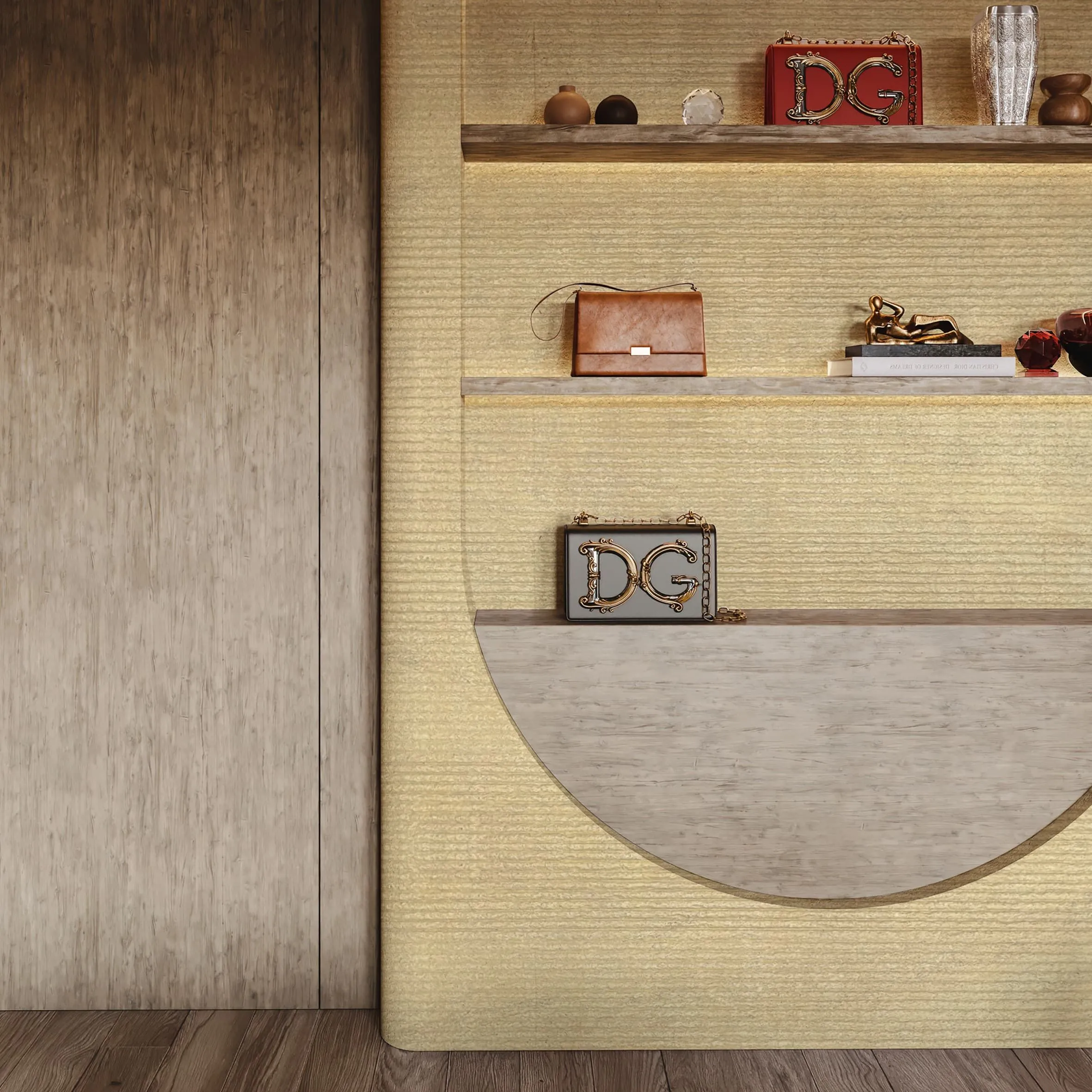
In a world where we can order almost anything with a click, why invest the time and care in custom stone? Because "good enough" rarely creates memories. Custom Gravel Omani Stone solutions offer something mass-produced materials can't: a connection to intention. When a client works with artisans to tweak a color, adjust a texture, or refine a finish, they're not just buying a material—they're co-creating a piece of their project's identity.
Take durability, for instance. A standard stone might look great in a showroom, but if it's not tailored to a project's needs—say, a high-traffic airport lobby or a poolside patio—it could wear down quickly. Custom Gravel Omani Stone, on the other hand, can be reinforced, sealed, or treated to withstand specific conditions, ensuring it looks as good in 20 years as it does on day one. It's an investment in longevity, not just aesthetics.
Then there's sustainability. Many custom stone workshops prioritize ethical sourcing, working directly with quarries that minimize environmental impact. When you choose custom Gravel Omani Stone, you're not just getting a beautiful material—you're supporting practices that respect the planet. And in a world grappling with climate change, that matters.
Custom Gravel Omani Stone solutions are a love letter to the idea that architecture should be personal. They remind us that materials aren't just tools—they're collaborators, capable of turning a vision into a space that feels like it was always meant to be. Whether paired with the bold modernity of Boulder Slab, the ethereal glow of Lunar Peak Silvery, or left to shine on its own, Gravel Omani Stone brings a piece of the earth's soul into our built environments.
At the end of the day, the most powerful thing about custom stone is how it makes us feel. It's the way sunlight catches the gravel inclusions and throws patterns on the wall, or how the texture underfoot reminds us of a childhood walk along a river. It's the quiet certainty that someone cared enough to craft something just for this space, just for these people. In a world that often feels rushed and impersonal, that's the kind of magic that makes architecture unforgettable.
Recommend Products












