

Walk into a modern café, and the first thing that catches your eye might not be the menu or the barista—it could be the walls. Instead of flat, lifeless paint, they rise and fall like gentle ocean swells, their texture so tangible you'll want to reach out and touch it. When sunlight streams through the windows, shadows dance along the curves, making the whole room feel like it's breathing. This isn't just a wall anymore; it's a storyteller, a mood-setter, a piece of art you can live with. That's the magic of custom pattern wave panels, and today, we're diving into how they're changing the game for interior and exterior design—thanks to cutting-edge technology like 3D printing and innovative materials like modified cementitious composites (MCM).
Let's face it: for too long, walls have been an afterthought. We slap on some paint, hang a few pictures, and call it a day. But traditional materials—think heavy stone slabs, rigid ceramic tiles, or one-size-fits-all wallpaper—come with a long list of frustrations. Natural stone looks luxurious, but try lifting a 50kg slab up a narrow staircase, or fixing a crack when it inevitably chips. Ceramic tiles are durable, but their small size means endless grout lines that collect dirt and ruin the flow of a design. Wallpaper? It peels, fades, and can't handle moisture in bathrooms or kitchens. And if you want something unique —a wall that reflects your personality or brand—forget it. Most options are mass-produced, leaving you with the same "standard issue" look as every other space.
Then there's the issue of weight and installation. Old-school materials add tons of extra load to a building's structure, limiting where they can be used. Installers need special tools, heavy machinery, and days (sometimes weeks) to get the job done. And once they're up? They're permanent . Want to refresh your space in a few years? You'll be tearing down walls and starting over, wasting time, money, and materials.
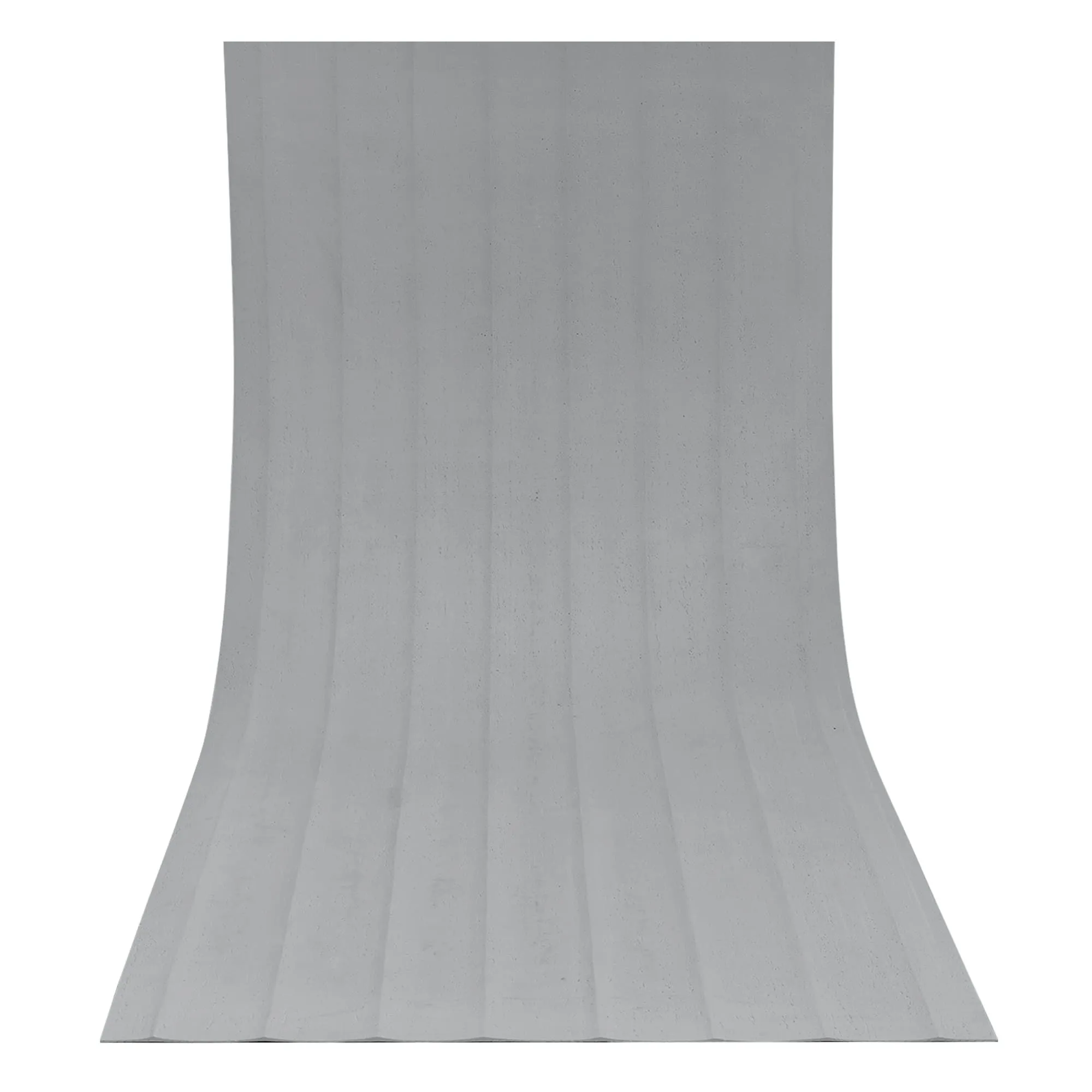
Enter wave panels—wall cladding designed to move, flow, and feel different. These aren't your grandma's wallpaper borders or cheap plastic 3D wall stickers. We're talking about precision-engineered panels with organic, wave-like textures that add depth, movement, and personality to any space. But what makes them truly game-changing? It's the combination of three things: 3D printing technology, advanced MCM materials, and endless customization options.
At its core, a wave panel is a thin, lightweight sheet of material with a raised, undulating surface—like a frozen moment of ocean waves, desert dunes, or even abstract patterns. But the beauty is in the details. Run your hand over a high-quality wave panel, and you'll feel that mimics natural stone or wood, not the rough plastic of a discount home decor store. Step back, and the play of light and shadow across the waves creates dynamic, ever-changing visuals. Morning light might make the walls look soft and golden; evening lamplight could turn them moody and dramatic. It's a wall that doesn't just sit there—it interacts with its environment.
Take, for example, a boutique hotel lobby in Dubai. Instead of a plain marble wall, the designers chose wave panels made with MCM Flexible Stone in a custom "Desert Wind" pattern. The panels ripple like sand dunes at sunset, and the material's warm, earthy tone complements the hotel's desert-inspired theme. Guests don't just walk through the lobby—they experience it, stopping to take photos and talk about "that cool wave wall." That's the power of a space that tells a story.
None of this would be possible without 3D printing—and not the small desktop printers you might have seen. We're talking industrial-grade 3D printing systems that can create panels up to 2.4 meters tall with pinpoint accuracy. This is where MCM 3D Printing Series shines. Unlike traditional manufacturing methods (which rely on expensive molds or messy hand-carving), 3D printing lets designers turn digital dreams into physical reality—no limits, no compromises.
Imagine you're an architect designing a tech startup office. You want the main wall to look like a digital ocean—smooth waves with sudden, sharp peaks to represent innovation and creativity. With MCM 3D Printing Series, here's how it happens: First, you sketch your design on a computer, tweaking the wave height, spacing, and texture until it's just right. Then, the 3D printer reads your digital file and starts "building" the panel layer by layer, using a special MCM composite material. The printer can adjust the density of each layer to make some parts of the wave softer and others firmer, creating a truly tactile experience. In a matter of hours, you've got a custom panel that's exactly what you imagined—no mold fees, no minimum order, no "close enough" compromises.
Compare that to traditional methods: Carving a wave pattern into stone would take a skilled artisan days (and cost a fortune), and you'd be stuck with whatever they could handcraft. With 3D printing, you can iterate quickly—print a small sample, test it with light, adjust the design, and print again—until it's perfect. It's like having a design genie that says, "Your wish is my command."
3D printing is the tool, but the material is the foundation. That's where MCM (Modified Cementitious Material) comes in. Think of MCM as cement's cooler, smarter cousin—it takes the strength of traditional cement and adds flexibility, lightness, and endless design potential. Let's break down the stars of the MCM family that make wave panels shine:
When we say "flexible stone," we're not kidding. This stuff can bend without breaking—imagine rolling a panel up like a poster (though we don't recommend it!). How? MCM Flexible Stone is made by blending cement with natural fibers, minerals, and polymers, creating a material that's 70% lighter than natural stone but just as strong. That means you can install wave panels on walls that couldn't handle the weight of marble or granite—like upstairs bedrooms, lightweight partition walls, or even ceiling accents. And because it's flexible, it hugs curved surfaces effortlessly. Picture a circular home theater with wave panels wrapping around the walls—no awkward straight edges, just a seamless, immersive experience.
But don't let the "flexible" part fool you. MCM Flexible Stone is tough. It resists scratches, moisture, and UV rays, making it perfect for high-traffic areas like hallways or outdoor patios. Wipe it down with a damp cloth, and it looks as good as new. No more worrying about kids scribbling on the walls or rain ruining your exterior design.
Ever tried putting together a puzzle with 100 tiny pieces? Annoying, right? Now imagine a puzzle with 5 big pieces—smooth, easy, and the picture looks way better. That's the idea behind MCM Big Slab Board Series. These panels come in massive sizes (up to 1200x2400mm, and even larger on request), so you can cover a wall with just a few pieces. Fewer seams mean a cleaner, more flowing design—your wave pattern won't get chopped up by grout lines or gaps. It's like watching a movie on a giant screen instead of a phone—everything feels more immersive.
Take a restaurant with a coastal theme. Using big slab wave panels in Travertine (Starry Blue)—a MCM material with tiny, star-like flecks of blue—means the entire wall becomes a "ocean horizon" with no breaks. Diners feel like they're eating by the sea, not in a strip mall. And installers love it too: fewer panels mean faster installation, saving time and labor costs.
Wave panels aren't just for "fancy" spaces—they work everywhere, from cozy living rooms to bustling retail stores. Let's take a tour of how different spaces are using them to level up their design game:
Meet Sarah, a yoga instructor who wanted her living room to feel like a calm retreat. She chose wave panels in Lunar Peak Silvery—a MCM material with a soft, moonlit sheen. The panels run along one entire wall, paired with warm wood floors and floor-to-ceiling windows. "In the morning, the sun comes through and casts these beautiful, wavy shadows on the couch," Sarah says. "It's like doing yoga in a forest with sunlight filtering through trees—so peaceful." The lightweight MCM Flexible Stone was installed in a day, and Sarah even added LED strip lights behind the panels for evening ambiance. Now, her living room isn't just a place to watch TV—it's her personal sanctuary.
A tech startup in Berlin wanted their office to scream "innovation"—so they went big with wave panels in Rust Mosaic Stone, a rich, industrial-inspired MCM material. The panels cover the main wall in their reception area, with the company logo 3D-printed into the waves. "Clients walk in and immediately say, 'Wow, this is cool,'" says the CEO. "It's a conversation starter, and it tells our story without us having to say a word." Because the panels are made with MCM Big Slab Board Series, there are only 4 seams across the entire 8-meter wall, keeping the focus on the bold, wave-like brand statement.
A five-star hotel in wanted to stand out on the beachfront—so they wrapped their exterior in wave panels made with MCM Flexible Stone in Travertine (Starry Green). The panels mimic the ocean's waves, with the starry green flecks catching the sunlight like sea glass. "Guests take photos of the building before they even check in," says the hotel manager. "And because MCM is weather-resistant, we don't have to worry about saltwater or rain damaging the panels. They still look brand new after two years."
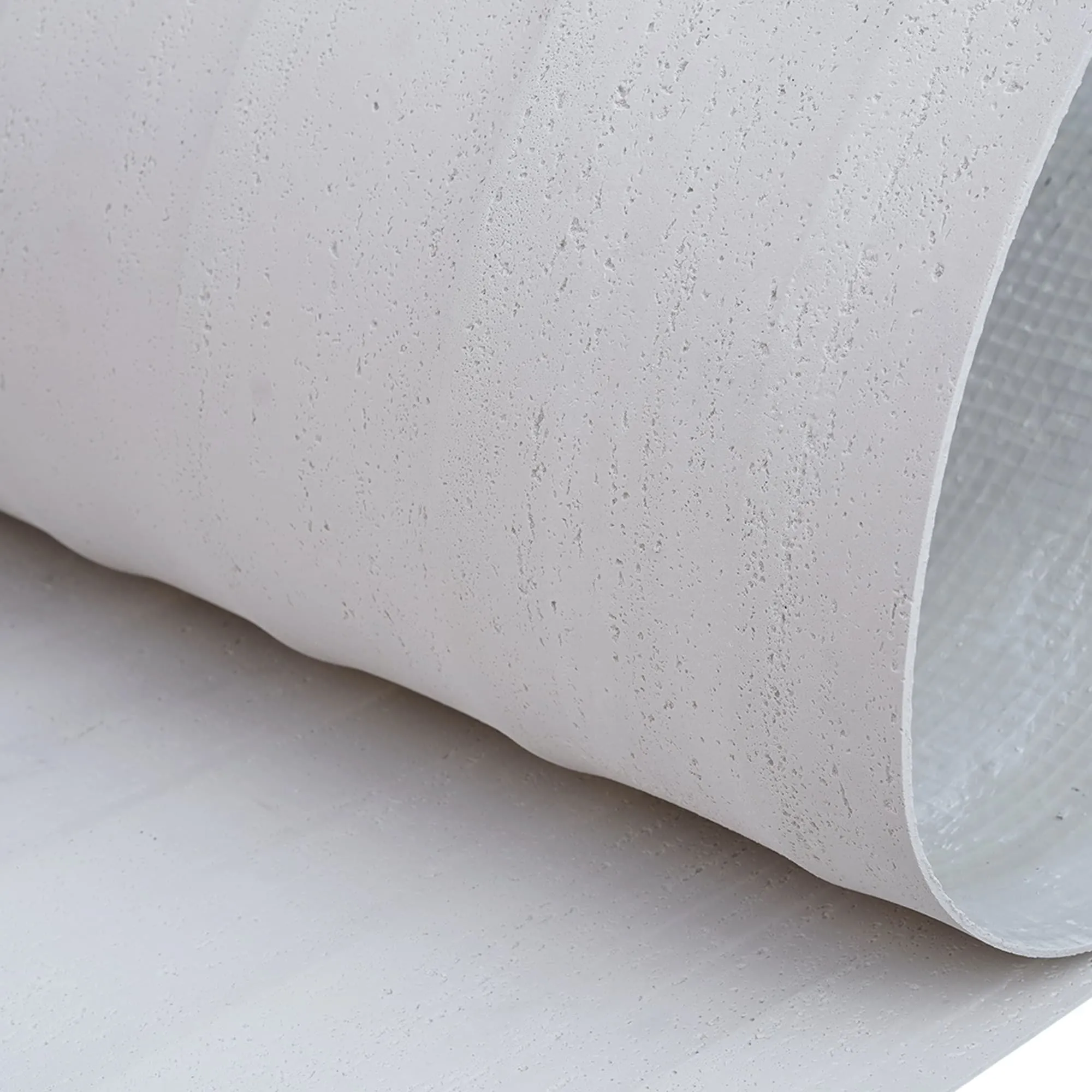
| Feature | Traditional Materials (Marble/Stone Tiles) | Custom Wave Panels (MCM + 3D Printing) |
|---|---|---|
| Weight | Heavy (50-100kg/sqm) | Lightweight (8-12kg/sqm) |
| Installation Time | 3-5 days (requires heavy machinery) | 1-2 days (installers can carry panels by hand) |
| Customization | Limited (pre-set sizes/colors) | Unlimited (custom waves, colors, textures) |
| Durability | Prone to chipping/cracking | Scratch/impact-resistant; weatherproof |
| Sustainability | High carbon footprint (mining/transport) | Eco-friendly (recyclable materials, low energy production) |
| Maintenance | Needs sealing; hard to clean grout lines | Wipe with a damp cloth; no sealing required |
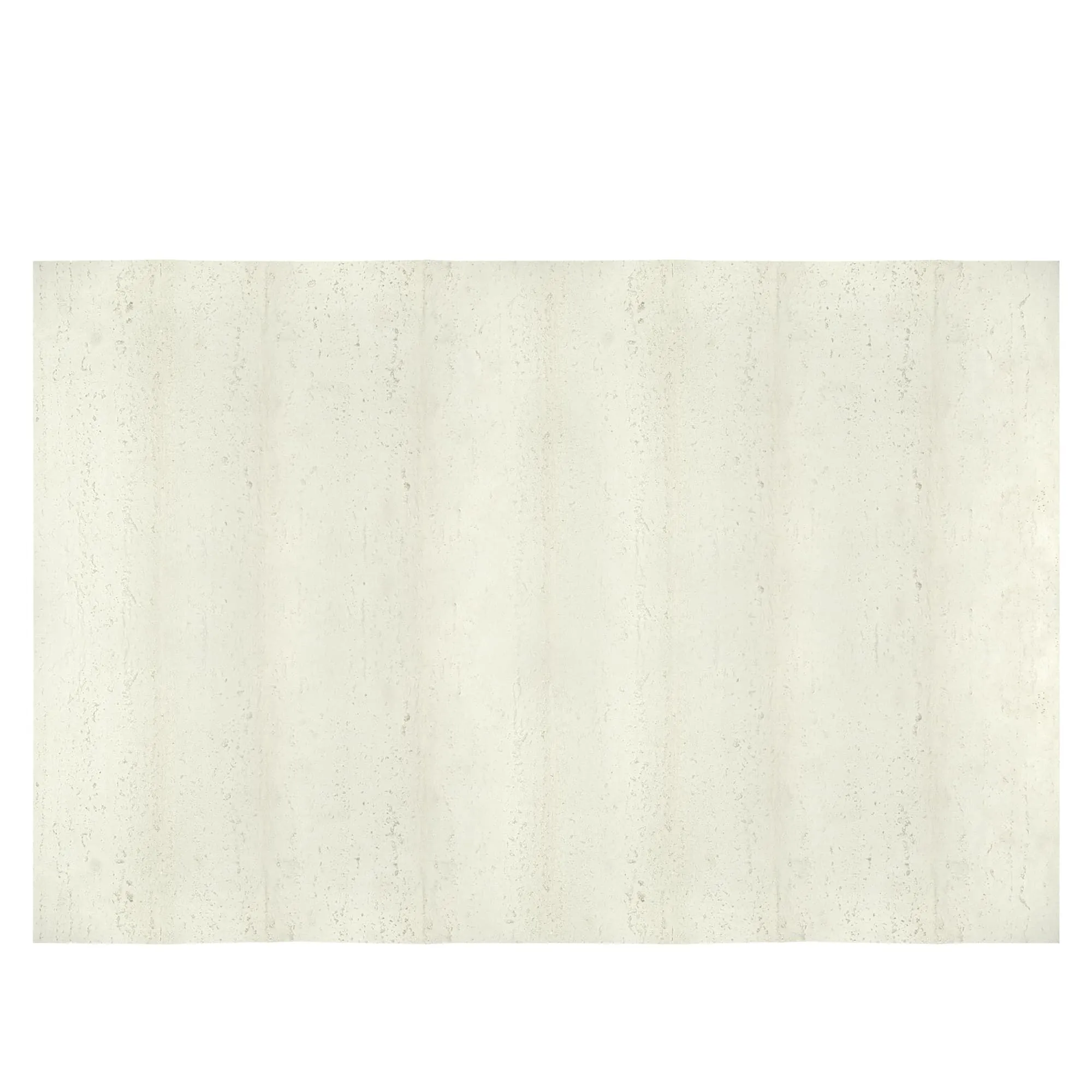
Here's the best part: wave panels aren't "one design fits all." Whether you want subtle ripples or dramatic peaks, earthy tones or bold metallics, the possibilities are endless. Let's say you're obsessed with space—you could go for Travertine (Starry Red), a MCM material with crimson "stars" embedded in the waves, making your wall look like a nebula. Or if you love nature, try Pine Bark Board, which mimics the texture of tree bark with a wave pattern, blending organic and modern vibes.
And it's not just about looks. Need panels that absorb sound for a home theater? MCM materials can be engineered with acoustic properties. Want to save energy? Add thermal insulation behind the panels. Running a restaurant and need fire-resistant walls? MCM has you covered. It's design and function, all in one.
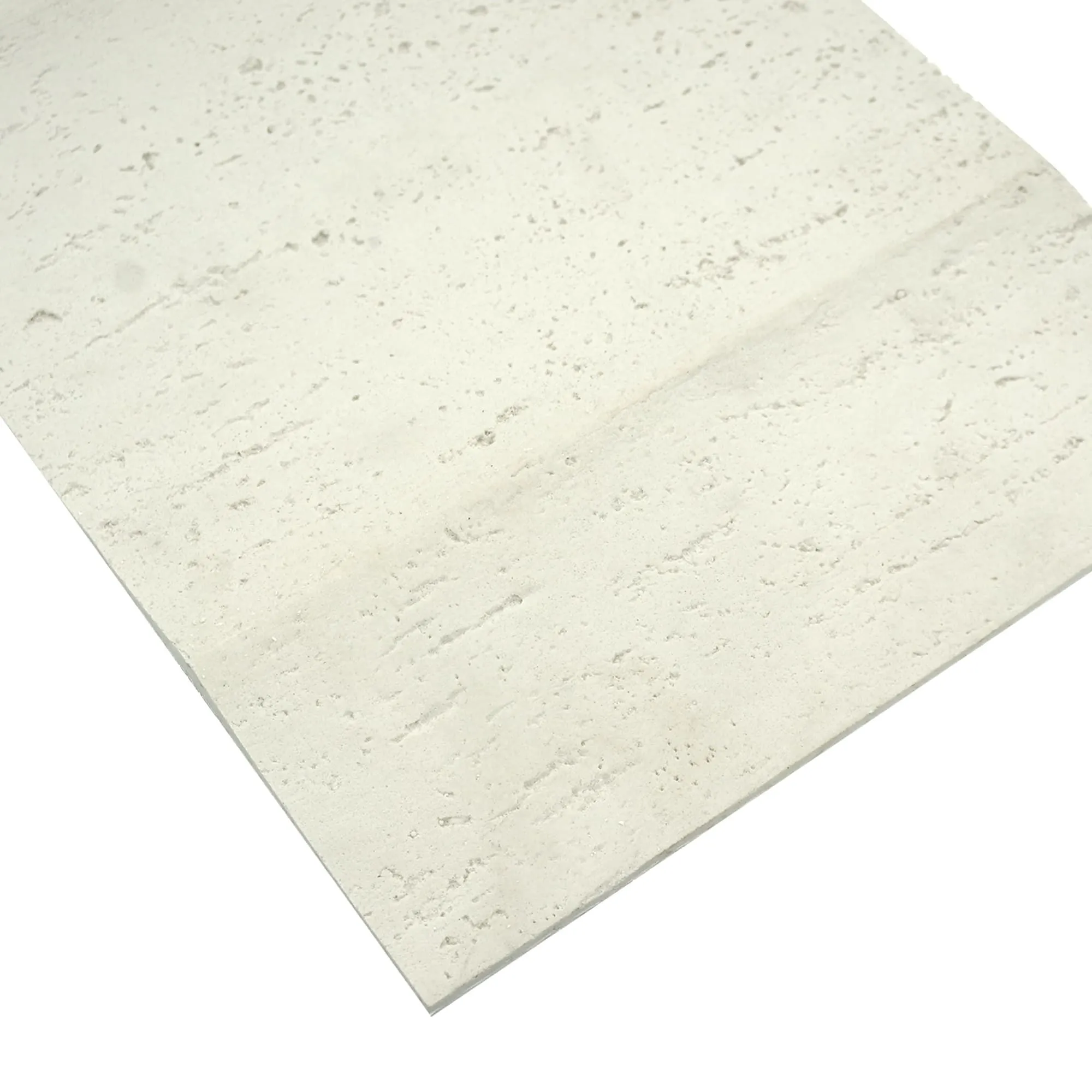
We all want to do our part for the planet, and wave panels check that box too. MCM materials are made with recycled minerals and low-VOC (volatile organic compound) binders, so they don't off-gas harmful chemicals into your home or office. The 3D printing process uses only the material needed, cutting down on waste, and leftover panels can be recycled into new ones. Plus, because MCM is lightweight, transporting it uses less fuel than hauling heavy stone—lowering the carbon footprint from factory to front door.
For businesses aiming for LEED certification or homeowners who want to reduce their environmental impact, this is a game-changer. You don't have to choose between "stunning design" and "sustainability"—wave panels give you both.

Walls are the largest canvas in any space—why waste them on "good enough"? Custom pattern wave panels, powered by MCM 3D Printing Series, MCM Flexible Stone, and MCM Big Slab Board Series, let you turn that blank canvas into something extraordinary. They're lightweight, durable, customizable, and eco-friendly—solving all the problems of traditional materials while adding a whole new level of beauty.
Whether you're redesigning your home, branding your business, or creating a landmark building, wave panels aren't just a design choice—they're a statement. They say, "This space matters. We care about detail. We believe in innovation." So why settle for a wall that sits there when you can have one that moves , breathes , and inspires ?
The future of design is here, and it's wavy. Are you ready to make a splash?
Recommend Products











