
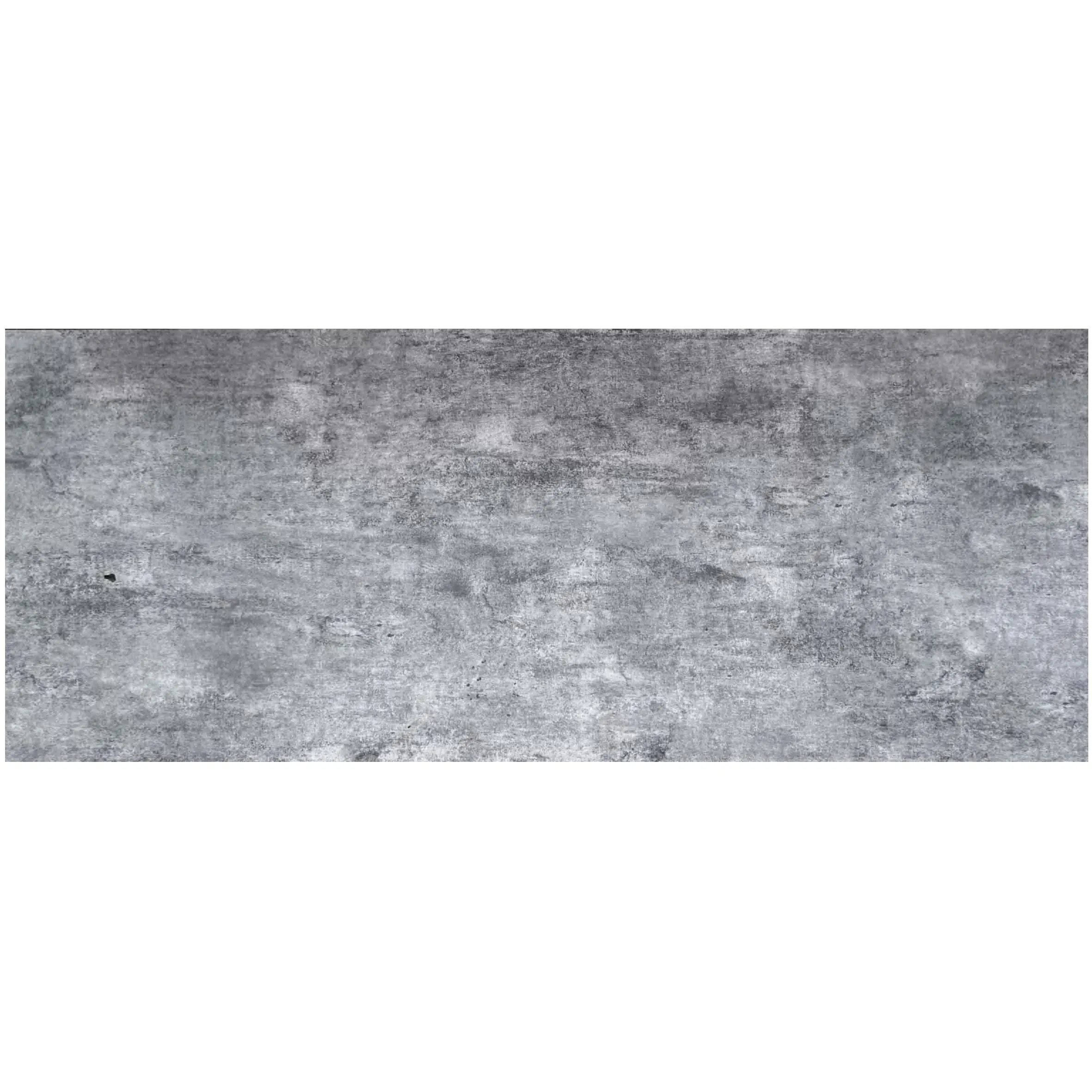
Walk into any cutting-edge design studio, minimalist café, or high-end residential loft today, and your feet will likely tell you what's in vogue. The cool, seamless, and sophisticated sweep of custom polished concrete floors has become synonymous with modern design. It's a look that speaks of brutalist honesty, industrial chic, and a refined sense of minimalism. It's a bold statement that says, "We value form, function, and the raw beauty of the material."
But what happens when you look up from that gorgeous floor? Often, the vision stops there. How do you carry that seamless, monolithic, and texturally rich aesthetic up the walls, across ceilings, and even onto the building's exterior? How do you wrap it around a curved reception desk or a soaring support column? Pouring concrete vertically is a messy, heavy, and structurally demanding nightmare. Sticking on thin, brittle concrete veneers often leads to cracking and disappointment. The dream of a holistic, concrete-inspired environment often hits a very literal wall.
This is where the conversation needs to evolve. It's time to look beyond the floor. It's time to talk about a revolutionary approach, a material that captures the soul of concrete but sheds its limitations. We're talking about tailored solutions for modern architecture, pioneered by COLORIA GROUP . The answer lies in a remarkable innovation: Modified Cementitious Material, or MCM. This isn't just another building product; it's a new design language, empowering architects and designers to finally realize that complete, immersive aesthetic they've been chasing.
Before we dive into the solution, it's worth asking: why this obsession with concrete? Its appeal is deeply rooted in the principles of modernism. It's an honest material. It doesn't pretend to be something it's not. Its subtle variations in tone and texture tell a story of its creation, providing a quiet, powerful backdrop that allows other design elements—light, furniture, art, people—to take center stage.
From the raw power of Brutalist landmarks to the serene spaces of Tadao Ando, concrete has proven its versatility. In contemporary design, it has been tamed and refined. The look is no longer just about raw, imposing structures; it's about creating spaces that feel both grounded and expansive, industrial and luxurious, simple and deeply complex. It's a canvas for light, shadow, and life.
However, achieving this aesthetic with traditional cast-in-place concrete or precast panels comes with a hefty list of challenges. Let's be real about it:
For years, architects have had to compromise, using real concrete where possible and then trying to mimic the look with paint or plaster, often with disappointing results. The continuity is broken. The authenticity is lost. The dream remains just out of reach.
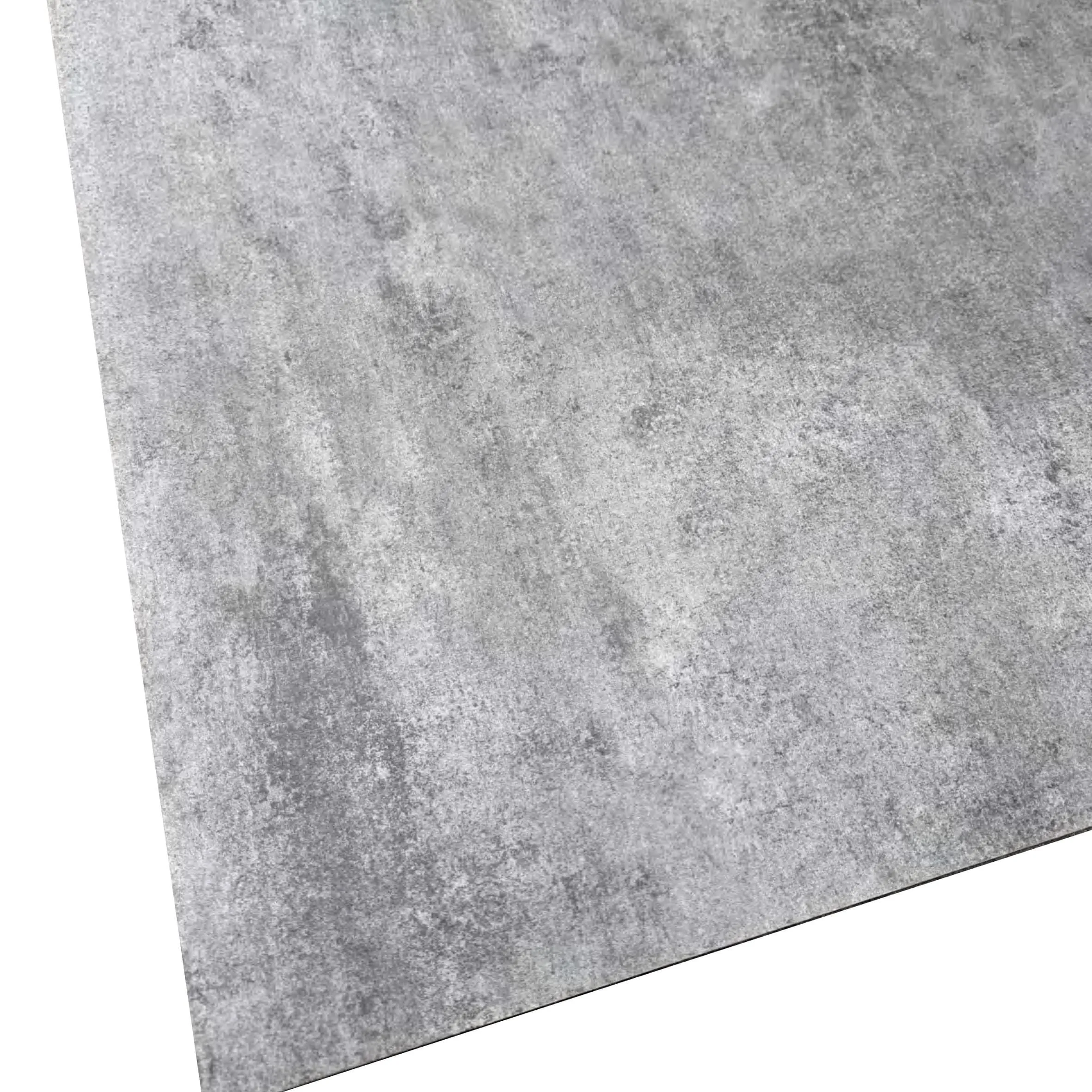
This is where the story takes a turn. Imagine a material that gives you the stunning visual and textural depth of stone, clay, and concrete, but is lightweight, flexible, and eco-friendly. This isn't science fiction; it's the reality of COLORIA GROUP 's core innovation: Modified Cementitious Material (MCM).
So, what exactly is it? Think of it this way: Nature has spent millennia creating stone and earth. MCM technology accelerates and refines a similar process. It takes natural raw materials—like common soil, sand, and stone powder—and, through a highly specialized process of spray-drying and modification, transforms them into a new kind of material. This material is then shaped under controlled temperature and light irradiation, resulting in a product that is both of the earth and for the future. It's a beautiful marriage of natural ingredients and sophisticated technology.
As a dedicated one-stop solution provider, COLORIA GROUP has honed this technology over decades, building a global reputation for quality and innovation, from bustling Asian metropolises to major projects in Saudi Arabia. The focus has always been on solving the real-world problems faced by architects, designers, and builders. And MCM solves a lot of problems.
Why is MCM such a breakthrough? It's not just a single feature; it's the combination of properties that makes it so compelling:
Understanding the power of MCM is one thing; seeing how it translates into tangible solutions is another. COLORIA GROUP has developed a comprehensive portfolio of product series, each designed to meet specific architectural needs and unleash creative potential. This is how you move from a generic material to a truly tailored architectural solution.
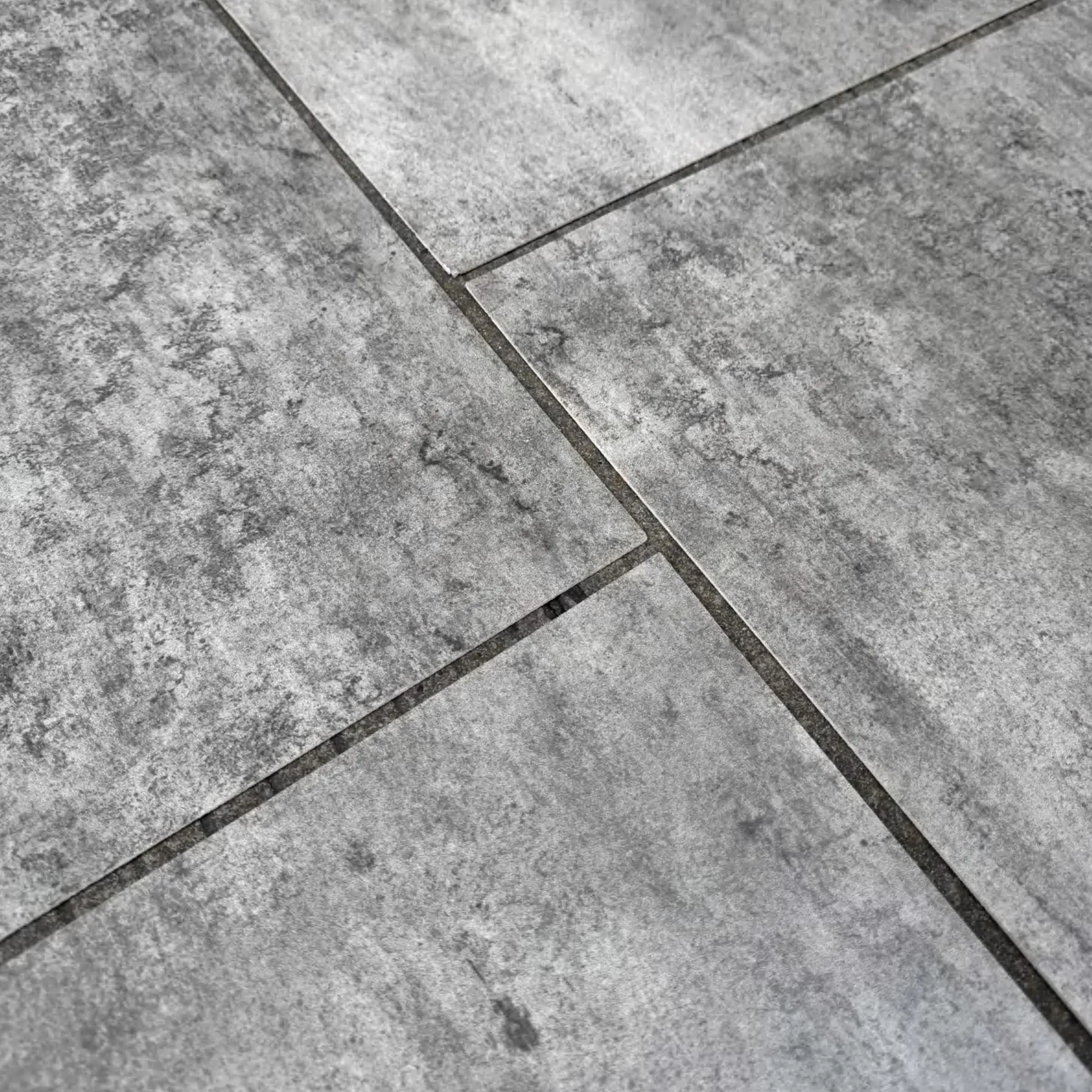
Remember that seamless polished concrete floor we started with? The MCM Big Slab Board Series is how you bring that same majestic, unbroken visual to your walls and facades. These are large-format panels designed to create a powerful, monolithic effect with minimal joint lines. When you want to make a grand statement, this is your tool.
Imagine a hotel lobby where the entire 20-foot-high feature wall is a single, continuous surface of soft-textured concrete, or a modern museum facade that appears to be carved from a single block of stone. This is the impact of the Big Slab Board Series. By minimizing interruptions, the eye is drawn to the sheer scale and texture of the surface itself. It's a minimalist's dream, offering a clean, expansive canvas. Compared to installing massive, dangerously heavy slabs of real stone or precast concrete, these lightweight panels are a revolution in logistics and installation. A small team can quickly and safely clad a large area, dramatically accelerating project timelines and reducing labor costs. This series is the key to achieving that high-end, architectural-digest look with practical, real-world efficiency.
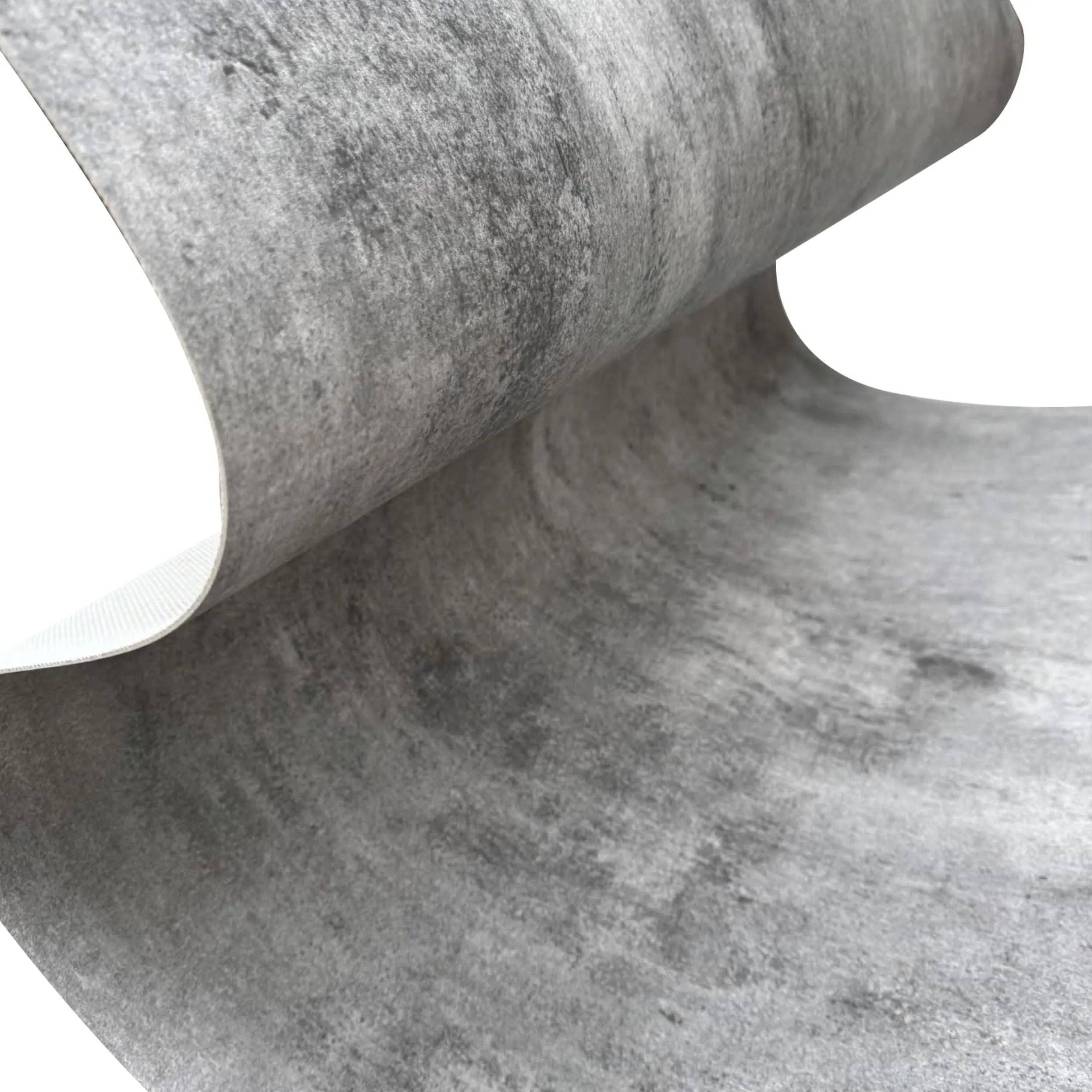
This is a product that consistently makes jaws drop. The MCM Flexible Stone series offers the authentic look and feel of natural quarried stone—from travertine to slate to granite—but in a format that is just a few millimeters thick and, as the name implies, flexible. You can literally take a sheet that looks like solid rock and bend it around a column.
The design implications are staggering. Architectural elements that were previously impossible to clad in stone are now fair game. Undulating feature walls, curved reception desks, rounded building corners, and massive support pillars can all be wrapped in a continuous skin of "stone." It's particularly transformative for renovation projects. Want to update an old, tiled lobby? There's no need for noisy, dusty, and expensive demolition. The ultra-thin MCM Flexible Stone can often be applied directly over the existing surface, completely transforming the space overnight. It provides the timeless beauty and perceived value of natural stone without the immense weight, cost, and environmental impact of quarrying. It's smarter, faster, and more creatively liberating.
Not every surface needs to be a bespoke art piece. For large-scale projects—apartment complexes, office buildings, public institutions, and commercial developments—efficiency, consistency, and cost-effectiveness are paramount. This is the domain of the MCM Project Board Series .
This series is the intelligent workhorse of the COLORIA GROUP lineup. It offers a curated selection of the most popular and versatile finishes—including a range of concrete, stone, and brick textures—in standardized formats optimized for rapid, large-scale deployment. By focusing on volume and efficiency, the MCM Project Board Series delivers all the core benefits of MCM technology at an extremely competitive price point. For a developer, this means being able to specify a high-performance, aesthetically pleasing, and durable facade material that helps keep the project on budget and on schedule. For the architect, it means no longer having to compromise on quality for large-scale applications. You can ensure a consistent, high-quality finish across an entire building or development, backed by the reliability and performance of MCM technology.
If the other series are about mastering known forms, the MCM 3D Printing Series is about inventing new ones. This is the cutting edge, the absolute pinnacle of customization. Using advanced technology, COLORIA GROUP can create materials with intricate, three-dimensional patterns, textures, and forms that are limited only by the designer's imagination.
Think beyond flat surfaces. Imagine a wall with a custom-designed, flowing parametric pattern that interacts with light and shadow throughout the day. Picture a company's logo subtly embossed as a texture across its headquarters' facade. Envision a unique artistic pattern that flows from exterior cladding into the interior lobby, creating a one-of-a-kind branded environment. The MCM 3D Printing Series makes this possible. It allows architects and designers to create truly bespoke building skins and interior surfaces that are as unique as a fingerprint. It transforms walls from passive backdrops into active, expressive storytellers. This is not just cladding; it's architectural art, a way to embed identity and narrative directly into the fabric of a building.
To put the advantages into perspective, let's look at a head-to-head comparison. How does MCM from COLORIA GROUP stack up against the materials it so brilliantly emulates and replaces?
| Feature | COLORIA GROUP MCM | Poured Concrete | Natural Stone Slab | Ceramic Tile |
|---|---|---|---|---|
| Weight | Extremely light (approx. 4-8 kg/m²). Minimal structural load. | Extremely heavy. Requires significant structural reinforcement. | Very heavy. Complicates transport and installation. | Moderate. Can add significant weight, especially with mortar bed. |
| Flexibility | Excellent. Can be bent to fit curved surfaces and columns. | None. Completely rigid once cured. | None. Brittle and will crack if bent. | None. Rigid and requires cutting for any non-flat surface. |
| Installation | Fast, clean, and simple with adhesive. Less labor and equipment needed. | Slow, complex, and messy. Requires forms, curing time, and heavy machinery. | Slow and specialized. Requires heavy lifting equipment and expert masons. | Moderately slow. Involves grout lines, cutting, and setting time. |
| Customization | Virtually limitless. Custom colors, textures, 3D patterns, and sizes. | Limited. Texture depends on form liners; color depends on additives. | Limited to what is quarried. Subject to natural variation and defects. | Limited to manufacturer's catalog. Custom options are very expensive. |
| Durability | High. A-grade fire resistant, waterproof, freeze-thaw stable. | High, but can be porous and prone to staining and cracking. | High, but can be porous, stain, or chip. Some stones are soft. | Good, but grout is a weak point. Can chip or crack under impact. |
| Eco-Impact | Low. Made from natural/recycled materials, low-energy production. | High. Cement production is a major source of CO2 emissions. | High. Quarrying is destructive, and transport is energy-intensive. | High. Firing kilns requires immense energy. |
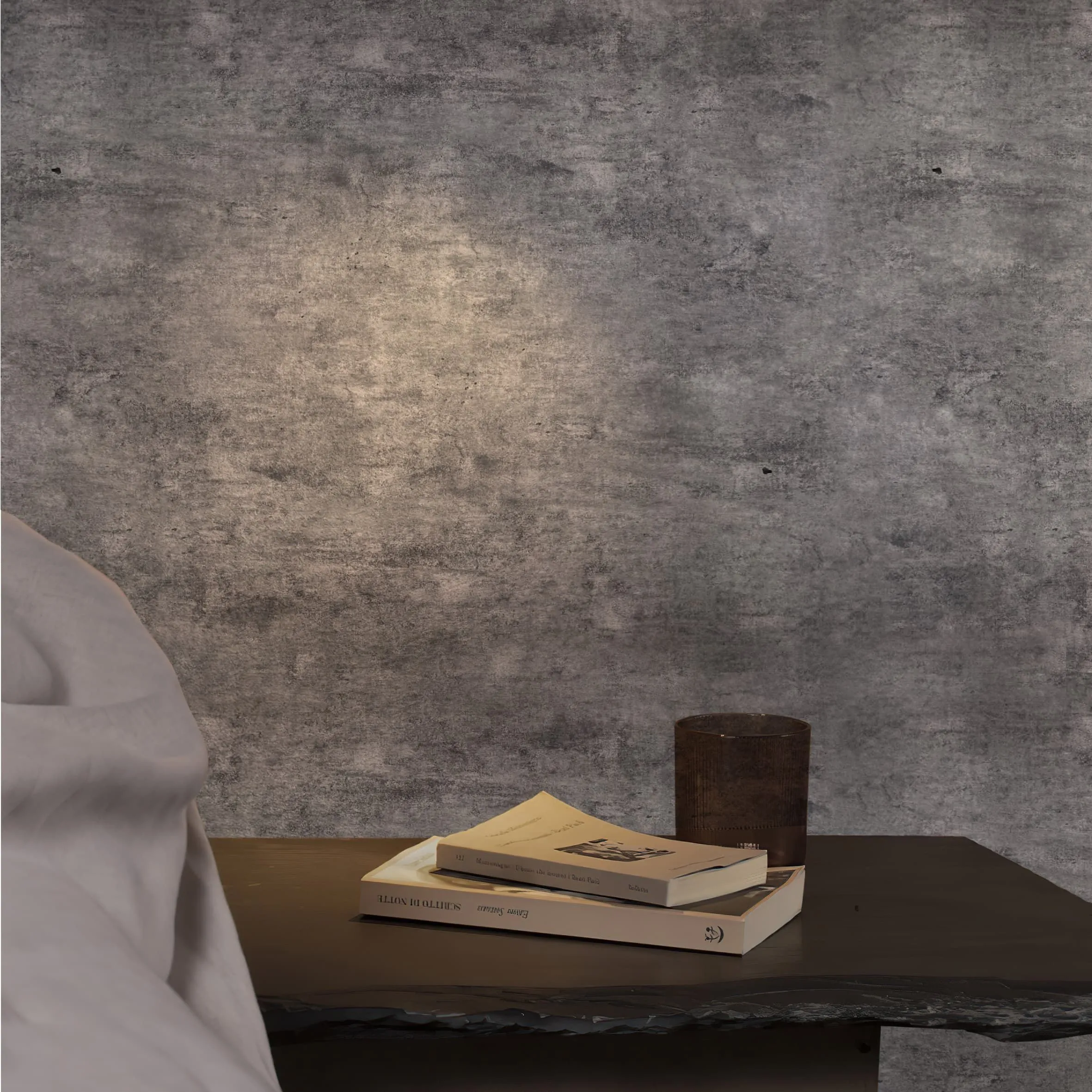
Let's return to our starting point: the custom polished concrete floor. We love it for its aesthetic—its minimalism, its texture, its honesty. But the true goal of great architecture isn't just to create a beautiful floor; it's to create a beautiful, cohesive, and functional space. It's to build an environment.
The limitations of traditional materials have forced designers to think in fragments—this for the floor, that for the walls, something else for the exterior. It led to compromises, breaks in continuity, and unrealized visions. COLORIA GROUP 's MCM solutions change this paradigm entirely. They provide a unified material language that can be spoken across almost any surface, in almost any form.
Now, you can design with a new kind of freedom. You can take the essence of that concrete floor and sweep it up a feature wall with the MCM Big Slab Board Series . You can wrap it seamlessly around a reception desk with the impossibly versatile MCM Flexible Stone . You can clad an entire campus of buildings with it efficiently using the MCM Project Board Series . And you can even imbue it with a unique, three-dimensional personality using the MCM 3D Printing Series . The result is a more holistic, more expressive, and more intelligent form of architecture.
The future of building isn't just about new shapes; it's about new skins. It's about materials that are smarter, more sustainable, more adaptable, and more capable of telling a story. By offering a tailored, one-stop solution, COLORIA GROUP is not just selling a product; it's providing a new set of tools for architects and designers to build the world of tomorrow. The aesthetic of concrete and stone is timeless, but its physical form has now been perfected.
Recommend Products












