

There's something almost sacred about stepping into a heritage building. The creak of old floorboards, the play of light through stained glass, the weathered stone walls that seem to hum with stories of the past—these are more than just structures. They're living testaments to the people who built them, the eras they've survived, and the communities they've anchored. But preserving that magic? It's no small feat. Heritage restoration walks a tightrope: honoring history without trapping it in time, updating for safety without erasing character, and choosing materials that feel authentic but can stand up to modern demands. That's where Custom Red Travertine MCM steps in—not just as a building material, but as a bridge between then and now.
Modified Composite Material (MCM) has quietly revolutionized how we approach restoration. Unlike rigid natural stone or high-maintenance wood, MCM blends the best of both worlds: the look and texture of traditional materials with the durability, flexibility, and sustainability of modern engineering. And when it comes to heritage projects, few MCM variants feel as deeply connected to history as Red Travertine MCM. Its warm, earthy red tones, intricate veining, and gently weathered finish evoke the patina of centuries, making it a natural choice for buildings that carry stories in their walls. But what truly sets it apart is its customizability—tailored to match the unique character of each heritage site, ensuring that every restoration feels like a continuation of the building's legacy, not a replacement.
Travertine has been a cornerstone of architecture for millennia. From the Colosseum's grand arches to the intricate facades of Ottoman mosques, its porous, layered texture and soft, earthy hues have made it a favorite for buildings meant to endure. But natural travertine, for all its beauty, comes with challenges: it's heavy, prone to cracking under stress, and requires constant sealing to resist moisture and staining. For heritage buildings—many of which already struggle with structural wear—adding the weight of natural stone can be risky. And replacing worn sections with new natural travertine? It often stands out like a sore thumb, the fresh stone lacking the subtle fading and unique veining that time alone can create.
Enter Custom Red Travertine MCM. Crafted to mimic the look of aged travertine, it captures that same warmth—the kind that makes a stone wall feel like a hug from history—but with a modern twist. Its lightweight composition (up to 70% lighter than natural stone) eases the load on fragile heritage structures, while its reinforced composite core resists cracking, chipping, and water damage. But the real magic? Customization. Whether a building's original travertine has a specific shade of red (think terracotta kissed by sunset or deep brick-red flecked with gold), or unique veining patterns that tell the story of its formation, MCM can replicate it. Skilled artisans analyze samples of the original stone, digitize its texture, and adjust pigments to match—so when you run your hand over a restored wall, you'd swear it's the same stone that stood there a century ago. It's not just restoration; it's reanimation.
Take, for example, the 1892 Town Hall in a small European village I visited last year. Its facade, once a rich red travertine, had faded to a patchy pink in spots, with chunks missing from years of harsh winters. The restoration team considered natural travertine, but the cost was prohibitive, and the weight threatened the building's aging wooden beams. Then they discovered Custom Red Travertine MCM. They matched the original red hue down to the subtle orange undertones, replicated the pitting and veining, and installed panels that fit so seamlessly, even longtime villagers couldn't tell where the old stone ended and the new began. Today, the Town Hall stands tall again—not as a museum piece, but as a working building, hosting weddings, council meetings, and community events. And when kids press their palms against the walls, they're touching a material that feels like history, but will still be there for their grandchildren to do the same.
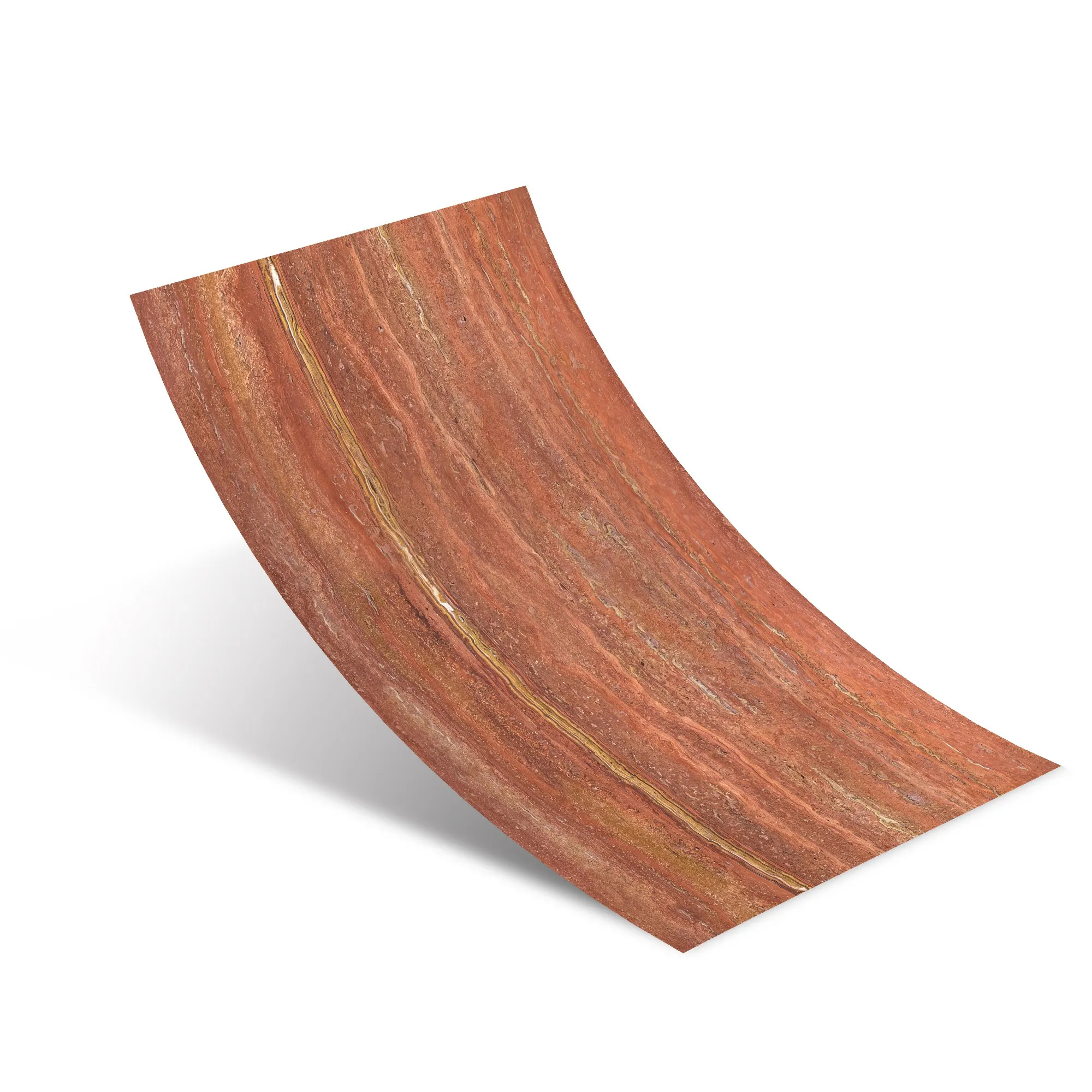
Heritage buildings aren't monolithic. They're tapestries of materials: stone, wood, metal, and glass, each playing a role in the overall story. Custom Red Travertine MCM is a star player, but it shines brightest when paired with other MCM materials that share its respect for history. These aren't just "add-ons"—they're collaborators, enhancing the building's narrative while solving specific restoration challenges. Let's explore a few that have become favorites among architects and conservators.
| Material | Key Features | Heritage Application |
|---|---|---|
| Historical Pathfinders Stone MCM | Mimics the irregular, worn texture of century-old pathway stones, with earthy beige and gray tones that look like they've been trodden by generations. | Restoring courtyard pathways, entry steps, or plaza floors where original stone has eroded. Its non-slip surface adds modern safety without losing the "lived-in" feel. |
| Lunar Peak Silvery MCM | A cool, silvery-gray stone with subtle metallic flecks, evoking the sheen of aged lead or weathered zinc. Lightweight but surprisingly durable. | Accent panels for cornices, window frames, or decorative moldings. Pairs beautifully with red travertine, adding contrast without clashing—think the silvery trim on a historic brick mansion. |
| Foamed Aluminium Alloy Board (Vintage Silver) MCM | A modern material with a retro twist: lightweight aluminum alloy with a matte, vintage silver finish that mimics aged metalwork. Resistant to rust and corrosion. | Replacing deteriorated wrought-iron railings, balustrades, or decorative grilles. Its malleability lets it replicate intricate historic designs, while its durability ensures it won't warp or rust like the original iron. |
| Rammed Earth Board (Matcha Green) MCM | Captures the soft, earthy texture of traditional rammed earth, with a muted green hue that feels organic and timeworn. Breathable and thermally insulating. | Restoring adobe or earthen walls in heritage buildings from arid regions. Adds warmth and texture to interior spaces like libraries or chapels, where original rammed earth has crumbled. |
What makes these materials work so well together? They share a commitment to authenticity. None of them scream "new"—instead, they whisper "familiar." Historical Pathfinders Stone underfoot feels like it's been there since the building's first visitors; Lunar Peak Silvery trim has the quiet elegance of metal that's aged gracefully; Foamed Aluminium Alloy Board (Vintage Silver) railings look like they've weathered storms but never lost their strength. When paired with Custom Red Travertine MCM, they create a symphony of textures and tones that honors the building's past while ensuring it thrives in the present.
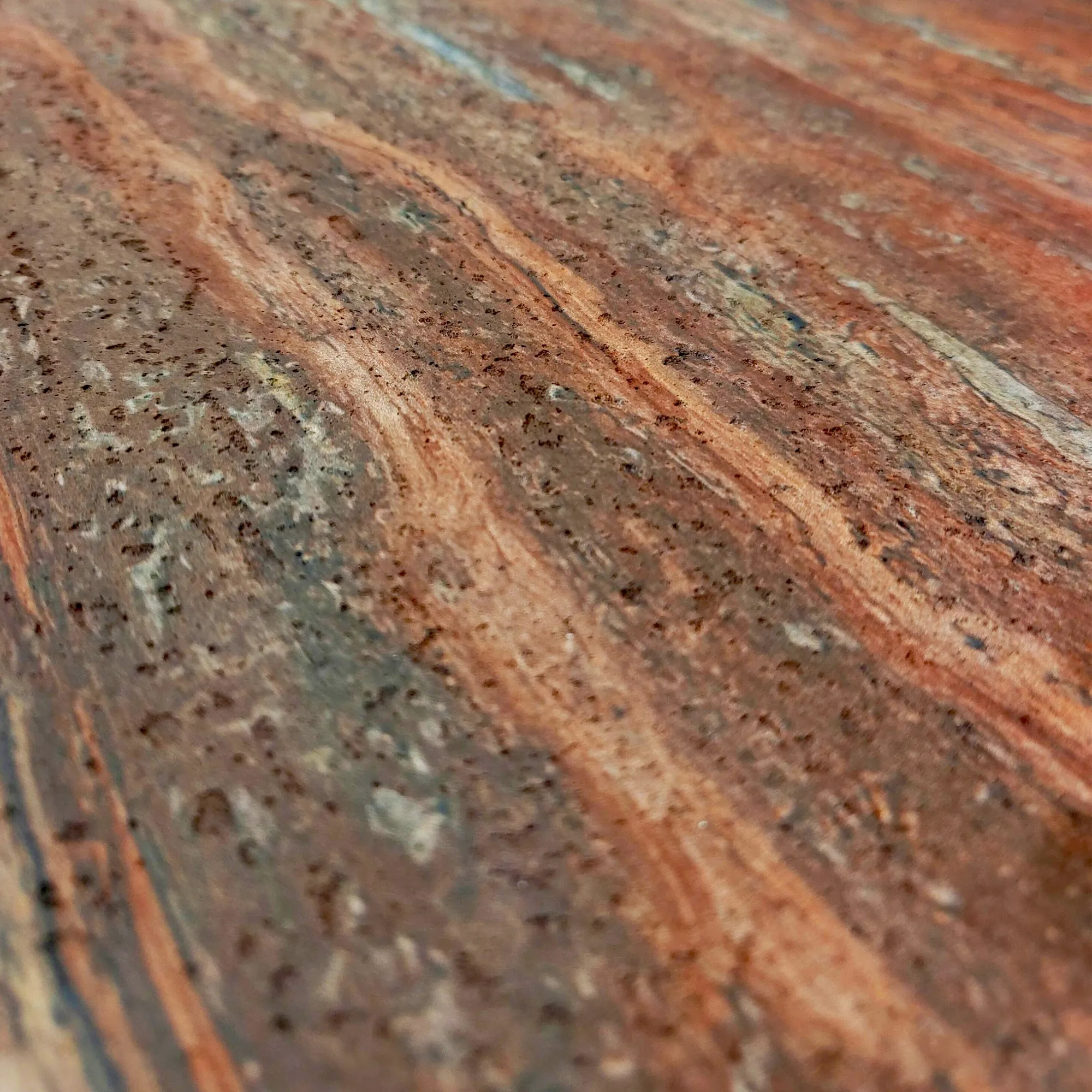
Heritage restoration isn't just about looks—it's about longevity. A building that's "restored" but falls apart in a decade isn't preserving history; it's delaying its loss. That's where MCM's practical benefits shine, making it a favorite for conservators who want to protect heritage for the long haul.
Let's start with durability. Natural stone, wood, and metal are tough, but they're not invincible. Travertine etches with acid rain, wood rots with moisture, and iron rusts. MCM, though, is engineered to resist these foes. Custom Red Travertine MCM, for instance, is treated with a protective coating that repels water, oil, and stains—so even if a storm hits or a pipe leaks, the panels won't absorb moisture or grow mold. Foamed Aluminium Alloy Board (Vintage Silver) laughs off rust, and Historical Pathfinders Stone MCM stands up to heavy foot traffic without wearing thin. For a heritage building, that means fewer repairs, less maintenance, and a longer lifespan—so it can tell its stories for another century.
Then there's sustainability. Heritage restoration is, at its core, an act of sustainability—reusing what's already there instead of building new. MCM takes that a step further. Many MCM panels are made with recycled materials, and their lightweight nature reduces transportation emissions (since you can carry more panels per truck). They also require less energy to produce than natural stone, which often involves mining and cutting. And because they last longer, they reduce the need for frequent replacements—meaning less waste over time. It's a circular approach: preserving the past while protecting the future.
Installation is another win. Traditional materials like natural travertine or solid wood are heavy, requiring cranes, scaffolding, and teams of workers to maneuver. MCM panels, by contrast, are lightweight enough to be carried by two people, cutting down on labor and equipment costs. They're also flexible—panels can be cut on-site to fit irregular spaces, which is crucial for heritage buildings, where no two walls are perfectly straight. On a recent project restoring a 17th-century monastery in Italy, the team used Custom Red Travertine MCM for the cloisters. The original stone arches were slightly uneven, but the MCM panels bent subtly to follow their curves, creating a seamless look that would have been nearly impossible with rigid natural stone. The result? A restoration that looks effortless, even though the process was anything but.
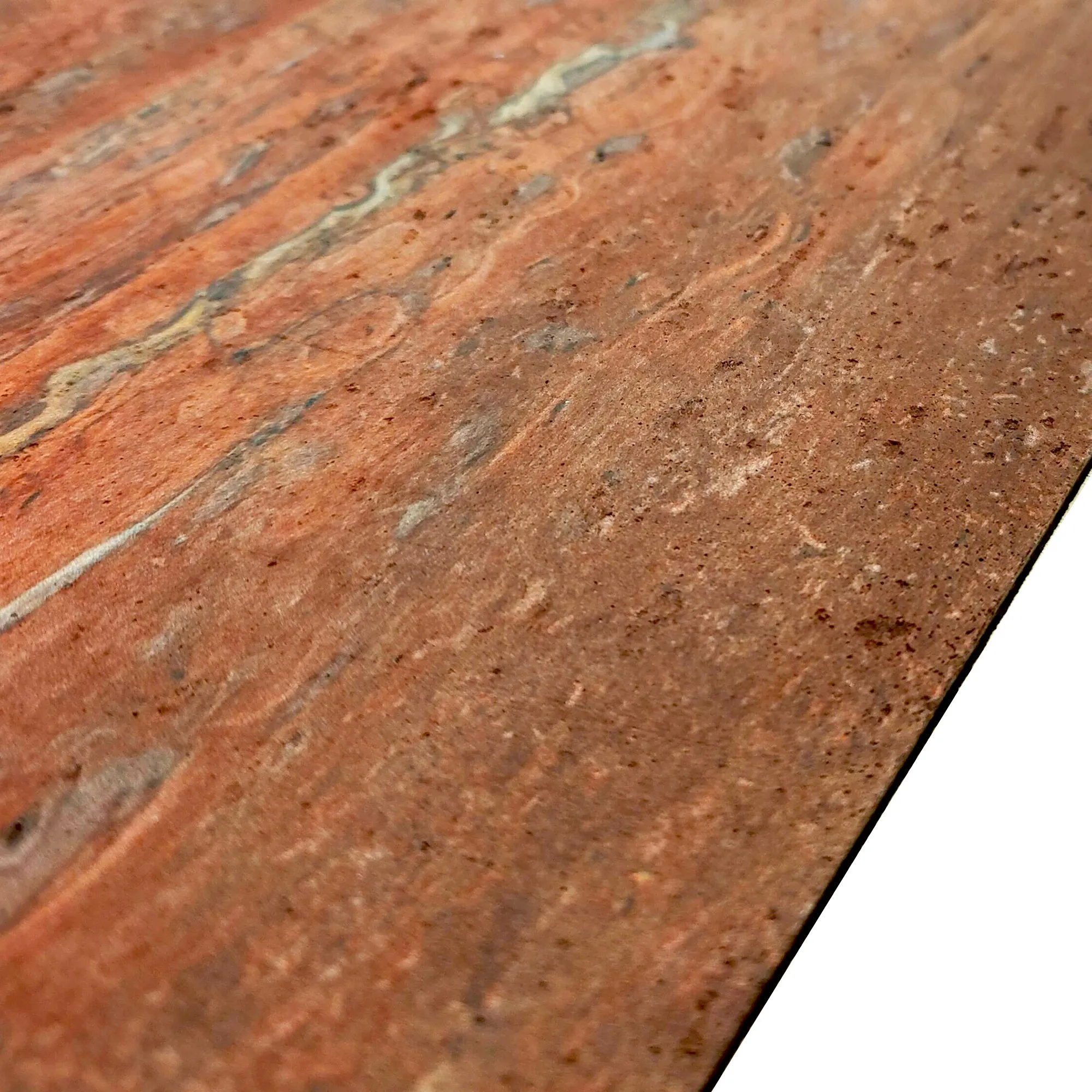
To truly understand the impact of Custom Red Travertine MCM, let's dive into a project that hit close to home: the restoration of the Rialto Theater, a 1920s Art Deco gem in a mid-sized American city. When I first saw it, the Rialto was a shadow of its former self. Its once-grand red travertine facade was chipped and stained, the marquee rusted, and the lobby's terracotta floors cracked. The city had debated demolishing it for years—until a group of locals, myself included, fought to save it. We wanted to bring back the theater that had hosted vaudeville shows, movie premieres, and first dates, but we needed materials that could handle modern codes while honoring its Art Deco roots.
The facade was our first challenge. The original red travertine had deteriorated so badly in spots that entire sections were missing. We considered natural travertine, but the cost was astronomical, and the weight would have required reinforcing the theater's aging steel frame—a project that would have doubled our budget. Then we connected with an MCM manufacturer specializing in heritage restoration. They took samples of the remaining travertine, analyzed its color (a rich, brick-red with gold veining), and created Custom Red Travertine MCM panels that matched perfectly. The panels were so lightweight, we installed them with a small crew over two weeks—no cranes, no scaffolding, just careful fitting. When we stepped back, it was like the theater had shed a layer of age. The red popped again, the veining looked natural, and the panels even had the subtle texture of weathered stone. A retired usher who'd worked there in the 1950s teared up when she saw it: "It looks just like I remember it," she said. "Like it's breathing again."
Inside, we turned to complementary MCM materials. The lobby's terracotta floors, cracked and uneven, were replaced with Historical Pathfinders Stone MCM, which mimicked their worn, earthy texture but added a non-slip surface—important for a theater that would soon welcome crowds again. The Art Deco railings, originally wrought iron, were replaced with Foamed Aluminium Alloy Board (Vintage Silver) MCM. The manufacturer replicated the original geometric patterns, and the vintage silver finish matched the theater's 1920s glamour without the risk of rust. For the ceiling accents, we used Lunar Peak Silvery MCM, its cool gray tones offsetting the warm red of the facade and adding a touch of sophistication that felt true to the Art Deco era.
The Rialto reopened last year, and it's thriving. Families watch classic movies in the main hall, local bands play in the restored lounge, and the lobby hosts art shows. But what matters most isn't the foot traffic—it's the feeling. When you walk in, you don't feel like you're in a "restored" building. You feel like you're in the Rialto. The materials don't shout "new"; they murmur "remember." That's the power of Custom Red Travertine MCM and its companions: they don't just restore walls and floors. They restore soul.
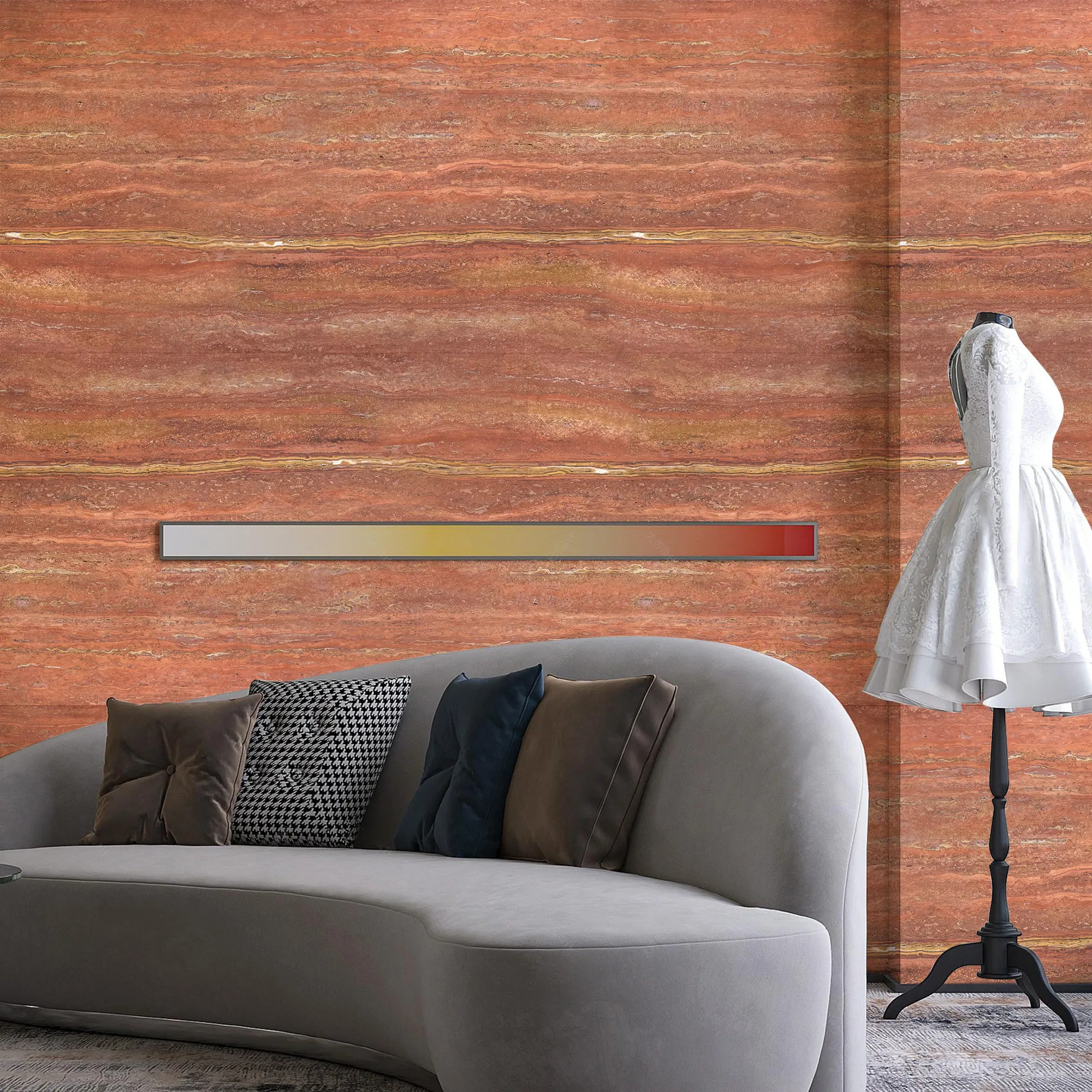
At the end of the day, heritage restoration isn't about bricks and mortar—or panels and pigments. It's about people. It's about a grandmother taking her granddaughter to the same theater where she saw her first movie. It's about a town preserving the schoolhouse where generations learned to read. It's about honoring the hands that built these spaces, and ensuring their work isn't forgotten. Custom Red Travertine MCM, and materials like it, play a quiet but vital role in that: they let us keep the stories alive.
Think about the texture of Custom Red Travertine MCM. It's not smooth or perfect. It has pits and veins and variations—just like the original stone. Those imperfections aren't flaws; they're fingerprints. They're reminders that this stone wasn't mass-produced in a factory but formed over millennia, shaped by time and nature. When we replicate that texture in MCM, we're not just copying a look—we're preserving a connection to the natural world that inspired the original builders. It's a way of saying, "We see you. We value what you created."
Or consider the color of Red Travertine. Red is a color of warmth, of passion, of history. It's the color of clay bricks in a colonial cottage, of terracotta roof tiles in a Mediterranean village, of the earth itself. When we use Custom Red Travertine MCM to restore a heritage building, we're choosing a color that feels alive—not clinical or cold. It wraps the building in a hug, inviting people in and making them feel at home. In a world that often prioritizes sleek, neutral modern design, that warmth is radical. It says, "This place matters. It's not just a building; it's a part of us."
And let's not forget the future. Heritage restoration isn't just for us—it's for the generations who will come after. When we use durable, low-maintenance materials like MCM, we're ensuring that the buildings we love today will still be standing for our grandchildren to love tomorrow. We're giving them the chance to run their hands over the same walls, to stand in the same spaces, and to wonder about the lives that came before. That's a gift more precious than any material.
Heritage buildings are more than wood and stone. They're the keepers of our collective memory, the anchors of our communities, and the proof that what we build today can outlive us. Restoring them is an act of love—and like any act of love, it requires care, attention, and the right tools. Custom Red Travertine MCM isn't just a tool, though. It's a partner in that love story. It lets us honor the past without being bound by it, update for the present without erasing history, and build for the future with respect for what came before.
So the next time you walk past a restored heritage building—whether it's a theater, a town hall, or a cottage—take a moment to look closer. Run your hand over the walls. Notice the color, the texture, the way the light plays on the surface. Chances are, you're touching MCM. And in that touch, you're not just feeling a material. You're feeling the past, the present, and the promise of the future—all woven together, in red travertine and silver accents, in worn pathways and vintage metal, in the quiet magic of a building that refuses to be forgotten.
Recommend Products











