
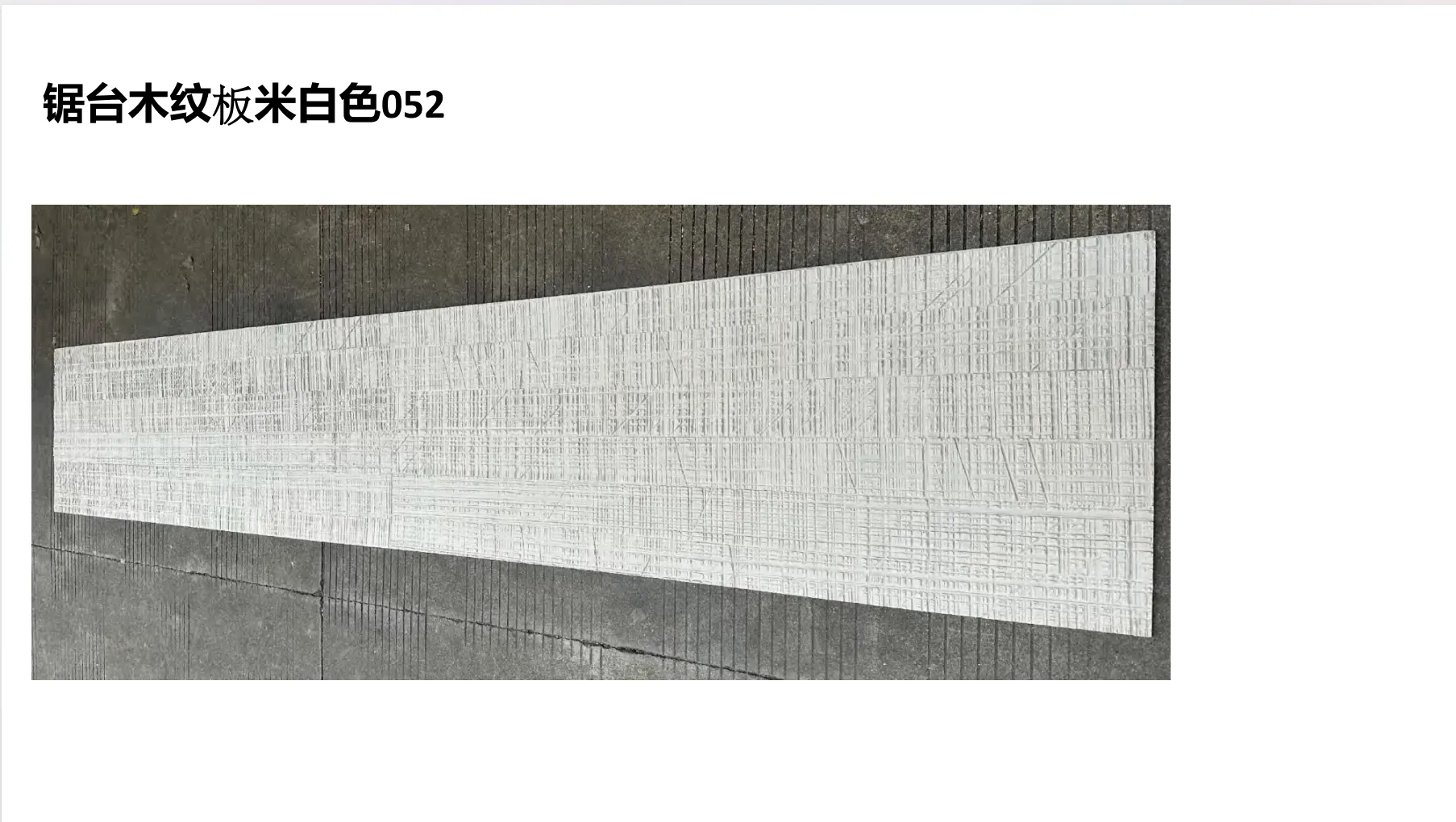
In the world of interior and exterior design, the right material doesn't just fill a space—it tells a story. Whether you're designing a cozy home office, a bustling restaurant, or a sleek commercial lobby, the choice between textures, colors, and finishes can make or break the vibe. Today, we're diving into two heavyweights of customizable design: sawing wood board and MCM flexible stone . Both bring unique character to the table, but how do you decide which one aligns with your project's soul? Let's break it down, step by step, and explore how these materials let you turn "good design" into "unforgettable design."
Gone are the days of one-size-fits-all design. Today's clients crave spaces that feel personal, intentional, and reflective of their brand or lifestyle. Customization isn't just about aesthetics—it's about functionality, sustainability, and creating moments that resonate. Think about it: a hotel chain wanting to stand out might opt for travertine (starry blue) walls to evoke a sense of calm, while a family home might lean into the warmth of bamboo mat board to bring nature indoors. The ability to tweak sizes, textures, and colors isn't a luxury anymore; it's the cornerstone of design that feels alive.
But with so many materials vying for attention, narrowing it down can be overwhelming. That's where we come in. Let's start with the timeless charm of sawing wood board, then explore the innovative flexibility of MCM flexible stone. By the end, you'll have a clear roadmap to choosing the material that turns your vision into reality.
There's something inherently comforting about wood. It's the creak of a well-loved floorboard, the rich aroma of a freshly sanded table, the way light dances on its grain. Sawing wood board takes that natural beauty and elevates it through intentional craftsmanship. Unlike generic plywood or mass-produced planks, sawing wood board is often cut from solid timber, preserving the unique knots, grains, and color variations that make each piece one-of-a-kind.
At its core, sawing wood board is about celebrating nature's imperfections. When you run your hand over a properly sawn board, you can feel the slight ridges of the grain, the subtle dips where the tree grew faster in one season. This texture isn't just tactile—it's emotional. It turns walls, ceilings, and furniture into storytellers, each piece carrying the history of the tree it came from.
But what truly sets sawing wood board apart is its customization potential. Let's break it down:
Whether you need thin strips for a feature wall or wide planks for a ceiling, sawing wood board can be cut to almost any dimension. Want a herringbone pattern? Opt for 10cm-wide boards. Dreaming of a seamless accent wall? Go for 2m-long planks. The flexibility here means you're not limited by standard sizes—your design dictates the material, not the other way around.
The finish of a sawing wood board can completely transform its personality. A natural oil finish brings out the wood's warm tones and highlights its grain, perfect for a rustic cabin or a Scandinavian-inspired café. For a more modern edge, a clear polyurethane coat adds a subtle sheen while protecting against spills. And for something bold? Charring the wood (a technique known as shou sugi ban) creates a striking, almost blackened surface that's both fire-resistant and visually dramatic.
From oak and walnut to teak and bamboo mat board , the choice of wood species opens up a world of possibilities. Bamboo, in particular, has grown in popularity for its sustainability— it's one of the fastest-growing plants on Earth, making it a eco-friendly alternative to hardwoods. Bamboo mat board, with its distinct woven texture, adds an extra layer of visual interest, perfect for bohemian or tropical-themed spaces.
Sawing wood board thrives in spaces where warmth and texture are priorities. Think residential living rooms, boutique hotels, and cozy restaurants. It's also a favorite for accent walls in home offices, adding a touch of nature to counterbalance the sterility of screens. However, it's important to note that wood is a natural material— it expands and contracts with humidity, so it's best suited for indoor use or covered outdoor areas (like a porch with a roof).
While wood's natural beauty is unmatched, it does require a bit of TLC. Unsealed wood is prone to staining and water damage, so regular sealing (every 1-2 years) is a must. High-traffic areas might show scratches over time, though many designers see this as part of the material's charm— a patina that grows more interesting with age. If you're set on wood but worried about upkeep, consider engineered wood options, which combine a real wood veneer with a plywood core for added stability.
Now, let's shift gears to a material that's redefining what stone can do: MCM flexible stone . Short for Modified Composite Material, MCM is a game-changer in the world of cladding. It's made by blending natural stone particles with a polymer resin, resulting in a thin, lightweight sheet that's flexible enough to bend around curves— yes, you read that right. Stone that bends. This innovation opens up design possibilities that were once impossible with traditional stone cladding.
Imagine wanting to clad a circular column in stone. With traditional marble or granite, you'd need to cut the stone into small, wedge-shaped pieces, leaving unsightly seams. With MCM flexible stone? The sheet wraps around the column like a second skin, creating a seamless look. That's the power of flexibility— it lets you work with the shape of your space, not against it.
But flexibility is just the start. MCM flexible stone also offers a staggering range of customization options, thanks to its ability to mimic almost any natural material.
From the deep blues of travertine (starry blue) to the industrial chic of fair-faced concrete , MCM flexible stone comes in colors and textures that rival natural stone. The "starry" series, for example, features tiny, glittering particles that catch the light, adding a subtle shimmer to walls— perfect for statement ceilings in bars or hotel lobbies. Fair-faced concrete, on the other hand, nails that raw, minimalist look, popular in modern offices and art galleries.
MCM sheets are typically just 3-5mm thick, making them significantly lighter than traditional stone (which can be 20mm+ thick). This lightweight nature reduces the load on buildings, making it ideal for retrofits or structures with weight restrictions. And while standard sheets are often 1200x600mm, they can be custom-cut to fit your project— no more wasting material on offcuts.
Whether you want the polished finish of marble or the rough-hewn look of split stone, MCM flexible stone can replicate it. The surface texture is created using molds taken from real stone, so you get the authentic feel without the weight or cost. For example, travertine (starry blue) mimics the porous, pitted texture of natural travertine, but with added "starry" flecks for a modern twist.
MCM's durability and weather resistance make it a star in both indoor and outdoor applications. Exterior cladding? It stands up to rain, snow, and UV rays without fading. High-traffic commercial spaces like airports or shopping malls? Its scratch-resistant surface holds up to daily wear and tear. It's also a favorite for feature walls in luxury retail stores, where brands want to make a bold visual statement without the cost of natural stone.
Unlike natural stone, MCM flexible stone doesn't require sealing or special cleaning products. A quick wipe with a damp cloth is usually all it takes to keep it looking fresh. It's also resistant to mold and mildew, making it a smart choice for bathrooms or kitchens. And because it's lightweight, installation is faster and more affordable than traditional stone— a win for both your timeline and budget.
To help you decide between sawing wood board and MCM flexible stone, let's put them side by side. This table breaks down their customization options, durability, and best uses— so you can see at a glance which material aligns with your project.
| Feature | Sawing Wood Board | MCM Flexible Stone |
|---|---|---|
| Customization Options | Sizes, shapes, finishes (natural, stained, charred), species (oak, bamboo, etc.) | Colors (travertine starry blue, fair-faced concrete), textures, thickness, flexibility for curves |
| Durability | Moderate; prone to scratches, water damage, and warping in high humidity | High; resistant to scratches, UV rays, water, and mold |
| Maintenance | Regular sealing, polishing, and protection from moisture | Low; wipe clean with water; no sealing required |
| Best For | Indoor spaces (living rooms, offices, restaurants) where warmth and natural texture are key | Indoor and outdoor use (exteriors, high-traffic areas, curved surfaces) where durability and flexibility matter |
| Sustainability | Depends on species (bamboo is highly sustainable; hardwoods may require FSC certification) | Made with recycled stone particles and minimal waste in production |
| Installation | Requires skilled labor for precise cutting and fitting; heavier than MCM | Lightweight and flexible; easier to install, even on curved surfaces |
At the end of the day, the choice between sawing wood board and MCM flexible stone comes down to three questions: What vibe are you trying to create? Where will the material be used? And how much maintenance are you willing to commit to?
Of course, there's no rule that says you can't mix them! Many designers pair the warmth of sawing wood board with the sleekness of MCM flexible stone for a balanced look. For example, a restaurant might use wood for the ceiling and MCM fair-faced concrete for the walls, creating a space that feels both cozy and modern.
Customization is about more than picking a color or size—it's about creating a space that feels uniquely yours. Sawing wood board and MCM flexible stone both excel at this, but in different ways. Wood brings the quiet, timeless beauty of nature, while MCM stone brings innovation and durability.
So, whether you're drawn to the rich grain of bamboo mat board or the futuristic shimmer of travertine (starry blue) , the best choice is the one that aligns with your vision. After all, great design isn't just about materials—it's about how those materials make people feel. And with customization on your side, you're not just building a space—you're creating an experience.
Ready to start customizing? Dive into samples, play with textures, and don't be afraid to mix and match. The perfect material is out there, waiting to bring your design to life.
Recommend Products












