
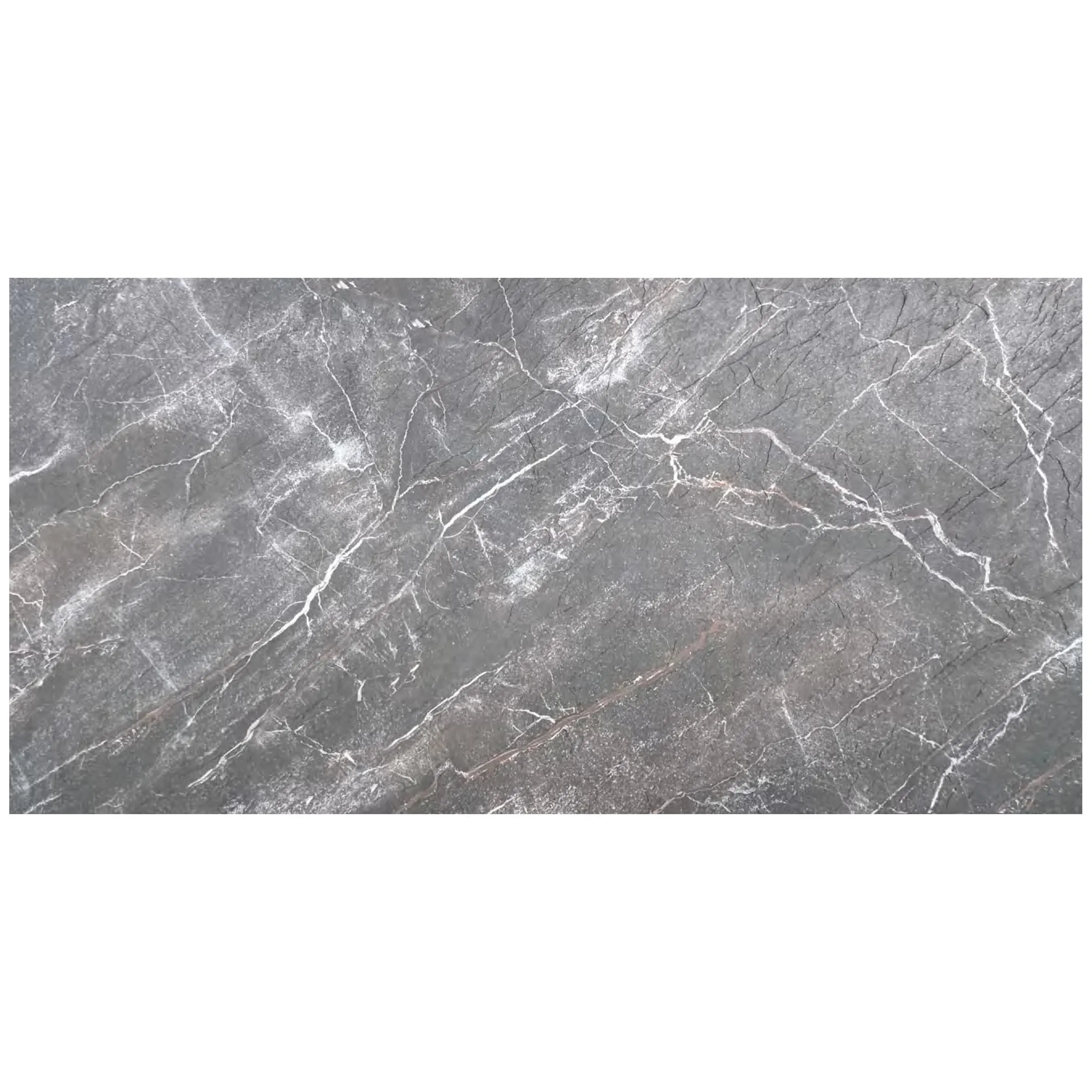
In the world of architecture and design, there's a quiet revolution happening. It's not just about building structures anymore—it's about crafting stories. Every wall, every facade, every surface is a chance to whisper something unique, to turn a space into an experience. But here's the thing: traditional building materials, as beautiful as they are, often come with a catch. Natural stone, for all its grandeur, is heavy, hard to customize, and limited by what the earth decides to offer. Concrete, while versatile, can feel cold, lacking that organic, human touch. So, what do you do when you want a material that bends to your vision, not the other way around? Enter MCM 3D Printing Series—a game-changer that's redefining how we think about architectural surfaces, especially when paired with standout designs like Slate Portoro Vein.
Walk into any trendy café, boutique hotel, or cutting-edge office today, and you'll notice a pattern: they're not just spaces—they're conversations. Designers and architects are no longer satisfied with "one-size-fits-all" materials. They want something that reflects the brand's personality, the homeowner's taste, or the community's history. A restaurant might crave a facade that feels both industrial and warm; a museum might need walls that complement the art without overshadowing it; a home might dream of a backsplash that tells the story of a family's travels. The problem? Traditional materials often box you in. You can choose from a few standard colors, a handful of textures, but true customization—designing a vein pattern that's yours and yours alone —has always been out of reach, or prohibitively expensive.
That's where the frustration sets in. Imagine spending months sketching the perfect wall design, only to be told by a stone supplier, "Sorry, we can't replicate that vein. Natural stone doesn't work like that." Or worse, having to settle for a close-enough texture that loses the essence of your vision. It's like trying to paint a masterpiece with a limited palette—possible, but never quite what you imagined. But what if there was a way to bridge that gap? To take the raw beauty of natural materials and infuse it with the precision of modern technology? That's exactly what MCM 3D Printing Series brings to the table.
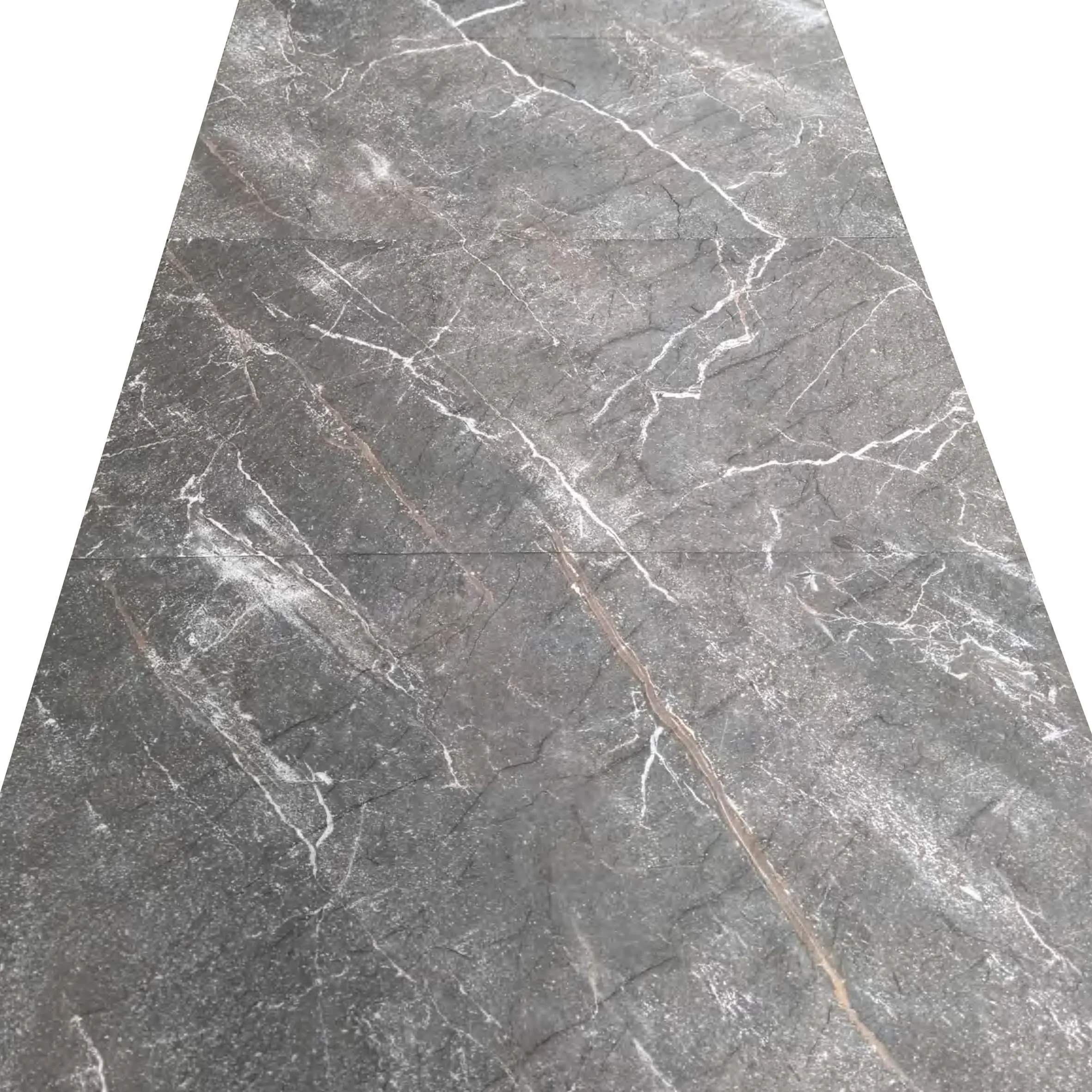
First, let's clarify what MCM is. MCM stands for Modified Composite Material—a blend of minerals, polymers, and fibers that's engineered to be lightweight, durable, and incredibly flexible. Think of it as nature's best qualities (the look and feel of stone, wood, or metal) paired with human ingenuity (strength, adaptability, and yes, 3D printability). The MCM 3D Printing Series takes this a step further by using advanced 3D printing technology to create surfaces that are limited only by your imagination. No more waiting for a quarry to yield the perfect slab. No more compromising on texture or pattern. With 3D printing, you can design a surface that's as unique as a fingerprint—and MCM makes sure it's strong enough to stand the test of time.
But what really makes this series shine is its ability to mimic the organic beauty of natural materials while adding a layer of customization that nature can't match. Take Slate Portoro, for example. If you're not familiar, Slate Portoro is a type of natural slate known for its deep, rich black base swirled with gold or white veins—like a starry night sky captured in stone. It's bold, luxurious, and instantly eye-catching. But in its natural form, those veins are random. You might find a slab with thick, dramatic veins, or one with thin, wispy ones, but you can't control where they go. With MCM 3D Printing, though, you can design those veins. Want a wall where the gold veins spiral upward like a staircase? Done. Prefer a pattern that spells out a word in subtle, swirling lines? Possible. It's not just about replicating nature—it's about collaborating with it.
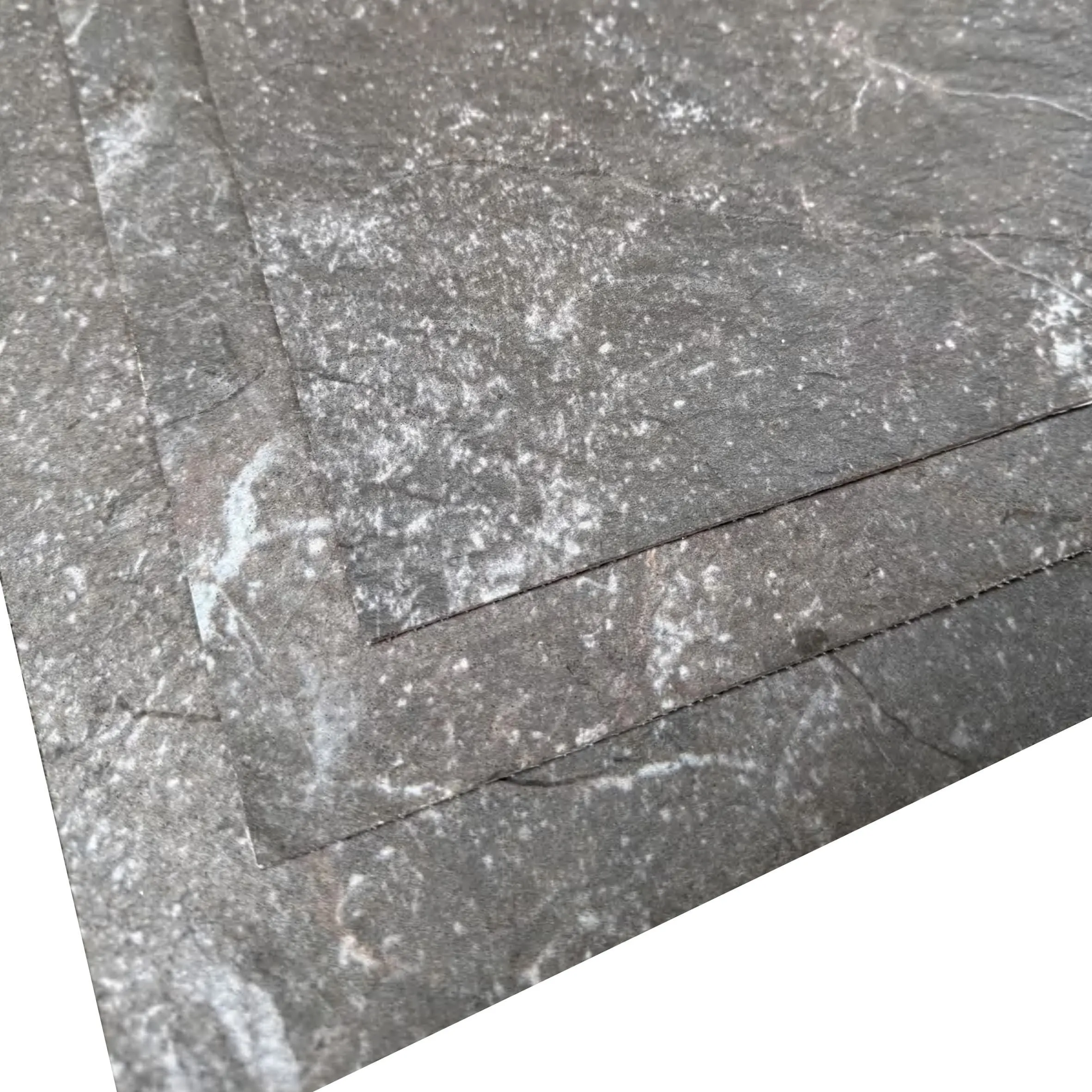
Let's talk about Slate Portoro Vein Designs specifically. What makes them so special? For starters, that contrast—deep black and shimmering gold (or white) is timeless. It's elegant enough for a high-end hotel lobby, edgy enough for a modern art gallery, and warm enough for a residential living room. But when you add 3D printing into the mix, you unlock a whole new level of versatility. MCM 3D Printing allows for depth in those veins. Instead of flat, printed-on patterns, the veins can be slightly raised, adding texture that catches the light and changes throughout the day. Run your hand over the surface, and you'll feel the subtle ridges—like running your fingers over a fossil, a tactile reminder of the care that went into creating it.
And let's not forget about size. Traditional slate slabs are heavy and limited in how large they can be without cracking. MCM Big Slab Board Series, a sibling to the 3D Printing line, solves this by offering extra-large panels (we're talking up to 1200x2400mm) that are lightweight and easy to install. So, if you want a seamless Slate Portoro Vein feature wall that spans an entire room, you don't have to worry about unsightly seams or structural stress. It's one continuous, breathtaking surface—no compromises.
Another perk? MCM Flexible Stone. Unlike natural stone, which is rigid and brittle, MCM is flexible. That means these Slate Portoro panels can be curved, bent, or shaped to fit non-flat surfaces. Imagine a rounded lobby desk wrapped in Slate Portoro veins that flow seamlessly around the curve, or a spiral staircase with risers clad in the same design. Traditional stone would crack under that pressure, but MCM bends without breaking. It's like having the beauty of stone with the adaptability of fabric—who wouldn't want that?
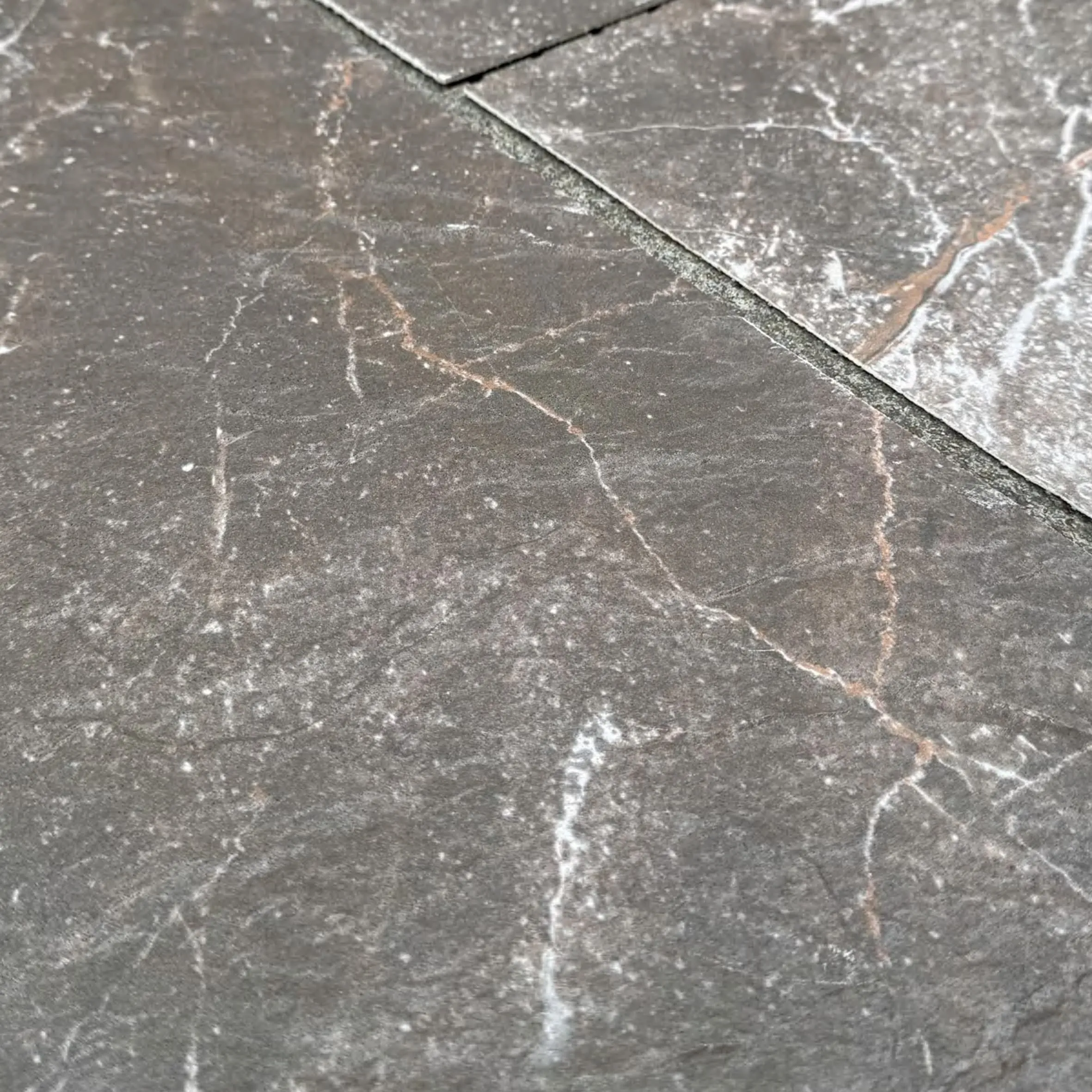
Curious about how these custom Slate Portoro designs are made? Let's break it down. It starts with a design—maybe a sketch, a digital rendering, or even a photo of a natural Slate Portoro slab that you want to tweak. The design team then translates that into a 3D model, mapping out every vein, every texture, every subtle variation. Once the model is finalized, the MCM 3D printer gets to work. Using a specially formulated MCM composite (think of it as "ink" for the printer), the machine layers the material precisely, building up the surface from the bottom up. The result? A panel that's not just printed, but crafted —with veins that pop, textures that feel real, and a finish that's indistinguishable from natural stone (except for the fact that it's exactly what you asked for).
But here's the best part: this process is efficient. Traditional custom stone cutting can take weeks, even months, and often results in a lot of waste. MCM 3D printing, on the other hand, is precise—no excess material, no waiting for shipments from quarries, and a turnaround time that's a fraction of the traditional method. Plus, since MCM is lightweight (about 1/5 the weight of natural stone), installation is a breeze. No need for heavy machinery or reinforced walls—just a team of installers who can handle the panels like they're hanging large, beautiful posters. It's a win-win: faster, easier, and more sustainable than traditional methods.
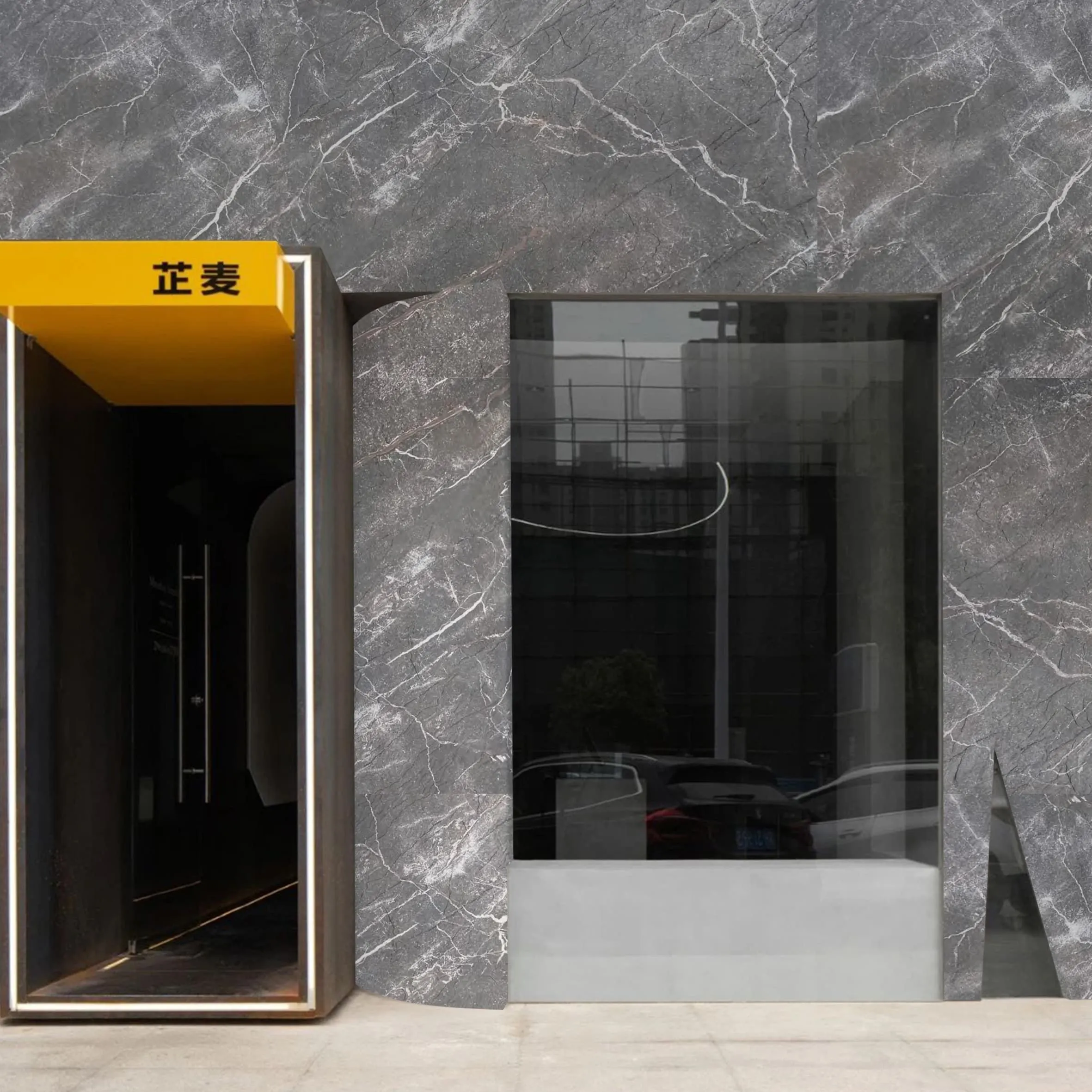
To really understand the value, let's compare MCM 3D Printed Slate Portoro with traditional natural stone cladding. It's one thing to talk about benefits, but seeing them side by side makes it clear why this technology is gaining traction.
| Feature | Traditional Natural Stone Cladding | MCM 3D Printed Slate Portoro |
|---|---|---|
| Customization | Limited to natural vein patterns; no control over design. | Fully customizable vein patterns, textures, and sizes—design exactly what you want. |
| Weight | Heavy (50-100 kg/sqm), requiring structural reinforcement. | Lightweight (8-12 kg/sqm), no need for extra structural support. |
| Installation | Time-consuming; requires heavy machinery and skilled labor. | Quick and easy; panels can be installed with basic tools and minimal labor. |
| Durability | Prone to cracking, staining, and weathering over time. | Resistant to impact, moisture, UV rays, and temperature changes—long-lasting. |
| Sustainability | Quarrying causes environmental disruption; high waste during cutting. | Low environmental impact; minimal waste in 3D printing; recyclable materials. |
| Cost | Expensive (quarrying, transportation, customization fees add up). | More cost-effective (faster production, lower installation costs, less waste). |
As you can see, MCM 3D Printed Slate Portoro isn't just about looking good—it's about making smart, sustainable choices without sacrificing beauty. It's the kind of material that makes architects and designers breathe a sigh of relief, knowing they can finally bring their wildest ideas to life without the usual headaches.
Let's get concrete (pun intended) about where these designs work best. One of the most exciting things about MCM 3D Printed Slate Portoro is its versatility. Here are just a few examples:
Imagine walking into a luxury retail store. The facade is clad in Slate Portoro veins that twist and turn like a river of gold through black stone, drawing you in. Inside, the checkout counter is a curved slab of the same material, the veins continuing seamlessly from the outside in. It's not just a store—it's a destination. Or think of a restaurant with a feature wall behind the bar: Slate Portoro veins that mimic the flow of wine in a glass, adding movement and drama to the space. These aren't just walls; they're marketing tools, creating Instagram-worthy moments that customers can't help but share.
Homes are deeply personal, and MCM 3D Printed Slate Portoro lets homeowners put their stamp on every room. A kitchen backsplash with custom veins that match the pattern of a family heirloom quilt. A fireplace surround where the veins spell out the family name in a subtle, artistic font. Even an outdoor patio wall that echoes the constellations of a special night (a wedding, a child's birth). These details turn a house into a home—one that tells your story.
Public spaces—libraries, museums, community centers—have a responsibility to inspire. What better way than with walls that double as art? A museum featuring modern art might use Slate Portoro veins that interact with the exhibits, creating a cohesive visual narrative. A library could have a facade where the veins form words from famous books, inviting passersby to stop and explore. These materials don't just serve a structural purpose; they engage the community, sparking curiosity and connection.
Slate Portoro Vein Designs are just the beginning. The MCM 3D Printing Series opens the door to a world of possibilities. Think about other materials in the MCM lineup—like Wood Grain Board, which captures the warmth of wood without the maintenance, or Fair-Faced Concrete, which adds an industrial edge with a smooth, tactile finish. Imagine combining these: a wall with Slate Portoro veins at the base, transitioning into Wood Grain Board at the top, creating a seamless blend of luxury and coziness. The flexibility to mix and match, to layer textures and colors, is endless.
And as technology advances, the possibilities will only grow. Maybe one day, we'll see 3D printed MCM panels that change color with the light, or that integrate smart technology (like built-in lighting or sensors) without sacrificing aesthetics. The future isn't just about making materials that look good—it's about making them work with us, adapting to our needs and enhancing our spaces in ways we haven't even dreamed of yet.
At the end of the day, architecture is about people. It's about creating spaces that make us feel something—comfortable, inspired, connected. Traditional materials have their place, but they often feel like they're dictating the rules. MCM 3D Printing Series, and designs like Slate Portoro Vein, flip that script. They say, "Tell us what you want, and we'll make it happen." They let designers be storytellers, homeowners be creators, and communities be part of the process.
So, whether you're an architect working on your next big project, a homeowner wanting to add a personal touch, or just someone who appreciates the beauty of a well-designed space, keep an eye on MCM 3D Printing. It's not just a material—it's a movement. A movement toward spaces that are as unique as the people who inhabit them, where every surface has a story to tell. And in a world that often feels cookie-cutter, that's a pretty powerful thing.
Recommend Products












