
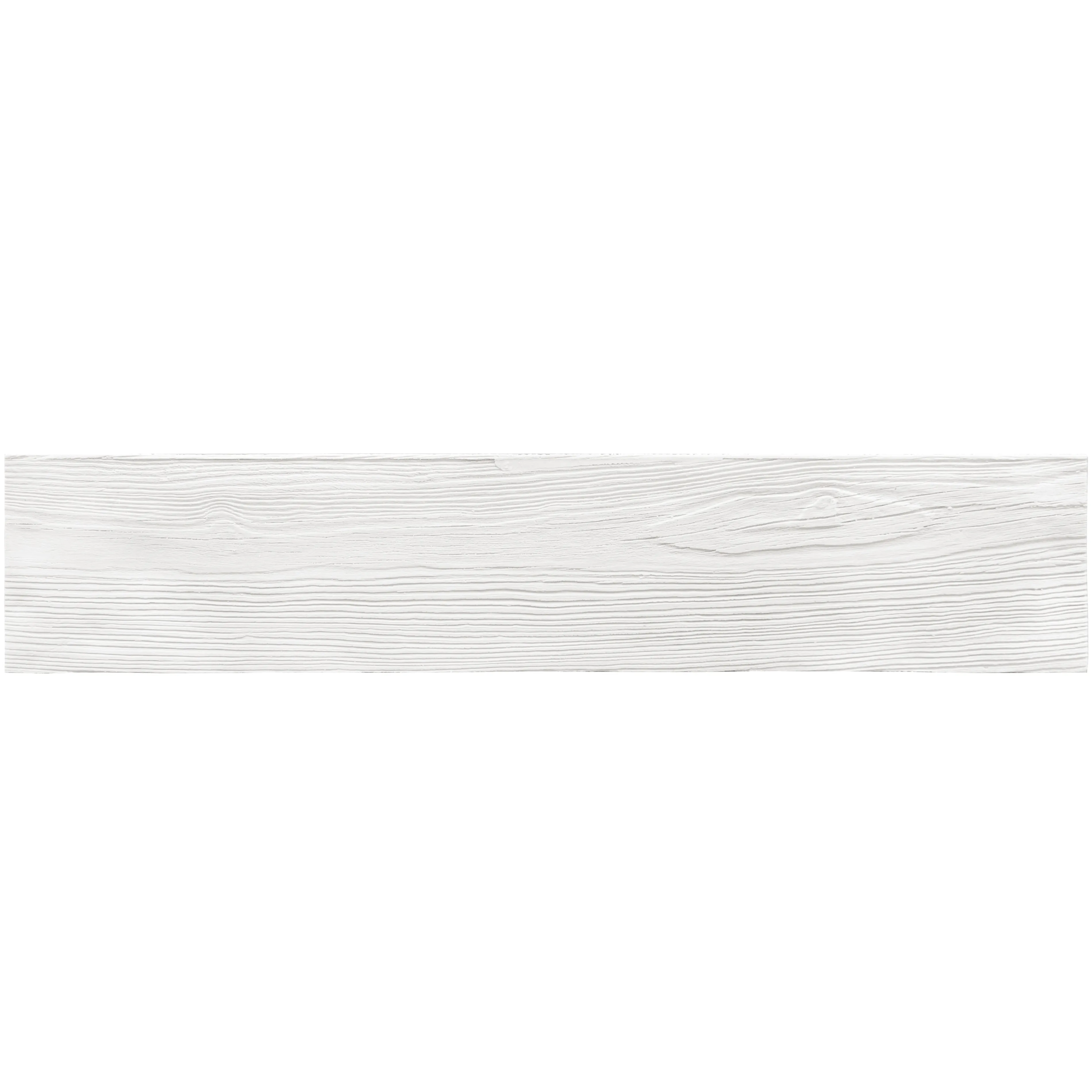
Every designer knows the feeling: standing in front of a blank canvas (or a blueprints page), vision burning bright, but stuck on one critical question— what material will bring this space to life? In a world where cookie-cutter solutions dominate, unique projects demand materials that don't just fill a role, but tell a story. They need textures that evoke emotion, finishes that adapt to a vision, and flexibility that bends to the project's quirks, not the other way around. That's where custom white wood MCM steps in—not just as a material, but as a collaborator in crafting spaces with soul.
Whether you're designing a coastal boutique hotel that craves the warmth of driftwood without the upkeep, a minimalist home that needs a wood-like finish with industrial edge, or a commercial facade that wants to stand out in a concrete jungle, the right material isn't just a choice—it's the backbone of your design's identity. And for those who refuse to compromise on uniqueness, custom white wood MCM has become the quiet hero, blending the organic charm of wood with the durability and adaptability modern projects demand.
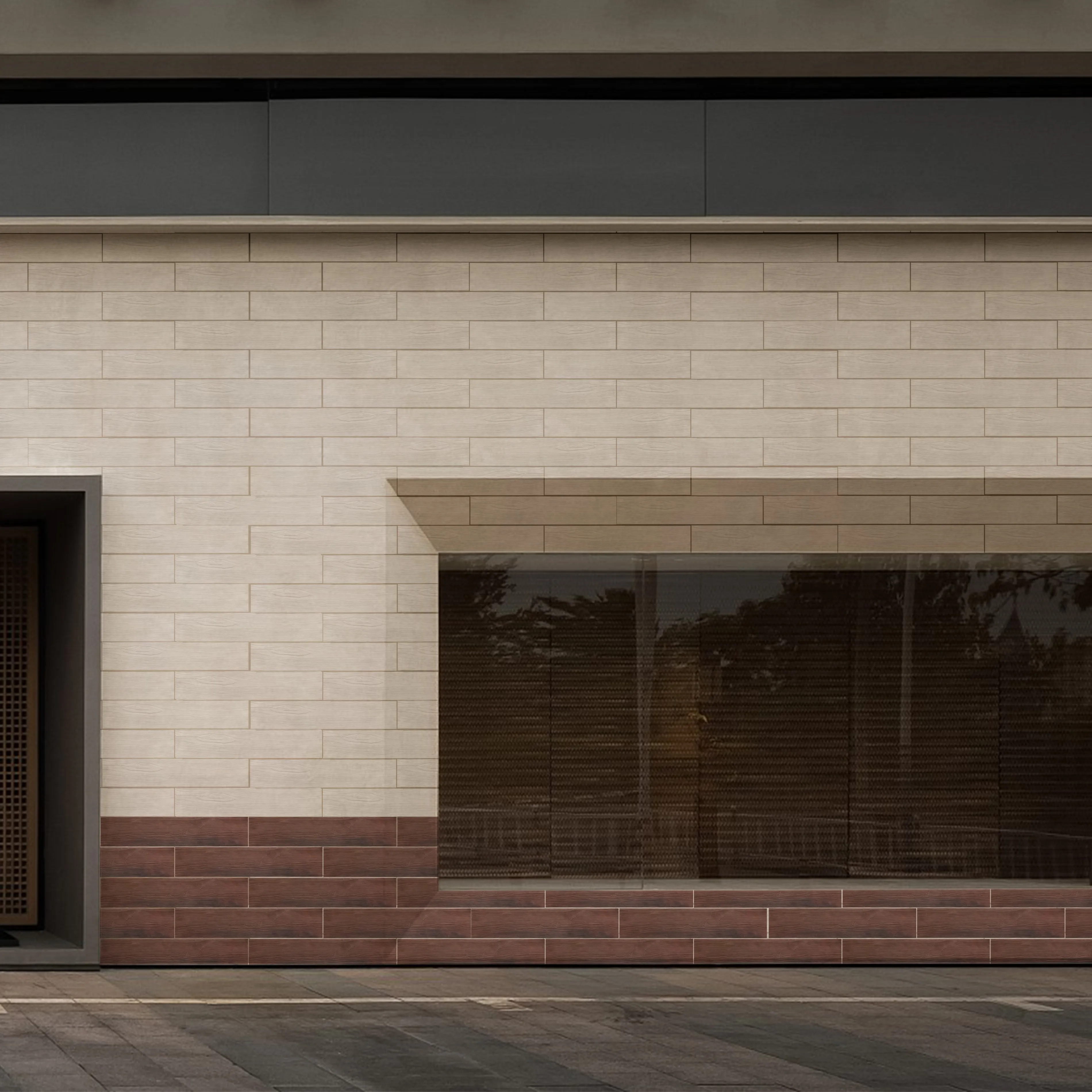
At first glance, you might mistake it for reclaimed pine or weathered ash—those soft, sun-bleached tones, the subtle grain that looks like it's been kissed by time. But white wood MCM is far more than a pretty face. Part of MCM's innovative lineup, it's a engineered material that marries the aesthetic of natural wood with the strength of MCM flexible stone —a core technology that's revolutionized how designers think about building materials. Unlike solid wood, which warps, fades, or succumbs to moisture, white wood MCM is designed to endure. It's lightweight, resistant to the elements, and (here's the kicker) infinitely customizable.
"White wood MCM isn't just a color or a texture," says Elena Marquez, a Los Angeles-based interior designer who specializes in boutique hospitality projects. "It's a mood . I used it in a beachfront café last year, and guests kept asking if the walls were made of actual driftwood. When I told them it was MCM, they couldn't believe it—until I pointed out the lack of splinters, the consistency in every panel, and how it still looks brand-new after a year of salt air and sandy feet."
What truly sets it apart is its chameleon-like ability to adapt. Want planks that mimic the rough-hewn look of a mountain cabin? Done. Prefer a smooth, almost porcelain-like finish for a modern kitchen backsplash? Consider it done. Need panels wider than standard lumber to create a seamless wall? No problem. Customization isn't an afterthought here—it's the point. And that's a game-changer for projects that refuse to fit into a box.
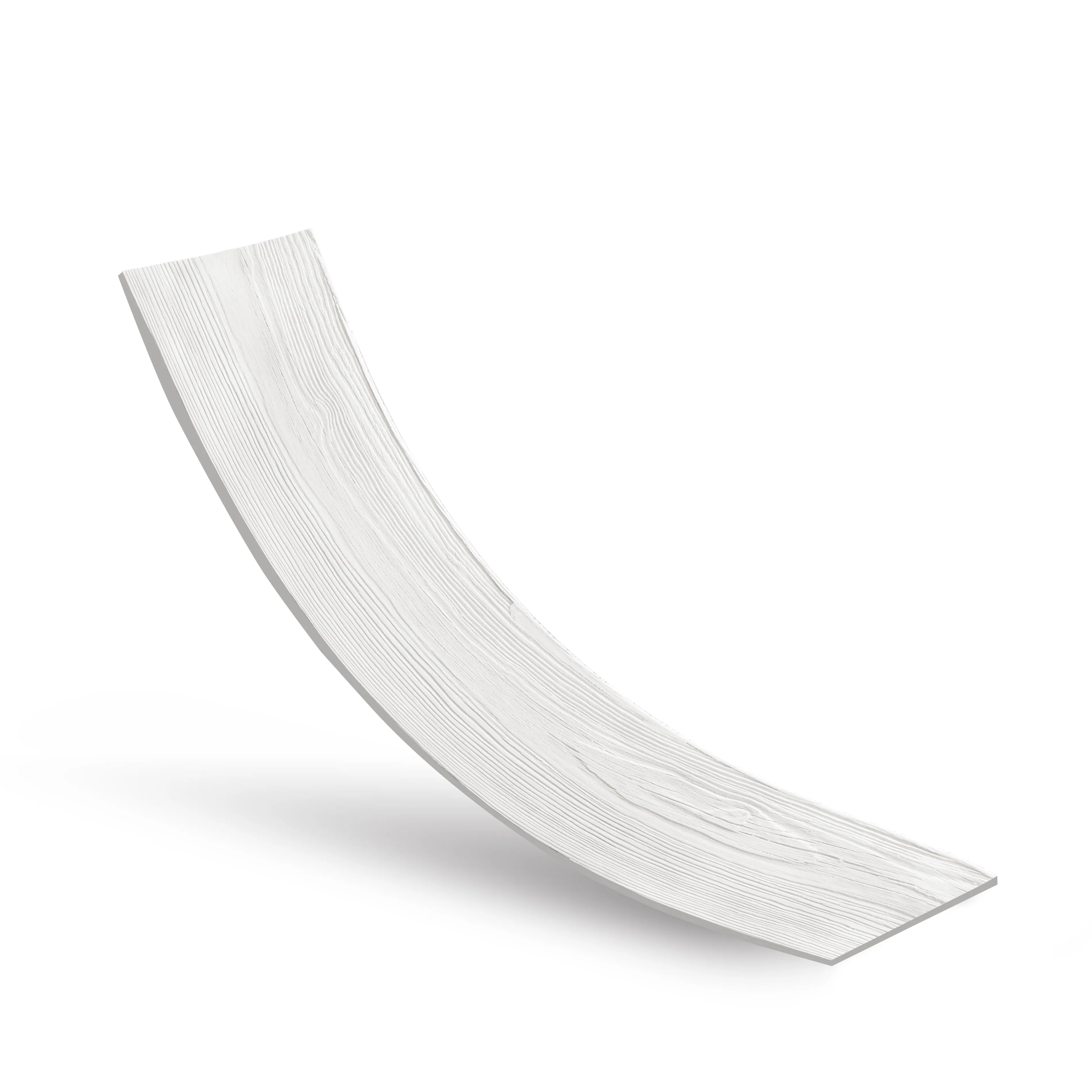
Customization with white wood MCM isn't about slapping a new coat of paint on a standard panel. It's a collaborative process that starts with a conversation: What story does your space need to tell? From there, the possibilities unfold like a well-designed floor plan.
Size & Shape: Traditional wood comes in fixed lengths and widths, forcing designers to work around "standard" sizes. Not with MCM. Need a 10-foot slab for a statement wall? A mosaic of 6-inch squares for a accent piece? Or even curved panels to follow the arc of a rounded ceiling? Custom white wood MCM is cut, shaped, and sized to your project's exact measurements. This flexibility is a lifesaver for projects with non-traditional architecture—think a circular yoga studio or a facade with irregular angles.
Texture & Finish: The "wood" part of white wood MCM is where the magic happens. Want the deep grooves of hand-scraped wood? The smoothness of sanded cedar? Or something entirely unique, like a crosshatch pattern inspired by woven baskets? MCM's manufacturing process uses advanced molding techniques to replicate (and even improve upon) natural textures. And the finish? Matte for a cozy, understated vibe; semi-gloss for a hint of modern luxury; or even a weathered patina that looks like it's been aged by decades of sun and rain—without the actual aging.
Integration with Other Materials: The best designs aren't one-note, and neither is custom white wood MCM. It plays well with others, whether you're pairing it with wood concrete board for an industrial-meets-rustic look, or mixing it with metal accents for contrast. In a recent project, a residential designer combined white wood MCM panels with blackened steel frames to create a bookshelf that felt both warm and edgy—a balance that would've been impossible with solid wood alone.
| Feature | Traditional Solid Wood | Custom White Wood MCM |
|---|---|---|
| Custom Sizing | Limited by lumber standards; prone to waste | Cut to exact project specs (no wasted material) |
| Weather Resistance | Warps/fades with moisture, sun, or humidity | Resistant to water, UV rays, and temperature shifts |
| Sustainability | Often requires harvesting old-growth trees | Made with recycled materials; low environmental impact |
| Design Flexibility | Rigid; hard to curve or shape uniquely | Flexible for curves, angles, and custom textures |
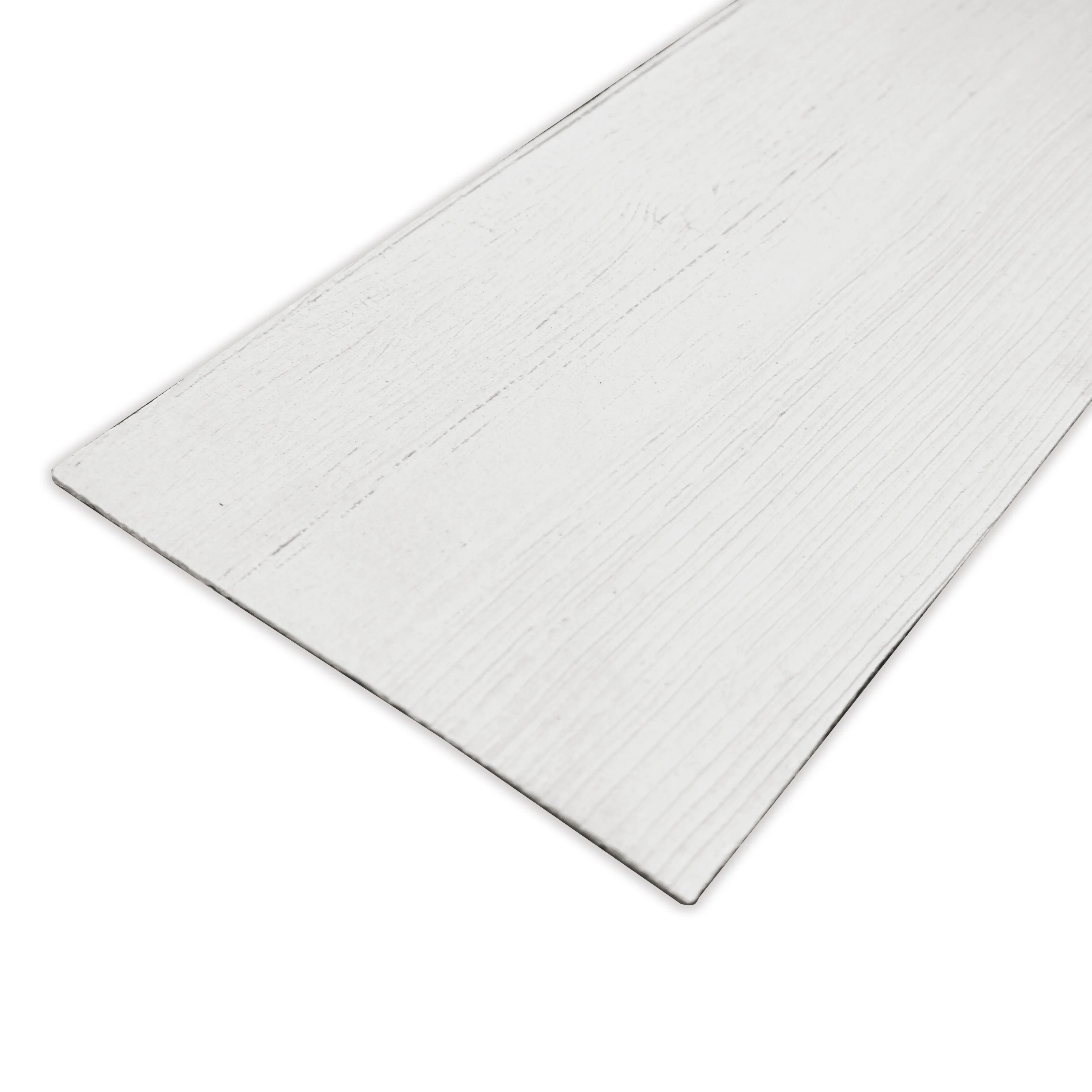
Unique projects come in all shapes and sizes, and custom white wood MCM has proven it can adapt to just about any of them. Let's dive into a few spaces where it's made all the difference—because numbers and specs tell part of the story, but real-world impact tells the rest.
Imagine a boutique hotel on the Oregon coast, perched on a bluff where the wind whips salty air and winter storms lash the shore. The client wanted the exterior to feel like a collection of weathered beach shacks, but with the durability to stand up to the elements. Traditional wood would've rotted within years; vinyl siding looked cheap. Enter custom white wood MCM panels, cut to mimic the irregular lengths of driftwood and finished with a textured, "salt-kissed" surface. Today, the hotel's facade still glows that soft white-gray, even after three winters of storms—and guests swear it feels like staying in a cozy, weathered cabin, not a fortress.
In downtown Chicago, a tiny café wanted to counteract the city's steel-and-glass with something inviting. The designer's vision? A ceiling lined with "cloud-like" wood panels that made customers feel like they were sitting under a canopy of trees. But standard wood panels were too heavy for the old building's structure, and painting them white would have covered up the grain. Custom white wood MCM solved both problems: lightweight enough for the ceiling, with a custom "featherlight" texture (think soft, almost fuzzy grain) and a whitewash finish that let the wood's natural pattern peek through. "It's like bringing the outdoors in, but in a way that feels intentional, not forced," says the café owner, Mia Chen. "People stay longer now—they say the ceiling makes the space feel 'calming.'"
For large-scale projects, architectural big slab solutions are non-negotiable. Take the recent renovation of a 1920s factory in Detroit, converted into luxury lofts. The design team wanted the exterior to honor the building's industrial past while adding a modern twist. They chose custom white wood MCM slabs—12 feet tall, 4 feet wide—installed vertically to create a rhythmic pattern that contrasts with the original brick. The slabs' matte white finish reflects light, making the building glow at dusk, while their durability ensures they'll stand up to Michigan's harsh winters. "It's industrial meets organic," says the project architect. "And because MCM can handle such large sizes without warping, we didn't have to break the design into small, choppy panels. The result is a facade that reads as one cohesive, striking statement."
When the team behind The Haven, a boutique wellness retreat in upstate New York, first approached MCM, they had a list of demands that made most material suppliers shake their heads. The retreat's main hall, a converted barn with exposed beams, needed wall panels that: (1) matched the barn's original whitewashed wood beams (but were fire-rated for commercial use); (2) could be installed around the barn's uneven, hand-hewn posts; (3) wouldn't degrade in the humid, upstate summers; and (4) had a texture soft enough that guests wouldn't get splinters during yoga classes.
"Traditional wood was out—too flammable, too high-maintenance," recalls James Reed, the project's lead designer. "PVC panels felt cheap, and they didn't have the warmth we wanted. Then we saw MCM's white wood line. We worked with their team to create a custom panel: same color as the beams, a slightly textured surface (not too rough, not too smooth), and pre-cut to fit around the barn's wonky posts. They even sent samples so we could test how the light hit them at different times of day."
The result? A main hall that feels both historic and modern, where the walls blend seamlessly with the original beams, and guests run their hands over the panels without a second thought. "It's the little things," Reed says. "A material that doesn't fight the space, but complements it. That's the power of customization."
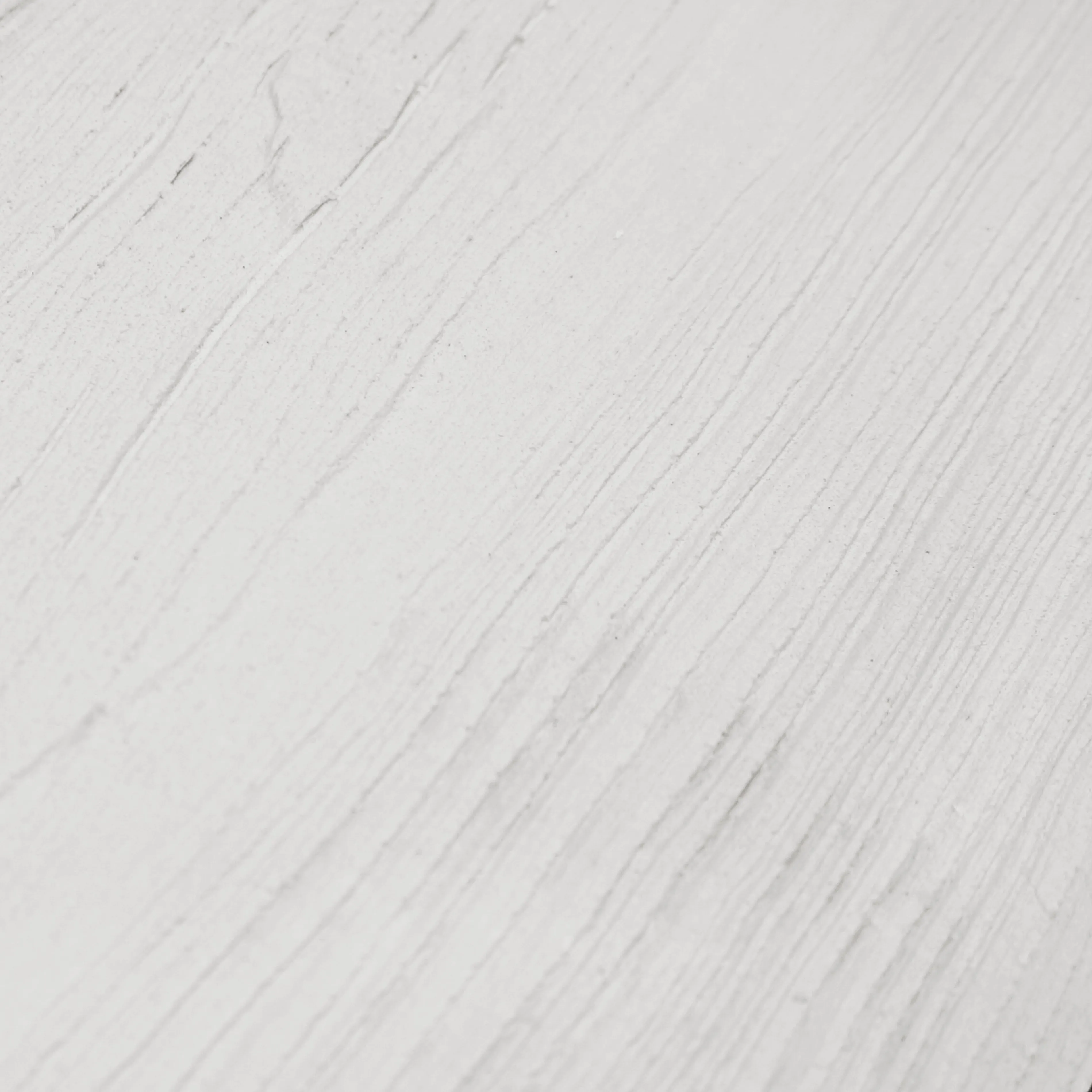
At the heart of white wood MCM's appeal is MCM flexible stone —the technology that turns "custom" from a buzzword into a reality. Unlike traditional stone or wood, which are rigid and unforgiving, MCM flexible stone is made by bonding natural minerals and polymers into a thin, bendable sheet. This means it can be shaped into curves, cut into any size, and textured to mimic just about anything—including the delicate grain of white wood.
But flexibility isn't just about aesthetics. It's about practicality, too. MCM panels are lightweight, which reduces installation time and structural load—critical for older buildings or projects with weight restrictions. They're also resistant to mold, mildew, and UV rays, making them ideal for both interior and exterior use. And because they're made with recycled materials, they align with the sustainability goals that matter to today's clients and communities.
"I used to avoid wood-like materials for exteriors," admits Carlos Mendez, a Miami architect who designs waterfront homes. "Saltwater and humidity are wood's worst enemies. But with MCM flexible stone, I don't have to worry. A client of mine has a white wood MCM facade on their beach house—three years, no fading, no warping. And it still looks like it was just installed. That peace of mind? Priceless."
Customization sounds great in theory, but how does it actually work? For MCM, it's a partnership—one that starts long before production begins.
1. The Conversation: It all starts with you. What's your vision? What are the project's pain points? Do you need panels that look like 100-year-old wood but meet modern fire codes? Or a texture that's so unique, it becomes a signature of the space? The MCM team (designers, engineers, material specialists) listens first, then translates your vision into tangible options.
2. The Samples: No one commits to a material without seeing it up close. MCM creates physical samples—sometimes 2 or 3 iterations—to test texture, color, and finish. "We had a client who wanted a 'white wood with a hint of blue-gray,'" laughs Sarah Liu, MCM's customization lead. "We sent five samples before we got the shade right—each slightly different, based on their feedback. It's tedious, but worth it. They cried when they saw the final sample. That's when you know you've nailed it."
3. The Prototyping: For complex projects (think curved panels or custom sizes), MCM builds prototypes to ensure the design works in real life. A recent project required white wood MCM panels with integrated LED strips—so the team prototyped how the light would filter through the texture, adjusting the panel's thickness until the glow was just right.
4. The Production: Once the design is locked in, MCM's manufacturing process takes over. Using advanced molding and cutting technology, each panel is made to order—no waste, no excess. And because MCM's facilities are designed for flexibility, even small-batch projects (like a single accent wall) get the same attention to detail as large-scale facades.
5. The Installation: MCM doesn't just hand over the panels and walk away. Their team works with installers to ensure the material goes up smoothly, even in tricky spaces. "We once had to install custom white wood MCM on a sloped roof in Aspen," Liu recalls. "Our team was on-site, adjusting panels on the fly to fit the roof's angles. That's the level of commitment customization requires."
In a world where Instagram and Pinterest have made "unique" feel attainable (but often just as repetitive as mass-produced), the demand for truly one-of-a-kind spaces is growing. Clients don't just want "nice"—they want memorable . They want spaces that reflect their brand, their personality, their story. And materials are the first chapter of that story.
Custom white wood MCM isn't just a trend—it's a response to that demand. It's a reminder that building materials don't have to be passive. They can be active participants in a design's narrative, adapting, evolving, and elevating the spaces they inhabit. For designers willing to think beyond the catalog, it's a tool that unlocks possibilities: a hotel lobby that feels like a forest at dawn, a home office that inspires creativity, a storefront that makes passersby stop and say, "Wow—what is that?"
"At the end of the day, design is about connection," says Elena Marquez, the hospitality designer. "A space that uses custom materials doesn't just look good—it feels intentional. And when people feel that intention, they remember it. They come back. They tell their friends. That's the magic of materials that are as unique as the projects they're in."
So, to the designers, architects, and dreamers out there: the next time you're stuck asking, "What material will bring this space to life?"—consider the one that's willing to listen. Custom white wood MCM isn't just a solution. It's an invitation to build something that doesn't just exist in the world—but matters in it.
Recommend Products












