
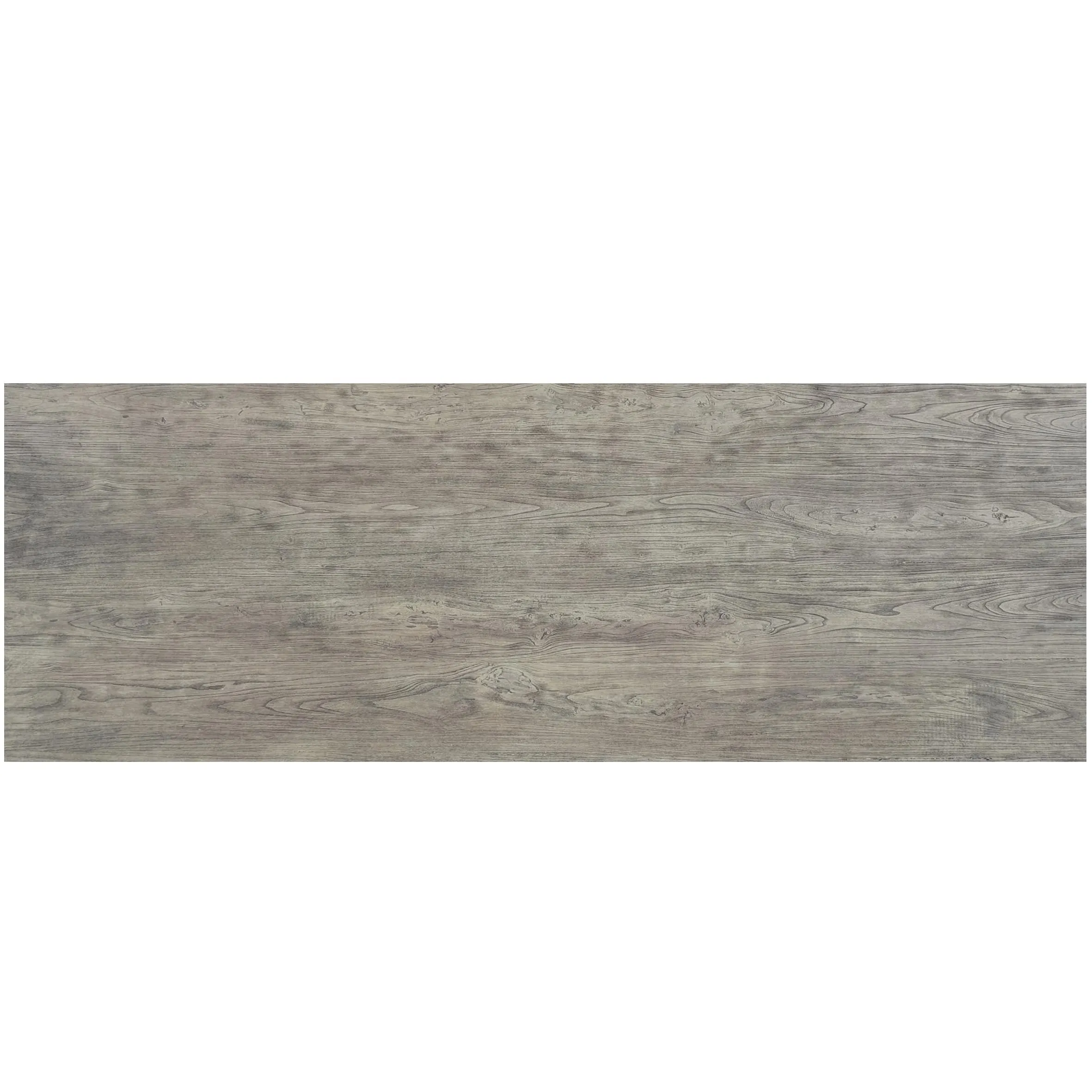
Step into a cultural center, and you'll immediately sense it—the air hums with stories. Not just the ones in the exhibits, but the quiet narratives woven into the walls, the floors, the very textures that greet your fingertips. These spaces are more than buildings; they're bridges between eras, where the past whispers and the future leans in to listen. The materials chosen to craft them carry the weight of this mission. They must honor heritage without feeling stuck in time, embrace innovation without losing warmth, and above all, make visitors feel connected —to history, to community, to something larger than themselves. Enter custom wood grain board: a material that doesn't just fill a space, but breathes life into it, merging the timeless charm of wood with the durability and versatility of modern engineering. When paired with heritage-rich elements like historical pathfinders stone and cutting-edge options like mcm flexible stone or fair-faced concrete, it becomes the thread that stitches tradition and modernity into a seamless, soulful whole.
Cultural centers are in the business of emotion. They don't just display artifacts—they create environments where memories are made, where curiosity is sparked, where people pause and think, "I've felt this before." Materials are their primary vocabulary. A rough-hewn stone wall might evoke ancient marketplaces; a sleek, polished surface could mirror the clean lines of contemporary art. The trick is to balance these voices so they harmonize, not clash. Take historical pathfinders stone, for example. With its uneven edges and earthy tones, it's like a fragment of a forgotten trail, inviting visitors to "walk" through time as they enter. It speaks of resilience, of paths trodden by generations, of stories etched into every groove. But alone, it might feel heavy, even somber. That's where modern materials step in—not to overwrite the past, but to lift it into the present.
Imagine a cultural center dedicated to folk music. The entrance is lined with historical pathfinders stone, its texture rough like the hands of artisans who once carved instruments from wood. But as you move deeper, the stone gives way to walls clad in custom wood grain board—warm, honey-toned, with grains that mimic the rings of an old oak. Suddenly, the space feels alive, like a forest clearing where music was first played under the stars. The wood doesn't compete with the stone; it complements it, turning a "relic" into a living, breathing story. That's the magic of thoughtful material pairing: it turns spaces into journeys.
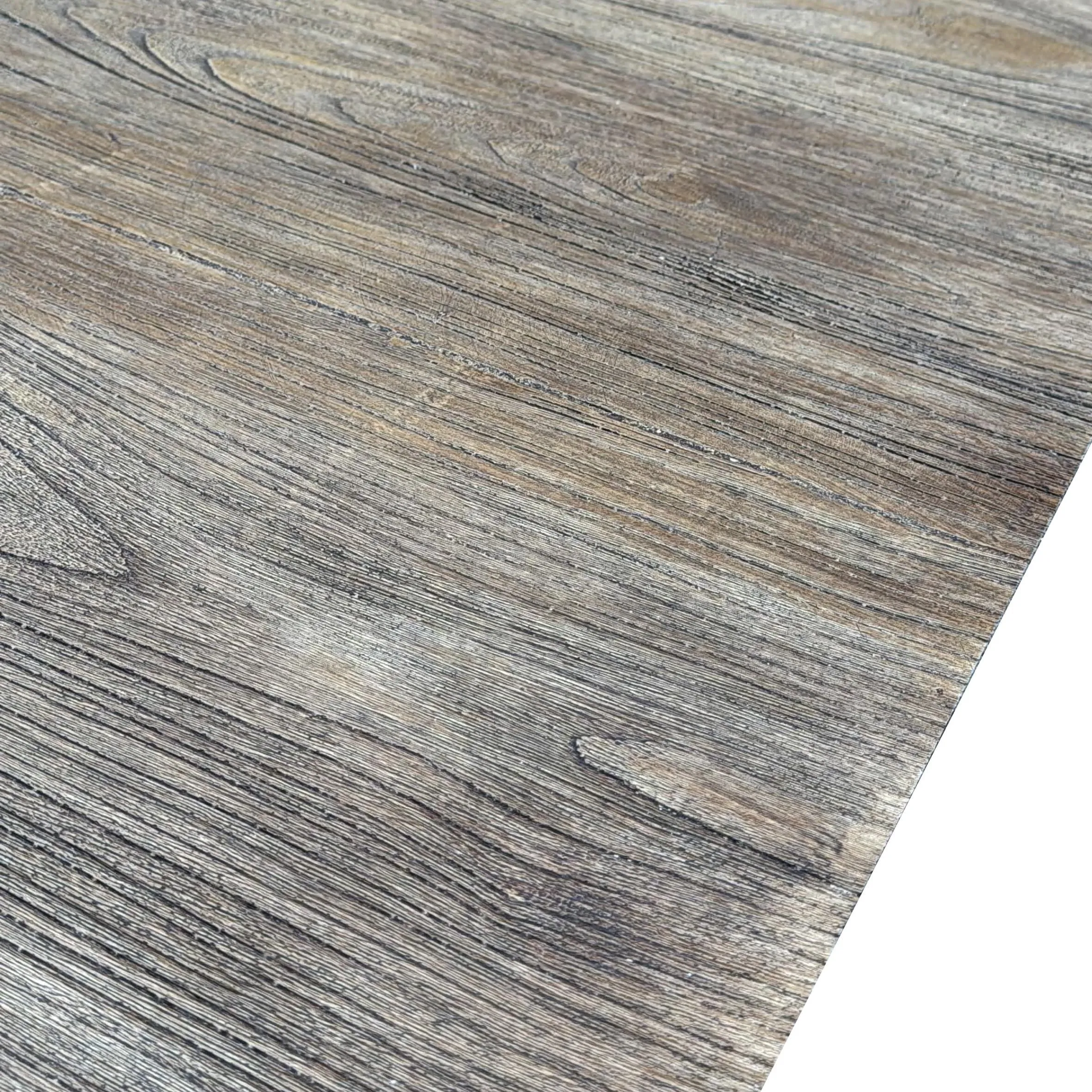
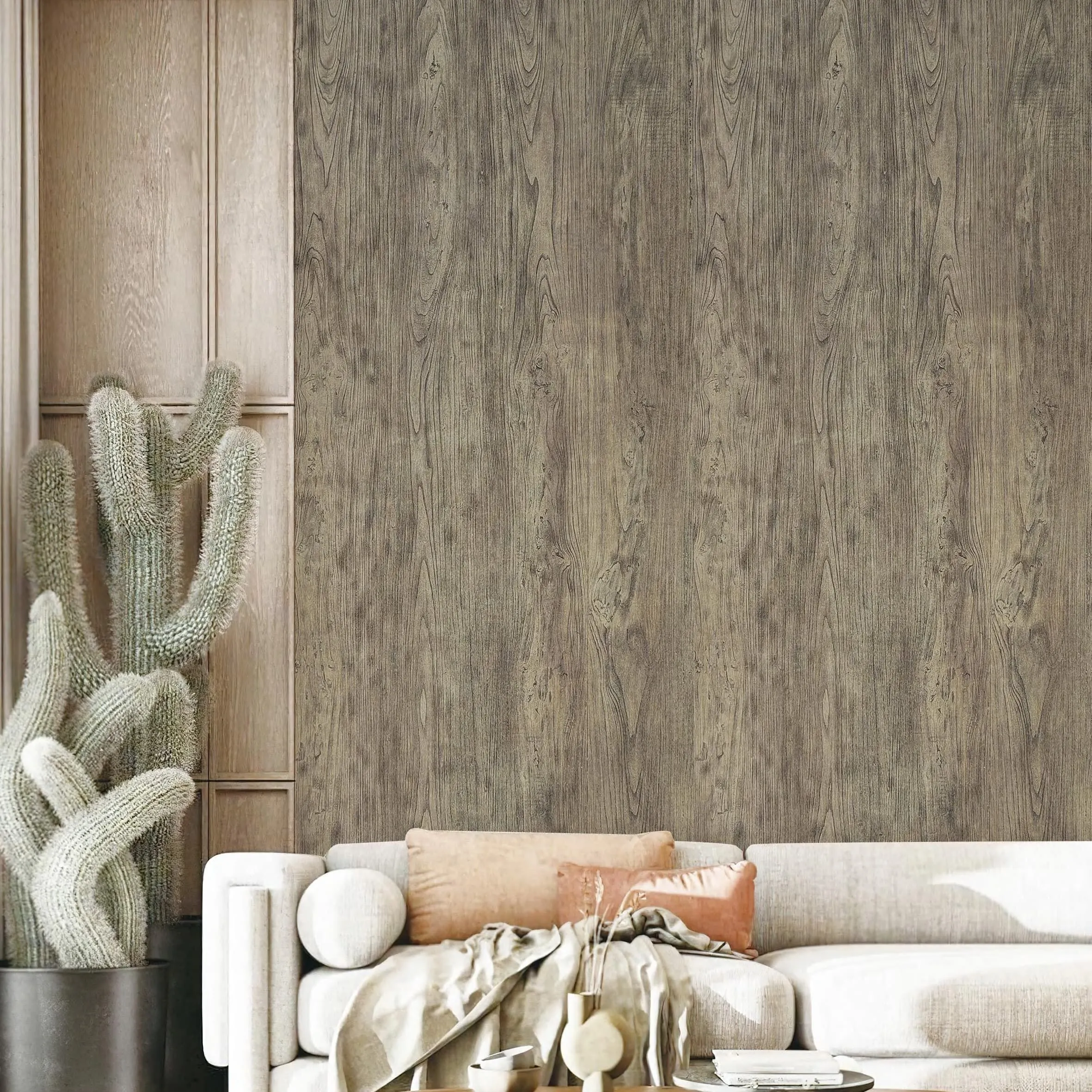
Wood has always been a storyteller. It carries the scent of forests, the memory of campfires, the comfort of a childhood home. But traditional wood, for all its charm, comes with trade-offs: it warps, fades, and demands constant upkeep—challenges in high-traffic cultural spaces where durability is non-negotiable. Custom wood grain board reimagines this classic material for the modern world. Crafted from a blend of recycled wood fibers and high-performance polymers, it captures every nuance of natural wood—from the swirl of a maple grain to the knotty character of pine—without the vulnerabilities. It's lightweight yet strong, resistant to moisture and scratches, and infinitely customizable: Want a deep walnut tone for a library wing? A pale ash finish for a sunlit atrium? It can do that. And because it's engineered, it avoids the environmental cost of harvesting rare hardwoods, making it a choice that aligns with the sustainability goals many cultural centers now prioritize.
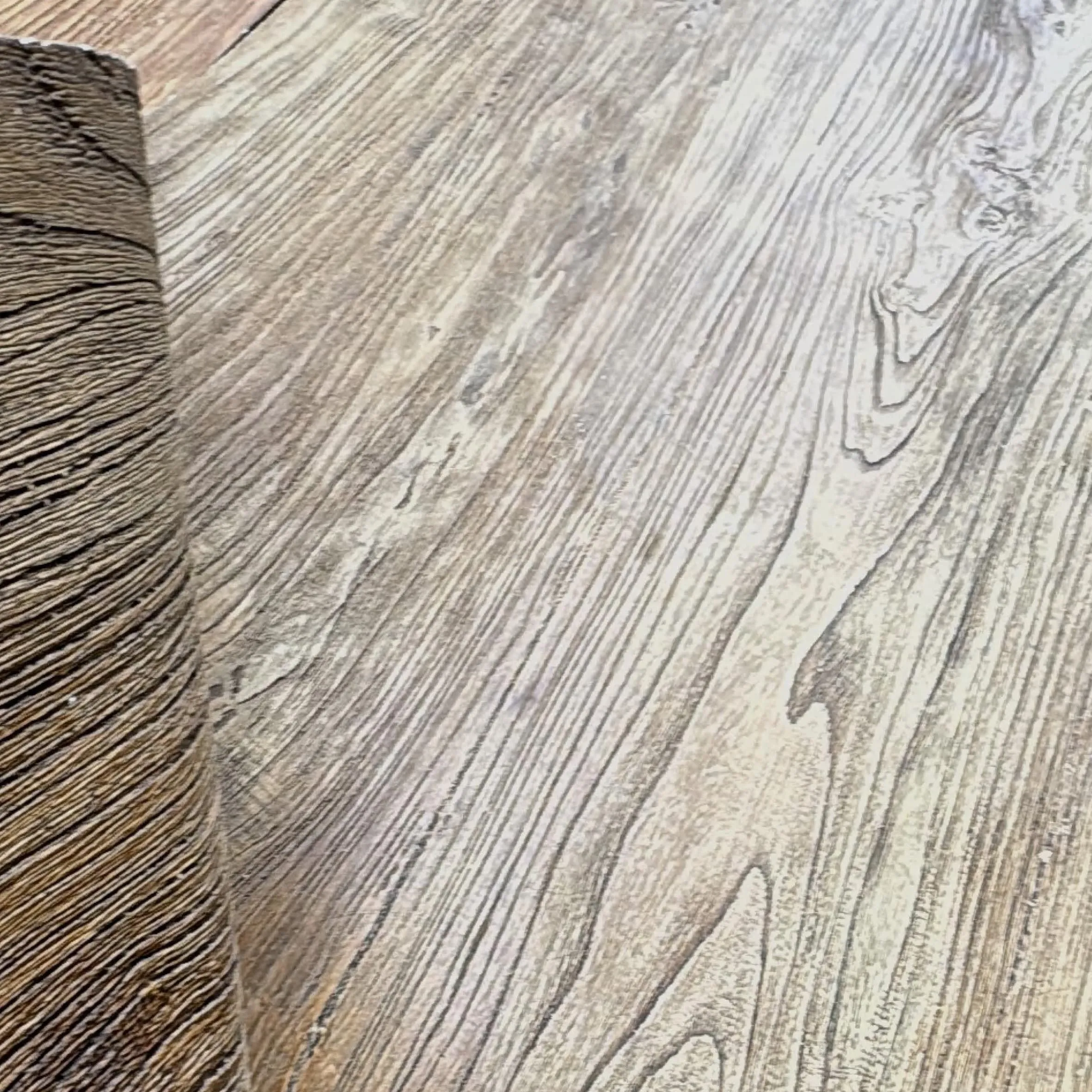
What truly sets custom wood grain board apart, though, is its ability to evoke emotion . Unlike cold metals or stark concrete, it radiates warmth. Run your hand over it, and you'll feel the faint ridges of the grain, a tactile reminder of nature's artistry. In a cultural center, this matters. Think of a children's interactive zone: instead of sterile plastic walls, custom wood grain board creates a cozy, cabin-like atmosphere, making kids feel safe enough to explore. Or a gallery showcasing ancient manuscripts: the wood's soft texture contrasts with the crisp paper, creating a sense of reverence without austerity. It's a material that doesn't shout—it welcomes .
No single material can carry the complexity of a cultural center's mission. To truly bridge tradition and modernity, custom wood grain board needs partners—materials that bring different strengths to the table, creating a rich, layered experience. Let's meet the ensemble:
| Material | Aesthetic Traits | Cultural Significance | Practical Advantages |
|---|---|---|---|
| Custom Wood Grain Board | Warm, organic grains; soft matte or subtle sheen finishes; available in natural wood tones (oak, walnut, ash) and custom hues. | Evokes craftsmanship, nature, and home; connects to traditions of woodworking and forest cultures. | Lightweight, scratch/moisture-resistant, easy to install; made with recycled materials for sustainability. |
| Historical Pathfinders Stone | Rough, weathered texture; earthy color palette (terracotta, sand, muted brown); irregular edges mimicking ancient stone paths. | Nods to heritage trails, ancient settlements, and the "pathfinders" who shaped local history. | Durable, slip-resistant, and ages gracefully, developing richer patina over time. |
| MCM Flexible Stone | Sleek, moldable surface; can mimic natural stone (marble, slate) or take geometric/abstract forms; lightweight and thin. | Represents innovation and adaptability; allows for dynamic, sculptural designs that reflect modern artistry. | Waterproof, fire-retardant, and easy to install on curved or uneven surfaces; low maintenance. |
| Fair-Faced Concrete | Raw, industrial look; subtle variations in color (off-white, light gray); exposed aggregate for texture. | Symbolizes resilience and progress; echoes the "honest" aesthetic of mid-century modern design. | Highly durable, heat-resistant, and cost-effective; can be cast in custom shapes for unique installations. |
Together, these materials create a dialogue. Picture a cultural center's grand hall: the floor is laid with historical pathfinders stone, its uneven surface inviting visitors to slow down, to "walk in the footsteps" of those who came before. The walls rise in panels of custom wood grain board, their warm tones softening the space, while a sweeping feature wall of mcm flexible stone curves overhead, its marble-like finish catching the light and adding a touch of modern elegance. Nearby, a café counter is crafted from fair-faced concrete, its raw texture balancing the wood's warmth with industrial edge. It's not chaos—it's a conversation. The stone grounds the space in history, the wood adds heart, the mcm flexible stone brings innovation, and the concrete ties it all to the present. Visitors don't just see the materials; they experience the story they tell.
In Kyoto, Japan—a city where ancient temples stand steps from futuristic skyscrapers—the Heritage & Innovation Center was designed to embody this duality. The architects faced a challenge: How to honor Kyoto's 1,200-year history of craftsmanship while showcasing cutting-edge technology and art? Their solution centered on material harmony, with custom wood grain board as the linchpin.
The center's entrance is a dramatic contrast: a pathway of historical pathfinders stone, sourced from local quarries that supplied materials for Heian-period shrines, leads visitors to a soaring atrium. Here, walls of mcm flexible stone are shaped into undulating waves, mimicking the flow of the Kamo River that has sustained Kyoto for millennia. But it's the custom wood grain board that ties the space together: it lines the mezzanine railings, wraps around the information desk, and covers the ceiling in a grid of pale ash panels, softening the stone's roughness and the concrete's sleekness. In the "Craftsman's Gallery," where traditional woodworking tools are displayed, the board is finished in a deep walnut stain, mirroring the aged wood of the artifacts themselves. "We wanted visitors to feel that Kyoto's past isn't something to be admired from afar," says lead architect Yuki Tanaka. "It's alive, and it's evolving. The wood grain board helps that—warm, familiar, but clearly part of a modern space."
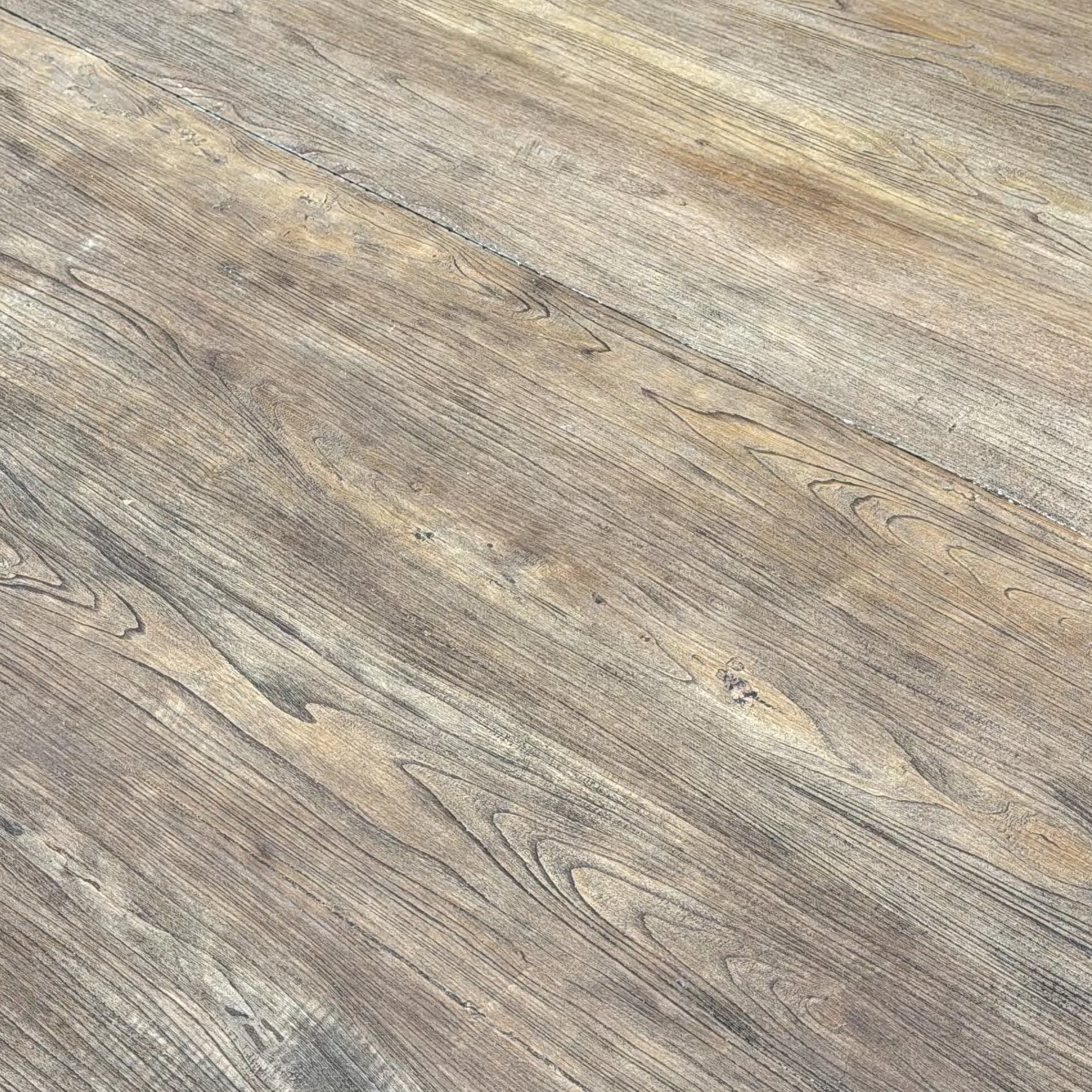
Cultural centers are stewards of legacy, and that legacy includes the planet. Today's designers and curators don't just ask, "Does this material tell our story?" They ask, "What story does this material leave behind ?" Custom wood grain board shines here. By using recycled wood fibers and low-VOC (volatile organic compound) adhesives, it reduces reliance on virgin resources and minimizes off-gassing, creating healthier indoor air quality—a boon for spaces that host thousands of visitors yearly. MCM flexible stone, too, is eco-conscious: its lightweight composition reduces transportation emissions, and its durability means less frequent replacement. Even historical pathfinders stone, when sourced from local, responsibly managed quarries, supports sustainable mining practices. Together, these materials ensure that the cultural center's mission of preserving heritage isn't undermined by harming the environment.
Fair-faced concrete, often criticized for its high carbon footprint, finds redemption here as well. When paired with custom wood grain board, its use can be minimized to strategic accents—like a feature wall or a sculptural bench—reducing overall environmental impact while still adding that modern edge. The result? A space that doesn't just talk about sustainability; it lives it, showing visitors that honoring the past and protecting the future aren't opposing goals.
Cultural centers are more than repositories of artifacts. They're living, breathing testaments to who we are and where we've been—and they need materials that can keep up with that role. Custom wood grain board, with its blend of tradition and innovation, does just that. It's not just a surface; it's a storyteller. When paired with historical pathfinders stone, it honors the past. When combined with mcm flexible stone or fair-faced concrete, it embraces the present. And because it's sustainable, it ensures there will be a future to tell stories to.
So the next time you step into a cultural center, take a moment to feel the walls. Run your hand along the wood grain, trace the edges of the stone, notice how the light plays off the concrete. You'll be surprised by what you hear—the quiet, beautiful conversation between then and now. And somewhere in that conversation, you'll find custom wood grain board, whispering, "We're all part of this story."
Recommend Products












