
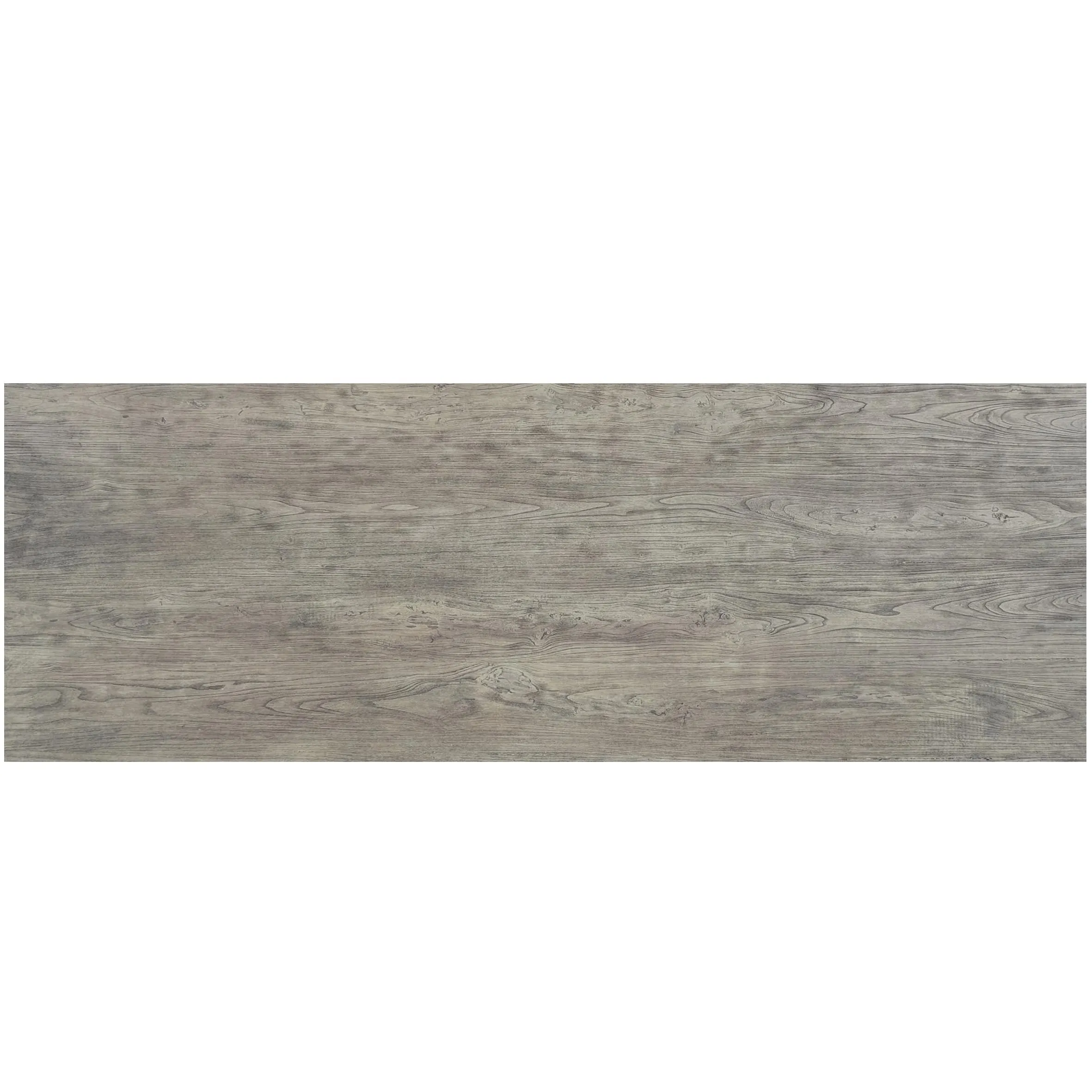
Religious buildings have always been more than just structures—they are vessels of faith, storytellers of tradition, and sanctuaries where the divine meets the human. Every detail, from the arch of a doorway to the texture of a wall, carries meaning. It's in these details that materials become silent ministers, shaping the atmosphere of reverence, warmth, and transcendence that defines sacred spaces. Among the materials that have risen to this noble task, custom wood grain board stands out—not just for its beauty, but for its ability to honor tradition while embracing modern practicality. When paired with complementary elements like fair-faced concrete, travertine (beige), and masonry stone, it creates spaces that feel both timeless and deeply rooted in the present.
Walk into any place of worship, and you'll immediately sense it—the air feels different. It's quieter, heavier with intention, and alive with a subtle energy that invites reflection. That energy isn't accidental; it's crafted, in part, by the materials chosen to clothe the space. Religious architecture has long relied on natural materials—stone, wood, clay—to ground the spiritual in the tangible. Wood, in particular, has been a staple, cherished for its warmth, organic texture, and the way it seems to "breathe" life into walls. But traditional wood, while beautiful, comes with challenges: it's prone to warping, fading, and decay, especially in high-traffic areas or humid climates. This is where custom wood grain board steps in—a modern solution that honors the soul of wood while offering the resilience sacred spaces demand.
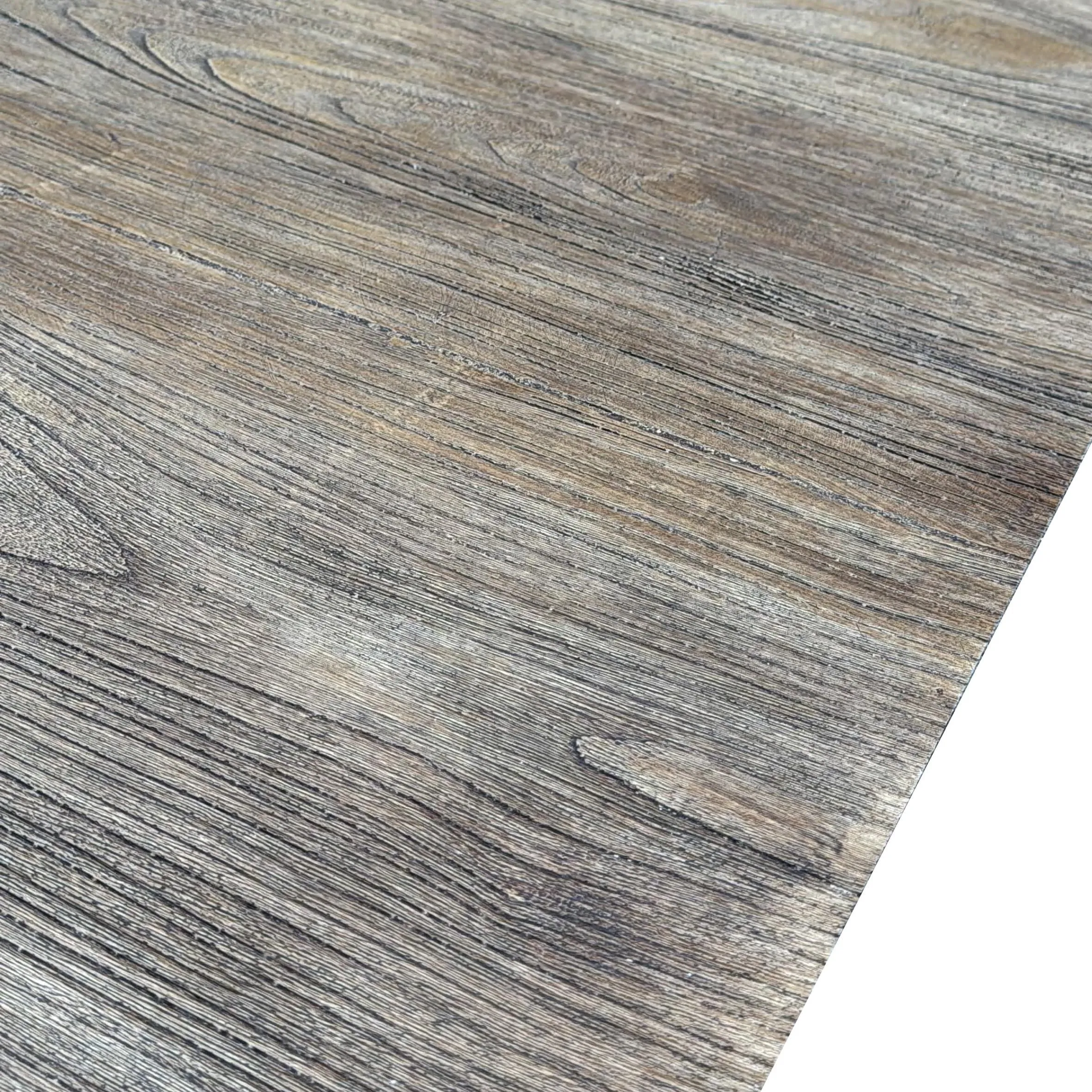
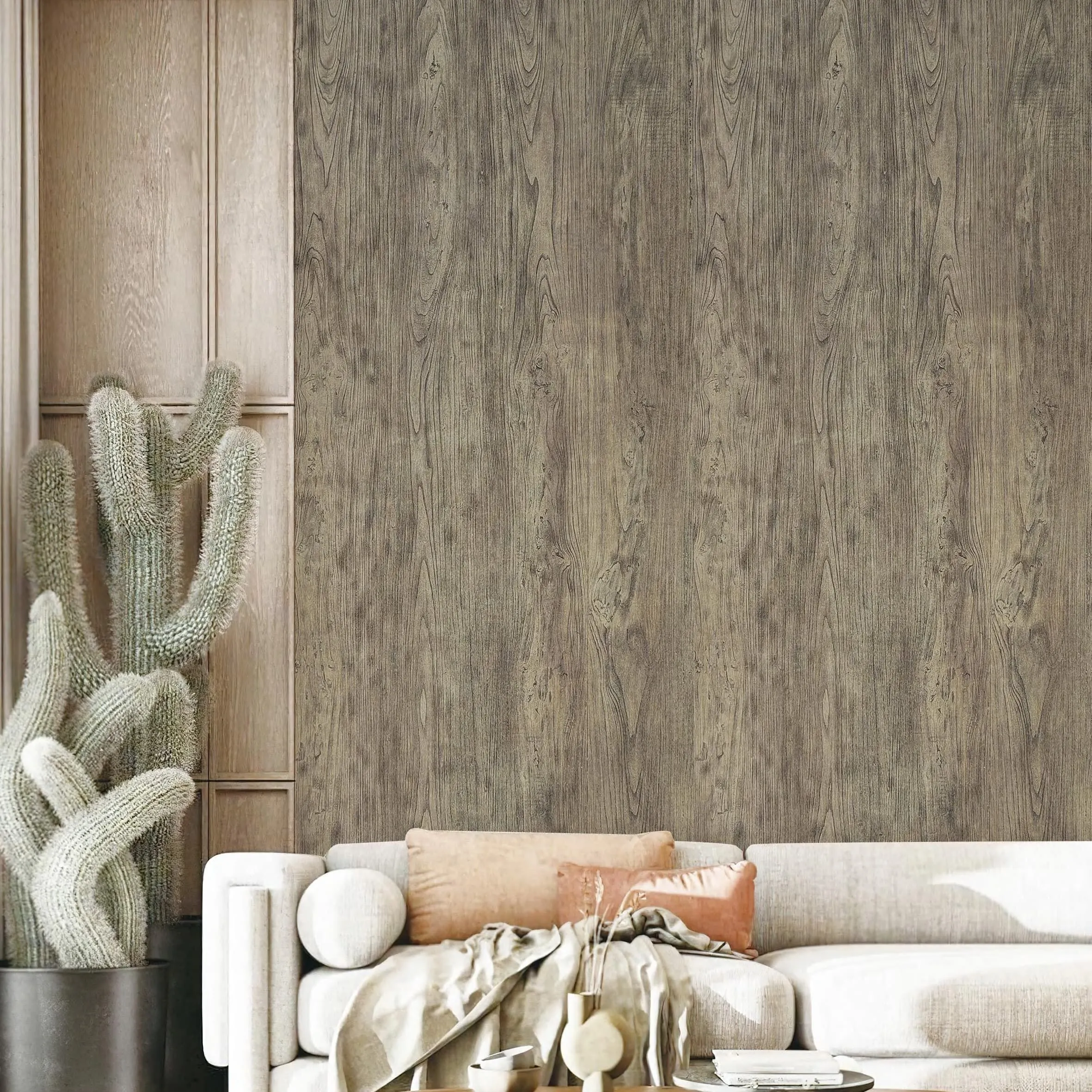
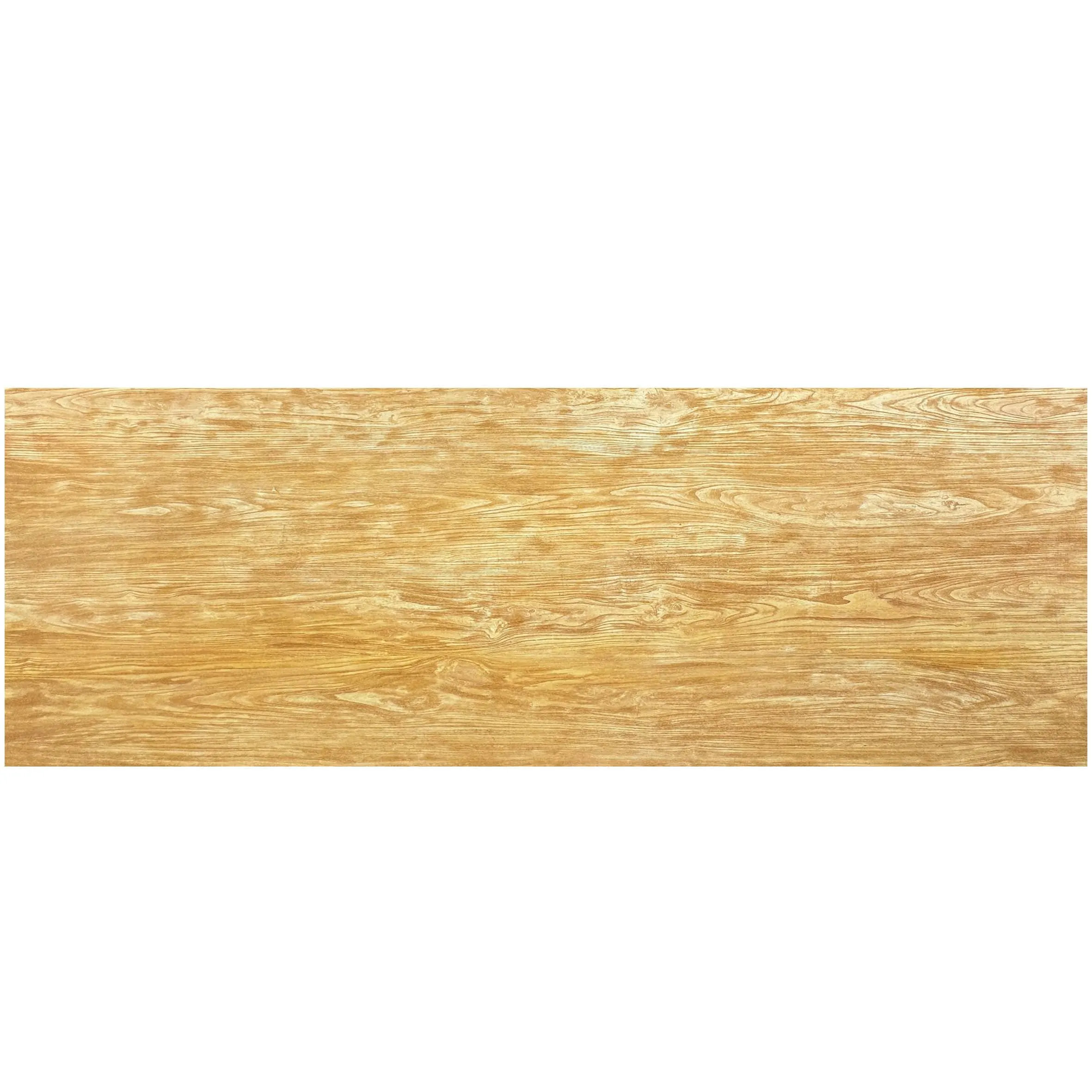
Imagine running your hand along a wall in a centuries-old temple—the rough-hewn wood, polished smooth by time and touch, tells a story of devotion. Custom wood grain board captures that same tactile narrative, but with a strength that ensures it will tell stories for generations to come. Crafted from modified composite materials, it mimics the intricate grains, knots, and warmth of natural wood, but resists moisture, pests, and wear. This isn't just a "fake" wood; it's a thoughtful reinterpretation, designed to preserve the aesthetic and emotional impact of wood without its vulnerabilities.
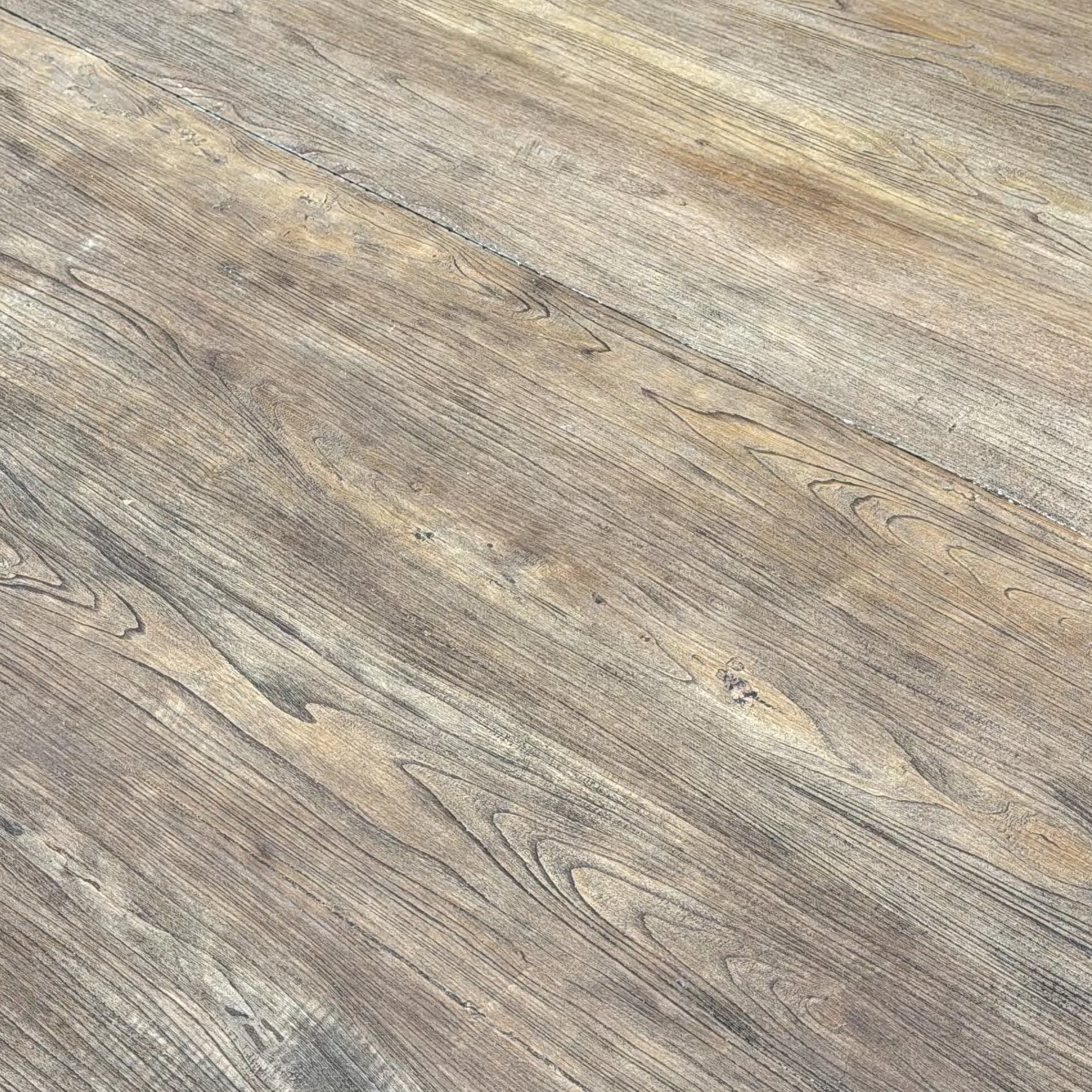
What truly sets custom wood grain board apart, though, is its customization. Religious spaces are as unique as the faiths they serve—each has its own symbols, color palettes, and cultural heritage. Wood grain board can be tailored to reflect these nuances: a soft oak finish for a Christian chapel evoking the warmth of community, a deeper walnut tone for a Buddhist temple nodding to ancient wisdom, or even a lighter ash texture for a modern mosque seeking to balance tradition with contemporary design. The grains can be subtle or pronounced, the colors muted or rich, allowing architects and designers to weave the material into the very identity of the space.
Beyond aesthetics, durability is non-negotiable. Religious buildings are often open to the public, with thousands of visitors passing through their doors each year. Wood grain board stands up to this traffic, maintaining its beauty even with daily use. It's also low-maintenance—no need for frequent staining or sealing—freeing up resources to be invested in other aspects of the sacred space, like community programs or art installations. In a world where sustainability matters more than ever, it's worth noting that many wood grain boards are made from recycled materials, aligning with the values of stewardship and respect for creation that lie at the heart of so many faiths.
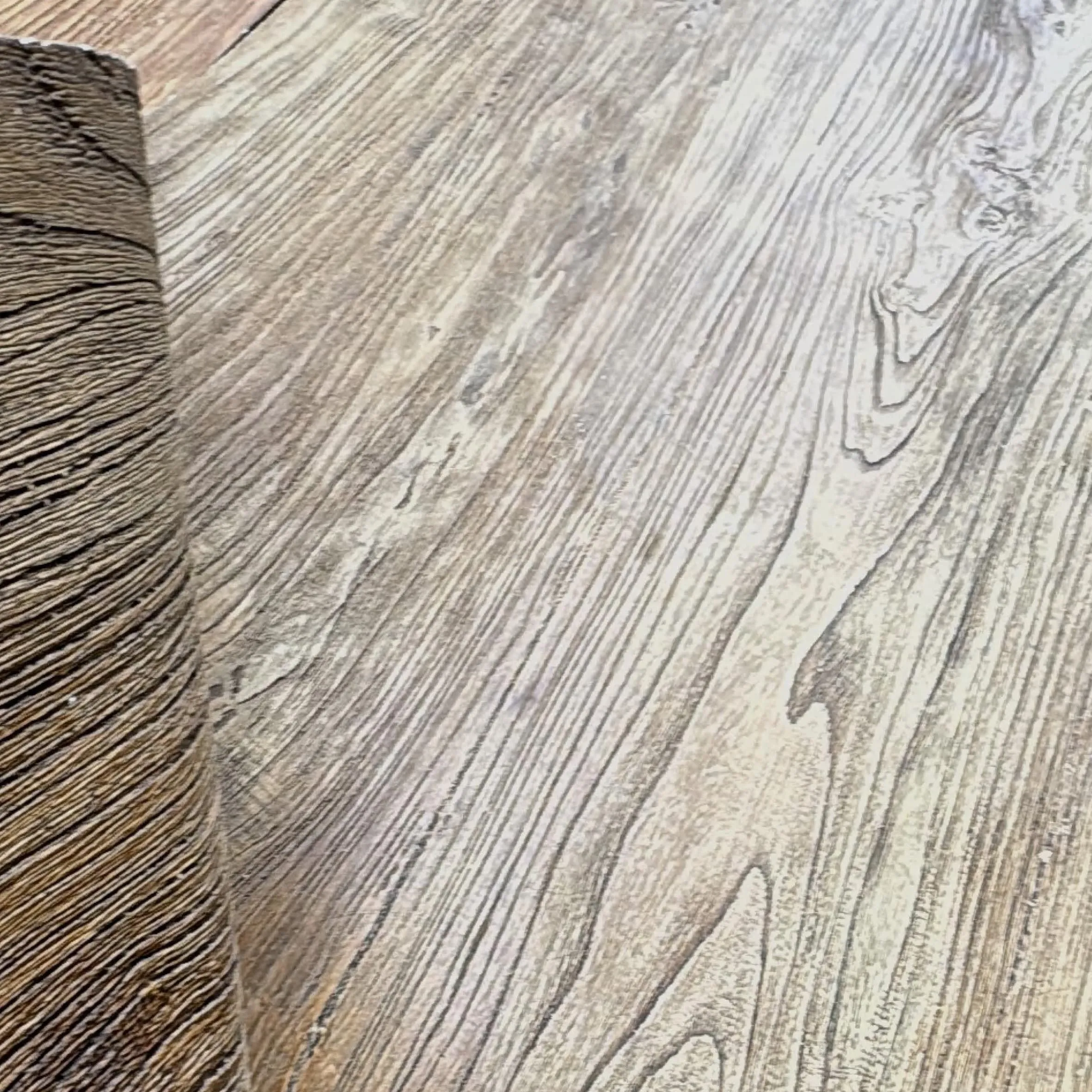
While wood grain board shines on its own, its impact deepens when paired with materials that share its commitment to respect and elegance. Think of it as a choir—each voice has its own tone, but together, they create harmony. Let's explore three materials that complement wood grain board beautifully, each adding its own layer to the sacred narrative: fair-faced concrete, travertine (beige), and masonry stone.
At first glance, concrete might seem too industrial for a sacred space. But fair-faced concrete—left unadorned, with its natural texture and subtle variations—offers a quiet power that's deeply reverent. Its raw, unpolished surface speaks to humility, to the idea that sacredness isn't found in opulence but in authenticity. When paired with wood grain board, it creates a striking contrast: the warmth of the wood softens the concrete's coolness, while the concrete grounds the wood, adding a sense of permanence. Imagine a prayer hall with fair-faced concrete walls, their gentle gray tones receding to let light take center stage, accented by wood grain board panels framing the altar. The effect is serene, modern, and deeply spiritual—a space that feels both rooted in the earth and open to the divine.
Travertine has been used in sacred architecture for millennia, from the Roman Pantheon to ancient Persian mosques. Its beige hue, with hints of cream and soft gold, feels like sunlight captured in stone—a warm, earthy tone that invites comfort and connection. Unlike some stones that feel cold or distant, travertine (beige) has a porous, almost organic texture, as if it holds the memory of the rivers and minerals that formed it. When used alongside wood grain board, it reinforces the space's connection to nature, creating a sense of grounding. Picture a temple's floor laid with travertine (beige) tiles, their surface slightly worn from years of footsteps, leading to a wooden grain board pulpit. The combination feels timeless, as if the space has always existed, a bridge between the past and the present.
Masonry stone—rough-hewn or carefully laid—carries the weight of history. It speaks to the generations of builders who have raised sacred spaces, to the idea of faith as something built brick by brick, stone by stone. Its irregular edges and natural variations add texture and depth, creating a sense of solidity that reassures the spirit. When combined with wood grain board, it balances the wood's softness with its own rugged strength. A church entrance framed by masonry stone walls, with wood grain board doors carved with symbolic patterns, welcomes worshippers with a message: this is a place of both tradition and warmth, a space where the old and new meet in reverence.
| Material | Aesthetic Qualities | Practical Benefits | Spiritual Resonance |
|---|---|---|---|
| Custom Wood Grain Board | Warm, organic texture; mimics natural wood grains and knots; customizable colors/patterns. | Durable, moisture-resistant, low-maintenance; sustainable (often recycled materials). | Evokes warmth, comfort, and connection to nature; symbolizes growth and life. |
| Fair-Faced Concrete | Raw, unpolished surface; subtle gray tones; natural texture variations. | Highly durable, fire-resistant; minimal maintenance; cost-effective for large spaces. | Represents simplicity, humility, and permanence; creates a serene, meditative backdrop. |
| Travertine (Beige) | Warm beige with cream/gold undertones; porous, organic texture; timeless elegance. | Heat-resistant, durable; ages gracefully, developing a unique patina over time. | Connects to the earth; symbolizes stability and ancient wisdom; invites grounding and reflection. |
| Masonry Stone | Rough-hewn or smooth; natural color variations; historic, tactile appearance. | Exceptionally durable; weather-resistant; sound-insulating; long lifespan. | Symbolizes strength, tradition, and the passage of time; evokes a sense of heritage and continuity. |
To truly understand the magic of these materials, let's step into a hypothetical sacred space—a community mosque designed to honor both tradition and modernity. The journey begins at the entrance, where massive masonry stone walls rise, their rough texture a nod to the ancient fortresses that once protected faith communities. As visitors pass through the archway, they're greeted by the soft glow of natural light filtering through skylights, illuminating fair-faced concrete walls that stretch upward, their cool gray surface creating a sense of spaciousness and calm.
The main prayer hall features a floor laid with travertine (beige) tiles, their warm hue underfoot feeling like a gentle embrace. Along the qibla wall, where worshippers face during prayer, custom wood grain board panels have been installed, their rich walnut tones adding depth and warmth to the space. The mihrab—a niche indicating the direction of Mecca—is framed by these wood panels, the grains swirling like a river of faith, guiding the eye toward the sacred focal point. Above, the ceiling soars, a mix of wood grain board and fair-faced concrete, creating a pattern that mimics the night sky, with the wood representing the stars and the concrete the vastness of the universe.
Worshippers often remark on how the space feels both ancient and new—grounded in the traditions of the past but open to the needs of the present. The wood grain board, with its lifelike texture, reminds them of the trees that have shaded generations of believers; the fair-faced concrete speaks to the mosque's role as a modern gathering place, strong and unshakable; the travertine (beige) grounds them in the earth, a reminder of their connection to the natural world and to each other. Together, these materials don't just form a building—they create a sanctuary, a place where the spiritual and the physical meet, and where every detail whispers of respect, elegance, and devotion.
In the end, the materials we choose for sacred spaces are more than just building blocks—they are storytellers. They tell the story of a community's faith, its values, and its hopes for the future. Custom wood grain board, with its ability to blend tradition and durability, has emerged as a powerful voice in this storytelling, especially when paired with the quiet strength of fair-faced concrete, the earthy warmth of travertine (beige), and the timeless resilience of masonry stone.
These materials don't just create beautiful spaces—they create meaningful ones. Spaces where worshippers feel seen, where the noise of the world fades, and where the sacred becomes tangible. They remind us that reverence isn't found in grand gestures alone but in the care we put into every detail, in the respect we show for both the past and the present, and in the elegance we bring to even the simplest of materials.
As we continue to design and build sacred spaces for future generations, may we remember the power of materials like wood grain board, fair-faced concrete, travertine (beige), and masonry stone. May they serve as a testament to our commitment to creating places that honor the divine, nurture the human spirit, and stand as beacons of respect and elegance for years to come.
Recommend Products












