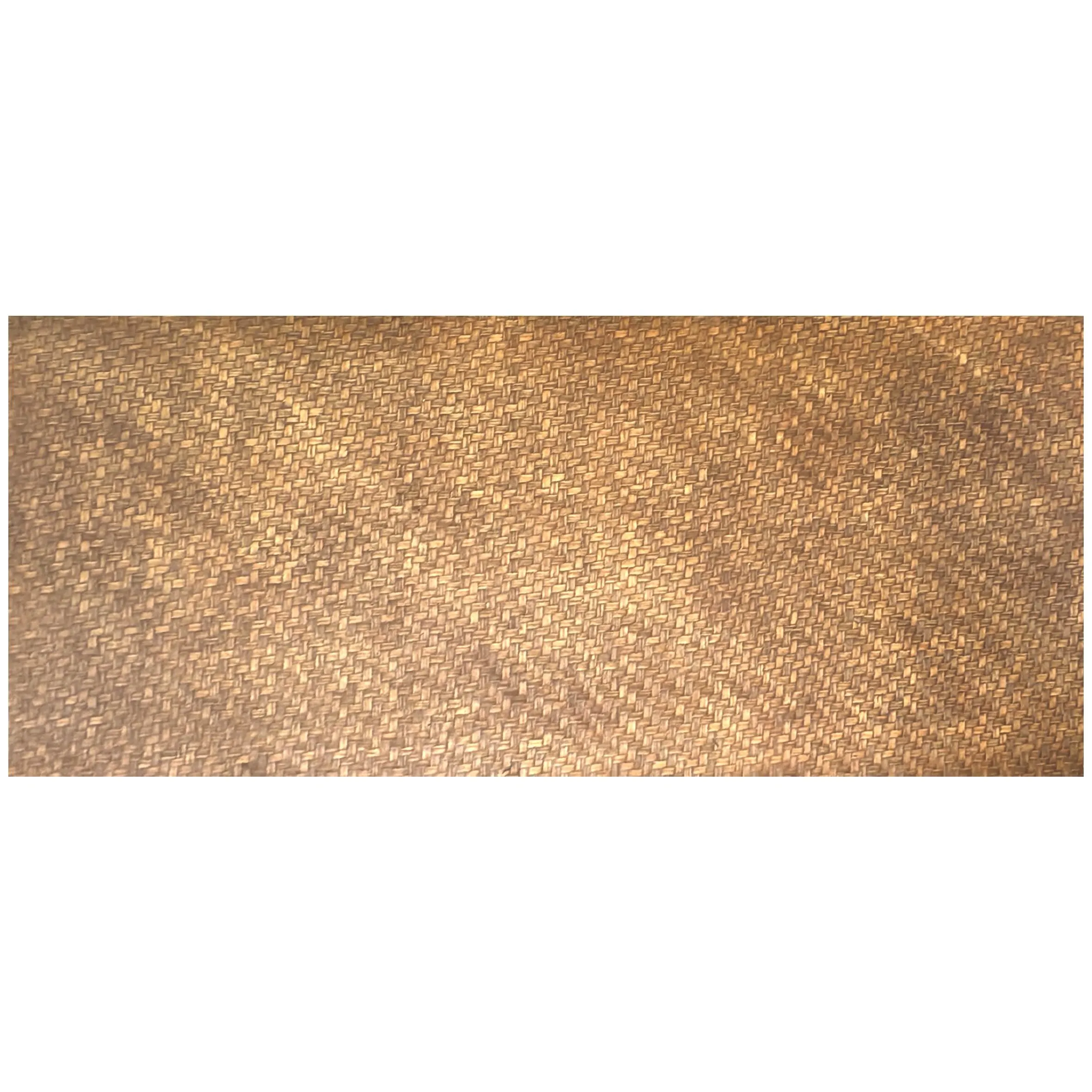
Architecture is more than just walls and roofs—it's the language of spaces that shape how we live, work, and connect. Every material chosen by designers tells a story, blending function with feeling to create environments that resonate. In recent years, the push for innovation has led to materials that don't just serve a purpose but elevate the human experience. Among these, customizable solutions have become the heartbeat of modern design, allowing creators to tailor every texture, color, and finish to the unique soul of a project. Today, we're diving into one such material that's capturing the attention of architects and designers worldwide:
Bamboo Mat Board. But this isn't just about a single product—it's about how materials like
Bamboo Mat Board, when paired with innovations like
MCM flexible stone or the timeless warmth of
travertine (beige), are redefining what's possible in architecture.
What is Bamboo Mat Board, and Why Does It Matter?
Imagine stepping into a space where the walls feel alive with texture—warm, organic, and subtly dynamic. That's the magic of
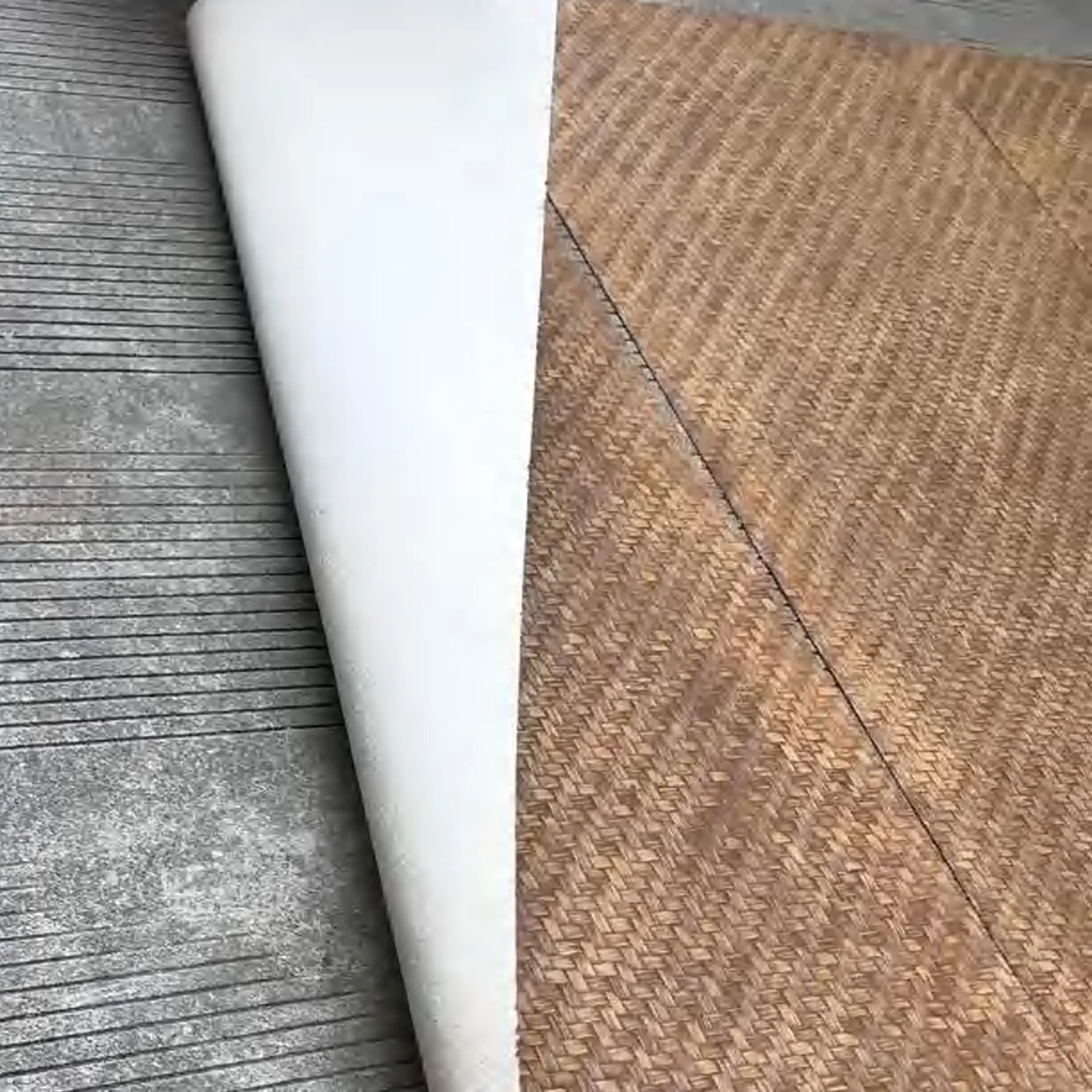
Bamboo Mat Board. At its core, it's a composite material crafted from layers of sustainably sourced bamboo fibers, bonded with eco-friendly resins to create a sheet that's both lightweight and remarkably strong. But what truly sets it apart is its versatility. Unlike rigid stone or heavy concrete,
Bamboo Mat Board bends to the designer's vision, offering flexibility in installation and customization that's hard to match.
For architects tired of choosing between aesthetics and practicality,
Bamboo Mat Board is a breath of fresh air. It weighs a fraction of traditional wood or stone, making it easier to transport and install without compromising on durability. Its surface, which mimics the natural grain of bamboo, adds depth to spaces, creating a connection to nature that modern urban environments often lack. And because bamboo is one of the fastest-growing plants on the planet, it brings a sustainability edge that's increasingly non-negotiable in today's design world.
But
Bamboo Mat Board isn't just a "green" alternative—it's a creative catalyst. Designers are discovering that its neutral base pairs beautifully with bolder materials, creating harmonious contrasts that make spaces feel intentional. Whether paired with the industrial chic of
fair-faced concrete or the soft elegance of
travertine (beige), it acts as a bridge between styles, proving that modern design doesn't have to sacrifice warmth for innovation.
The Power of Customization: Tailoring Texture, Color, and Story
One of the most frustrating challenges in architecture is the "one-size-fits-all" limitation of many materials. A commercial lobby might crave a sleek, contemporary look, while a boutique hotel needs something cozy and inviting—and a cultural center might require a material that honors heritage while feeling fresh.
Bamboo Mat Board shatters these limitations with customization options that feel almost endless.
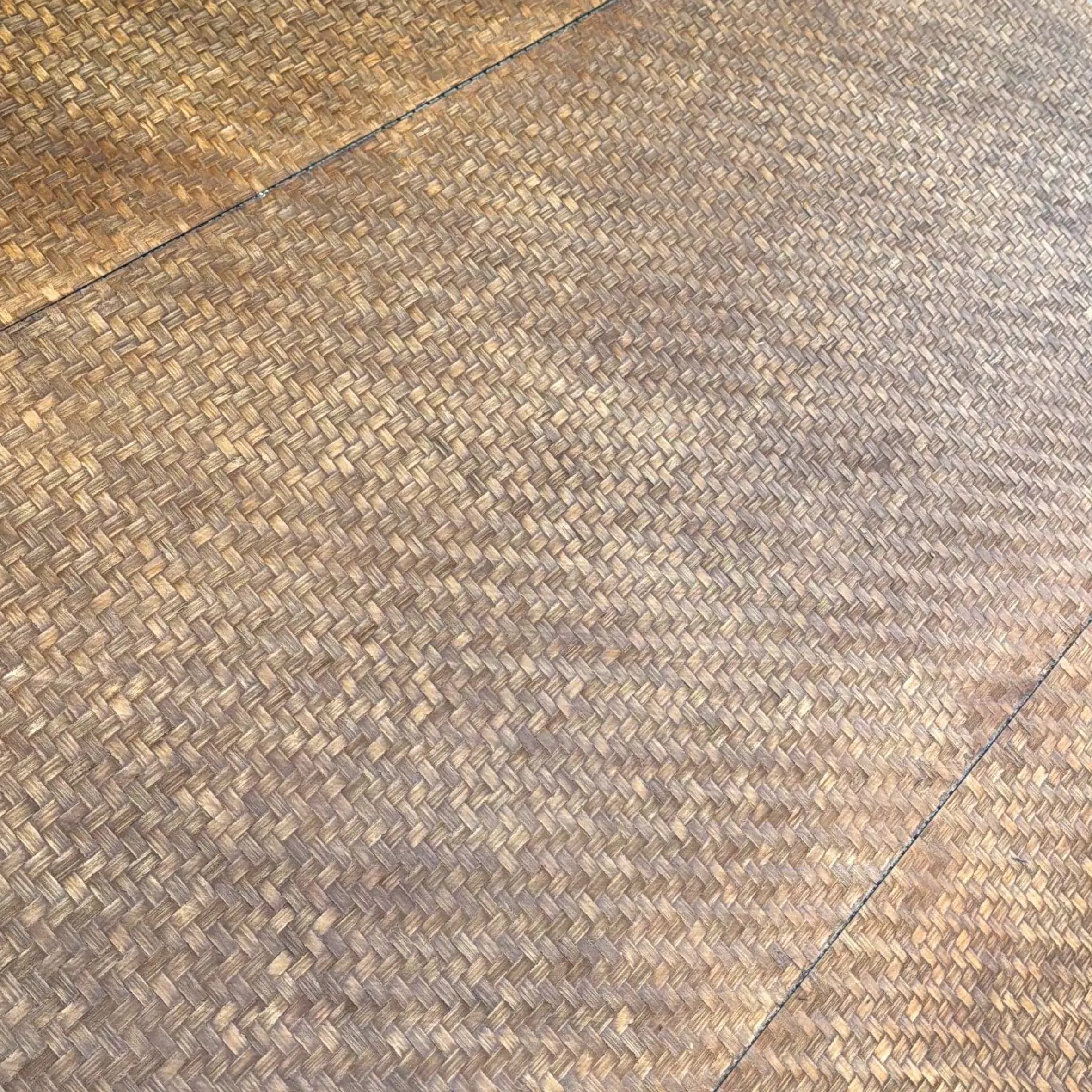
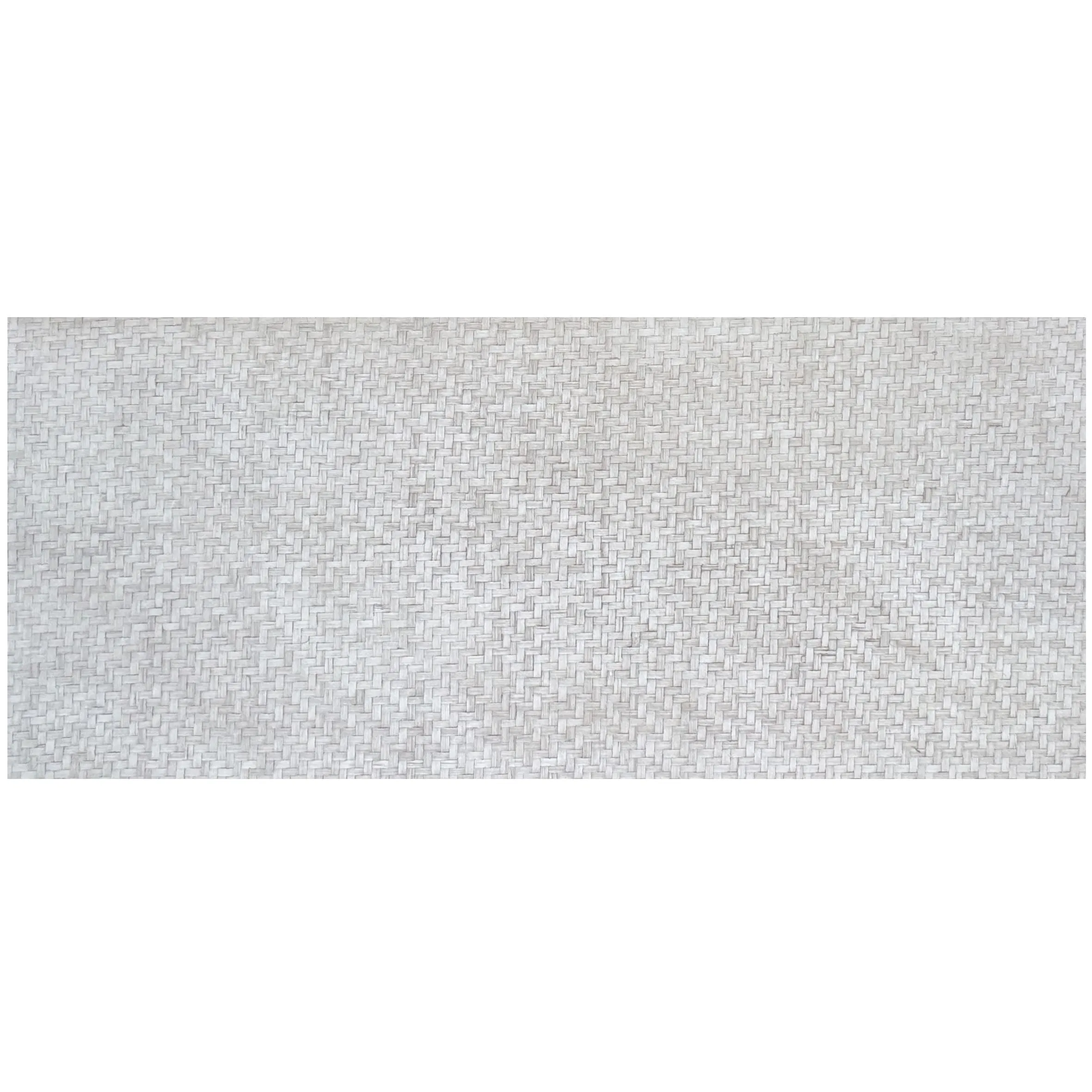
Think about texture first. Do you want the rough, tactile feel of handwoven bamboo, or a smoother, more refined finish that whispers elegance? Manufacturers now offer everything from deep, pronounced grains that evoke a forest floor to subtle, sanded surfaces that catch light gently. Then there's color: natural bamboo tones (honey, amber, soft green) are timeless, but for projects needing a bolder statement, custom stains in charcoal, navy, or even terracotta can transform the board into a focal point.
But customization goes beyond looks—it's about performance, too. Need a board that's water-resistant for a bathroom wall? Or fire-retardant for a public space? Modern
Bamboo Mat Board can be treated to meet specific safety standards without losing its aesthetic appeal. For designers, this means no more compromising between form and function. It's about creating a material that works
with
the project, not against it.
Take, for example, a recent residential project in Portland, where the designer wanted to blend indoor and outdoor spaces. They chose
Bamboo Mat Board with a weathered, driftwood-inspired finish for the exterior cladding, then extended the same texture indoors as an accent wall in the living room. The result? A seamless flow that makes the home feel like an extension of the surrounding forest. That's the power of customization—it turns materials into storytellers.
Bamboo Mat Board in Harmony: Pairing with Other Architectural Gems
Great design is rarely about a single material—it's about how elements dance together, each enhancing the other's strengths.
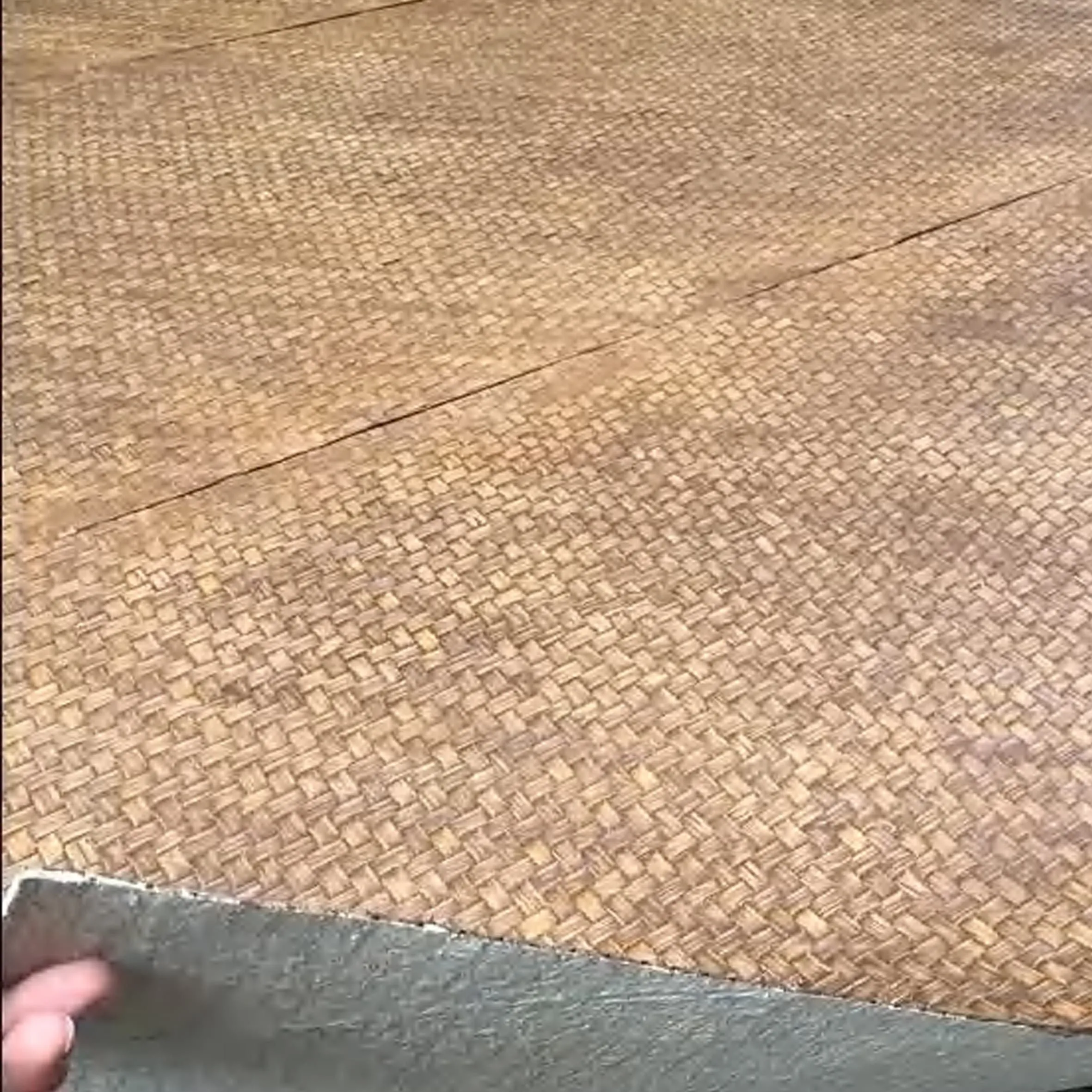
Bamboo Mat Board, with its versatility, plays well with a range of architectural stars, from the cutting-edge to the classic. Let's explore how it integrates with some standout materials from the modern designer's toolkit.
MCM Flexible Stone
: MCM (Modified Composite Material) flexible stone is a game-changer for creating stone-like textures without the weight or fragility of natural stone. Imagine a commercial lobby where
Bamboo Mat Board lines the lower half of the walls, warm and inviting, while
MCM flexible stone—with its sleek, marble-like finish—clads the upper half. The contrast of organic bamboo and polished stone creates a space that feels both grounded and sophisticated. In a recent office project in Chicago, this pairing was used to divide collaborative zones from quiet work areas: the bamboo sections felt approachable and creative, while the MCM stone added a touch of professionalism. It's a reminder that materials can guide human behavior, too.
Fair-Faced Concrete
: There's something raw and honest about
fair-faced concrete—the way it shows its seams and imperfections, telling the story of its creation. Pairing it with
Bamboo Mat Board softens that industrial edge, creating a balance of strength and warmth. A brewery in Denver did just this: exposed
fair-faced concrete ceilings and columns provide a rugged backdrop, while
Bamboo Mat Board panels line the bar front and seating areas. The result? A space that feels both industrial-chic and welcoming, perfect for lingering over a pint. It's a lesson in contrast: the coolness of concrete makes the bamboo's warmth feel even more inviting.
Travertine (Beige)
:
Travertine has been a staple in architecture for centuries, loved for its soft, earthy tones and unique veining. Beige
travertine, in particular, brings a timeless elegance that pairs beautifully with
Bamboo Mat Board's natural vibe. A boutique hotel in Tuscany used this combination in its suites:
travertine (beige) floors flow underfoot, while
Bamboo Mat Board headboards and wall panels add texture and warmth. The effect is rustic yet refined, like staying in a modern villa that honors the region's stone heritage. It's proof that old and new can coexist beautifully—
travertine grounds the space in history, while bamboo adds a fresh, sustainable twist.
Wood Grain Board
: For projects craving a double dose of organic warmth, pairing
Bamboo Mat Board with
wood grain board is a match made in design heaven.
Wood grain board, with its precise replication of oak, walnut, or teak, adds depth, while bamboo brings a lighter, airier quality. A café in Seattle used this combo for its interior:
wood grain board for the tables and countertop, and
Bamboo Mat Board for the ceiling panels. The space feels like a cozy cabin, but with a modern twist—no dark, heavy woods here, just light, layered textures that make customers want to stay for hours.
|
Material
|
Key Strengths
|
Best For
|
Pairing with Bamboo Mat Board
|
|
MCM Flexible Stone
|
Lightweight, stone-like texture, customizable finishes
|
Commercial lobbies, accent walls
|
Creates contrast between organic and polished
|
|
Fair-Faced Concrete
|
Industrial aesthetic, durability, raw texture
|
Breweries, lofts, public spaces
|
Balances warmth of bamboo with rugged edge
|
|
Travertine (Beige)
|
Timeless elegance, earthy tones, natural veining
|
Hotels, residential, heritage projects
|
Links modern bamboo to classical architecture
|
|
Wood Grain Board
|
Replicates real wood, versatile, warm
|
Cafés, homes, retail
|
Enhances organic, cozy vibes with layered texture
|
From Concept to Creation: Bamboo Mat Board in Real-World Projects
It's one thing to talk about materials in theory, but seeing them in action is where the magic truly shines. Let's dive into a few case studies that show
Bamboo Mat Board transforming spaces across different project types.
Case Study 1: The "Ember & Stone" Boutique Hotel (Arizona)
Located in the Sonoran Desert, this boutique hotel wanted to honor the region's natural beauty while offering modern comfort. The designer's challenge? Create a space that felt both rooted in the desert landscape and luxuriously inviting. Their solution?
Bamboo Mat Board,
travertine (beige), and
MCM flexible stone.
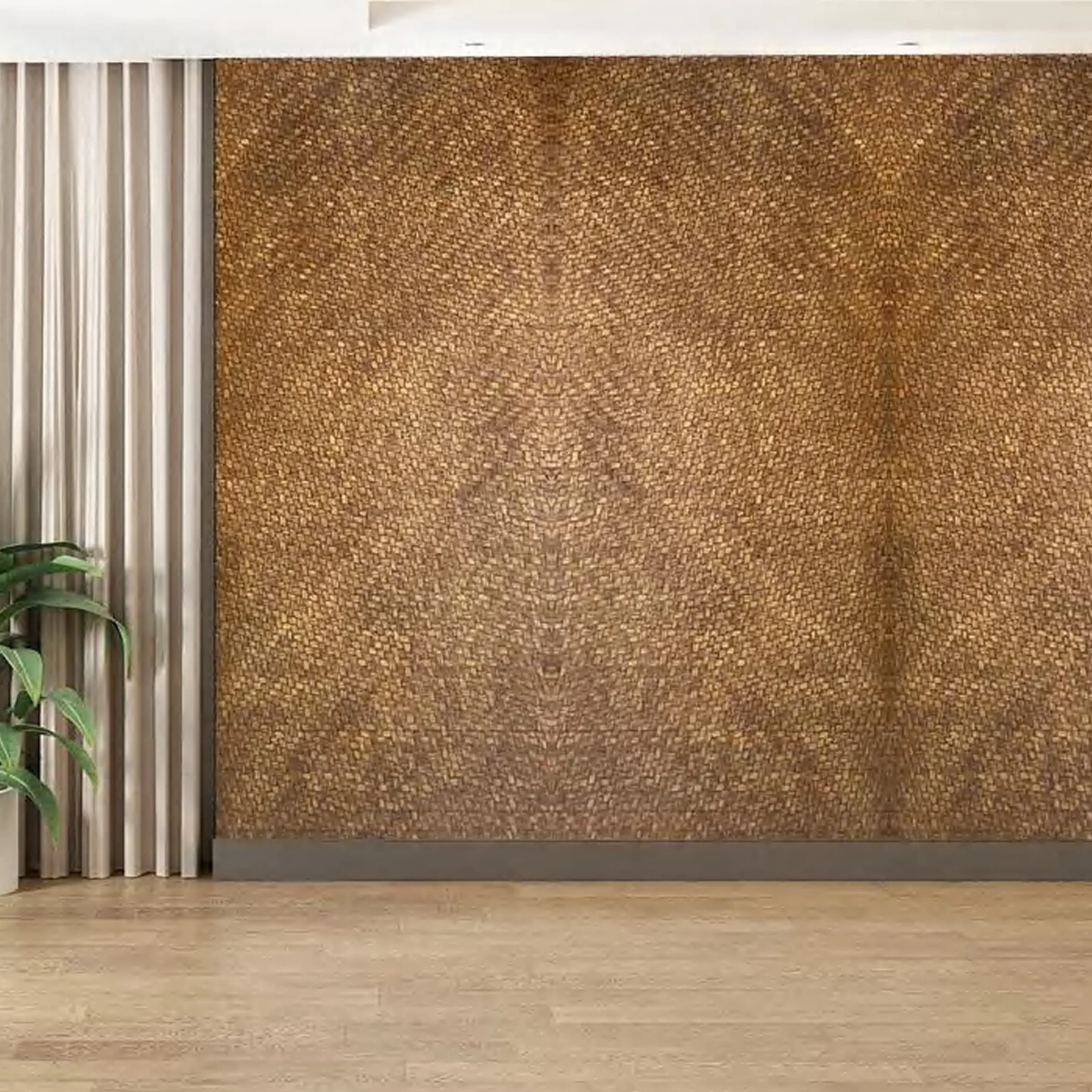
The lobby features a sweeping wall of
Bamboo Mat Board stained in warm terracotta, mimicking the desert's rusty hues. Behind the reception desk,
MCM flexible stone in a "sandy dune" finish adds a subtle, stone-like texture, while
travertine (beige) floors ground the space with their soft veining. Upstairs, guest rooms use
Bamboo Mat Board as a headboard backdrop, paired with wooden furniture and desert-inspired textiles. Guests often remark on how the space feels "calm yet alive"—a direct result of the materials' ability to evoke the desert's quiet grandeur without feeling harsh.
"We wanted guests to feel like they were staying in a modern oasis," says the project's lead designer. "
Bamboo Mat Board was key because it's warm, but not overwhelming, and it pairs so naturally with the
travertine. It's like bringing a piece of the desert indoors, but with a soft touch."
Case Study 2: "The Hive" Co-Working Space (Austin)
Co-working spaces thrive on energy—they need to be inspiring, collaborative, and adaptable. The Hive, a new space in Austin, aimed to stand out by blending industrial edge with biophilic design (the idea that connecting with nature boosts wellbeing).
Bamboo Mat Board and
fair-faced concrete were the stars here.
The main workspace features exposed
fair-faced concrete walls and ceilings, giving the space an urban, raw feel. To soften this, the designer added
Bamboo Mat Board panels to the meeting room dividers and lounge area walls. The bamboo's natural grain adds movement, while its light color prevents the space from feeling too dark. Even the phone booths are clad in
Bamboo Mat Board, creating small, cozy nooks that feel like a retreat from the busy open area.
"People spend so much time indoors now—we wanted to bring a little 'outside in' without being cheesy," explains the space's founder. "The bamboo does that. It's not just a wall; it's a reminder of forests and growth. And pairing it with concrete? It's like nature meeting the city—exactly what Austin is all about."
In an era where sustainability is no longer a trend but a responsibility, materials are being judged not just by how they look, but by how they're made.
Bamboo Mat Board shines here, thanks to bamboo's status as one of the most renewable resources on the planet. Unlike hardwood trees, which can take decades to mature, bamboo grows back in 3–5 years, requiring little water or pesticides. This makes it a far more eco-friendly alternative to materials like traditional wood paneling or even some composite boards made with plastic.
But sustainability isn't just about the raw material—it's about the manufacturing process, too. Many
Bamboo Mat Board producers use low-VOC (volatile organic compound) resins to bond the fibers, reducing harmful emissions. Some even source their bamboo from FSC-certified forests, ensuring ethical harvesting practices. For projects aiming for LEED certification or other green building standards, this can be a significant advantage.
Compare this to, say, natural stone like marble, which often requires heavy mining and transportation, leaving a large carbon footprint. Or traditional concrete, which is energy-intensive to produce.
Bamboo Mat Board offers a lighter, more responsible choice without skimping on style. It's a material that lets designers create beautiful spaces
and
feel good about how they're made.
A recent school project in Vancouver put this to the test. The design team chose
Bamboo Mat Board for the classroom walls, not just for its warm, calming texture, but because it aligned with the school's commitment to sustainability. "We wanted to teach kids that design and the environment go hand in hand," says the principal. "When they touch those bamboo walls, they're not just feeling a material—they're feeling a choice to protect our planet."
The Future of Bamboo Mat Board: Where Innovation Meets Tradition
As architecture continues to evolve, materials like
Bamboo Mat Board are leading the charge toward more personalized, sustainable, and human-centered design. What's next for this versatile material? Manufacturers are already experimenting with new finishes, like metallic-infused bamboo for a futuristic twist, or 3D-printed textures that mimic natural elements like waves or tree bark (hello,
wave panel vibes!). There's also growing interest in blending bamboo with recycled materials, like reclaimed wood fibers or plastic, to create even more eco-friendly options.
For designers, the future holds endless possibilities. Imagine a museum where
Bamboo Mat Board, laser-etched with historical patterns, lines the walls, telling stories through texture. Or a healthcare facility where the warm, organic feel of bamboo helps reduce patient anxiety. The potential is limitless because
Bamboo Mat Board isn't just a material—it's a canvas.
At the end of the day, architecture is about people. It's about creating spaces that make us feel seen, connected, and inspired.
Bamboo Mat Board, with its warmth, versatility, and sustainability, is helping designers do just that. It's a reminder that the best materials don't just build structures—they build experiences. And in a world that often feels cold and disconnected, that's a gift worth celebrating.
So whether you're an architect dreaming up your next big project, a homeowner looking to add soul to a renovation, or simply someone who appreciates the beauty of well-designed spaces, keep an eye on
Bamboo Mat Board. It's more than a trend—it's a glimpse into the future of architecture: one where materials are as thoughtful, adaptable, and human as the spaces they create.