
Large-scale construction projects—whether it's a sprawling commercial complex, a luxury hotel, or a public transit hub—come with a unique set of headaches. Budget overruns, tight deadlines, and the pressure to balance durability with aesthetics can leave even seasoned architects and project managers tossing and turning at night. You need materials that don't just look good on paper but deliver in the real world: strong enough to withstand the elements, flexible enough to adapt to bold designs, and affordable enough to keep your bottom line intact. Enter MCM panels. And if you're hunting for a standout star in this lineup, let's talk about dacite —a finish so striking, its real photos might just make you rethink what's possible with modern building materials. But dacite is just the start. From the versatility of MCM flexible stone to the efficiency of big slab series, these panels are redefining cost savings in construction. Let's dive in.
For decades, project teams defaulted to natural stone, brick, or standard concrete for exteriors and high-traffic interiors. But here's the dirty little secret: those materials come with hidden costs. Natural stone, for example, is heavy—we're talking tons per slab. That means beefed-up structural support, pricier (transportation), and a army of laborers to haul and install it. And if a slab cracks during installation? There goes another chunk of budget. Brick, while classic, requires meticulous mortar work and is prone to water damage over time. Even standard concrete, though durable, lacks the design flair clients crave today—and pouring it on-site ties up crews for days, dragging out timelines.
MCM (Modified Composite Material) panels flip the script. These engineered panels are a blend of natural minerals, high-performance polymers, and reinforcing fibers, designed to mimic the look of natural materials—think travertine, granite, or even aged wood—without the weight, fragility, or cost. And when we talk about cost savings, we're not just talking about the price tag of the panels themselves. We're talking about installation speed , reduced labor , lower transportation fees , and minimal maintenance over time. For large-scale projects, where every day (and every dollar) counts, that adds up fast.
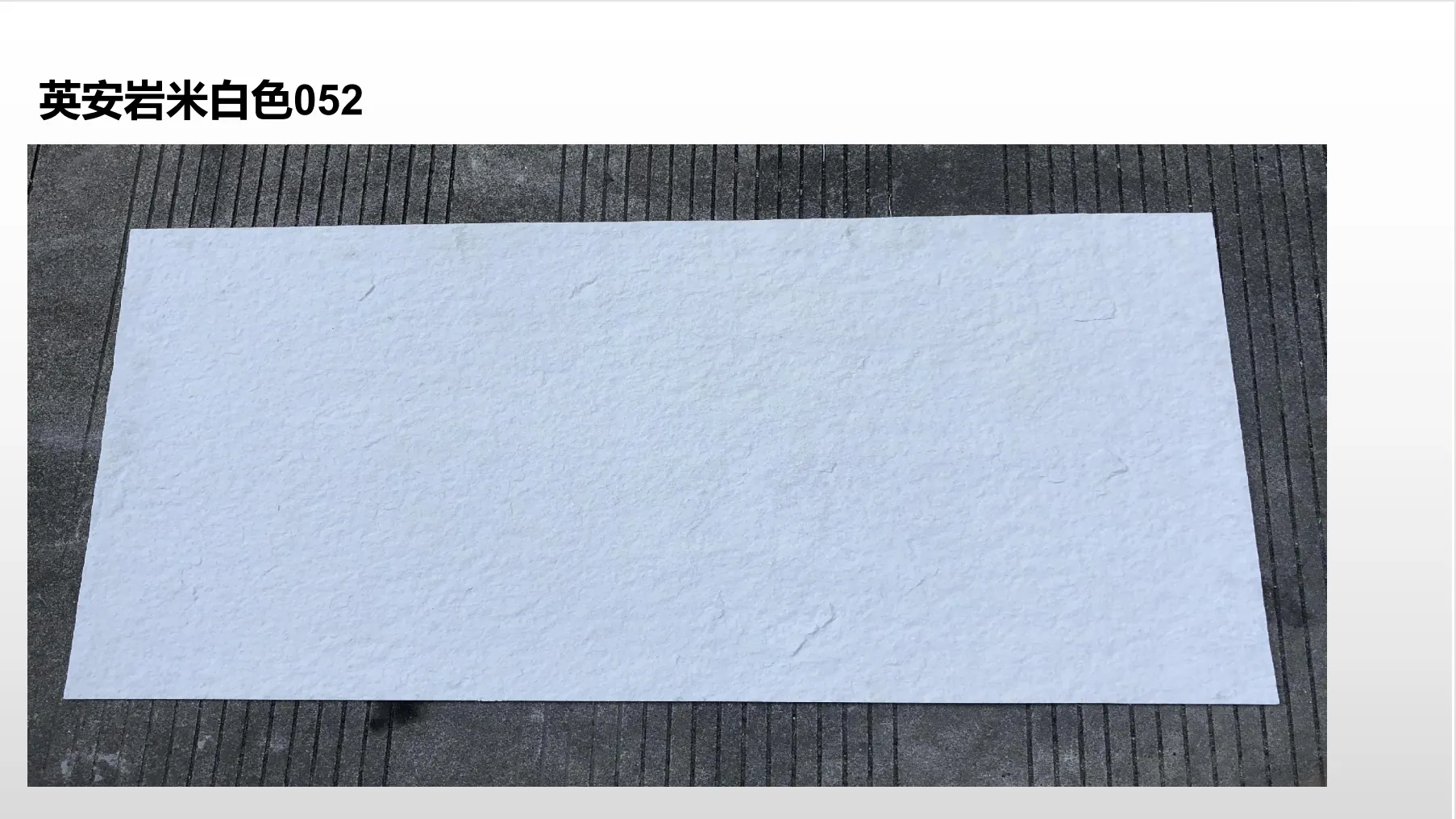
Let's start with the star of the show: dacite. If you've seen dacite real photos, you know it's a head-turner. Its texture is rugged yet refined—think the raw beauty of volcanic rock, with subtle variations in tone that catch the light. Some dacite finishes lean warm, with hints of terracotta and gold; others are cooler, with slate-gray undertones and flecks of silver. The best part? Unlike natural volcanic stone, which is porous and heavy, MCM dacite panels are lightweight, water-resistant, and pre-finished. No sealing, no staining, no surprises.
But how does this translate to cost savings? Let's break it down. A typical 4x8 ft natural stone slab weighs 150-200 lbs. MCM dacite panels of the same size? A mere 15-20 lbs. That means you can transport twice as many panels in a single truck, slashing transportation costs by 50%. On-site, installation is a breeze: panels can be cut with standard tools, and they attach to substrates like metal frames or concrete using lightweight adhesives or clips. A crew of 2-3 people can install 500+ sq ft of dacite panels in a day—compared to 100-200 sq ft with natural stone. Faster installation = fewer labor hours = lower costs. And because the panels are pre-finished, there's no need for on-site painting or sealing, saving even more time (and money).
One project manager we spoke to (who preferred to remain anonymous) shared that switching to dacite MCM panels for a 50,000 sq ft hotel facade cut their exterior cladding budget by 32%. "We were originally looking at natural granite," they said. "But the weight meant reinforcing the building's structure, which added $200k to the foundation costs alone. With dacite, we skipped the reinforcements, and installation took 3 weeks instead of 6. The client loved the look—they said it had 'more character than granite'—and we came in under budget. Win-win."
Dacite might steal the spotlight, but the MCM lineup has other heavy hitters. Let's explore three more options that are making waves in large-scale projects:
Ever tried to install natural stone on a curved wall or a rounded column? It's a nightmare. You're either cutting small, expensive pieces to fit (wasting material) or hiring specialized craftsmen (wasting money). MCM flexible stone changes the game. These panels are thin—often just 3-5mm thick—and bendable, allowing them to wrap around curves, arches, and even domes with zero cracking. Imagine a museum with a sweeping, organic facade or a hotel lobby with curved pillars clad in stone-like texture—all without the premium price tag of custom-cut natural stone.
Cost-wise, flexible stone panels are a no-brainer. Because they conform to irregular surfaces, you eliminate the need for custom moldings or expensive fabrication. A recent project in Dubai used MCM flexible stone for a 120-ft curved exterior wall, saving $75k compared to the original plan of using hand-carved limestone. "We thought we'd have to compromise on the design," the architect noted. "But the flexible stone gave us the curve we wanted at a fraction of the cost."
If time is money (and it always is), the MCM big slab board series is your new best friend. These panels come in sizes up to 5x10 ft—twice the size of standard stone slabs. Fewer panels mean fewer seams, which not only looks cleaner but also speeds up installation. For a 100,000 sq ft office building, using 5x10 ft big slabs instead of 4x8 ft panels reduces the number of panels needed by 36%. That's 36% fewer cuts, 36% fewer attachment points, and 36% less time spent aligning seams. And since big slabs cover more area per panel, your crew can knock out entire walls in a day, keeping the project on track (or even ahead).
But it's not just about speed. Big slabs also reduce waste. With smaller panels, you often end up with odd scraps that can't be reused. Big slabs, however, are easier to cut to size with minimal leftover material. One university campus project reported a 22% reduction in material waste after switching to MCM big slabs for their student center—a savings of $15k in raw materials alone.
For projects leaning into industrial-chic or futuristic design, foamed aluminium alloy board is a standout. Available in finishes like vintage silver, vintage gold, and brushed metal, these panels have a sleek, metallic look that pairs perfectly with glass and steel. But unlike solid aluminium, which is heavy and prone to dents, foamed aluminium is lightweight (thanks to its cellular structure) and surprisingly durable. It resists corrosion, doesn't fade in sunlight, and requires zero maintenance—no polishing, no repainting, just a quick hose-down if it gets dirty.
Cost savings here come from longevity. A foamed aluminium facade will look as good in 20 years as it did on day one, while painted steel or solid aluminium might need recoating every 5-7 years. Over the lifespan of a building, that's tens of thousands of dollars saved on maintenance. Plus, like other MCM panels, installation is fast: panels lock together like puzzle pieces, so a small crew can cover large areas in record time.
Still on the fence? Let's put it all in black and white. Below is a comparison of MCM panels (dacite, flexible stone, big slabs) vs. traditional materials (natural stone, brick, standard concrete) across key cost and performance metrics:
| Material | Cost per sq ft | Installation Time (sq ft/day/crew) | Weight per sq ft | Maintenance Cost (10-year estimate) |
|---|---|---|---|---|
| Natural Stone (Granite) | $45-$65 | 100-200 | 15-20 lbs | $3-$5/sq ft (sealing, repairs) |
| Brick | $15-$25 | 200-300 | 25-30 lbs | $2-$4/sq ft (tuckpointing, water damage) |
| Standard Concrete | $10-$18 | 150-250 (on-site pour) | 20-25 lbs | $1-$3/sq ft (crack repairs, staining) |
| MCM Dacite | $18-$28 | 500-600 | 1.5-2 lbs | $0.50-$1/sq ft (occasional cleaning) |
| MCM Flexible Stone | $20-$30 | 400-500 (curved surfaces) | 1-1.5 lbs | $0.50-$1/sq ft |
| MCM Big Slab Series | $22-$32 | 600-700 | 2-2.5 lbs | $0.50-$1/sq ft |
The takeaway? While MCM panels might have a slightly higher upfront cost than brick or standard concrete, their installation speed, lightweight design, and minimal maintenance make them far cheaper over time—especially for large projects. And when compared to natural stone, the savings are staggering: up to 60% on material costs alone, plus 70-80% faster installation.
Don't just take our word for it. Let's look at two recent projects that leveraged MCM panels to save big:
At the end of the day, large-scale construction is about balance. You need materials that inspire—materials that make clients say, "Wow"—but you also need to keep the project on budget and on time. MCM panels, with stars like dacite, flexible stone, and big slabs, deliver that balance. They're not just about cost savings (though the numbers speak for themselves); they're about unlocking design possibilities that were once too expensive or too difficult to pull off.
So, if you're knee-deep in planning your next big project, do yourself a favor: check out the real photos. See the texture of dacite up close, imagine flexible stone wrapping around your curved facade, or picture big slabs spanning a wall with seamless beauty. Then crunch the numbers. We think you'll find what hundreds of project teams already have: MCM panels aren't just a trend—they're the smart, cost-effective future of construction.
Recommend Products












