
Exploring the intersection of aesthetics, durability, and life-saving safety in modern construction
Saudi Arabia's skyline is evolving faster than ever—think gleaming skyscrapers in Riyadh, sprawling commercial hubs in Jeddah, and cultural landmarks rising in NEOM. But behind every stunning facade lies a critical question: Is this building safe? In a region where temperatures soar, and architectural ambition knows no bounds, the materials that clothe our structures aren't just about looks. They're about protecting lives, meeting stringent regulations, and standing up to the unique challenges of Saudi's climate. That's where MCM panels step in—and today, we're diving deep into their fire safety story, with a special focus on crowd favorites like dacite, mcm flexible stone, and even the timeless fair-faced concrete.
Walk into any construction site or design studio here, and you'll hear the buzz: MCM (Modified Composite Material) panels are revolutionizing how we build. Lightweight yet tough, flexible yet resilient, they've become the go-to for architects aiming to balance beauty and practicality. But in Saudi Arabia, where fire safety codes are among the strictest in the world, "practicality" isn't just a box to check—it's the foundation of trust. So let's unpack what makes these panels tick, why their fire safety certifications matter, and how real-world projects (yes, including those dacite real photos you've been scrolling through) are setting new standards for safety.
If you're new to the term, MCM panels are like the chameleons of the building world. Made by bonding a thin layer of natural stone, metal, or other materials to a lightweight backing (often aluminum), they mimic the look of heavy materials—think travertine, granite, or even wood—without the bulk. That means easier installation, lower structural stress, and a world of design possibilities. But what really sets them apart? Their adaptability. Take mcm flexible stone , for example: it bends without cracking, making it perfect for curved facades or tricky corners that traditional stone would struggle with. It's the kind of innovation that makes architects smile—and construction crews breathe easier.
But here's the kicker: MCM panels aren't just about flexibility. They're engineered to perform in harsh environments. Saudi Arabia's scorching summers, occasional sandstorms, and strict building codes demand materials that can handle extreme heat, resist impact, and—most critically—stand up to fire. That's why fire safety certifications aren't just add-ons; they're non-negotiable. And when you pair that with aesthetics? You get materials that don't just meet standards—they redefine them.
Let's talk about the elephant in the room: fire. In a country where summer temperatures regularly hit 50°C (122°F), and buildings climb hundreds of meters into the sky, a fire can escalate in minutes. Add in the use of electrical systems, HVAC units, and other heat-generating equipment, and you've got a scenario where material choice directly impacts life safety. Saudi Arabia's Civil Defense Authority (GACA) and Standards Organization (SASO) have responded with some of the most rigorous fire safety regulations globally, including strict limits on flame spread, smoke production, and heat release rates.
For builders and developers, this means one thing: certifications aren't optional . A material that looks stunning but fails a fire test won't just get rejected—it could derail an entire project. That's why MCM panels, with their inherent fire-resistant properties and third-party certifications, are becoming the backbone of safe construction here. Whether it's a hospital in Riyadh, a school in Dammam, or a luxury hotel in Mecca, the goal is the same: protect occupants, minimize damage, and comply with every letter of the law.
You've probably seen acronyms like SASO, ASTM, or BS EN thrown around when talking about fire safety. Let's break them down in plain English. In Saudi Arabia, the gold standard is SASO 2870 —a national standard that sets requirements for building materials' reaction to fire. It covers everything from how quickly a material ignites to how much smoke it produces (smoke is often more deadly than flames in a fire). Then there's ASTM E84 , an international test that measures flame spread and smoke development. A low flame spread index (FSI) and smoke development index (SDI) here means the material is slow to catch fire and doesn't fill a space with toxic smoke—both lifesavers in an emergency.
MCM panels, including stars like dacite and mcm flexible stone, undergo rigorous testing to earn these certifications. For example, during ASTM E84 testing, samples are exposed to controlled flames, and their performance is rated on a scale. A Class A rating (the highest) means the material has an FSI of 0-25, making it highly resistant to flame spread. Many MCM panels, including those used in Saudi projects, proudly carry this Class A rating—a badge of honor that says, "We take safety seriously."
Now, let's zoom in on the materials making waves in Saudi Arabia's construction scene. These aren't just numbers on a spec sheet—they're the faces of modern, safe architecture. And yes, we'll even touch on those dacite real photos you've been curious about.
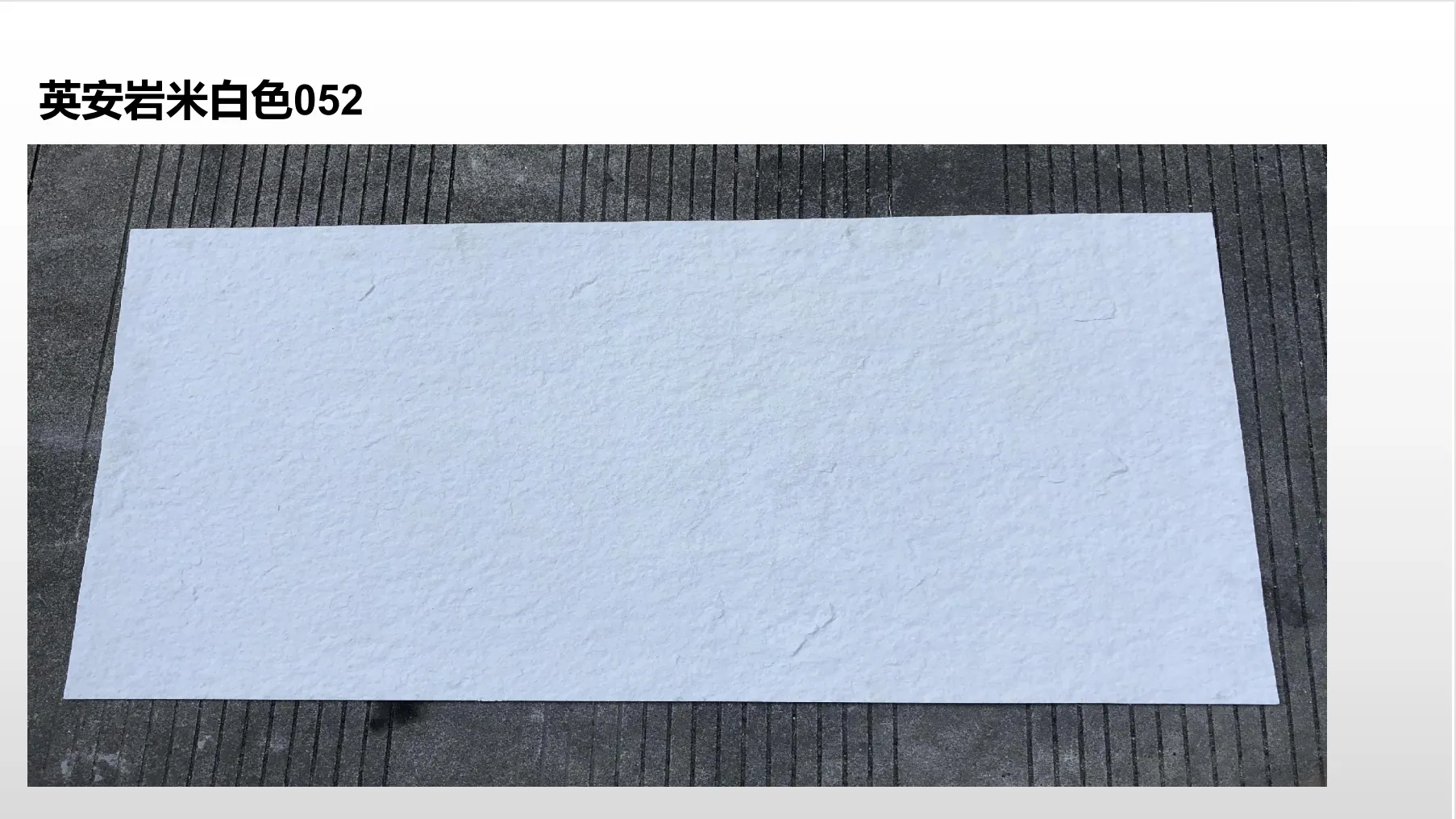
Dacite isn't just a pretty face—though its earthy, textured finish certainly turns heads. This volcanic rock-inspired MCM panel is engineered for durability, with a composition that resists heat, impact, and yes, fire. Its dense surface and low porosity mean it doesn't readily absorb heat or flames, helping it earn that coveted Class A fire rating. But what really makes dacite stand out is its versatility. Dacite real photos from recent Saudi projects show it used everywhere from commercial office facades to residential complexes. Imagine a sleek, modern building in Riyadh with dacite cladding: its warm, neutral tones blend seamlessly with the desert landscape, while its fire-resistant core gives occupants peace of mind. It's proof that safety and beauty don't have to be enemies—they can be collaborators.
We mentioned mcm flexible stone earlier, but let's dive deeper. Its claim to fame is flexibility—imagine wrapping a building's curved entrance with stone that moves with the structure, no cracks, no fuss. But beneath that flexibility is a fire-resistant core. Made with mineral-rich composites and a fire-retardant backing, it maintains its integrity even when exposed to high heat. In SASO 2870 testing, it consistently meets Class A standards, proving that being bendy doesn't mean being weak. Architects love it for statement walls and artistic facades, while safety officers appreciate that it doesn't compromise on protection. It's the ultimate multitasker of the MCM world.
You might think fair-faced concrete is old news, but MCM's take on it is anything but. This panel mimics the raw, industrial beauty of exposed concrete but with the lightweight, fire-resistant benefits of MCM technology. Concrete itself is inherently fire-resistant (it's made of stone, after all), and when paired with MCM's backing, it becomes even more formidable. It scores high on ASTM E84 tests, with minimal flame spread and smoke production. In Saudi projects, it's often used in minimalist designs, adding a touch of understated elegance to hospitals and cultural centers where safety is paramount. It's a reminder that sometimes, the best innovations are about taking what works and making it better.
Travertine has been a staple in architecture for centuries—think ancient Roman baths. Today, travertine (beige) MCM panels bring that timeless beauty into modern construction, but with a fire-safe twist. Natural travertine is porous, which can make it less fire-resistant, but MCM's engineering fixes that. By bonding a thin layer of travertine to a fire-retardant core, these panels retain the stone's warm, earthy texture while meeting Class A fire standards. They're a hit in luxury hotels and residential buildings in Saudi Arabia, where clients want the look of natural stone without sacrificing safety. Walk into a lobby clad in travertine (beige) MCM panels, and you'll feel the blend of history and modern security—truly the best of both worlds.
| Product Name | ASTM E84 Rating | SASO 2870 Compliance | Key Fire Safety Feature | Common Applications |
|---|---|---|---|---|
| Dacite | Class A (FSI: 0-20) | Yes | Dense, heat-resistant core; low smoke production | Commercial facades, high-rises |
| MCM Flexible Stone | Class A (FSI: 0-25) | Yes | Fire-retardant backing; maintains flexibility under heat | Curved walls, artistic installations |
| Fair-Faced Concrete | Class A (FSI: 0-15) | Yes | Inherently fire-resistant concrete layer; minimal smoke | Hospitals, schools, cultural centers |
| Travertine (Beige) | Class A (FSI: 0-22) | Yes | Engineered core reduces porosity; slow flame spread | Luxury hotels, residential buildings |
Certifications and specs are great, but how do these materials perform when the rubber meets the road? Let's look at a recent project in Riyadh: a 40-story commercial tower clad in dacite MCM panels. During construction, the panels' lightweight design cut installation time by 30%, and their Class A fire rating helped the building meet SASO's strict safety requirements. Today, the tower stands as a testament to how innovation and safety can coexist—its facade, captured in dacite real photos , showcases a modern, textured look that's become a landmark in the city's skyline.
Then there's a school in Jeddah, where mcm flexible stone was used to create playful, curved walls in the auditorium. Not only did the material's flexibility allow for creative design, but its fire safety certifications gave parents and administrators confidence that the space could protect students in an emergency. It's these stories—of buildings that inspire and protect—that make MCM panels more than just construction materials. They're partners in building a safer future.
Even heritage projects are getting in on the action. A restoration in Diriyah, Saudi Arabia's historic heart, used travertine (beige) MCM panels to replicate the look of traditional stone while adding modern fire resistance. The result? A space that honors the past without compromising on the safety of future generations. It's a beautiful example of how MCM panels bridge old and new.
You might be thinking, "If these materials look safe, do certifications really matter?" The short answer: absolutely. In Saudi Arabia, building permits often hinge on meeting SASO standards, and insurance companies may charge higher premiums for uncertified materials. But beyond compliance, certifications build trust. When a developer chooses MCM panels with Class A fire ratings, they're telling their clients, "We care about your safety." When an architect specifies mcm flexible stone with ASTM E84 approval, they're ensuring their design won't put lives at risk. In a region where construction is booming, trust is everything—and certifications are the currency of that trust.
Certifications also drive innovation. As testing standards evolve, manufacturers are pushed to develop even safer materials. For example, newer MCM panels now include features like intumescent coatings (which expand when heated to form a protective barrier) or enhanced smoke suppression. These advancements don't just meet today's regulations—they anticipate tomorrow's, ensuring that Saudi's buildings stay safe for decades to come.
At the end of the day, MCM panels are more than just cladding. They're a statement: that safety and beauty can coexist, that innovation can honor tradition, and that the buildings we create today can protect and inspire for generations. From the rugged elegance of dacite to the flexible charm of mcm flexible stone, these materials are shaping Saudi Arabia's skyline—one safe, stunning facade at a time.
So the next time you walk past a building with a striking stone facade, take a closer look. Chances are, it's an MCM panel—engineered for safety, designed for beauty, and certified to protect. And if you happen to come across those dacite real photos online? Now you'll see more than just a pretty picture. You'll see the future of construction: where every detail, from fire ratings to texture, is built with care.
Here's to building smarter, safer, and more beautifully—together.
Recommend Products












