
Exploring how lightweight innovation meets timeless aesthetics in modern architecture
Walk into any iconic building—whether it's a historic cathedral with stone walls that have stood for centuries or a sleek, contemporary museum with a facade that seems to float—and you'll notice something fundamental: the materials tell a story. For decades, natural stone has been the gold standard for that story. Its texture, depth, and organic beauty evoke a sense of permanence, of connection to the earth. But here's the catch: that beauty often comes with a heavy price—literally. Architects and builders have long grappled with the challenges of natural stone's weight, from structural strain to installation complexity. Enter MCM panels, a category of modified composite materials that's redefining what's possible. Today, we're zeroing in on one standout in this space: Dacite. Through real photos and a deep dive into weight comparisons, we'll explore how Dacite MCM panels bridge the gap between natural stone's allure and the practical needs of modern construction.
Let's start with the obvious: natural stone is stunning. There's a reason ancient civilizations used marble, granite, and travertine to build structures meant to last millennia. The veining in a slab of marble, the granular texture of granite, the porous warmth of travertine—these are elements that add character and depth to any space. But as beautiful as they are, these materials come with a critical downside: weight. A standard 20mm-thick slab of natural granite, for example, can weigh upwards of 50 kg per square meter. Marble? Even more, sometimes hitting 60 kg/sqm. For architects and engineers, that weight isn't just a number; it's a constraint that shapes every decision.
Imagine designing a skyscraper's exterior. Every additional kilogram of cladding adds stress to the building's frame, requiring beefed-up supports, stronger foundations, and more labor-intensive installation. For renovation projects, the problem becomes even trickier. Older buildings often weren't built to handle the load of heavy natural stone, forcing designers to either scale back their vision or invest in costly structural reinforcements. And let's not forget transportation: hauling massive stone slabs from quarries to job sites guzzles fuel, drives up costs, and leaves a larger carbon footprint. It's a paradox: we crave the timeless look of natural stone, but its physical heft can limit creativity and sustainability.
Even beyond structural concerns, natural stone's weight affects day-to-day construction. Installing a single slab might require a team of workers and specialized lifting equipment, slowing down project timelines. Cracks during transport or installation are common, leading to waste and delays. For all its beauty, natural stone can feel like a relic of a bygone era—one where "bigger is better" and practicality took a backseat to grandeur. But what if there was a way to keep the aesthetics while shedding the weight? That's where MCM panels step in.
Modified Composite Material (MCM) panels are the answer to the natural stone dilemma. Born from a desire to merge durability, versatility, and aesthetics, MCM panels are engineered to mimic the look and feel of natural materials—stone, wood, metal—while being drastically lighter. At their core, they're made from a composite of minerals, resins, and fibers, layered to create a thin, flexible sheet that's both strong and easy to handle. Think of them as the architectural equivalent of a high-performance fabric: lightweight, yet tough enough to withstand the elements.
One of the most exciting aspects of MCM panels is their ability to replicate the intricate details of natural stone. Whether it's the rough-hewn texture of granite portoro, the smooth elegance of marble veil white, or the earthy warmth of travertine (starry blue), MCM panels capture these nuances with precision. And because they're manufactured, they offer consistency that natural stone can't match—no more worrying about variations in color or texture from slab to slab. For designers, this means greater control over the final look of a project, ensuring the vision translates exactly as planned.
But the real game-changer? Weight. Most MCM panels weigh in at a fraction of natural stone—typically between 8 and 12 kg per square meter, depending on the design. Compare that to natural granite at 50 kg/sqm or marble at 60 kg/sqm, and the difference is staggering. This reduction in weight opens up a world of possibilities: skinnier structural supports, easier installation, lower transportation costs, and the ability to clad buildings that would never have supported natural stone. It's not just about convenience; it's about reimagining what architecture can be.
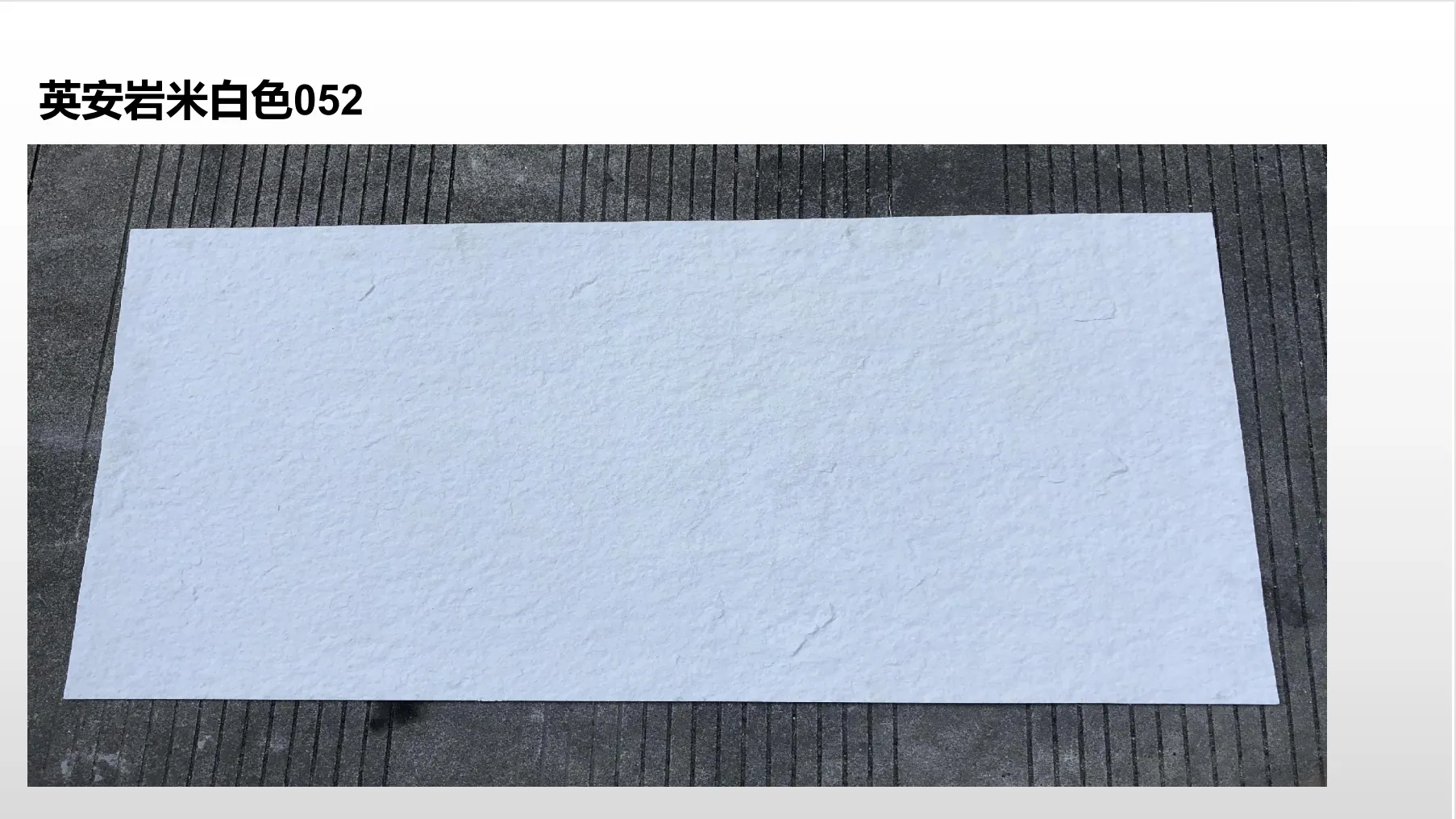
Among the many MCM panel options available, Dacite stands out for its unique blend of ruggedness and refinement. Inspired by the natural dacite stone—a volcanic rock known for its speckled, textured appearance—Dacite MCM panels capture the raw, earthy charm of the original while adding the benefits of modern engineering. To truly appreciate their appeal, look no further than Dacite real photos, which showcase the material's depth and versatility.
Take a close look at Dacite real photos, and you'll notice the subtle variations in tone—warm grays, soft beiges, and hints of terracotta that mimic the way natural dacite weathers over time. The surface texture is another highlight: not too rough, not too smooth, with just enough granularity to catch the light and create visual interest. Whether installed vertically on a commercial facade or horizontally as a feature wall in a residential space, Dacite panels add a layer of sophistication that feels both timeless and contemporary.
What's particularly striking about Dacite MCM panels is how they play with light. In bright sunlight, the surface shimmers slightly, highlighting the flecks of mineral in the composite. On overcast days, the colors deepen, taking on a moodier, more dramatic tone. This dynamic quality is hard to replicate with synthetic materials, but Dacite pulls it off, thanks to its mineral-rich composition. It's a material that feels alive, changing with the environment in the same way natural stone does—without the weight holding it back.
Another advantage of Dacite MCM panels, evident in real photos, is their flexibility. Unlike rigid natural stone slabs, MCM panels can be bent or curved to follow the contours of a building. This means designers aren't limited to flat surfaces; they can create flowing, organic shapes that add movement and energy to a structure. Imagine a museum with a sweeping, curved facade clad in Dacite panels, the texture shifting as you walk around it—that's the kind of innovation lightweight materials make possible.
To put the weight advantage of Dacite MCM panels into perspective, let's compare them directly to some of the most popular natural stones used in architecture. The table below breaks down key metrics: weight per square meter, thickness, installation load, durability, and relative cost. All data is based on industry standards and real-world testing.
| Material | Weight per sqm (kg) | Thickness (mm) | Installation Load (kg/sqm)* | Durability (1-10)** | Relative Cost*** |
|---|---|---|---|---|---|
| Dacite MCM Panel | 10 | 4-6 | 12 (panel + adhesive) | 9 | Moderate |
| Natural Granite (Polished) | 50 | 20-30 | 55 (slab + mortar) | 10 | High |
| Natural Marble (Honed) | 55 | 20-25 | 60 (slab + mortar) | 7 | Very High |
| Natural Travertine (Tumbled) | 45 | 15-20 | 50 (slab + mortar) | 8 | High |
| Fair-Faced Concrete | 24 | 50-100 | 24 (panel) | 8 | Moderate-High |
*Installation load includes the weight of the material plus any adhesives, mortar, or mounting systems.
**Durability rating based on resistance to weather, UV, scratches, and impact.
***Relative cost compared to Dacite MCM panels (Moderate = similar, High = 2-3x higher, Very High = 3x+ higher).
The numbers speak for themselves. Dacite MCM panels weigh just 10 kg per square meter—five times lighter than natural granite and over five times lighter than marble. Even compared to fair-faced concrete, a popular lightweight alternative, Dacite is still 58% lighter. This reduction in weight has a cascading effect on every stage of a project, from design to installation to long-term maintenance.
Consider installation load: the total weight a building's structure must support. For natural granite, this load is 55 kg/sqm, which includes the slab itself plus mortar and mounting hardware. For Dacite MCM panels, the installation load is just 12 kg/sqm—a fraction of the weight. This means architects can design taller, more complex buildings without worrying about overloading the foundation. For renovation projects, it eliminates the need for costly structural reinforcements, making it possible to update older buildings with modern cladding.
Durability is another key factor, and Dacite MCM panels hold their own against natural stone. With a rating of 9/10, they're nearly as durable as granite (10/10) and more durable than marble (7/10). This is because MCM panels are engineered to resist cracking, fading, and water damage—common issues with natural stone. In fact, many MCM panels come with warranties of 15-20 years, ensuring they'll look great for decades to come.
Cost is the final piece of the puzzle. While natural stone can be prohibitively expensive—especially rare varieties like marble interstellar gray or granite portoro—Dacite MCM panels offer a more budget-friendly alternative. With a moderate relative cost, they provide the look of high-end stone without the high-end price tag. When you factor in savings on transportation, installation labor, and structural work, the total cost of using Dacite MCM panels often ends up being 30-50% less than natural stone.
While weight is the headline benefit of Dacite MCM panels, their advantages don't stop there. Let's explore some of the other ways they outshine natural stone and traditional building materials.
Natural stone is rigid, which limits how it can be used. Dacite MCM panels, on the other hand, are flexible and can be cut, bent, or shaped to fit almost any design. Want to create a curved accent wall? No problem. Need custom cutouts for windows or doors? Easy. This flexibility opens up new possibilities for creativity, allowing designers to push the boundaries of what's possible with cladding. For example, the wave panel design—a popular choice for modern facades—would be nearly impossible to achieve with natural stone due to its weight and rigidity. With Dacite MCM panels, it's a breeze.
In an era where sustainability is a top priority, Dacite MCM panels are a greener choice than natural stone. Quarrying natural stone is energy-intensive and destructive to the environment, often leaving behind scars on the landscape. MCM panels, by contrast, use recycled materials in their production and require less energy to manufacture and transport. Their lightweight nature also reduces fuel consumption during shipping, lowering the carbon footprint of a project. For developers aiming for green building certifications like LEED, Dacite MCM panels are a smart choice.
Natural stone requires regular sealing and cleaning to prevent staining and damage. Dacite MCM panels, however, are virtually maintenance-free. Their non-porous surface resists dirt, mold, and mildew, and they can be cleaned with nothing more than soap and water. Unlike natural stone, they won't etch from acidic substances like rainwater or cleaning products, ensuring they look fresh for years with minimal effort. This low maintenance is a huge plus for commercial buildings, where upkeep costs can add up quickly.
Installing natural stone is a labor-intensive process that can slow down construction timelines. Dacite MCM panels, by contrast, are lightweight and easy to handle, meaning a smaller crew can install more material in less time. Many MCM panels come with interlocking systems or adhesive backing, eliminating the need for mortar and reducing installation time by up to 50%. For projects with tight deadlines, this speed can be the difference between on-time completion and costly delays.
To truly understand the impact of Dacite MCM panels, let's look at some real-world projects where they've been used to stunning effect. These examples showcase how lightweight, durable, and versatile MCM panels can transform a space.
In downtown Dubai, a 40-story commercial tower wanted to stand out from the glass-and-steel skyline. The architects chose Dacite MCM panels for the facade, drawn to their earthy, textured appearance and lightweight properties. The panels were installed in a vertical pattern, with alternating shades of gray and beige to mimic the look of natural stone. Because the panels are so light, the tower's structure didn't require additional reinforcement, saving the developers millions in construction costs. Today, the building is a landmark, admired for its warm, organic aesthetic—a stark contrast to the cold, sterile feel of neighboring towers.
A historic townhouse in Barcelona needed a facade update that respected its heritage while adding modern flair. The owners chose Dacite MCM panels in a travertine (starry blue) finish, which complemented the building's original stone accents. Because the panels are thin and flexible, they were installed directly over the existing facade, avoiding the need for demolition. The result? A home that looks both timeless and contemporary, with a facade that's easy to maintain and resistant to the city's salty sea air.
A luxury hotel in Tokyo wanted to create a grand lobby with a focal wall that made a statement. The designers opted for Dacite MCM panels in a polished finish, arranged in a geometric pattern that mimics the look of marble stream stone. The lightweight panels allowed for a large, sweeping wall without adding stress to the building's structure. To enhance the effect, LED lights were installed behind the panels, highlighting their texture and creating a warm, inviting glow. Guests often comment on how the wall feels "alive," changing with the light throughout the day.
An outdoor shopping mall in Sydney needed cladding that could withstand Australia's harsh UV rays and heavy rainfall. Dacite MCM panels were the perfect choice, thanks to their UV resistance and waterproof properties. The panels were used to clad the mall's walkways and storefronts, in a range of earthy tones that blend with the surrounding landscape. Because they're lightweight, the panels were installed quickly, allowing the mall to open on schedule. Today, the cladding still looks brand-new, despite years of exposure to the elements.
Dacite MCM panels represent more than just a new building material—they're a paradigm shift in how we think about architecture. For too long, designers have had to choose between beauty and practicality, between the timeless appeal of natural stone and the functional needs of modern construction. Dacite MCM panels eliminate that choice, offering the best of both worlds: the texture, color, and character of natural stone, with the lightweight, durable, and sustainable properties of modern composites.
Looking at Dacite real photos, it's clear that these panels don't just mimic natural stone—they elevate it. They capture the essence of materials like travertine (starry red), granite portoro, and marble veil white, but with greater consistency, flexibility, and affordability. Whether used in a towering commercial building, a cozy residential renovation, or a bustling public space, Dacite MCM panels bring warmth and personality to architecture, making spaces feel more human and connected to the natural world.
As the construction industry continues to prioritize sustainability, efficiency, and innovation, MCM panels like Dacite will only grow in popularity. They're a testament to what's possible when technology and design collaborate—creating materials that honor the past while embracing the future. So the next time you walk past a building with a stunning stone facade, take a closer look. It might just be Dacite MCM panels, proving that sometimes, the lightest materials make the biggest impact.
Recommend Products












