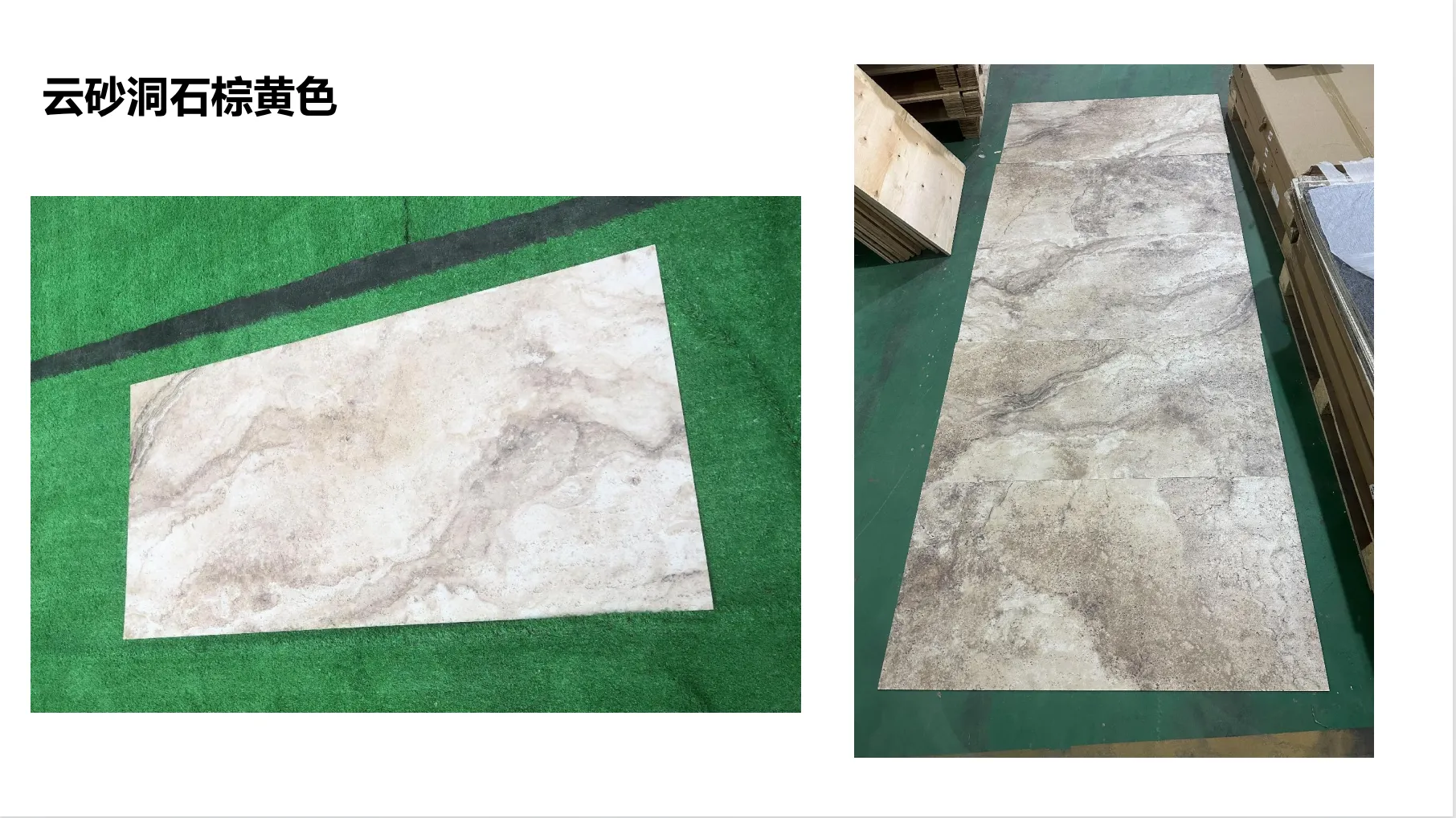
Natural stone has a way of speaking to us—quietly, through textures carved by rain, veins painted by minerals, and colors forged by time. Among these geological storytellers, dark grey dolomitic travertine stands out as a masterpiece of subtlety and strength. Its deep, moody hues and layered surface aren't just aesthetic; they're a diary of the Earth's patient craftsmanship. Whether you've admired it in a sleek modern lobby, a restored heritage building, or even a cozy home, this stone carries more than beauty—it carries millions of years of history. Let's journey into the heart of dark grey dolomitic travertine: how it forms, what makes it unique, and why it continues to captivate architects, designers, and homeowners alike.
The Slow Art of Formation: How Dark Grey Dolomitic Travertine Comes to Life
To understand dark grey dolomitic travertine, we first need to meet its "parent" stone: travertine. Travertine is a type of limestone, born in the company of mineral-rich springs, rivers, and geothermal vents. Imagine a hot spring bubbling up from the Earth, carrying dissolved calcium carbonate—a mineral found in limestone—in its waters. As the water cools or evaporates, that calcium carbonate crystallizes, forming thin, fragile layers. Over centuries, these layers stack, harden, and bond, creating the porous, banded stone we call travertine.
But dark grey dolomitic travertine takes this story a step further. Unlike its more common beige or light grey cousins (think travertine (beige)), this variety undergoes a transformation: it becomes "dolomitic." Dolomitization, the process behind this change, is nature's slow alchemy. After the travertine forms, groundwater rich in magnesium seeps through its pores. Over time, the magnesium ions replace some of the calcium in the stone's calcite crystals, forming dolomite—a mineral that gives the stone greater density and a distinct color shift.
The dark grey hue? That's where impurities and mineral ratios play their part. While pure travertine leans pale (thanks to high calcite content), dark grey dolomitic travertine often contains trace elements like iron, manganese, or organic matter. These tiny guests tint the stone, turning its base palette from cream to charcoal. The result? A stone that looks like it's been brushed with storm clouds—soft, deep, and full of depth.
What's most remarkable is the pace of this creation. A single centimeter of travertine might take decades to form; dolomitization adds even more time. Dark grey dolomitic travertine isn't just stone—it's a living timeline, with each layer recording the temperature of ancient springs, the flow of prehistoric rivers, and the chemistry of the Earth itself.
Breaking It Down: The Composition of Dark Grey Dolomitic Travertine
At its core, dark grey dolomitic travertine is a mix of minerals, each contributing to its strength, texture, and color. Let's break down its "ingredients" and see what makes it tick:
Key Minerals
-
Dolomite (CaMg(CO₃)₂):
The star of the show. Dolomite replaces some calcite during dolomitization, making the stone denser and less porous than regular travertine. It also adds a subtle sparkle under light, thanks to its crystalline structure.
-
Calcite (CaCO₃):
The original building block of travertine. Even after dolomitization, calcite remains a major component, giving the stone its characteristic banding and porosity.
-
Impurities:
Iron oxides might add rusty undertones, while manganese or organic compounds deepen the grey. These "flaws" are actually what make each slab unique—no two pieces of dark grey dolomitic travertine are identical.
To put this in perspective, let's compare dark grey dolomitic travertine to two other popular stones: classic travertine (beige) and marble interstellar gray. This table shows how their compositions shape their traits:
|
Stone Type
|
Primary Minerals
|
Color Driver
|
Porosity
|
Hardness (Mohs Scale)
|
|
Dark Grey Dolomitic Travertine
|
Dolomite (40-60%), Calcite (30-50%), Trace impurities
|
Magnesium (dolomite) + iron/manganese impurities
|
Moderate (less than regular travertine)
|
3.5-4 (slightly harder than regular travertine)
|
|
Travertine (Beige)
|
Calcite (80-90%), Minor dolomite
|
Pure calcite (pale) + minimal impurities
|
High (visible pores)
|
3-3.5
|
|
Marble Interstellar Gray
|
Calcite (95%+), Dolomite (minor), Graphite/serpentine (impurities)
|
Graphite or serpentine inclusions
|
Low (dense, non-porous)
|
3-4
|
Notice the differences? Dark grey dolomitic travertine balances the best of both worlds: the organic texture of travertine and the density of marble. Its moderate porosity means it's more durable than regular travertine but still retains that "lived-in" charm—perfect for spaces that want character without sacrificing longevity.
How Does It Stack Up? Comparing to Similar Stones
With so many natural stones on the market, it's easy to mix them up. Let's see how dark grey dolomitic travertine holds its own against a few close relatives:
vs. Lime Stone (Beige)
Lime stone (beige) is another common sedimentary stone, but it forms in marine environments (think ancient sea beds) rather than from springs. While both are calcium-rich, lime stone (beige) is usually softer, more uniform in color, and less porous. Dark grey dolomitic travertine, by contrast, has bold veining and a rougher texture—better for adding visual interest to walls or floors. If lime stone is a smooth canvas, dark grey dolomitic travertine is a textured tapestry.
MCM flexible stone is a modern innovation: a thin, lightweight composite made from natural stone particles and polymers. It's great for curved surfaces or projects needing flexibility, but it lacks the depth of natural dark grey dolomitic travertine. MCM can mimic texture, but it can't replicate the unique, unrepeatable patterns forged by millions of years of geology. For spaces where authenticity matters—like heritage restorations or high-end homes—natural stone still wins.
Marble interstellar gray is a metamorphic stone, formed when limestone is heated and compressed deep underground. It's dense, non-porous, and prized for its sleek, uniform look. Dark grey dolomitic travertine, by comparison, is more porous and has a rougher, more organic texture. Think of it this way: marble is a polished symphony, while dark grey dolomitic travertine is a jazz improvisation—wild, layered, and full of surprises.
From Quarry to Home: Where Dark Grey Dolomitic Travertine Shines
Dark grey dolomitic travertine isn't just a geological wonder—it's a practical, versatile material. Its blend of durability, texture, and color makes it a favorite in both residential and commercial spaces. Here are some of its most stunning applications:
Interior Design: Warmth in the Shadows
In homes, dark grey dolomitic travertine adds drama without overwhelming. Imagine a living room with a feature wall clad in its layered slabs—each vein telling a story, the dark color grounding the space and making lighter furniture pop. It works equally well for flooring: its natural grip (thanks to slight porosity) makes it safe for high-traffic areas like kitchens or entryways, while its neutral tone pairs with everything from wood accents to bold textiles.
Commercial Spaces: Timeless Elegance
Architects love dark grey dolomitic travertine for its ability to bridge modern and classic styles. A boutique hotel might use it for lobby flooring, where its depth contrasts with minimalist lighting. A museum could clad exterior walls in it, letting the stone's texture echo the building's role as a keeper of history. Even restaurants and cafes use it for countertops—its resistance to heat and stains (with proper sealing) makes it as functional as it is beautiful.
Heritage and Restoration: Honoring the Past
Because it ages so gracefully, dark grey dolomitic travertine is often chosen for restoring old buildings. Its natural patina—developed over years of exposure to air and moisture—blends seamlessly with weathered stone, making repairs look like part of the original structure. It's a way of respecting history while ensuring the building stands for decades to come.
Caring for Your Stone: Maintenance Tips for Longevity
Like any natural material, dark grey dolomitic travertine needs a little love to stay looking its best. Here's how to keep it thriving:
Seal it regularly:
Since it's slightly porous, sealing every 1-2 years (or as recommended by the manufacturer) will protect against stains. Look for a penetrating sealer that won't change the stone's color.
Clean gently:
Avoid acidic cleaners (like vinegar or lemon) or harsh abrasives—they can etch the surface. Stick to pH-neutral soap and warm water, and dry with a soft cloth to prevent water spots.
Wipe spills quickly:
Wine, coffee, or oil can stain if left too long. Blot (don't rub!) spills with a clean cloth, then clean with soap and water.
Embrace the patina:
Over time, the stone might develop a slight sheen or color shift—that's its "character." Unlike synthetic materials, natural stone ages beautifully, so don't stress over minor scratches or changes. They're part of its story.
Think of it like caring for a vintage leather bag: a little attention goes a long way, and the more you use it, the more it feels like a part of your life.
Dark grey dolomitic travertine is more than a building material. It's a bridge between the Earth's past and our present—a reminder that beauty takes time, and the most enduring things are often the ones shaped by patience. Its dark layers hold the memory of ancient springs, its dolomite crystals whisper of mineral-rich waters, and its texture tells a story of slow, steady growth.
Whether you're considering it for a home renovation, a commercial project, or simply admiring it in a public space, take a moment to appreciate its journey. This stone wasn't just "found"—it was forged, layer by layer, by the same forces that shape mountains and carve canyons. In a world of quick fixes and disposable trends, dark grey dolomitic travertine is a testament to the power of time, nature, and the quiet art of persistence.
So here's to the stones that tell stories—and to the spaces they transform. Dark grey dolomitic travertine isn't just stone. It's history you can touch.