
Walk through the cobblestone streets of a historic district, and you'll notice something profound: the buildings don't just exist —they breathe . Their walls, weathered by rain and wind, their stones chipped by the footsteps of generations, carry the weight of stories. But when those walls start to crumble, when time threatens to erase the craftsmanship of the past, restoration becomes an act of love. It's in these moments that material matters most. Enter dark grey dolomitic travertine: a stone that doesn't just repair history, but continues it. With its muted, storm-cloud hue and surface etched by the slow dance of mineral deposits, it's as if the stone itself has been waiting to step into the role of preserving the past. In this article, we'll explore why this unassuming material has become a cornerstone of heritage restoration, how its unique properties make it ideal for bridging old and new, and why, in a world of modern alternatives, natural stone still holds the key to keeping history alive.
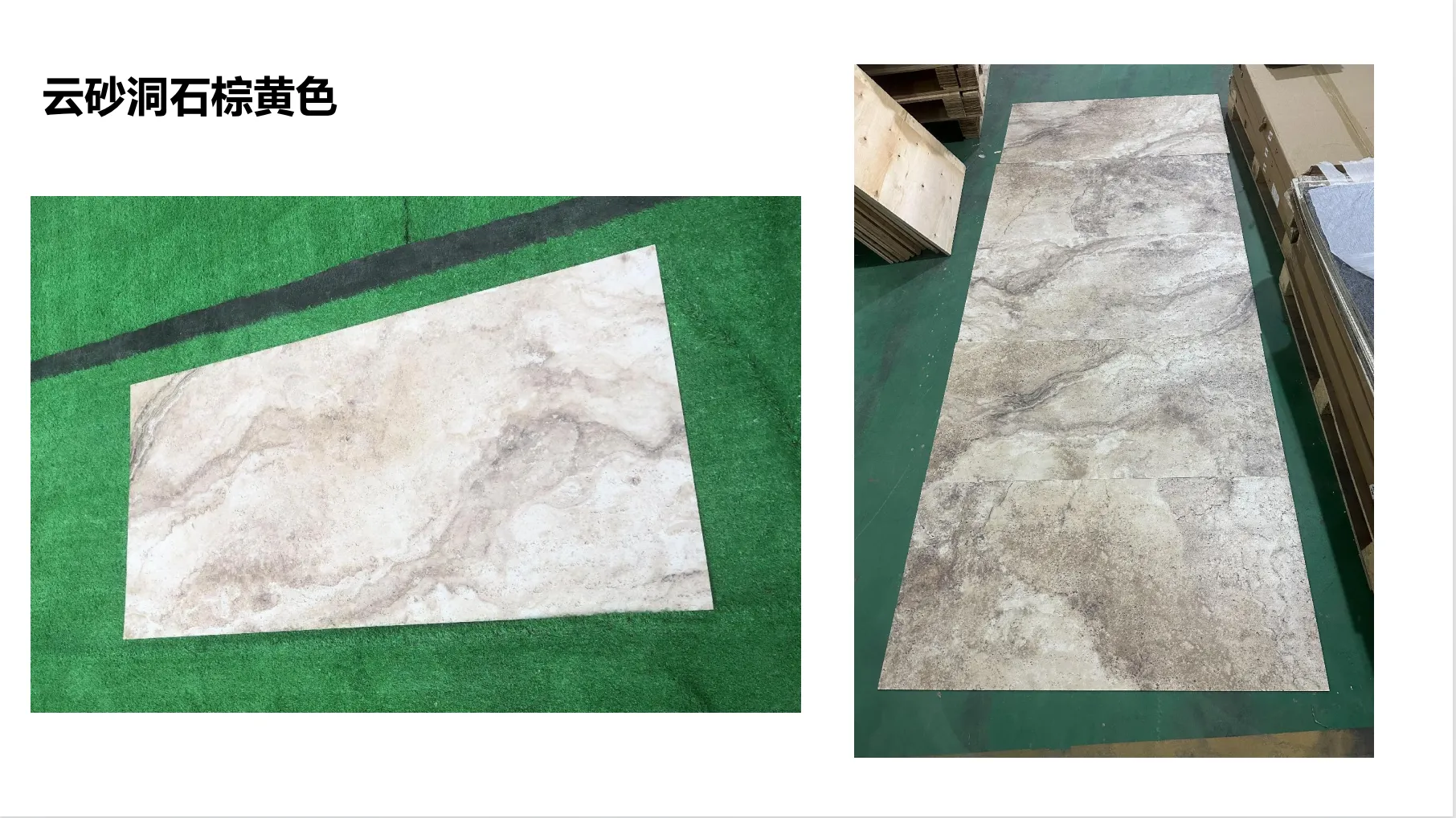
Let's start with the basics: travertine is a form of limestone, born from the slow evaporation of mineral-rich hot springs. Over centuries, calcium carbonate deposits build up, layer upon layer, creating a stone with a porous, often pitted surface that tells the story of its formation. But dark grey dolomitic travertine isn't your average travertine. What sets it apart is its high dolomite content—a mineral composed of calcium magnesium carbonate—that gives it a harder, denser structure than standard travertine. Think of it as travertine's more resilient cousin: still warm and organic, but with a backbone that can stand up to the demands of heritage restoration.
Its color, a deep, smoky grey with undertones of charcoal and ash, is another defining feature. Unlike the creamy beiges or golds of some travertines, dark grey dolomitic travertine exudes a quiet dignity. Run your hand over its surface, and you'll feel the texture of fossilized bubbles (from those ancient hot springs) and subtle veining, where minerals like iron and manganese have left their mark. It's not flashy; it's grounded —a quality that makes it perfect for slipping into the visual narrative of historic buildings without overshadowing their original character.
To truly appreciate it, compare it to its close relative, dolomitic travertine (claybank)—a lighter, more earthy version. While claybank dolomitic travertine shines in sunlit courtyards or modern spaces, dark grey dolomitic travertine thrives in the shadowed nooks of heritage structures: the stone archways of a medieval abbey, the lintels of a Renaissance townhouse, or the foundation walls of a colonial-era mansion. Its color mirrors the patina of aged stone, making it nearly indistinguishable from original materials when expertly installed.
Heritage restoration isn't just about patching up cracks. It's about continuity . When you repair a 18th-century building, you're not just fixing a wall—you're ensuring that the next generation can look at it and see the same structure that inspired poets, leaders, and everyday people decades or centuries ago. That's why conservationists often refer to materials like dark grey dolomitic travertine as "historical pathfinders stone"—they guide us back to the original vision of the builders, while ensuring the structure stands for decades to come.
Historic buildings were almost always constructed with local, natural materials. Stone wasn't just a building block; it was a reflection of the land itself. A castle in Tuscany might use golden travertine quarried from nearby hills; a manor in the English countryside might rely on grey limestone from local quarries. When restoring these structures, using a material that matches the original in color, texture, and even mineral composition isn't just aesthetic—it's ethical. It honors the craftsmanship of the past by speaking the same "material language" the original builders used.
Dark grey dolomitic travertine excels here. Its formation process—slow, natural, and deeply connected to the earth—mirrors the way stone was formed and quarried for historic buildings. Unlike synthetic alternatives, it doesn't introduce foreign elements into the structure. For example, "fair-faced concrete" (a modern material often lauded for its industrial chic) might offer strength, but its uniform, machine-made surface feels jarring next to hand-cut 19th-century stone. Dark grey dolomitic travertine, by contrast, carries the irregularities, the "imperfections," that make historic architecture feel human. Each slab is unique, with its own pattern of pores and veins, just like the original stones it replaces.
Let's talk brass tacks: heritage restoration is a tough job. Old buildings are full of surprises—uneven walls, hidden water damage, structural quirks that modern building codes barely account for. A restoration material needs to be more than just pretty; it needs to be tough , adaptable, and low-maintenance. Dark grey dolomitic travertine checks all these boxes, and then some.
First, durability. Heritage buildings live outdoors, exposed to rain, snow, freeze-thaw cycles, and pollution. A stone that cracks or erodes easily would be a disaster. Thanks to its dolomite content, dark grey dolomitic travertine is more resistant to weathering than standard travertine. It's less porous, too, which means it's less likely to absorb water and suffer from freeze damage. In coastal areas, where salt air can corrode softer stones, this resilience is a game-changer. Imagine a 19th-century lighthouse, battered by ocean winds—using dark grey dolomitic travertine for its cladding ensures that the repairs won't need to be redone in a decade.
Then there's workability. Historic buildings rarely have "standard" dimensions. Stones might be hand-cut to fit specific gaps, with irregular shapes that modern machinery can't replicate. Dark grey dolomitic travertine, while hard, is surprisingly easy to carve and shape. Masons can chisel it to match the exact profile of a worn stone, whether it's a curved window sill or a decorative frieze. Compare that to "MCM flexible stone"—a modern composite that offers flexibility but lacks the depth and authenticity of natural stone. For heritage projects, where every detail must align with the original, the ability to custom-shape the material is invaluable.
Low maintenance is another win. Unlike marble (which stains easily) or granite (which can be dense for historic mortar), dark grey dolomitic travertine requires minimal upkeep. A periodic cleaning with mild soap and water is usually enough to keep it looking fresh. It doesn't need harsh sealants (though some restorers opt for natural stone sealers to enhance durability), and its dark color hides minor stains or discoloration better than lighter stones. For cash-strapped heritage trusts or local governments managing multiple historic sites, this translates to lower long-term costs—a huge plus when budgets are tight.
In the heart of rural England, Blackwood Manor had stood since 1842, its stone facade gradually succumbing to decades of harsh winters and neglect. By 2020, large sections of its west wall were crumbling, with original limestone blocks so eroded they threatened the structure's stability. The restoration team faced a dilemma: replace the damaged stones with a modern material, or find a natural stone that matched the original's color, texture, and durability.
After testing samples of marble, granite, and even "epoch stone" (a synthetic designed to mimic aged stone), they settled on dark grey dolomitic travertine. Why? The original limestone had a similar grey hue, but it was softer and more porous. Dark grey dolomitic travertine offered the same color but with better weather resistance. To ensure a perfect match, masons visited the original quarry (now abandoned) to study the mineral composition of the remaining stone, then sourced dolomitic travertine from a quarry in northern Italy with a similar geological makeup.
The results were stunning. The new stones, hand-chiseled to match the irregular shapes of the originals, blended so seamlessly that even architectural historians struggled to tell where the old ended and the new began. "It's like the manor breathed a sigh of relief," said lead architect Eleanor Hart. "The travertine didn't just repair the wall—it restored its soul." Today, Blackwood Manor stands tall again, with dark grey dolomitic travertine ensuring it will weather another century (or two) of English winters.
To truly understand why dark grey dolomitic travertine is a top choice, let's pit it against other common materials used in heritage restoration. The table below breaks down key factors like durability, aesthetic fit, and maintenance:
| Material | Durability | Aesthetic Fit for Heritage | Maintenance Needs | Best For |
|---|---|---|---|---|
| Dark Grey Dolomitic Travertine | High (resistant to weathering, low porosity) | Excellent (mimics historic stone texture/color, organic irregularities) | Low (occasional cleaning, minimal sealing) | Structural repairs, cladding, decorative elements |
| Fair-Faced Concrete | High (strong, fire-resistant) | Poor (uniform, industrial look clashes with historic aesthetics) | Medium (prone to staining, may require painting) | Modern additions to heritage sites, not original structure repair |
| Marble Series | Low (soft, prone to scratching/staining) | Good (elegant, but often too bright for muted historic palettes) | High (regular sealing, polishing to remove scratches) | Interior decorative elements (floors, fireplaces), not exterior cladding |
| Granite Portoro | Very High (extremely hard, scratch-resistant) | Poor (bold black with gold veins, too modern/flashy for most heritage contexts) | Low (stain-resistant, easy to clean) | Modern buildings, not heritage restoration |
As the table shows, dark grey dolomitic travertine strikes a rare balance: it's durable enough for exterior use, aesthetically harmonious with historic architecture, and easy to care for. It's not the only natural stone option, of course—"lunar peak silvery" or "rustic red travertine" might work for specific color schemes—but for projects where blending in is key, dark grey dolomitic travertine is hard to beat.
In a world obsessed with innovation—with "3D art concrete board" and "foamed aluminium alloy board" promising sleek, modern solutions—it's easy to wonder: does natural stone still have a place in heritage restoration? The answer, unequivocally, is yes. Here's why: natural stone, and dark grey dolomitic travertine in particular, is timeless in a way synthetic materials can never be. It ages gracefully, developing a patina that deepens its connection to the building's history. A synthetic stone might look "old" on day one, but it won't become old—it will always feel like a copy.
What's more, there's a growing movement in heritage conservation toward "sustainable restoration"—using materials that are environmentally friendly and locally sourced. Dark grey dolomitic travertine aligns with this ethos. Quarrying practices have improved dramatically in recent decades, with many quarries now operating with minimal environmental impact. And because natural stone is biodegradable (unlike concrete or metal), it leaves a smaller footprint over the long term. Compare that to "foamed aluminium alloy board (vintage gold)"—a material that requires energy-intensive manufacturing and will end up in a landfill when it's no longer needed. For heritage projects aiming to honor both the past and the planet, dark grey dolomitic travertine is a responsible choice.
Finally, there's the emotional factor. Heritage buildings aren't just structures—they're cultural touchstones. When we restore them, we're not just preserving bricks and stones; we're preserving memories, identities, and a sense of place. Dark grey dolomitic travertine, with its roots in the earth and its connection to ancient geological processes, feels like a partner in this mission. It's not just a material; it's a bridge between the hands that built the original structure and the hands that are repairing it today.
Standing back to admire a restored heritage building, it's easy to overlook the individual stones that make it whole. But for the masons, architects, and conservationists who dedicate their lives to this work, every stone matters. Dark grey dolomitic travertine isn't just a tool in their toolkit; it's a collaborator. It brings strength where there was weakness, beauty where there was decay, and continuity where there was.
In a world that often prioritizes speed and cost over quality and meaning, choosing dark grey dolomitic travertine for heritage restoration is an act of resistance. It says, "This history is worth preserving, and we'll use the best materials to do it." It says, "The past deserves respect, not shortcuts." And as long as there are historic buildings to save, there will be a place for this quiet, resilient stone—working, as it has for centuries, to keep our stories alive.
So the next time you pass a restored castle, a renovated town hall, or a centuries-old church, take a moment to look at the stones. If you see a dark grey surface, etched with the quiet patterns of time, you'll know: that's dark grey dolomitic travertine. And it's not just holding up the wall—it's holding up history.
Recommend Products












