
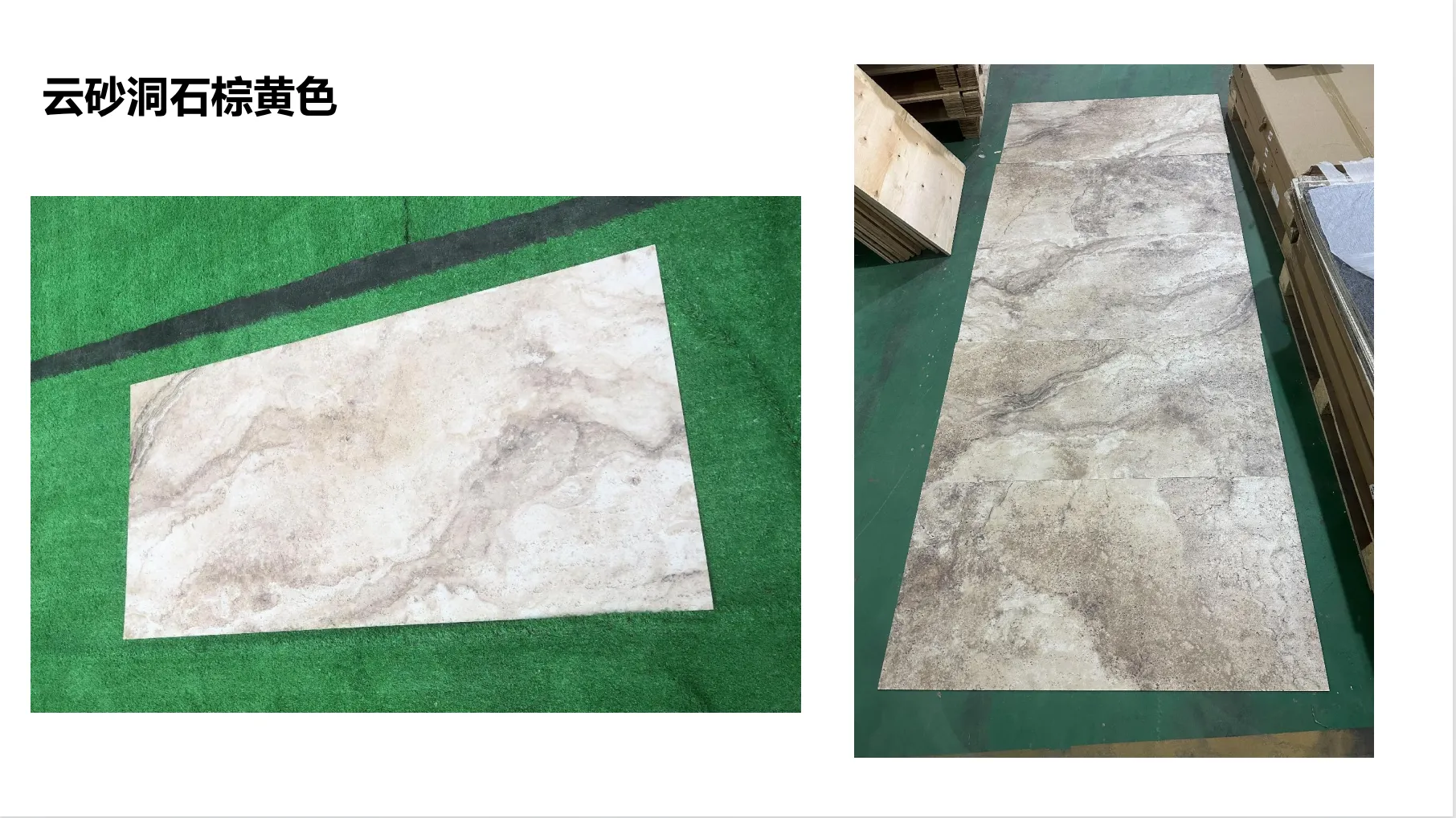
When it comes to large-scale exterior projects—whether it's a sprawling commercial complex, a modern university campus, or a high-end residential development—the choice of cladding material can make or break the final result. Architects and project managers often find themselves juggling competing priorities: durability to withstand the elements, aesthetics that align with the project's vision, ease of installation to meet tight deadlines, and sustainability to align with modern building standards. In recent years, one material has emerged as a standout solution for these challenges: Dark Grey Dolomitic Travertine Big Slabs. Part of the broader MCM big slab board series, these panels offer a rare blend of natural beauty, structural resilience, and practicality that's hard to match. Let's dive into why they're becoming the go-to choice for architects tackling big exterior jobs.
First, let's clear up any confusion: travertine is a type of natural stone formed by the precipitation of calcium carbonate from mineral-rich water, often in hot springs or limestone caves. It's known for its unique porous texture and earthy tones, but dolomitic travertine takes things a step further. Unlike standard travertine, which is primarily calcium carbonate, dolomitic travertine has a higher dolomite content—a mineral that adds extra hardness and resistance to wear. The "dark grey" variant, in particular, is prized for its deep, moody color palette, ranging from charcoal to slate, with subtle veining that mimics the look of weathered rock or storm clouds. It's a stone that feels both timeless and contemporary, making it versatile enough for everything from industrial-chic designs to minimalist modernism.
But what truly sets Dark Grey Dolomitic Travertine apart in large-scale projects is its availability in big slab form. Traditionally, natural stone cladding has been limited to smaller tiles or panels, which can create a fragmented look on large surfaces. Big slabs, however—often measuring 1200x2400mm or larger—offer a seamless, monolithic appearance that elevates the visual impact of any exterior. This is where the MCM big slab board series comes into play: by engineering these natural stone slabs to be lightweight, durable, and easy to handle, MCM has solved many of the logistical headaches that once made large-format stone cladding impractical.
For exterior projects, durability isn't just a nice-to-have—it's a necessity. Dark Grey Dolomitic Travertine Big Slabs are built to last, even in harsh climates. The dolomite content makes them more resistant to scratches, stains, and chemical erosion than standard travertine, while their density helps them stand up to heavy rain, snow, and UV exposure without fading or deteriorating. Imagine a coastal hotel in a region prone to saltwater spray: traditional stone might corrode over time, but these slabs hold their ground, maintaining their deep grey hue and structural integrity for decades. That's the kind of longevity project managers dream of—fewer repairs, lower maintenance costs, and a building that looks as good in 20 years as it did on day one.
Let's talk about the "wow" factor. Large-scale exteriors need to command attention, and Dark Grey Dolomitic Travertine delivers in spades. The big slabs create a sense of grandeur—think of a corporate headquarters with a facade that stretches stories high, its surface uninterrupted by unsightly grout lines. The dark grey color adds depth and sophistication, playing with light in fascinating ways: in direct sunlight, it glows with subtle metallic undertones; on overcast days, it takes on a moody, dramatic vibe; at night, when lit from below, it transforms into a canvas of shadow and texture. Unlike synthetic materials that can look flat or artificial, this travertine has a organic quality—no two slabs are exactly alike, thanks to natural variations in veining and porosity. It's a material that feels alive, evolving with the environment around it.
And because it's part of the MCM big slab board series, architects aren't limited to just dark grey. The series includes a range of finishes and colors, but there's something about the dark grey dolomitic variant that pairs especially well with other materials. Imagine it alongside warm wood accents, sleek glass, or even flexible stone cladding panels in complementary tones—the contrast creates visual interest without overwhelming the eye. It's a chameleon in the best way, adapting to the project's design language rather than dictating it.
Anyone who's worked on a large-scale construction project knows: time is money. Delays in installation can throw off budgets, push back opening dates, and create a domino effect of problems. That's why the ease of installing Dark Grey Dolomitic Travertine Big Slabs is such a game-changer. Thanks to MCM's engineering, these slabs are lighter than traditional natural stone panels—often weighing 30-40% less—without sacrificing strength. This makes them easier to transport, lift, and maneuver on-site, reducing the need for heavy machinery and specialized labor.
The big slab format also cuts down on installation time. With fewer panels to handle and fewer seams to seal, a crew can cover more surface area in a day compared to using small tiles. One project manager I spoke with recently put it this way: "We used to spend weeks cladding a mid-rise building with standard stone tiles. With these big slabs? We wrapped up the exterior in half the time, and the finish was cleaner too—no more uneven grout lines or mismatched colors." For tight deadlines, that kind of efficiency is invaluable.
Sustainability isn't just a trend anymore—it's a requirement for many projects, driven by both regulations and client demand. Dark Grey Dolomitic Travertine Big Slabs check that box, too. As a natural stone, it's inherently eco-friendly: no harmful chemicals are used in its extraction or processing, and it's fully recyclable at the end of its life. MCM takes it a step further by sourcing the stone from quarries with responsible mining practices, ensuring minimal impact on local ecosystems. Additionally, the durability of the material means less frequent replacement, reducing the carbon footprint associated with manufacturing and transporting new cladding over time.
Compare that to some synthetic alternatives, which rely on plastics or high-energy production processes, and it's clear why sustainability-focused architects are leaning into natural stone solutions like this one. It's a material that aligns with the "build once, build well" philosophy—good for the planet, good for the project's green credentials, and good for long-term value.
The MCM big slab board series is all about reimagining what's possible with architectural cladding. Traditional big slabs often suffer from two issues: they're either too heavy and fragile (like natural granite) or too artificial-looking (like some engineered composites). MCM's approach? Combine the best of natural materials with modern engineering to create slabs that are strong, lightweight, and visually stunning. Dark Grey Dolomitic Travertine is a star player in this series, embodying that balance perfectly.
What makes the series unique is its focus on "architectural big slab solutions"—products designed specifically for large-scale applications where size, performance, and aesthetics matter most. Whether it's a shopping mall, a hospital, or a cultural center, these slabs are engineered to meet the unique demands of big exteriors. They're tested for wind resistance, thermal expansion, and impact, ensuring they can handle whatever the environment throws at them. And because they're part of a broader series, architects can mix and match: pair Dark Grey Dolomitic Travertine with other MCM big slabs, like Lunar Peak Black or Stream Limestone (Dark Grey), to create custom facades that tell a story.
To truly appreciate Dark Grey Dolomitic Travertine Big Slabs, it helps to see how they compare to other popular exterior cladding options. Let's take a look at two common alternatives: fair-faced concrete and flexible stone cladding panels.
| Material | Durability | Weight (per sq ft) | Aesthetic Range | Installation Time | Sustainability |
|---|---|---|---|---|---|
| Dark Grey Dolomitic Travertine Big Slabs | High (resistant to weather, UV, scratches) | 8-10 lbs (lighter than traditional stone) | Natural, organic textures; deep grey with unique veining | Fast (fewer panels, lighter weight) | High (natural stone, recyclable, responsible sourcing) |
| Fair-Faced Concrete | High (durable but prone to cracking over time) | 15-20 lbs (heavier) | Industrial, uniform; limited color options | Slow (requires formwork, curing time) | Moderate (high carbon footprint in production) |
| Flexible Stone Cladding Panels | Moderate (less resistant to heavy impact) | 4-6 lbs (very lightweight) | Varied (mimics stone, wood, metal) | Very fast (lightweight, easy to cut) | Moderate (synthetic components may limit recyclability) |
As the table shows, Dark Grey Dolomitic Travertine Big Slabs strike a balance that's hard to beat. They offer the durability of concrete without the weight or uniformity, and the natural beauty of stone without the fragility of traditional panels. Flexible stone cladding panels are lighter, but they can't match the longevity or organic look of real travertine. For projects where both performance and aesthetics are non-negotiable, it's a clear front-runner.
Let's ground this in real examples. One recent project that stands out is a tech campus in Austin, Texas, where the design team wanted to create a facade that felt both innovative and connected to the natural landscape. They chose Dark Grey Dolomitic Travertine Big Slabs for the main administrative building, pairing them with floor-to-ceiling glass and warm wooden accents. The result? A structure that looks sleek and modern but still feels rooted in the earthy tones of the Texas Hill Country. The slabs' ability to withstand the region's hot summers and occasional hailstorms was a key selling point, as was the speed of installation—allowing the campus to open ahead of schedule.
Another example is a luxury hotel in Dubai, where the exterior needed to exude sophistication while standing up to the harsh desert climate. The architects opted for Dark Grey Dolomitic Travertine Big Slabs in a honed finish, which reflects sunlight to keep the building cool and reduces glare. The dark color also complements the hotel's gold accents and marble interiors, creating a cohesive look from outside in. Guests often comment on the "timeless elegance" of the facade, noting how the stone seems to change color with the desert's shifting light.
Even in colder climates, these slabs perform. A university in Canada used them to clad a new science building,.",,".",——,,."
At this point, you might be wondering: why focus so much on "big slabs"? Can't smaller stone tiles achieve a similar look? The answer lies in the scale of large exterior projects. When you're cladding a building that's 10 stories high or spans an entire city block, small tiles create a busy, fragmented appearance. They also require more grout, which can become a weak point over time—cracking, collecting dirt, or allowing water to seep in. Big slabs eliminate these issues, creating a smooth, uninterrupted surface that reads as one cohesive element.
Size also matters for impact. In architecture, scale is everything. A big slab facade makes a bold statement, signaling confidence and permanence. It's why so many iconic buildings—from ancient temples to modern museums—use large stone panels. Dark Grey Dolomitic Travertine Big Slabs carry that same sense of gravitas, but with the added benefits of modern engineering. They're not just big; they're smart big—designed to work with the demands of contemporary construction.
For anyone involved in large-scale exterior projects—architects, project managers, developers—Dark Grey Dolomitic Travertine Big Slabs offer a compelling proposition. They deliver on durability, aesthetics, installation efficiency, and sustainability, all while being part of the trusted MCM big slab board series. In a market flooded with generic cladding options, they stand out as a material with character—a material that tells a story.
Whether you're designing a commercial complex, a cultural institution, or a luxury residential development, these slabs invite you to think bigger—literally and figuratively. They challenge the idea that you have to compromise on beauty to get practicality, or on sustainability to get durability. Instead, they offer a rare win-win: a material that works as hard as your team does, and looks stunning while doing it.
So the next time you're planning a large-scale exterior project, ask yourself: what kind of first impression do you want to make? If it's one of timeless elegance, structural resilience, and forward-thinking design, Dark Grey Dolomitic Travertine Big Slabs might just be the answer. After all, great architecture isn't just about building structures—it's about building legacies. And with a material this strong, beautiful, and versatile, that legacy is sure to stand the test of time.
Recommend Products












