
Walk into any commercial building—whether it's a bustling shopping mall, a sleek office tower, or a luxury hotel—and you're surrounded by decisions. Architects choose materials that balance aesthetics, durability, and functionality, but there's one factor that trumps all: safety. When it comes to fire safety, the stakes couldn't be higher. A single spark can escalate into a catastrophe, endangering lives and livelihoods. That's why building materials with proven fire resistance aren't just a preference—they're a necessity. Today, we're zeroing in on a material that's making waves in commercial construction: dark grey dolomitic travertine. Beyond its striking, earthy elegance, this stone boasts impressive fire-resistant properties that set it apart in the industry. Let's dive into what makes it a standout choice, how it performs under fire safety standards, and why it's becoming a go-to for developers prioritizing both protection and style.
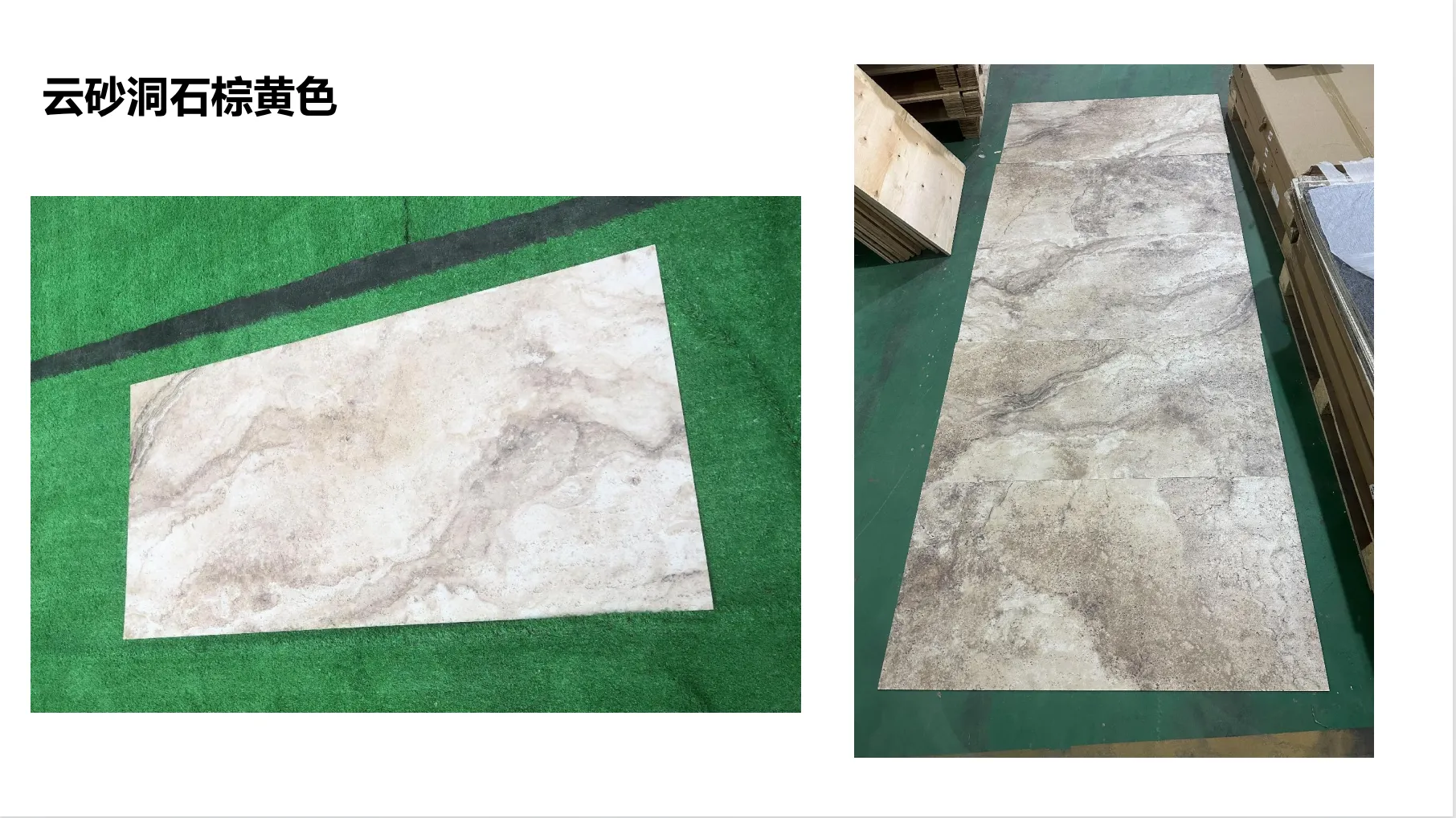
First things first: let's demystify the name. Travertine is a type of limestone formed by mineral-rich water flowing through hot springs or caves, creating layers of sediment that harden over centuries. Dolomitic travertine takes this a step further—it's infused with dolomite, a mineral composed of calcium magnesium carbonate, which gives it extra strength and unique characteristics. Dark grey dolomitic travertine, in particular, stands out for its deep, moody hue, with subtle veining that adds depth and texture. Think of it as nature's armor: tough, resilient, and surprisingly versatile.
Unlike synthetic materials that rely on chemical additives for fire resistance, dark grey dolomitic travertine's protective qualities are baked into its very composition. Its dense, crystalline structure and low organic content mean it doesn't ignite, melt, or release toxic fumes when exposed to high heat. That's a game-changer in commercial settings, where fire spread and smoke inhalation are leading causes of injury during emergencies. But just how fire-resistant is it? Let's break down the science.
Fire resistance in building materials is measured by two key factors: non-combustibility and fire endurance . Non-combustible materials don't catch fire or contribute to flame spread, while fire endurance refers to how long a material can maintain its structural integrity and insulate against heat during a fire. Dark grey dolomitic travertine excels in both.
Thanks to its mineral composition—primarily calcium carbonate, magnesium carbonate, and trace minerals—it's classified as a non-combustible material under international standards like ASTM E136. That means when exposed to open flame, it won't ignite, drip, or release flammable gases. Instead, it chars minimally (if at all) and retains its shape, acting as a barrier that slows the spread of fire. Its low thermal conductivity is another plus: heat doesn't pass through it quickly, which helps contain fires to their origin and protects adjacent spaces.
But don't just take our word for it. Let's look at how it stacks up against other popular commercial building materials. The table below compares dark grey dolomitic travertine with three alternatives: foamed aluminium alloy board (vintage silver), fair-faced concrete, and lunar peak black—all known for their durability and aesthetic appeal.
| Material | Fire Resistance Rating (ASTM E119) | Key Fire-Resistant Properties | Best For |
|---|---|---|---|
| Dark Grey Dolomitic Travertine | 2+ hours (UL Class A) | Non-combustible, low thermal conductivity, no toxic fume release | Facades, flooring, interior walls in high-traffic areas |
| Foamed Aluminium Alloy Board (Vintage Silver) | 1–1.5 hours (UL Class A) | Lightweight, heat-resistant core, non-toxic when heated | Accent panels, ceiling features, retrofitting projects |
| Fair-Faced Concrete | 2–4 hours (UL Class A) | High thermal mass, slow heat transfer, structural stability under fire | Load-bearing walls, industrial-style interiors |
| Lunar Peak Black | 1.5–2 hours (UL Class A) | Dense stone composition, minimal smoke emission, scratch-resistant | Modern exteriors, statement walls, luxury retail spaces |
*Ratings based on standard thickness (2–3 inches) and typical installation methods. Always verify with manufacturer data for project-specific requirements.
When architects and developers evaluate fire resistance, they rely on standardized tests to ensure consistency. For dark grey dolomitic travertine, the most critical certification is the ASTM E119 rating, which measures a material's ability to withstand fire exposure while maintaining structural integrity and preventing the spread of heat and flames. A "2+ hour" rating, like the one dolomitic travertine often achieves, means it can resist fire for over two hours—a significant window for evacuation and emergency response.
Another key standard is the UL Class A fire rating, which assesses flame spread and smoke development. Class A materials have a flame spread index (FSI) of 0–25 and a smoke developed index (SDI) of 0–450, indicating minimal fire growth and low smoke production. Dark grey dolomitic travertine consistently meets this benchmark, making it compliant with building codes in most regions, including strict jurisdictions like California (Title 24) and the EU (EN 13501-1).
But ratings aren't just numbers on a sheet. They translate to real-world protection. Imagine a busy airport terminal: if a fire starts in a concessions area, the walls and flooring made of dark grey dolomitic travertine would slow the fire's spread, giving passengers and staff time to evacuate. The stone wouldn't release toxic gases, which are responsible for 75% of fire-related deaths, according to the National Fire Protection Association (NFPA). That's peace of mind you can't put a price on.
Fire resistance is only part of the story—dark grey dolomitic travertine's versatility makes it a star in commercial design. Let's walk through some of its most common applications:
Commercial building facades are exposed to the elements, but they also play a critical role in fire safety. Dark grey dolomitic travertine cladding acts as a protective shell, shielding the building's interior from external fires (like nearby wildfires or adjacent structure fires) and preventing internal fires from spreading outward. Its natural texture adds visual interest, too—think of a boutique hotel with a facade that looks like a weathered mountain face, blending durability with organic beauty.
Hallways, lobbies, and stairwells in office buildings or convention centers see thousands of footsteps daily. Dark grey dolomitic travertine flooring isn't just scratch-resistant and easy to clean—it's also fire-safe. In the event of a fire, it won't melt or become slippery, ensuring evacuation routes remain passable. Plus, its neutral tone pairs seamlessly with modern decor, from minimalist lobbies to industrial-chic coworking spaces.
Feature walls in restaurants, retail stores, or hotel lobbies often serve as focal points, but they need to meet fire codes. Dark grey dolomitic travertine panels add depth and sophistication without compromising safety. Imagine a high-end steakhouse with a wall of dark grey stone behind the bar—warm lighting highlights its veining, creating an inviting ambiance, while its fire resistance ensures compliance with local regulations.
Emergency exits are lifelines during a fire, so their materials must be rigorously tested. Dark grey dolomitic travertine's 2+ hour fire rating makes it ideal for stairwell walls and landings. Unlike wood or synthetic panels, it won't degrade quickly under heat, keeping exit routes intact when they're needed most.
Fire resistance is a standout feature, but dark grey dolomitic travertine brings more to the table. Let's explore why developers and architects are choosing it even beyond safety:
In an era of eco-conscious construction, "green building materials" are no longer a trend—they're a requirement. Dark grey dolomitic travertine checks this box with flying colors. It's a natural stone, quarried from the earth without harmful chemicals, and its production has a lower carbon footprint than synthetic alternatives like vinyl or fiber cement. Plus, it's recyclable at the end of its life, making it a circular choice for LEED or BREEAM-certified projects.
Commercial buildings need materials that can handle wear and tear, and dolomitic travertine delivers. Its dense structure resists scratches, stains, and water damage, making it suitable for humid environments like indoor pools or coastal buildings. Unlike Foamed Aluminium Alloy Board (vintage silver), which can dent under heavy impact, travertine holds up to daily use, reducing maintenance costs over time.
Let's not overlook the "wow" factor. Dark grey dolomitic travertine's rich, moody color and natural veining add warmth and character to spaces. It pairs beautifully with other materials: imagine it alongside fair-faced concrete for an industrial vibe, or with Lunar Peak Black accents for a sleek, monochromatic look. Designers love it because it's versatile—whether you're going for rustic charm or contemporary elegance, this stone adapts.
No material is perfect, and dark grey dolomitic travertine is no exception. Let's address the practical side of choosing it for your project:
Natural stone is heavier than lightweight alternatives like foamed aluminium, so installation requires careful planning. Contractors need to ensure structural support (especially for vertical applications like facades) and use proper adhesives (like epoxy mortar) to prevent shifting. Working with experienced installers familiar with travertine is key—cutting corners here can compromise both safety and aesthetics.
Dark grey dolomitic travertine is pricier upfront than materials like fair-faced concrete or vinyl siding, but it's an investment that pays off. Its durability means fewer replacements over time, and its fire resistance can lower insurance premiums for commercial properties. Plus, its timeless look retains value, making it a smart choice for developers focused on long-term ROI.
Travertine is porous, so it needs sealing every 1–2 years to prevent stains (think coffee spills in a cafeteria or oil drips in a kitchen). Regular sweeping and mopping with a pH-neutral cleaner keep it looking fresh. Compared to high-maintenance materials like marble, though, it's relatively low-effort—another reason it's popular in busy commercial settings.
We talked to Maria Gonzalez, a senior architect at a leading commercial firm specializing in hospitality projects, to get her take. "Fire safety is non-negotiable, but clients also want spaces that feel welcoming," she says. "Dark grey dolomitic travertine lets me check both boxes. On a recent hotel project in Chicago, we used it for the lobby walls and staircase—guests comment on how 'grounded' the space feels, and I sleep better knowing it meets the strictest fire codes."
John Chen, a fire safety consultant with 20 years in the industry, adds, "I often recommend dolomitic travertine to clients in high-risk zones, like urban areas with dense building clusters. Its 2+ hour fire rating gives emergency responders critical time to act, and its non-toxic properties reduce the risk of secondary harm. It's not just a material—it's a safety net."
When it comes to commercial building materials, dark grey dolomitic travertine isn't just a trend—it's a solution. Its exceptional fire resistance, backed by rigorous safety ratings, makes it a leader in protecting lives and property. But it doesn't stop there: its durability, sustainability, and timeless beauty make it a favorite among designers and developers who refuse to compromise on style or substance.
As commercial construction evolves to prioritize both safety and sustainability, materials like dark grey dolomitic travertine will only grow in importance. Whether you're building a skyscraper, a boutique retail space, or a healthcare facility, choosing a material that delivers on fire resistance, aesthetics, and long-term value is a decision that resonates for decades. After all, in the world of commercial construction, the best materials don't just build buildings—they build trust.
Recommend Products












