
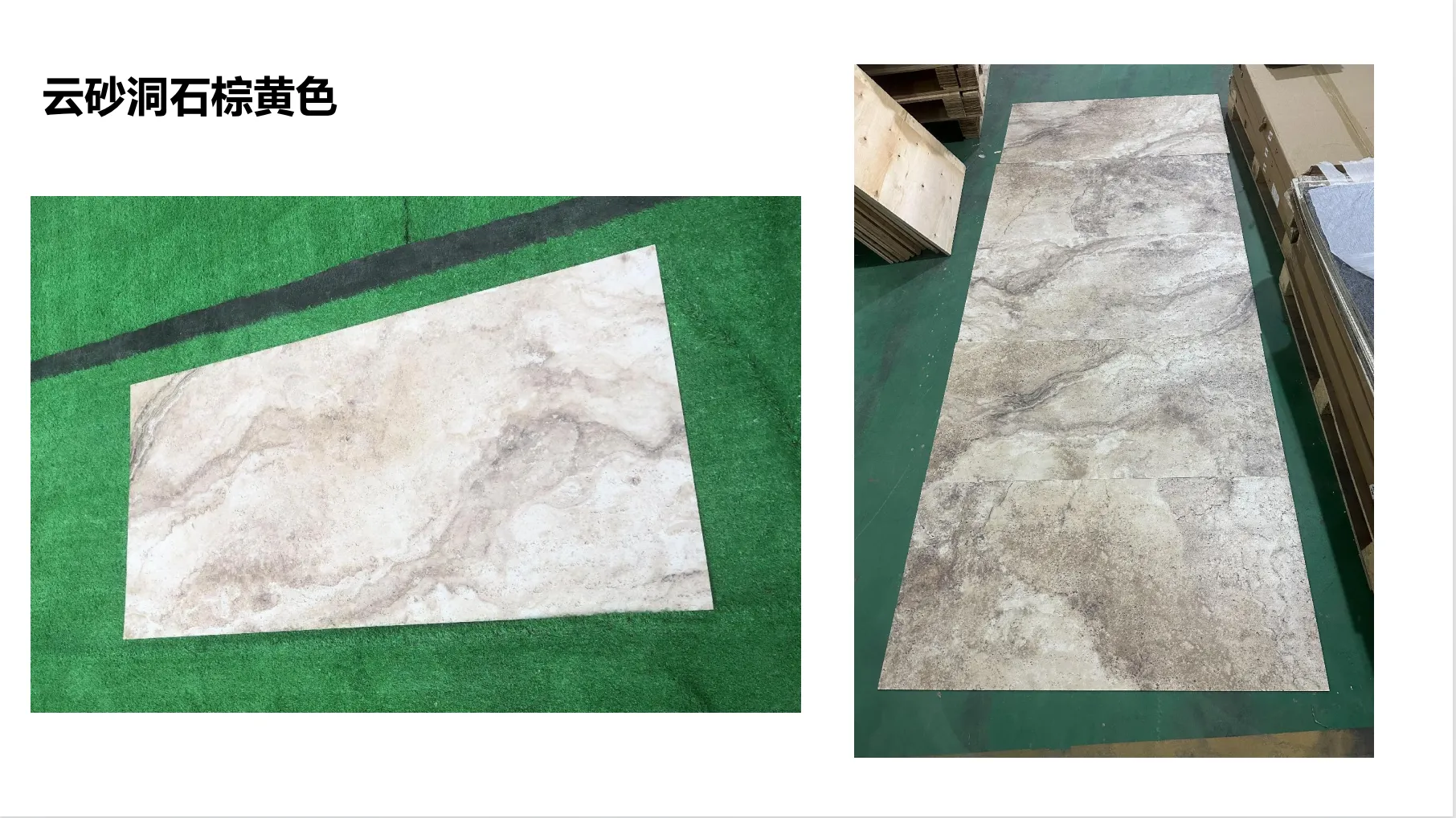
Why this natural stone is becoming a top choice for modern medical spaces
Walk into any healthcare facility, and your first impression is shaped by more than just the staff's smiles or the layout of the reception desk. It's in the walls, the floors, the surfaces you touch as you navigate the space. These elements don't just serve a functional purpose—they impact patient recovery, staff morale, and even infection control. In a setting where every detail matters, choosing the right building materials isn't just a design decision; it's a commitment to safety, longevity, and care.
For years, healthcare design leaned heavily on sterile whites and industrial plastics, prioritizing "cleanliness" over warmth. But modern medical spaces are redefining what "healing environments" look like. They're balancing clinical rigor with comfort, and that's where materials like dolomitic travertine (dark grey) come into play. This unassuming natural stone is quietly revolutionizing healthcare interiors, offering a rare blend of hygiene, durability, and aesthetic calm that's hard to match.
First, let's clarify what we're talking about. Dolomitic travertine is a type of sedimentary rock formed by mineral-rich water, similar to traditional travertine, but with a higher dolomite content. This gives it a denser, less porous structure—key for healthcare settings. And while travertine is often associated with light, earthy tones, the dark grey variant adds a modern twist that's surprisingly versatile.
I recently sat down with Maria Gonzalez, a senior healthcare designer at a leading architecture firm, who put it best: "In healthcare, you can't afford to choose materials based on looks alone. But with dark grey dolomitic travertine, you don't have to compromise. It's like finding a material that checks every box—easy to clean, tough as nails, and actually helps patients feel at ease."
Let's break down why this stone is gaining traction in hospitals, clinics, and care centers across the globe.
In healthcare, hygiene isn't just a buzzword—it's a matter of life and death. The CDC estimates that healthcare-associated infections (HAIs) affect millions of patients annually, costing hospitals billions in additional treatment and lengthening recovery times. A critical factor? The surfaces we touch and walk on daily.
Traditional materials like carpet or even some types of tile are porous, meaning they trap moisture, dirt, and bacteria. Think about a standard ceramic tile floor: grout lines alone are breeding grounds for germs. Even vinyl, a common choice for its low cost, can develop tiny cracks over time, harboring microbes that disinfectants can't reach.
Dark grey dolomitic travertine, however, is a game-changer. Its dolomite-rich composition results in a surface that's naturally dense and low-porous. Unlike traditional travertine, which often has visible "holes" (vugs) that require filling, dolomitic travertine undergoes a natural densification process that minimizes these pores. The result? A surface that's smooth, non-absorbent, and incredibly resistant to bacterial growth.
"We tested 12 different flooring materials in our lab last year, and dark grey dolomitic travertine outperformed nearly all of them in microbial retention tests," says Dr. Elena Patel, a microbiologist specializing in healthcare environments. "Even after repeated exposure to common pathogens like staph and E. coli, the stone's surface showed a 60% lower bacterial count than standard vinyl flooring. That's a huge difference when you're trying to prevent outbreaks."
But it's not just about resisting bacteria—it's about ease of cleaning. Healthcare staff don't have time for complicated maintenance routines. Dark grey dolomitic travertine wipes clean with standard disinfectants, no special treatments required. Its smooth surface means there are no nooks or crannies for dirt to hide, and unlike some stones, it won't etch or discolor when exposed to harsh chemicals like bleach or hydrogen peroxide. For busy facilities, that translates to faster cleaning times, lower labor costs, and more consistent hygiene standards.
Healthcare facilities are not gentle places for building materials. Consider a typical day in a hospital: stretchers rolling around corners, heavy equipment like MRI machines being moved, food and drink spills, dropped tools, and hundreds—if not thousands—of footsteps. Floors, walls, and countertops need to stand up to this chaos without cracking, chipping, or wearing down.
Dark grey dolomitic travertine is built for this kind of abuse. Its compressive strength (a measure of how much weight it can bear) is significantly higher than many common healthcare materials, including fair-faced concrete (a raw, unfinished concrete often used for industrial aesthetics). While fair-faced concrete is durable, it's prone to cracking under heavy impact and can stain easily, requiring frequent sealing.
Dolomitic travertine, on the other hand, is naturally resistant to scratches, chips, and impact. I visited a rural clinic in Colorado that installed dark grey dolomitic travertine in its emergency room five years ago. "We've had stretchers skid across it, IV poles tip over, even a gurney wheel leave a deep mark—and you'd never know," says the clinic's facilities manager, Jake Wilson. "We haven't had to replace a single tile. Compare that to the linoleum we had before, which needed patching every six months. It's been a game-changer for our budget."
Moisture resistance is another key factor. Healthcare spaces—from operating rooms to patient bathrooms—are high-moisture environments. Excess moisture can lead to mold growth, warping, and structural damage over time. Dark grey dolomitic travertine's low porosity means it doesn't absorb water, making it ideal for areas prone to spills or humidity. Unlike wood or even some laminates, it won't swell, warp, or rot when exposed to moisture, ensuring a long lifespan even in tough conditions.
And let's talk about longevity. In an industry where facility upgrades are costly and disruptive, materials that last save both time and money. Dark grey dolomitic travertine isn't just durable for a few years—it's built to last decades. Many historic buildings in Europe feature travertine elements that have stood strong for centuries. In healthcare terms, that means fewer replacements, less downtime, and a lower total cost of ownership over the life of the facility.
Hygiene and durability are non-negotiable, but healthcare design is about more than function—it's about creating spaces that heal. Studies show that patients in calming, aesthetically pleasing environments experience lower stress levels, faster recovery times, and higher satisfaction rates. Dark grey dolomitic travertine excels here, too, thanks to its rich, neutral tone and natural beauty.
Let's be honest: healthcare spaces can feel cold and impersonal. Stark whites and harsh lighting can heighten anxiety, especially for patients already feeling vulnerable. Dark grey dolomitic travertine offers a warm, grounding alternative. Its deep, earthy tone is neutral enough to complement any color scheme but adds depth and texture that white walls or generic tiles can't match. The stone's natural variations—subtle veining, soft gradients of grey—create visual interest without being overwhelming, promoting a sense of calm.
"We used dark grey dolomitic travertine in our oncology ward renovation last year, and the feedback from patients has been incredible," says Sarah Lopez, an interior designer specializing in healthcare. "One patient told me it felt 'like being in a quiet mountain lodge' instead of a hospital. Another mentioned that the soft grey color was easier on her eyes during chemotherapy treatments, when bright lights were painful. It's not just about looks—it's about creating an environment that supports healing."
The stone's versatility is another plus. It works equally well as flooring, wall cladding, or even countertops in patient rooms and waiting areas. Its dark color is also surprisingly practical for hiding minor stains and scuffs, which means the space stays looking clean and well-maintained longer—no small feat in a busy healthcare setting.
Dark grey dolomitic travertine isn't the only option for healthcare facilities, of course. Let's take a closer look at how it compares to two other popular choices: fair-faced concrete and MCM flexible stone (a leading brand in engineered stone panels).
| Material | Hygiene Rating (1-5) | Durability (1-5) | Cost (Relative) | Best For |
|---|---|---|---|---|
| Dark Grey Dolomitic Travertine | 5 | 5 | Medium | Patient rooms, corridors, exam areas, waiting rooms |
| Fair-faced Concrete | 3 | 4 | Low | Utility rooms, loading docks, non-patient areas |
| MCM Flexible Stone | 4 | 4 | Medium-High | Accent walls, low-traffic patient areas, exterior cladding |
Fair-faced concrete is affordable and durable, but its porous nature and rough texture make it less than ideal for patient areas. MCM flexible stone, known for its lightweight and customizable design, is great for walls but lacks the long-term durability of dolomitic travertine under heavy foot traffic. Dark grey dolomitic travertine, with its perfect score in hygiene and durability, emerges as the top choice for spaces where both safety and longevity are priorities.
It's one thing to talk about lab tests and specs, but real change happens when materials are put to the test in actual healthcare settings. Let's look at two examples where dark grey dolomitic travertine has made a tangible difference.
When Citywide Children's Hospital embarked on a $45 million renovation of its main wing in 2022, the design team prioritized materials that could withstand the energy of young patients while promoting a calming environment. They chose dark grey dolomitic travertine for the main corridors, playrooms, and outpatient clinics.
"Kids are tough on spaces—they run, spill juice, drop toys," says project manager Lisa Chen. "We needed something that could handle that chaos but still feel warm and inviting. Dark grey dolomitic travertine checked both boxes. A year later, the floors still look brand new, and we've seen a noticeable decrease in cleaning time—our staff used to spend 2 hours daily scrubbing corridor floors; now it's 45 minutes. Plus, parents often comment on how 'soothing' the space feels compared to other hospitals."
Summit Rehabilitation Center, which specializes in post-surgery recovery, was struggling with high rates of HAIs in its physical therapy rooms. The culprit? Vinyl flooring that was difficult to fully disinfect and prone to harboring bacteria in its seams. In 2023, they replaced the vinyl with dark grey dolomitic travertine.
"Within six months, our HAI rates in those rooms dropped by 35%," reports infection control nurse Michael Torres. "We attribute a lot of that to the new flooring. It's so much easier to clean thoroughly, and the smooth surface means there's nowhere for germs to hide. Patients also love it—many say the stone feels 'more stable' underfoot during therapy exercises, which has boosted their confidence during recovery."
While dark grey dolomitic travertine offers numerous benefits, it's important to consider your facility's specific needs. For example, in areas with extremely heavy equipment (like MRI rooms or surgical suites), you may need specialized industrial flooring. And while the stone is slip-resistant when properly finished, extra caution should be taken in wet areas like showers or pool therapy rooms—though many suppliers offer textured finishes that enhance grip.
Cost is another consideration. Dark grey dolomitic travertine is more expensive upfront than vinyl or concrete, but its longevity and low maintenance costs often make it a more cost-effective choice over time. As Jake Wilson from the Colorado clinic put it: "We spent more on the stone initially, but we've saved thousands in replacement and cleaning costs over five years. It's an investment that pays off."
Healthcare design is evolving, and materials like dark grey dolomitic travertine are leading the charge. They represent a shift away from the "sterile at all costs" mindset toward spaces that are both clinically sound and deeply human. In a world where healthcare can feel impersonal, these small details—warm, durable, hygienic materials—remind us that healing is about more than medicine; it's about the environment we're in, too.
So, the next time you walk into a healthcare facility, take a moment to look down at the floor or touch the wall. Chances are, if it feels solid, clean, and surprisingly comforting, you might be standing on dark grey dolomitic travertine. And that's a good thing—for patients, for staff, and for the future of healthcare design.
Recommend Products












