
Walk into any memorable restaurant, and you'll quickly realize it's more than just a place to eat. It's a story—told through lighting, music, service, and most importantly, the space itself. The walls, floors, and surfaces around you set the mood, whether it's cozy and intimate, bold and energetic, or sleek and sophisticated. For restaurant owners and designers, choosing the right materials is like picking the perfect soundtrack: it has to complement the "vibe" while standing up to the chaos of daily life—spills, scratches, foot traffic, and the test of time. That's where dark grey dolomitic travertine comes in. This natural stone isn't just a material; it's a design partner that balances raw beauty with rugged practicality, making it a standout choice for modern restaurant interiors.
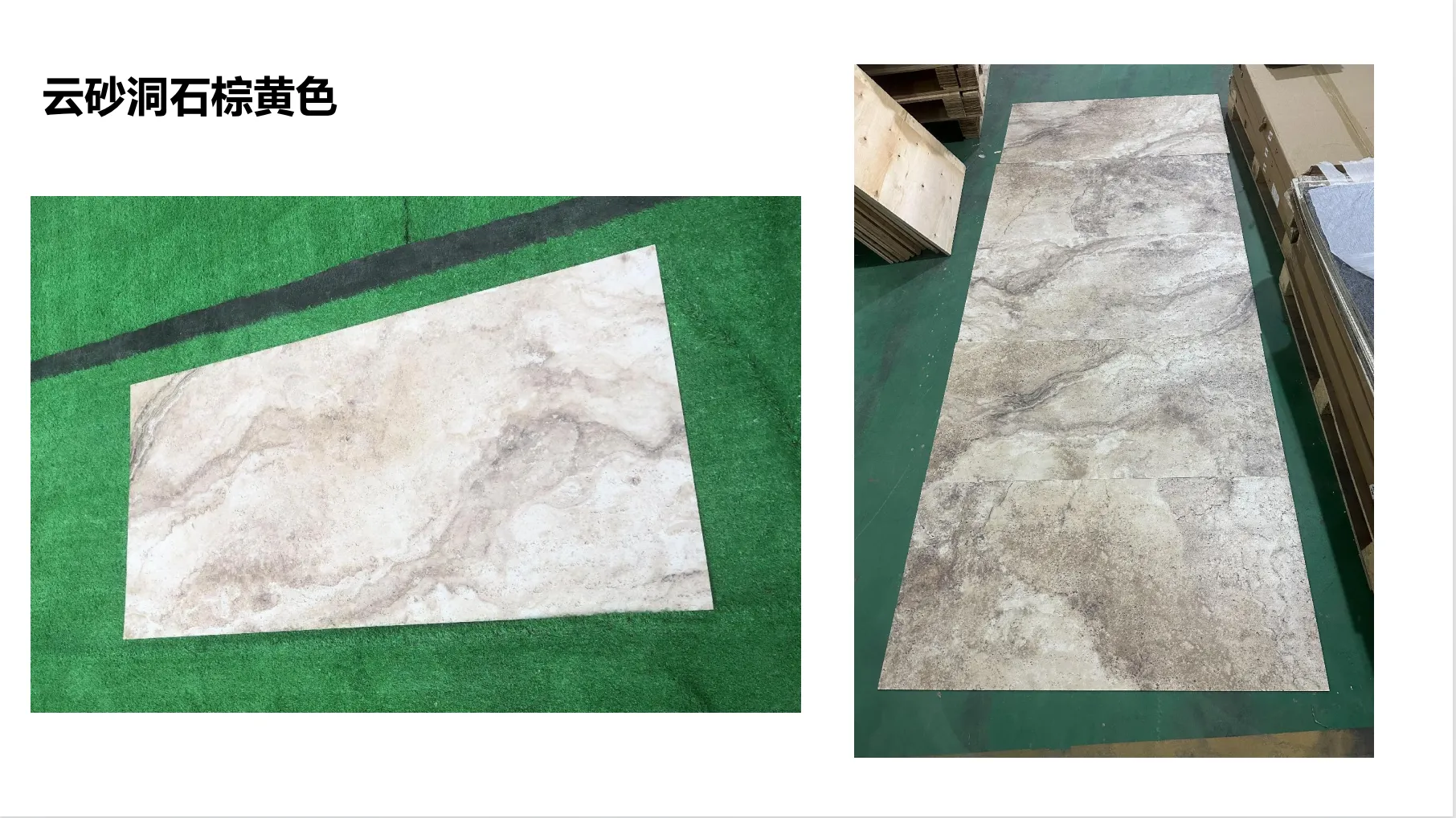
Let's start with the obvious: dark grey dolomitic travertine is stunning. But not in the way a flashy marble or a high-gloss granite might be. Its beauty is quieter, more intentional—like a well-tailored suit or a perfectly aged whiskey. Unlike stark, uniform blacks that can feel cold or clinical, this stone has depth. Run your hand over its surface, and you'll notice subtle veins of lighter grey, hints of taupe, and even tiny fossilized pockets (a nod to its ancient origins, formed from mineral-rich springs over thousands of years). These natural variations mean no two slabs are exactly alike, giving your restaurant a one-of-a-kind texture that feels alive, not manufactured.
What really sets dark grey dolomitic travertine apart, though, is how it interacts with light. In a dimly lit bistro, it soaks up warm overhead glow, creating a cozy, cave-like intimacy that makes guests want to linger over dessert. In a sunlit brunch spot, it reflects soft daylight, turning a simple wall into a canvas of shifting shadows and highlights. And when paired with modern fixtures—think matte black pendant lights or brass sconces—it adds a touch of understated luxury without feeling pretentious. It's versatile, too: whether your restaurant leans into industrial chic, rustic charm, or minimalist elegance, this stone slides into the aesthetic like it was always meant to be there.
Restaurants are war zones for interiors. Between clattering plates, spilled cocktails, scuffing chairs, and the constant foot traffic of servers and guests, materials need to be tough. Dark grey dolomitic travertine isn't just pretty—it's built to last. Let's break it down:
Scratch Resistance: Unlike softer stones like marble (which can scratch easily from dragging chairs or dropped utensils), dolomitic travertine is denser, thanks to its dolomite mineral content. It stands up to daily wear and tear without showing unsightly marks, keeping floors and walls looking fresh even after months of heavy use.
Stain Resistance (With a Little Help): Travertine is naturally porous, but here's the good news: a high-quality sealant (applied during installation and refreshed annually) creates a barrier that repels liquids. Coffee spills? Red wine splatters? Grease from that famous burger? Wipe it up quickly, and the stone won't absorb a trace. Compare that to fair-faced concrete, which, while durable, can stain if not sealed properly—and even then, its rough texture can trap crumbs and grime.
Heat Resistance: Want to install it behind a wood-fired pizza oven or as a backsplash near the grill? Go for it. Dark grey dolomitic travertine handles high temperatures without cracking or discoloring, making it a practical choice for kitchen-adjacent spaces.
In short, this stone doesn't just look good on day one—it ages gracefully, developing a subtle patina over time that adds character, not wear. It's the kind of material that will still impress guests five years down the line, even after hosting countless birthday parties, business lunches, and late-night dinners.
Great design is all about balance, and dark grey dolomitic travertine plays well with others. It's a neutral, but not a blank slate—its depth lets it stand out while still complementing bolder or softer materials. Here are a few pairings that work wonders in restaurant interiors:
| Material | Aesthetic Vibe | Why It Works with Dark Grey Dolomitic Travertine |
|---|---|---|
| Wood Grain Board | Warm, organic, rustic | The cool, earthy tones of the travertine balance the warmth of wood, creating a space that feels both grounded and inviting. Use wood grain board for tabletops or accent walls, and travertine for floors or larger wall sections. |
| Fair-Faced Concrete | Industrial, modern, raw | Pairing travertine's natural texture with fair-faced concrete's smooth, monochromatic finish adds contrast and edge. Try concrete for bar tops and travertine for surrounding walls for an urban-chic look. |
| Lunar Peak Black | Dramatic, sleek, contemporary | For a bold, monochromatic scheme, mix dark grey dolomitic travertine with lunar peak black (another standout from the MCM lineup). Use lunar peak black for statement pieces like a feature wall or pendant light shades, and let the travertine add depth with its veining. |
| MCM Flexible Stone | Versatile, lightweight, customizable | As part of the MCM project board series, MCM flexible stone offers thin, flexible sheets that can be used for curved surfaces or intricate designs. Pair it with dark grey dolomitic travertine for a cohesive look that's both modern and tactile. |
The key is to let the travertine be the "anchor"—its neutral base and texture ground the space, while other materials add pops of personality. Whether you're going for a cozy mountain lodge vibe (travertine + wood grain board) or a sleek downtown hotspot (travertine + lunar peak black), the combinations are endless.
Dark grey dolomitic travertine isn't just a "wall stone" or a "floor stone"—it's a multi-tasker. Here are some of the best ways to incorporate it into your restaurant design:
Floors: Imagine walking into a restaurant and feeling the cool, smooth surface of travertine underfoot. It's sturdy enough to handle high traffic but gentle enough to feel inviting. Plus, its natural slip resistance (when sealed) makes it safer than polished marble or glossy tiles—important for busy service areas.
Feature Walls: A travertine accent wall behind the host stand or bar instantly elevates the space. Its texture adds visual interest without overwhelming the room, and it pairs beautifully with statement lighting. For a dramatic effect, install it in a vertical pattern to draw the eye upward, making the ceiling feel higher.
Bar Tops: Dark grey dolomitic travertine bar tops are equal parts elegant and tough. They're smooth enough for resting a cocktail glass but durable enough to withstand the occasional dropped bottle or spilled beer. Plus, their neutral tone makes them the perfect backdrop for colorful garnishes and glassware.
Fireplace Surrounds: If your restaurant has a fireplace (indoor or outdoor patio), travertine is the ideal surround material. Its heat resistance and natural beauty turn a simple fire feature into a focal point that guests will gather around on chilly evenings.
Accent Pieces: Think small but impactful: travertine coasters, tabletops for high-top tables, or even a backsplash in the restrooms. These little touches tie the design together, making the space feel cohesive and intentional.
You might be thinking, "Natural stone sounds high-maintenance." But here's the truth: dark grey dolomitic travertine is surprisingly easy to care for, as long as you follow a few simple rules:
Seal It (And Re-Seal It): As mentioned earlier, sealing is non-negotiable. Most installers will apply a penetrating sealer during installation, but plan to re-seal every 1–2 years (or as recommended by the manufacturer). This takes about a day and is well worth the investment to prevent stains.
Clean Spills Immediately: Even with a sealant, don't let liquids sit. Grab a soft cloth or paper towel and blot (don't rub!) the spill. For everyday cleaning, warm water and a mild, pH-neutral cleaner (avoid vinegar, bleach, or abrasive scrubbers) will do the trick.
Dust Regularly: Travertine's texture can trap dust, so a quick sweep or vacuum (with a soft brush attachment) of floors and walls keeps it looking fresh. For walls, a microfiber cloth works wonders.
That's it! No special tools, no expensive cleaners—just a little common sense. Compare that to wood grain board, which needs regular polishing and can warp with moisture, or fair-faced concrete, which requires periodic re-sealing and can be tricky to repair if chipped. Travertine is low-effort, high-reward.
Restaurant design trends come and go. Remember when every new spot had reclaimed barnwood walls and Edison bulbs? Or when all-white everything was the rage? Dark grey dolomitic travertine isn't a trend—it's a classic. Natural stone has been used in architecture for centuries, from ancient Roman baths to modern museums, and for good reason: it's timeless. It doesn't rely on fads or fleeting styles; its beauty is rooted in nature, which never goes out of fashion.
What's more, as sustainability becomes a bigger priority for restaurants (and their guests), natural materials like travertine are gaining even more appeal. Unlike synthetic materials that end up in landfills, travertine is eco-friendly, sourced from quarries with responsible practices, and lasts for decades—reducing the need for frequent replacements. It's a choice that aligns with both good design and good ethics.
At the end of the day, restaurant interiors are about creating moments. A first date, a family celebration, a quiet meal after a long day—these moments are shaped by the space around them. Dark grey dolomitic travertine doesn't just fill a space; it enhances it. It brings warmth, texture, and durability, all while feeling effortlessly sophisticated.
Whether you're designing a cozy neighborhood bistro or a sleek downtown hotspot, this stone is more than a material—it's a partner in creating experiences that guests will remember (and return for). So why settle for ordinary when you can have something that's as beautiful as it is tough? Dark grey dolomitic travertine isn't just for restaurants—it's for the stories they tell.
Recommend Products












