
In the sun-drenched landscapes of Saudi Arabia, where tradition meets cutting-edge modernity, architectural design is undergoing a quiet revolution. Among the materials shaping this transformation, dark grey dolomitic travertine has emerged as a silent star. Its understated elegance, durability, and versatility have made it a go-to choice for architects, developers, and homeowners alike. But what exactly is driving its rise? How does it fit into the kingdom's ambitious building boom? Let's explore the market dynamics, applications, and unique appeal of this distinctive stone—plus why it's becoming a cornerstone of Saudi Arabia's architectural future.
Saudi Arabia's architectural landscape is in the midst of unprecedented growth. Fueled by Vision 2030—a bold plan to diversify the economy and build world-class cities—projects ranging from futuristic megacities like NEOM to luxury residential towers in Riyadh and cultural hubs in Jeddah are reshaping the skyline. In this era of rapid urbanization, materials that blend aesthetics, functionality, and cultural resonance are in high demand. Dark grey dolomitic travertine, with its moody, sophisticated hue and natural texture, has quickly become a favorite among designers aiming to strike that perfect balance between modern minimalism and timeless charm.
Let's start with the numbers: According to recent industry reports, the Saudi stone market is projected to grow at a CAGR of 6.2% between 2023 and 2028, driven largely by Vision 2030's focus on infrastructure development, tourism, and smart city initiatives. Within this, natural stone segments like travertine and dolomitic variants are outpacing synthetic alternatives, thanks to a growing preference for authentic, high-end materials in luxury and commercial projects. Dark grey dolomitic travertine, in particular, has seen a 15% year-on-year increase in demand since 2021, a trend that shows no signs of slowing down.
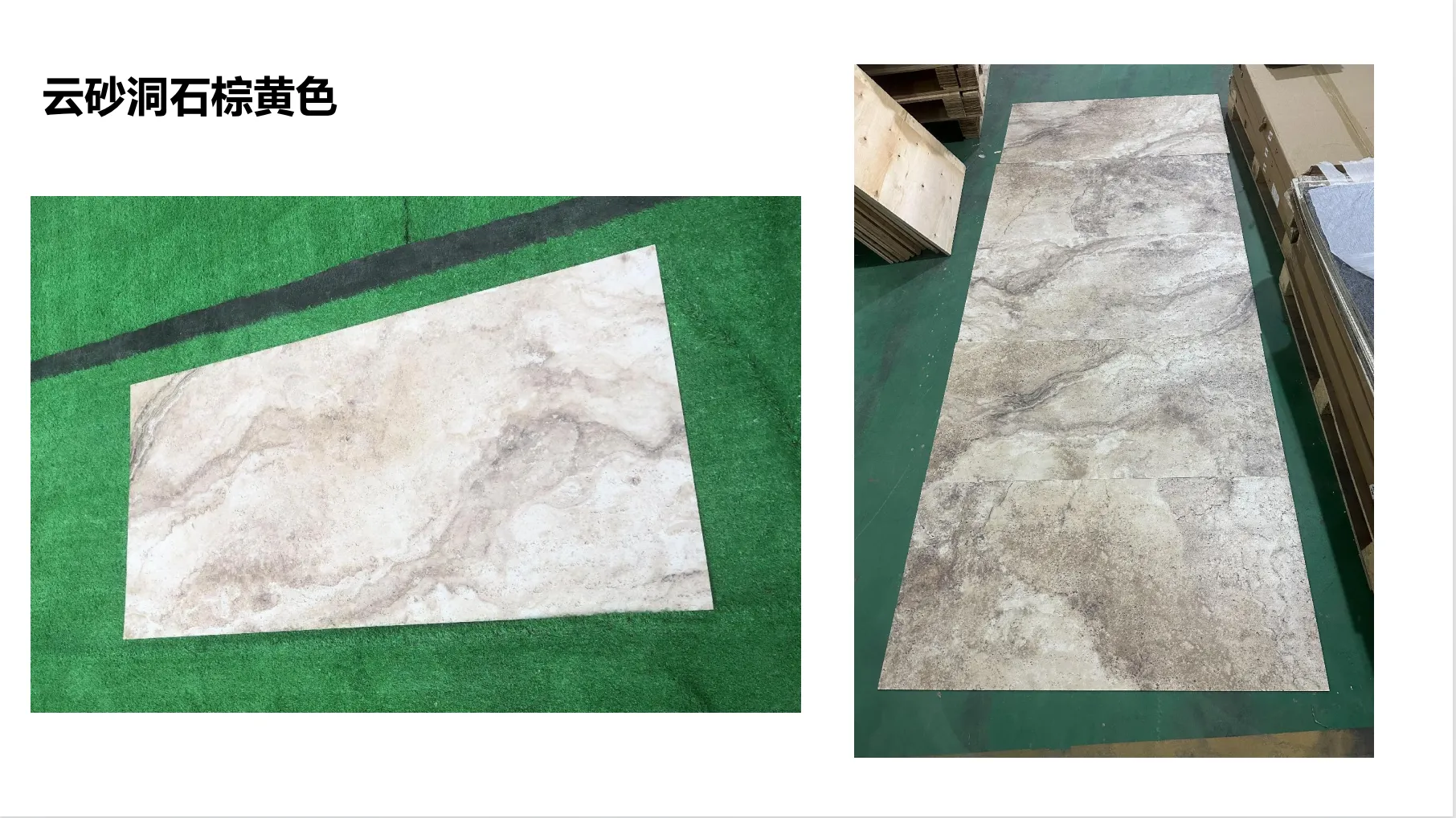
First, let's clarify what dark grey dolomitic travertine is. Unlike traditional travertine, which is formed from calcium carbonate deposits in hot springs, dolomitic travertine gets its name from a higher concentration of dolomite (magnesium carbonate). This subtle mineral shift gives the stone a denser structure, a cooler color palette, and a unique veining pattern that ranges from soft charcoal streaks to deep graphite swirls—qualities that have made it a darling of contemporary architects in Saudi Arabia.
But it's not just about looks. In a country where summer temperatures soar above 45°C and sandstorms are a seasonal reality, durability is non-negotiable. Dark grey dolomitic travertine checks this box with impressive resilience: its low porosity (compared to standard travertine) means less water absorption, reducing the risk of cracking in extreme heat or freeze-thaw cycles (though rare in Saudi Arabia, still a consideration for coastal projects). Its natural slip resistance, even when polished, also makes it ideal for high-traffic areas like hotel lobbies, shopping malls, and public plazas—spaces that are central to Saudi Arabia's vision of becoming a global tourism hub.
Then there's the aesthetic flexibility. Whether paired with the warm golds of Lunar Peak Golden in a luxury villa's facade or contrasted with the sleek minimalism of fair-faced concrete in a commercial tower, dark grey dolomitic travertine adapts. Its neutral tone acts as a versatile backdrop, allowing designers to play with bold accents—think vibrant mosaics or metallic foiled aluminium alloy details—without overwhelming the space. "It's like a blank canvas that elevates everything around it," says Lama Al-Mansoori, a Riyadh-based interior designer who recently used the stone in the lobby of Riyadh's Al Faisaliah Tower expansion. "In Saudi culture, we value both modesty and grandeur, and this stone embodies that duality."
Walk through Riyadh's King Abdullah Financial District or Jeddah's waterfront developments, and you'll spot dark grey dolomitic travertine making its mark. Let's take a closer look at how it's being used:
In Riyadh's Diplomatic Quarter, the recently completed Al-Murjan Tower—a 42-story mixed-use skyscraper—features dark grey dolomitic travertine cladding on its lower three floors. The stone's cool tone contrasts with the tower's glass curtain wall, creating a grounded, prestigious entrance that signals "luxury" to visitors and tenants alike. Similarly, in Jeddah's Red Sea Mall expansion, the stone was chosen for the outdoor promenade, where its slip-resistant surface and heat-reflective properties (darker colors absorb heat, but the stone's density helps dissipate it faster than concrete) keep pedestrians comfortable even during midday strolls.
As Saudi Arabia's middle class expands and demand for high-end housing grows, dark grey dolomitic travertine has become a status symbol in villa design. In the exclusive Al Yasmin District of Riyadh, many homeowners are opting for the stone in outdoor patios, pool surrounds, and even interior feature walls. "Our clients want spaces that feel both modern and rooted in nature," explains Khalid Al-Zahrani, a project manager at a leading Riyadh construction firm. "Dark grey dolomitic travertine brings that organic texture without feeling rustic—it's refined, which aligns with the luxury lifestyle our buyers seek."
Saudi Arabia's investment in cultural infrastructure—museums, art centers, and heritage sites—is also driving demand. The King Abdulaziz Center for World Culture (Ithra) in Dhahran, for example, used dark grey dolomitic travertine in its outdoor amphitheater seating, chosen for its ability to blend with the surrounding desert landscape while providing a durable, low-maintenance surface. Similarly, in the historic district of Jeddah, the renovation of Al-Balad's traditional souks incorporated the stone in walkways, bridging the gap between the area's 7th-century architecture and modern visitor expectations for comfort and safety.
To truly understand dark grey dolomitic travertine's market position, it helps to see how it compares to other popular stones in Saudi Arabia's architectural toolkit. Let's break down its key competitors:
| Feature | Dark Grey Dolomitic Travertine | Lunar Peak Black | MCM Flexible Stone |
|---|---|---|---|
| Color Palette | Charcoal to deep graphite with subtle veining | Jet black with metallic flecks | Customizable (includes dark grey variants) |
| Durability | High (low porosity, heat-resistant) | Very high (dense, scratch-resistant) | Medium (flexible but less impact-resistant) |
| Installation | Requires skilled labor (heavy slabs) | Heavy, requires structural support | Lightweight, easy to install (ideal for renovations) |
| Cost (per sqm) | Mid-range ($80–$120) | High ($150–$200) | Budget-friendly ($40–$70) |
| Best For | High-traffic interiors, exteriors, cultural spaces | Luxury facades, statement walls | Renovations, curved surfaces, temporary installations |
As the table shows, dark grey dolomitic travertine hits a sweet spot: it's more affordable than Lunar Peak Black (a premium option favored by ultra-luxury projects like the Ritz-Carlton Riyadh's new wing) and more durable than MCM flexible stone (a lightweight, cost-effective choice for quick renovations). This balance has made it the "workhorse" stone for projects that aim to deliver quality without breaking the bank—something that's increasingly important as Saudi Arabia's construction sector navigates post-pandemic cost pressures.
Behind the rise of dark grey dolomitic travertine in Saudi Arabia lies a mix of cultural, economic, and design trends that are reshaping the architectural landscape:
Saudi Arabia's Vision 2030 plan, with its focus on diversifying the economy and developing world-class cities like NEOM, Qiddiya, and the Red Sea Project, has created a construction boom unlike any other. These mega-projects demand materials that reflect global standards of luxury while respecting local identity—and dark grey dolomitic travertine, with its blend of modern aesthetics and natural authenticity, fits the bill. For instance, the Red Sea Project's eco-resorts are using the stone in beachfront villas, where its neutral color complements the turquoise waters and desert backdrops, aligning with the project's "harmony with nature" ethos.
In recent years, Saudi consumers and developers have moved away from ostentatious design in favor of "quiet luxury"—spaces that feel sophisticated but understated. Dark grey dolomitic travertine embodies this trend: its muted color and organic texture exude elegance without being flashy, making it a favorite for high-net-worth individuals building private residences in Riyadh's diplomatic districts or Jeddah's coastal compounds. "Gone are the days of all-gold facades," jokes Ahmed Hassan, a senior architect at a leading Saudi firm. "Today, clients ask for 'timeless' and 'refined'—and this stone delivers both."
While Saudi Arabia is still in the early stages of its sustainability journey, green building practices are gaining traction, thanks in part to LEED and Estidama certifications becoming more common for large projects. Dark grey dolomitic travertine, being a natural stone, scores points for being locally sourced (major quarries in Jordan and Turkey reduce carbon footprints compared to imported Italian marbles) and recyclable at the end of its lifecycle. Some quarries even use solar-powered machinery, further appealing to eco-conscious developers.
Of course, no material is without its hurdles. For dark grey dolomitic travertine, the biggest challenges lie in supply chain logistics and competition from synthetic alternatives:
Most dark grey dolomitic travertine in Saudi Arabia is imported from Turkey, Jordan, or Iran. While these sources are relatively close, geopolitical tensions, shipping delays, and fluctuating currency exchange rates can disrupt supply. For example, the 2022-2023 Red Sea shipping crisis (due to Houthi attacks) led to a 20% increase in transportation costs, forcing some developers to switch to local alternatives like Lunar Peak Black or even concrete. "Reliability is key in construction," notes Fatima Al-Sayed, a procurement manager at a Riyadh-based construction company. "We love the stone, but we need consistent supply to meet tight project deadlines."
Synthetic materials like engineered quartz and porcelain slabs are gaining ground, especially in mid-range projects. These materials offer uniform color, lower maintenance, and often lower costs—appealing to developers working on a budget. For instance, a 2023 survey by the Saudi Construction Council found that 35% of mid-rise residential projects now use porcelain slabs instead of natural stone for flooring, citing easier installation and stain resistance as key factors. Dark grey dolomitic travertine, with its natural variations, can struggle to compete here, though its unique texture remains a selling point for projects aiming for "authenticity."
Despite its durability, some clients still associate travertine with high maintenance, thanks to older, more porous varieties. "I often have to educate clients that dolomitic travertine is different," says Al-Mansoori. "Yes, it needs sealing every 2-3 years, but that's a small price to pay for a stone that ages beautifully—unlike synthetic materials, which can fade or scratch over time." Dispelling these myths has become a key part of architects' and suppliers' roles in promoting the stone.
Despite these challenges, the future looks bright for dark grey dolomitic travertine in Saudi Arabia. Here's why:
To address supply chain issues, Saudi-based stone importers are partnering with Turkish and Jordanian quarries to secure long-term contracts and even investing in local processing facilities. For example, in 2024, a joint venture between a Riyadh trading company and a Turkish quarry opened a state-of-the-art cutting and polishing plant in Dammam, reducing lead times from 8 weeks to 4 and cutting costs by 15%. This localization trend is set to make the stone more accessible for mid-sized projects.
Post-pandemic, there's a growing global trend toward biophilic design—incorporating natural elements to improve well-being. In Saudi Arabia, this has translated into a renewed appreciation for natural stones like dark grey dolomitic travertine, which bring the outdoors in and create calming, grounded spaces. "People want to feel connected to nature, even in the heart of a busy city," says Hassan. "This stone does that better than any synthetic material ever could."
As projects like NEOM demand larger, more seamless surfaces, the shift toward "architectural big slab solutions" is benefiting dark grey dolomitic travertine. Quarries are now producing slabs up to 3 meters in length, allowing for fewer joints in flooring and facades—a sleek look that aligns with modern design preferences. This, paired with advances in installation technology (like lightweight adhesives), is making the stone a top choice for large-scale projects.
With Saudi Arabia aiming to reach net-zero emissions by 2060, sustainability is becoming a differentiator. Dark grey dolomitic travertine's low carbon footprint (compared to imported marbles) and recyclability are helping it secure spots in green building projects. Some quarries are even pursuing LEED certification for their extraction processes, further boosting the stone's appeal to eco-conscious developers.
In the ever-evolving story of Saudi Arabian architecture, dark grey dolomitic travertine has carved out a role that's both practical and poetic. It's a stone that stands up to the kingdom's harsh climate, reflects its shift toward modern, understated luxury, and bridges the gap between global design trends and local identity. As Vision 2030 transforms the country's skyline, this unassuming charcoal-hued stone will undoubtedly continue to leave its mark—one elegant slab at a time.
Whether in the lobby of a futuristic skyscraper, the patio of a desert villa, or the walkways of a cultural heritage site, dark grey dolomitic travertine isn't just a building material—it's a symbol of Saudi Arabia's journey: rooted in nature, reaching for the future.
Recommend Products












