
When you're knee-deep in a building or renovation project, choosing the right material can feel like standing at a crossroads. You want something that whispers (or shouts) your style, holds up to the chaos of daily life, and doesn't leave your wallet gasping for air. If you've found yourself drawn to the moody elegance of dark stone—something with depth, texture, and a hint of old-world charm—chances are Dark Grey Dolomitic Travertine has caught your eye. But before you fall headfirst for its veiny patterns and cool, earthy tone, let's talk about the part no one loves but everyone needs: budgeting. Installing this stone isn't just about buying slabs; it's about understanding every dollar that goes into turning raw material into a finished wall, floor, or facade. Let's walk through this together—no jargon, no stress, just the real talk you need to plan confidently.
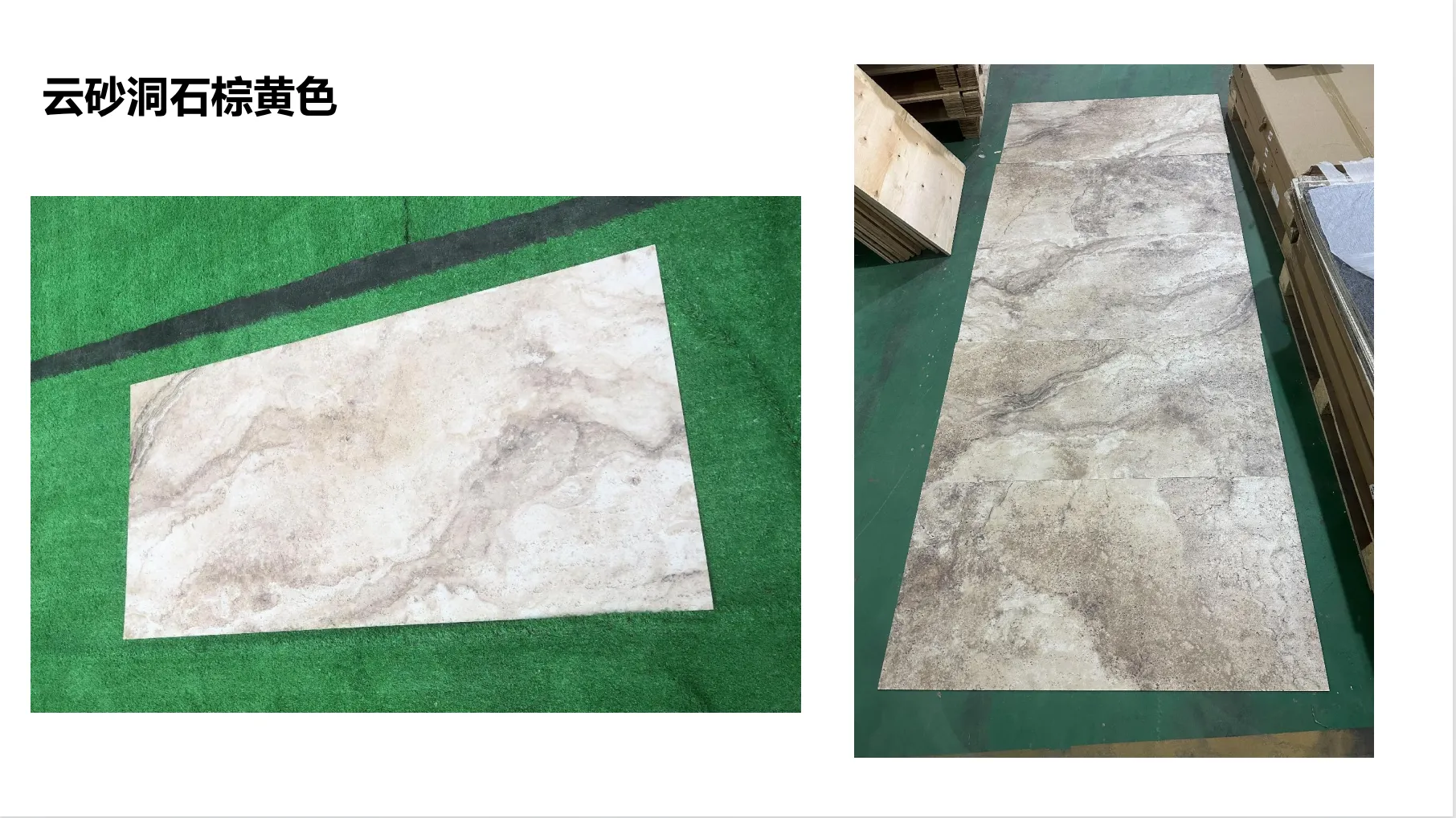
Before we dive into costs, let's get to know the star of the show. Dolomitic travertine is a cousin to classic travertine, but with a twist: it's infused with dolomite, a mineral that gives it extra durability and a denser, more uniform texture. Dark grey, in particular, is like the quiet sophisticate of the stone world—less flashy than marble, more refined than rough granite. Its surface often features subtle, irregular veining in charcoal and graphite, with tiny pits and pores that add character (think: the kind of texture you want to run your hand over). It works indoors (hello, statement fireplace walls) and outdoors (patio floors that age like fine wine), making it versatile enough for both residential and commercial projects.
But what really sets it apart? Unlike some modern materials that feel "manufactured," Dark Grey Dolomitic Travertine carries the weight of nature. Each slab is unique, so no two installations will ever look the same. For homeowners who crave authenticity, or designers aiming for a space that feels "lived-in" yet luxurious, that's priceless. But "priceless" doesn't mean "free"—so let's break down what you'll actually pay.
Installation costs aren't a single number—they're a puzzle made of material prices, labor hours, prep work, and a few surprise extras. Let's unpack each piece so you can see where your money will go.
The first chunk of your budget will go toward the travertine slabs or tiles themselves. On average, you'll pay between $12 and $25 per square foot for Dark Grey Dolomitic Travertine. But why the range? It depends on a few factors:
Thickness and size: Thicker slabs (like 2cm vs. 1cm) cost more, as do larger formats (think: 24x48-inch tiles vs. 12x12-inch). Larger slabs mean fewer grout lines, which is a win for aesthetics, but they're heavier and trickier to transport—so that adds a little extra to the price tag.
Finish: Do you want a honed (matte) surface, or a polished (shiny) one? Honed is more common for floors (less slippery) and costs slightly less than polished, which requires extra processing. Some suppliers also offer "tumbled" finishes, where the edges are softened for a rustic look—another small upcharge.
Supplier and origin: Travertine sourced from Italy or Turkey (known for high-quality stone) often costs more than domestic options. And if you're ordering from a specialty supplier instead of a big-box store, expect to pay a premium for curated selections (but also better quality control).
Pro tip: Always order 10-15% extra material. Why? Cuts go wrong, tiles crack during transport, and you'll want spares for future repairs. Skimping here could leave you scrambling to match batches later—and trust me, "close enough" never looks good with natural stone.
Unless you're a seasoned DIYer with a tile saw and nerves of steel, you'll need pros to install your travertine. Labor costs typically range from $8 to $15 per square foot, but this can swing higher depending on:
Project complexity: A straight-forward floor in a rectangular room? On the lower end. A curved wall, mosaic pattern, or outdoor installation with slope for drainage? That requires more skill (and time), so laborers will charge more. Think of it like hiring a baker: a sheet cake is cheaper than a tiered wedding cake with hand-piped details.
Location: Labor costs vary by region. In cities like New York or Los Angeles, expect to pay $12–$15 per square foot; in smaller towns, $8–$10 might suffice. And if your project is in a hard-to-reach spot (like a high-rise balcony or a basement with narrow stairs), add a "difficult access" fee—some contractors charge $50–$100 extra per day for that.
Experience: A rookie installer might quote $6 per square foot, but is that a deal or a disaster? Travertine is porous and can crack if not handled carefully. Hiring someone with 5+ years of experience in natural stone (not just ceramic tile) might cost more upfront, but it saves you from costly repairs later. Ask for references or photos of past travertine projects—peace of mind is worth the extra $2 per square foot.
Here's where many budgets go off the rails: underestimating prep work. Travertine is heavy (about 15–20 pounds per square foot), so the surface it's installed on needs to be rock-solid. If your subfloor or wall isn't ready, cutting corners here will lead to cracked tiles or uneven surfaces down the line. Common prep costs include:
Subfloor/wall repair: If your existing floor has rot, mold, or uneven spots, you'll need to fix that first. For wood subfloors, this might mean adding a layer of cement board ($3–$5 per square foot, including labor). For walls, patching holes or reinforcing studs could add $200–$500, depending on damage.
Waterproofing: Critical for bathrooms, kitchens, or outdoor areas. A waterproof membrane (like Schluter Kerdi) costs $2–$4 per square foot, plus labor. Skip this, and you'll end up with water seeping under the stone, causing mold or loose tiles. Not worth the risk.
Leveling: Travertine tiles need a flat surface to lay evenly. If your floor slopes more than 1/8 inch over 10 feet, you'll need a self-leveling compound. This costs $1–$3 per square foot, but it's non-negotiable for a smooth finish.
No project is complete without a few "extras." These might seem small, but they add up quickly:
Grout and sealant: Travertine is porous, so it needs to be sealed to prevent stains (think: red wine spills or oil splatters). A high-quality stone sealer costs $0.50–$1 per square foot, and you'll need to reapply it every 2–3 years. Grout (choose a color that complements the stone—charcoal or gray for dark travertine) adds another $0.75–$1.50 per square foot.
Delivery: Stone is heavy, so don't assume "free delivery." Most suppliers charge $100–$300 per load, depending on distance. If you live in a remote area, this could jump to $500 or more.
Tools and rentals: If your installer needs specialty tools (like a wet saw for cutting slabs), they might pass on rental costs ($50–$100 per day). Some include this in their labor fee, so ask upfront.
Cleanup: Installing stone is messy—dust, debris, leftover grout. Many contractors include cleanup in their quote, but if not, hiring a crew to haul away waste could add $150–$300.
Curious if Dark Grey Dolomitic Travertine is a good value? Let's compare it to a few popular alternatives to see how it stacks up.
| Material | Average Total Cost (Material + Labor, per sq ft) | Pros vs. Dark Grey Dolomitic Travertine |
|---|---|---|
| Dark Grey Dolomitic Travertine | $25–$50 | Unique, natural look; durable; versatile indoors/outdoors |
| Fair-faced Concrete | $15–$30 | Lower cost; industrial, modern aesthetic; less unique (uniform appearance) |
| Epoch Stone | $30–$60 | Engineered for consistency; stain-resistant; pricier but lower maintenance |
| Polished Marble | $40–$70 | More luxurious; higher shine; softer (prone to scratches, not ideal for high-traffic areas) |
As you can see, Fair-faced Concrete is a budget-friendly alternative if you're after a modern, minimalist look—but it lacks the natural variation of travertine. Epoch Stone , a newer engineered stone, offers consistency and lower upkeep but costs more upfront. Marble is pricier and less durable, making Dark Grey Dolomitic Travertine a sweet spot for those who want natural beauty without the marble price tag.
Even with the averages above, your final cost could vary. Here are the wildcards to watch for:
Project size: Larger projects (500+ square feet) often qualify for bulk discounts on materials (5–10% off) and labor (installers might charge $1–$2 less per square foot for big jobs). Smaller projects (under 100 square feet) might cost more per square foot, as contractors have minimum job fees ($500–$1,000).
Custom designs: Want a herringbone pattern? Or a border of Linear Travertine (Claybank) to contrast with the dark grey? Custom layouts require more cutting and planning, adding $5–$10 per square foot to labor costs.
Seasonality: Installers are busiest in spring and summer, so prices tend to rise by 10–15% during peak season. Scheduling in fall or winter might save you money—just avoid freezing temperatures (travertine and grout don't set well in the cold).
Existing material removal: If you're replacing old tile or carpet, you'll pay $2–$4 per square foot to demo and haul away debris. That's an extra $400–$800 for a 200-square-foot project.
Sealing frequency: While we mentioned sealant as a one-time install cost, remember: you'll need to reseal travertine every 2–3 years. That's $0.50–$1 per square foot each time, so factor that into long-term budgeting (unlike Fair-faced Concrete , which needs minimal upkeep).
No one likes sticker shock. Here are a few tricks to keep your budget on track without sacrificing quality:
Get 3+ quotes: Labor costs vary wildly, so don't settle for the first contractor you call. Ask for itemized quotes (material, labor, prep, extras) so you can compare apples to apples. And don't be afraid to negotiate—many contractors will match a competitor's price if you ask.
Add a contingency fund: Even the best-laid plans hit snags. Set aside 10–15% of your total budget for surprises (e.g., a hidden water leak during prep work). For a $5,000 project, that's $500–$750—annoying to save, but way better than panicking when the bill comes.
DIY small parts (if you're handy): You might not want to install the stone itself, but you could save $200–$300 by doing demo work (removing old tile) or cleanup yourself. Just wear gloves and a dust mask—and know your limits (don't try to fix structural issues unless you're a pro).
Buy material in bulk: If you're tackling multiple rooms (e.g., a kitchen backsplash and a bathroom floor), order all your travertine at once. Suppliers often give discounts for large orders, and you'll ensure the stone comes from the same batch (no mismatched colors).
At the end of the day, budgeting for Dark Grey Dolomitic Travertine is about more than dollars and cents—it's about investing in a material that will grow with your space. Yes, it costs more than concrete or ceramic tile, but its uniqueness and durability mean it will still look stunning 10, 20, even 30 years from now. For homeowners who value authenticity, or businesses aiming to make a memorable first impression, that's a trade-off worth making.
So, take a deep breath, grab your calculator, and start plugging in numbers. With a clear breakdown of costs, a little prep work, and a contingency fund, you'll be well on your way to installing a surface that's as functional as it is beautiful. And when you're standing in front of that finished wall or walking across that floor, running your hand over the cool, textured stone? You'll know every penny was worth it.
Recommend Products












