
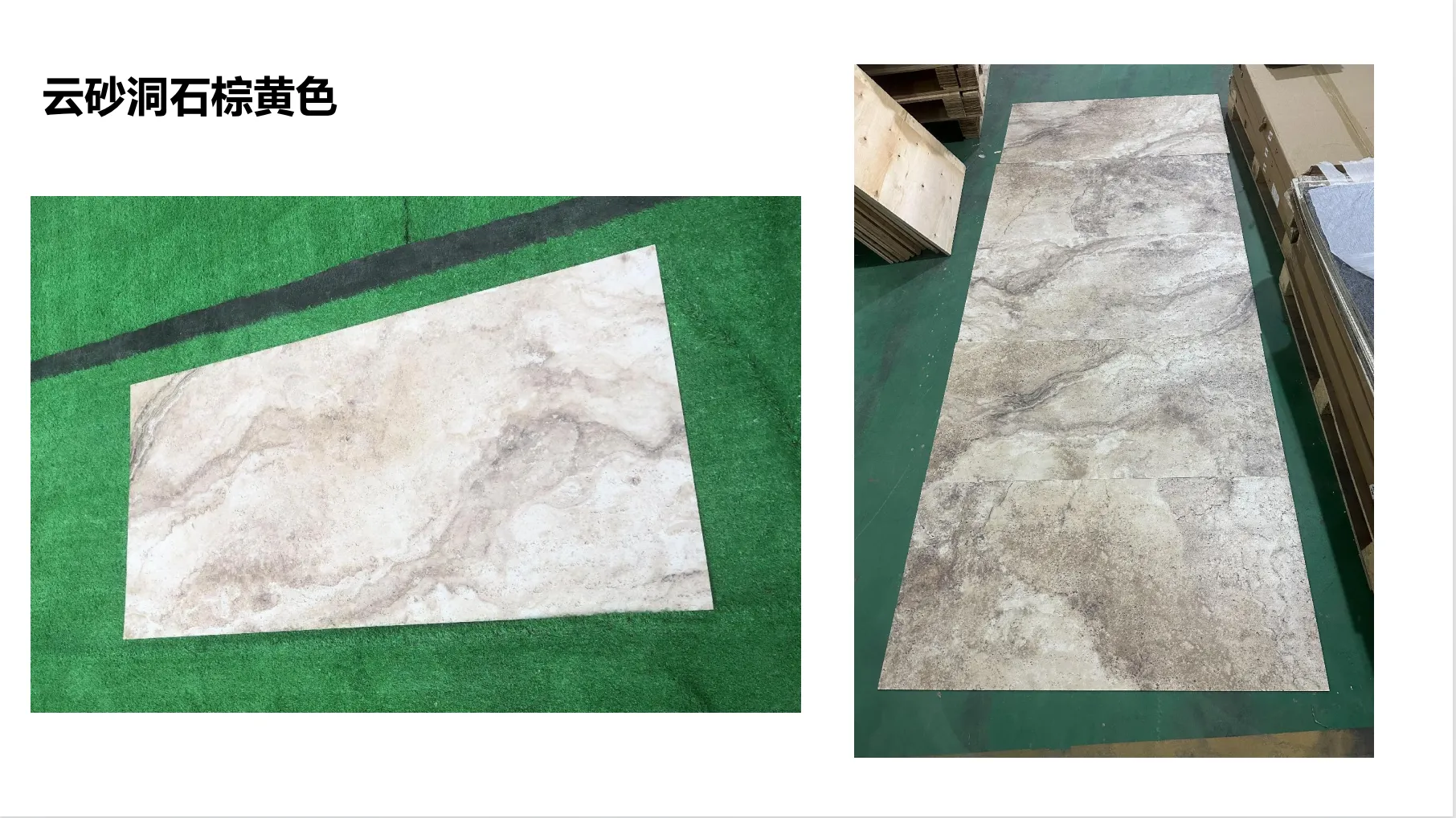
When you're choosing materials for your home or commercial space, there's often a tug-of-war between aesthetics and practicality. You want something that catches the eye—something that feels intentional and adds character—but you also need to avoid signing up for a lifetime of high-maintenance headaches. Dark grey dolomitic travertine has surged in popularity lately, and it's easy to see why: its moody, sophisticated tones pair with everything from modern minimalism to industrial chic, and its natural texture adds depth that synthetic materials just can't replicate. But here's the thing no one tells you upfront: that beauty comes with ongoing costs. If you're considering this stone for your floors, walls, or countertops, let's dive into what you'll really be spending over the years—not just on installation, but on keeping it looking like new.
Before we talk dollars and cents, let's make sure we're all on the same page about what this material actually is. Travertine itself is a form of limestone, formed by mineral deposits from hot springs. Dolomitic travertine, specifically, has a higher dolomite content, which makes it denser and more durable than regular travertine. That extra density is why it's a favorite for high-traffic areas like lobbies, kitchens, and entryways. The dark grey variant, in particular, has become a go-to for designers aiming to create a sleek, grounded look—think restaurant floors that hide scuffs or bathroom walls that feel spa-like yet sturdy.
But here's the catch that affects maintenance: even with that added density, dolomitic travertine is still porous. Those tiny holes and crevices in its surface? They're great for adding texture, but they're also magnets for dirt, spills, and stains. If you've ever seen an old travertine floor that looks dull or discolored, chances are it wasn't properly sealed or cleaned. So, while this stone can last decades with care, "care" is the operative word here. Let's break down what that care entails—and how much it'll cost you.
Let's start with the upfront cost, because that's usually the first number people fixate on. Dark grey dolomitic travertine isn't the cheapest option out there—you'll likely pay between $8 and $15 per square foot for the material alone, plus installation costs that can add another $5 to $10 per square foot. Compare that to something like fair-faced concrete, which might run $4 to $8 per square foot installed, and it's easy to think, "Maybe I should just go with the cheaper stuff." But here's where the math gets tricky: concrete might have lower upfront costs, but travertine's longevity and timeless appeal can boost property value. The real wildcard, though, is maintenance. Let's say you install 500 square feet of dark grey dolomitic travertine in a busy café. The initial material and labor could hit $10,000, but if you skimp on sealing, you might end up with stained floors in a year that require professional restoration—costing $2,000 or more. Suddenly, that "cheaper" upfront choice doesn't feel so smart.
Maintenance for dark grey dolomitic travertine isn't a one-and-done deal—it's a cycle of cleaning, sealing, and occasional repairs. Let's break it down step by step, so you can budget accordingly.
You might think, "I'll just sweep and mop it like any other floor"—but travertine is pickier than your average tile. Harsh cleaners with acidic ingredients (like vinegar or citrus) can etch the surface, while abrasive scrubbers will wear away the stone's finish. Instead, you'll need pH-neutral stone cleaners, which cost about $15 to $30 per bottle. A single bottle will last you 2–3 months if you're cleaning a 200-square-foot area weekly. For high-traffic spaces (think retail stores or office lobbies), you'll probably clean twice a week, bumping annual cleaning costs to $120–$240. Low-traffic areas, like a bedroom floor, might only need monthly deep cleans, dropping that to $60–$120 per year. Pro tip: Invest in a microfiber mop and soft-bristle brush—scratch-free tools will save you from costly repairs later.
Sealing is non-negotiable with travertine. The porous surface absorbs liquids quickly, so even a spilled glass of wine or a dropped ketchup packet can leave a permanent mark if the stone isn't sealed. How often you need to seal depends on traffic: high-traffic areas need sealing every 1–2 years, while low-traffic spots can go 2–3 years. A good quality penetrating sealer (the kind that soaks into the stone, not just sits on top) costs $25–$50 per quart, and one quart covers about 100–150 square feet. For a 500-square-foot area, that's 4–5 quarts per sealing, costing $100–$250. If you're sealing every 18 months, that's roughly $67–$167 per year. Some people try DIY sealing to save money, but if you miss a spot or apply it unevenly, you'll end up with patchy protection—and stains. Hiring a pro costs $1–$3 per square foot, so $500–$1,500 for that 500-square-foot area. Over 10 years, DIY sealing saves you $4,330–$13,330, but only if you do it right.
Even with careful maintenance, accidents happen. A heavy piece of furniture might chip a corner, or a guest might spill oil that seeps through the sealer. Small chips can be fixed with stone filler (about $20 per tube), but larger cracks or deep stains often require professional help. A stone restoration specialist will charge $50–$100 per hour, with most repairs taking 1–2 hours. For example, fixing a 2-inch crack in a countertop might cost $150–$200, while removing a stubborn coffee stain could run $200–$300. In high-traffic commercial spaces, plan for 1–2 repairs per year; residential areas might only need one every 3–5 years. That adds up to $150–$600 annually for commercial, $50–$200 for residential.
Every 5–10 years, even well-maintained travertine might need a little extra love. Over time, foot traffic wears down the sealer and polishes the stone unevenly, leaving it looking dull. Professional restoration involves honing (sanding down the top layer to remove scratches), polishing, and resealing. Costs vary by square footage and damage severity, but expect to pay $3–$7 per square foot. For 500 square feet, that's $1,500–$3,500 every decade, or $150–$350 per year averaged out.
To really understand if dark grey dolomitic travertine is worth the investment, let's compare its long-term maintenance costs to three popular alternatives: fair-faced concrete, polish concrete, and wood grain board. The table below estimates 10-year maintenance costs for a 500-square-foot area in a moderate-traffic commercial space (like a boutique café).
| Material | Annual Cleaning Cost | Sealing Frequency | Average Annual Repair Cost | 10-Year Total Maintenance |
|---|---|---|---|---|
| Dark Grey Dolomitic Travertine | $180–$240 | Every 1–2 years | $300–$500 | $5,400–$9,400 |
| Fair-Faced Concrete | $80–$120 | Every 3–5 years | $150–$300 | $2,800–$4,700 |
| Polish Concrete | $100–$150 | Every 2–3 years | $200–$400 | $3,500–$6,000 |
| Wood Grain Board | $150–$200 | Refinishing every 3–4 years | $400–$600 | $8,000–$11,000 |
Unsurprisingly, fair-faced concrete is the cheapest to maintain, thanks to its low porosity and resistance to stains. But it lacks the warmth and texture of travertine. Polish concrete is a middle ground—denser than regular concrete, it resists stains better but still needs occasional sealing. Wood grain board, while visually appealing, requires frequent refinishing and is prone to water damage, making it the most expensive to maintain long-term. Dark grey dolomitic travertine falls in the upper-middle range, but its aesthetic value often justifies the cost for businesses and homeowners who prioritize design.
Now that you know what to expect, let's talk about planning. The key to avoiding sticker shock is to build maintenance costs into your initial budget. Here are a few tips:
At the end of the day, dark grey dolomitic travertine isn't the cheapest material to maintain—but it's also not the most expensive. Its unique blend of durability and beauty makes it a standout choice for spaces where design matters, and with careful planning, the ongoing costs are manageable. If you're someone who values a material that ages gracefully, adds character, and can adapt to changing design trends, the maintenance budget will feel like a worthwhile investment. Just remember: this stone isn't a "set it and forget it" option. It needs attention, but that attention pays off in floors and walls that look stunning for decades.
So, before you sign off on that installation contract, take a moment to map out the next 10 years. Factor in cleaning supplies, sealant, and the occasional repair. If the numbers add up, you'll be rewarded with a space that feels intentional, durable, and uniquely yours—no regrets, no unexpected bills, just a stone that grows more beautiful with time.
Recommend Products












