
Navigating the shine and subtlety of one of nature's most versatile stones
Choosing the right material for your home or commercial space is more than just a practical decision—it's about crafting an atmosphere that feels uniquely yours. For those drawn to the earthy elegance of natural stone, travertine has long been a favorite, but not all travertine is created equal. Enter dolomitic travertine(dark grey) : a variant that marries the organic charm of travertine with a moody, sophisticated palette that's been turning heads in interior design circles.
But here's the dilemma many face: once you've fallen for this dark grey beauty, you're met with another choice—polished or honed? It's a decision that can transform the entire vibe of a room, from sleek and modern to warm and rustic. In this guide, we'll dive into the world of dark grey dolomitic travertine, unpack the differences between polished and honed finishes, and help you figure out which one deserves a spot in your space.
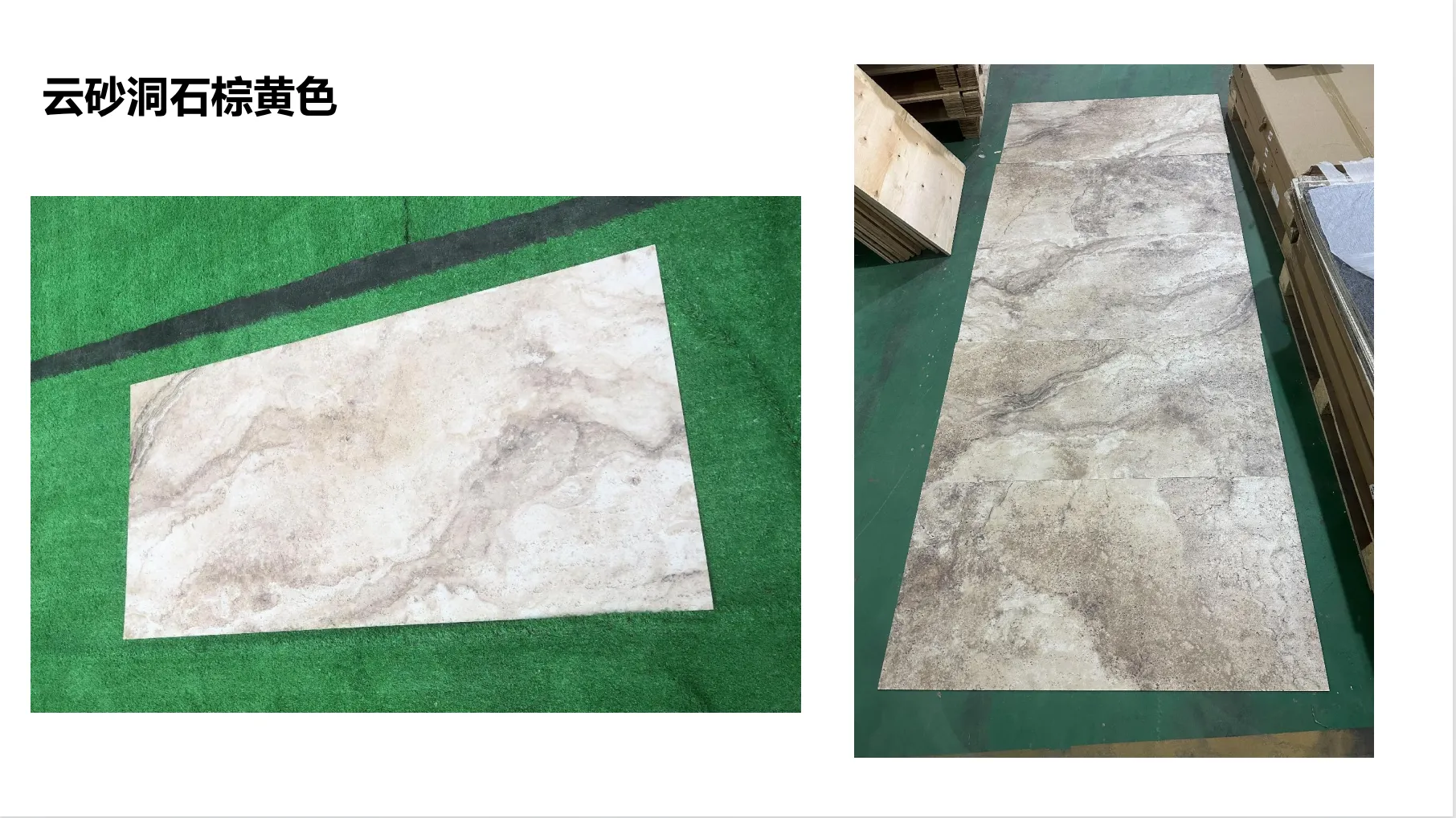
Before we get into finishes, let's get to know the star of the show. Travertine itself is a type of limestone formed from mineral-rich hot springs, known for its porous surface and distinctive veining. Dolomitic travertine, however, has a higher dolomite content, which gives it a denser, more durable structure than traditional travertine. And when that dolomite-rich stone leans into deep, charcoal-like hues? You get dolomitic travertine(dark grey) —a material that feels both grounded and luxurious.
Imagine a stone that looks like it was pulled from the side of a misty mountain, with veins of lighter grey or even subtle gold running through it. It's not as stark as black marble, nor as warm as beige travertine—it's the perfect middle ground for those who want to add depth without overwhelming a space. Whether used as flooring, countertops, or wall cladding, its natural variation ensures no two pieces are exactly alike, giving your home that "one-of-a-kind" feel designers crave.
If you've ever stood in front of a mirror and noticed how it reflects light, you'll get the idea behind a polished finish. Achieving this look involves grinding the stone with progressively finer abrasives until the surface is smooth enough to reflect images—think of it as giving the travertine a "spa day" where it emerges glowing and glamorous. The result? A high-shine, almost glass-like surface that turns heads the second you walk into a room.
Polished dark grey dolomitic travertine is a study in contrasts. The high gloss amplifies the stone's natural color, making those dark grey tones appear deeper and richer, while the veining—whether thin, wispy lines or thicker, more dramatic streaks—becomes a focal point, almost like a piece of abstract art frozen in stone. Sunlight or artificial light bouncing off the surface can make a room feel larger and more open, which is why it's a favorite in smaller spaces that need a visual boost.
I once worked with a client who used polished dark grey dolomitic travertine in their entryway, paired with a modern chandelier. Every time someone walked in, the light from the chandelier would dance across the floor, creating a dynamic, almost cinematic effect. It was like stepping into a luxury hotel lobby—grand, but still welcoming.
Polished dark grey dolomitic travertine thrives in spaces where beauty takes precedence over durability. Think: a master bathroom with underfloor heating, a home office where you rarely wear shoes, or a formal living room that's used mostly for entertaining. It pairs stunningly with modern decor—sleek furniture, metallic accents, and bold art—to create a space that feels curated and intentional.
If polished is the red carpet diva, honed is the cozy, down-to-earth friend who makes you feel at home. Instead of grinding to a high shine, honing involves sanding the stone to a smooth, matte or satin finish—think of it as buffing rather than polishing. The result is a surface that's soft to the touch, with a subtle glow that feels more organic than ostentatious.
Honed dark grey dolomitic travertine has a quiet confidence. The matte finish softens the stone's color, making the dark grey feel warmer and more approachable, while the veining becomes a gentle accent rather than a bold statement. Run your hand over it, and you'll notice a slight texture—nothing rough, just enough to feel like you're touching something real, something that came from the earth.
I recently visited a client's kitchen where they'd used honed dark grey dolomitic travertine for their countertops. The space was flooded with natural light, and the stone looked like a piece of the mountainside had been carved into their kitchen. It felt lived-in, like a space where you could bake cookies with the kids or host a casual dinner party without worrying about every little spill.
Honed dark grey dolomitic travertine is the workhorse of the two finishes. It's perfect for spaces that see a lot of action: kitchens, family rooms, hallways, or even outdoor areas like pool decks. It's also a favorite in bathrooms, where its traction and natural texture add both safety and style. If you want a stone that looks great even after years of use, honed is the way to go.
| Feature | Polished Finish | Honed Finish |
|---|---|---|
| Appearance | High-shine, reflective, bold veining | Matte/satin, soft texture, subtle veining |
| Slip Resistance | Low (slippery when wet) | High (good traction) |
| Scratch Visibility | Highly visible | Easily hidden |
| Maintenance | Moderate (seal every 1–2 years) | High (seal every 6–12 months) |
| Best For | Formal spaces, low traffic, modern decor | Family areas, high traffic, rustic/cozy decor |
| Mood | Glamorous, sleek, bold | Warm, relaxed, inviting |
Whether you choose polished or honed, dark grey dolomitic travertine is a versatile material that plays well with others. Here are a few design ideas to help you make the most of it:
No matter which finish you choose, proper maintenance is key to keeping your travertine looking its best. Here's what you need to know:
Both polished and honed travertine need to be sealed, but honed requires more frequent sealing (every 6–12 months vs. 1–2 years for polished). Use a high-quality penetrating sealer designed for natural stone—apply it evenly with a sponge or cloth, let it sit for 15–20 minutes, then wipe away any excess. Think of it as giving your stone a protective shield against stains and spills.
Stick to mild, pH-neutral cleaners (avoid vinegar, bleach, or abrasive scrubbers, which can damage the stone). For daily cleaning, a damp microfiber cloth or mop works wonders. For tougher stains, mix a little dish soap with warm water and gently scrub—just don't let the soapy water sit for too long.
At the end of the day, the choice between polished and honed dark grey dolomitic travertine comes down to your lifestyle and aesthetic goals. If you crave drama, love modern design, and don't mind a little extra upkeep to keep things looking flawless, polished is the way to go. If you prioritize durability, want a space that feels warm and lived-in, and don't mind sealing more often, honed will be your new best friend.
Whichever you choose, remember that travertine —especially the dark grey dolomitic variety—is more than just a building material. It's a piece of nature, with its own unique story and character, that will grow with your space and create memories for years to come. So take your time, weigh the pros and cons, and trust your gut—after all, no one knows your space better than you do.
Happy decorating, and may your dark grey dolomitic travertine bring you joy (and compliments!) for years to come.
Recommend Products












