
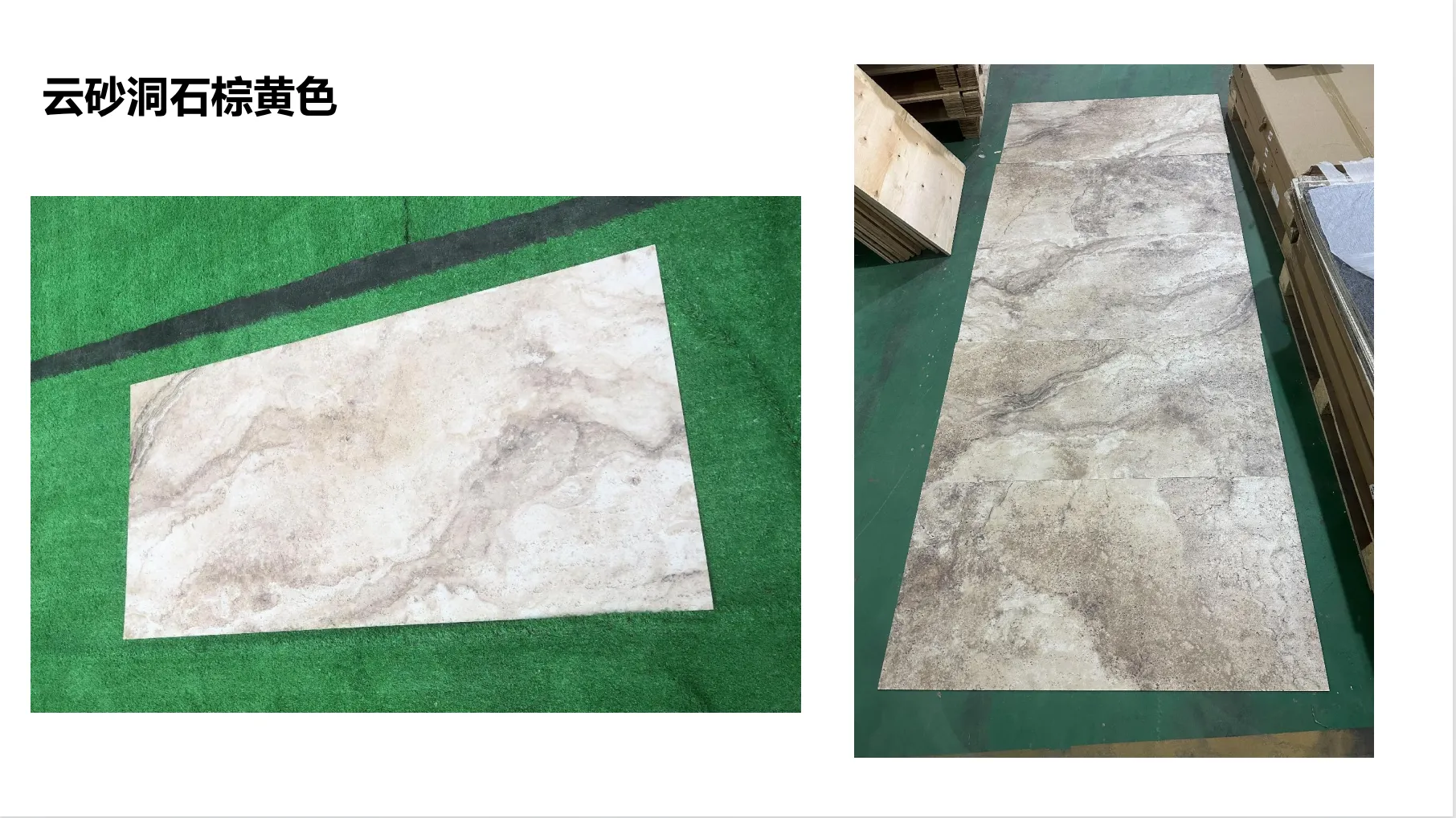
Let's start with the basics. Travertine itself is a form of limestone, formed by mineral-rich hot springs as they cool and deposit calcium carbonate. It's porous by nature, with tiny holes and channels that give it that signature "bubble" texture—think of it as the stone's way of breathing. But dolomitic travertine? That's travertine with a twist. It's infused with dolomite, a mineral that adds density and (hardness) to the stone, making it slightly more durable than its traditional counterpart. And when we talk about "dark grey" dolomitic travertine, we're referring to a variant where the mineral composition leans into deeper, moodier tones—think storm clouds at dusk, or wet pebbles on a riverbed. The veining here is often subtle, like brushstrokes of charcoal or slate, giving the stone a sophisticated, understated elegance.
People love it for its versatility. It pairs beautifully with warm woods (hello, cozy living rooms), pops against crisp whites (modern bathrooms, we're looking at you), and even holds its own in industrial-style spaces with metal accents. But here's the catch: that porosity we mentioned? It's a double-edged sword. Those tiny pores that make the stone so visually interesting also make it a magnet for spills, dirt, and wear. Coffee, wine, oil, even water left standing—without protection, they can seep in, leaving stains that are tough (and expensive) to remove. And let's not forget foot traffic: over time, dirt and grit can scratch the surface, dulling that rich, dark grey hue until it looks tired and worn.
Let's get real: no one buys a stone like dark grey dolomitic travertine to hide it away. You want it to shine, to be the centerpiece, to make guests pause and say, "Wow, this is stunning." But without sealing, that "wow" can fade fast. Sealing is like giving your stone a suit of armor—one that's invisible but incredibly effective. It works by filling in those tiny pores, creating a barrier that repels liquids and prevents dirt from settling in. Think of it as a force field for your floors (or walls, or countertops).
I once worked with a homeowner who'd installed dark grey dolomitic travertine in her dining room. She'd fallen in love with its texture and used it for both the floors and a statement wall. But six months later, she called me in a panic: a holiday dinner had ended with a red wine spill, and now there was a purple splotch staring back at her, right in the middle of the floor. "I thought travertine was durable!" she said. And she was right—travertine *is* durable. But durability doesn't mean indestructible, especially when it's left unsealed. We tried every trick in the book—specialized cleaners, poultices, even professional stone restoration—but the stain had set deep into the pores. In the end, she had to replace a few tiles, and the whole experience left her feeling frustrated and regretful. "I wish I'd just sealed it from the start," she said. That's the thing about sealing: it's a small step that saves you from big heartaches (and big bills) later.
And it's not just about stains. Sealing also helps protect against wear and tear. When you walk on unsealed travertine, the grit from your shoes acts like sandpaper, gradually wearing down the surface. Over time, this can make the stone look dull, like it's lost its luster. Sealing adds a layer of protection that reduces this friction, keeping your travertine looking smoother and brighter for longer. It's like moisturizer for your skin—you don't notice it's working until you skip it, and then you wonder why things feel (and look) off.
Okay, so you're convinced—sealing is non-negotiable. Now comes the next question: which sealer do you choose? Walk into any home improvement store, and you'll be met with a wall of options: "penetrating," "topical," "water-based," "solvent-based," "matte," "glossy"—it's enough to make your head spin. Let's break it down so you can pick the one that's right for your dark grey dolomitic travertine.
| Sealer Type | How It Works | Pros | Cons | Best For |
|---|---|---|---|---|
| Penetrating Sealer | Absorbs into the stone, filling pores from within. | Invisible finish; doesn't change the stone's appearance. Long-lasting (2-5 years). Resists stains without altering texture. | May require multiple coats. Doesn't add shine. | Indoor/outdoor use; high-traffic areas; those who want a natural look. |
| Topical Sealer | Forms a protective film on the stone's surface. | Adds shine (matte, satin, or glossy options). Easy to apply. Extra protection against scratches. | Can peel or yellow over time. Needs reapplication every 1-2 years. May alter the stone's natural texture. | Low-traffic areas; accent walls; when a glossy finish is desired. |
| Water-Based Sealer | Uses water as a carrier; low VOCs (volatile organic compounds). | Eco-friendly; low odor; quick drying. Safe for indoor use. | May require more coats than solvent-based. Less durable outdoors. | Indoor spaces; homes with kids/pets; eco-conscious homeowners. |
| Solvent-Based Sealer | Uses chemicals as a carrier; higher VOCs. | Deep penetration; more durable outdoors. Fewer coats needed. | Strong odor; requires ventilation. Not ideal for enclosed spaces. | Outdoor patios; high-moisture areas (like bathrooms); commercial spaces. |
For most homeowners with dark grey dolomitic travertine, a penetrating sealer is the way to go. It lets the stone's natural texture and color shine through, which is probably why you chose it in the first place. If you're using the stone outdoors, a solvent-based penetrating sealer will stand up better to rain, snow, and UV rays. For indoor spaces, a water-based version is gentler on the air quality and just as effective. And if you're craving a little extra shine? A topical sealer with a satin finish can add a subtle glow without overpowering the stone's natural beauty—just be prepared to reapply it more often.
Sealing dark grey dolomitic travertine might sound intimidating, but trust me—it's a DIY project that even beginners can tackle. The key is patience and prep work. Rushing through any step will only lead to mistakes, so set aside a full day (yes, a full day) and clear your schedule. Here's how to do it right:
This is non-negotiable. Any dirt, dust, or grime on the surface will get trapped under the sealer, ruining the finish. Start by sweeping or vacuuming the area to remove loose debris. Then, mop with a pH-neutral stone cleaner—avoid vinegar, bleach, or ammonia, as these can etch the stone. For tough spots (like dried-on food or grease), use a soft-bristle brush and gently scrub. Once you're done, rinse with clean water and let the stone dry completely. This can take 24-48 hours, depending on humidity, so plan accordingly. Pro tip: Place a fan in the room to speed up drying.
Not all sealers play nice with all stones, even if they're labeled "for travertine." Grab a small, inconspicuous area (like under a furniture leg or in a corner) and apply a tiny amount of sealer. Let it dry completely, then check for discoloration or a cloudy finish. If everything looks good, proceed. If not, try a different sealer. It's a small step that saves you from a big disaster.
Now for the fun part. Pour a small amount of sealer into a shallow dish (a paint tray works well). Dip a clean sponge, lamb's wool applicator, or foam roller into the sealer—don't soak it, just dampen it. Apply the sealer in thin, even coats, working in small sections (about 3x3 feet at a time). Move the applicator in overlapping circles to ensure full coverage. Avoid puddles—if you see excess sealer pooling, wipe it up immediately with a clean cloth. Travertine absorbs sealer quickly, so work efficiently but carefully.
Check the sealer's instructions for drying time—most take 1-3 hours. Once the first coat is dry, assess the stone. If it still looks porous (you can test by sprinkling a few drops of water on the surface; if they absorb quickly, you need another coat), apply a second thin coat. Follow the same process as before, and let it dry completely.
Drying and curing are not the same thing. Drying means the sealer is no longer wet to the touch; curing means it's fully bonded to the stone and ready to protect. Curing can take anywhere from 24 to 72 hours, depending on the sealer. During this time, keep the area off-limits—no walking, no furniture, no pets. I know it's hard, but trust me: a little patience now means a flawless finish later.
Sealing isn't a "set it and forget it" solution. To keep your dark grey dolomitic travertine looking its best, you'll need to maintain it regularly. The good news? It's easy—just a few simple habits will go a long way.
Even with the best intentions, it's easy to slip up when sealing stone. Here are the most common mistakes I've seen (and made!)—and how to steer clear of them:
Let's circle back to why we're doing this. Sealing dark grey dolomitic travertine takes time, effort, and a little bit of money—but the payoff is huge. Think about it: this stone is an investment. You didn't choose it because it was cheap; you chose it because it's beautiful, unique, and built to last. Sealing ensures that investment pays off for decades, not just years. It preserves the color, the texture, the "soul" of the stone. It turns a material into a legacy—one that future you (or future homeowners) will thank you for.
And let's not underestimate the joy factor. There's something deeply satisfying about walking into a room and seeing your travertine floors glinting softly, knowing they're protected against whatever life throws at them. It's the confidence to host a dinner party without panicking over spills, to let your kids play without worrying about scratches, to enjoy your space fully, without fear. That's the real magic of sealing: it gives you back the freedom to live in your home, not just maintain it.
Dark grey dolomitic travertine isn't just a building material—it's a piece of the earth, brought into your home to tell a story. And like any story worth telling, it deserves to be preserved. Sealing is the simplest, most effective way to do that. It's not glamorous, it's not exciting, but it's essential. So grab your sealer, set aside a day, and give your stone the protection it deserves. Trust me: years from now, when you're still admiring that rich, dark grey hue and those beautiful, unblemished veins, you'll be glad you did.
After all, great design isn't just about what you see—it's about what you protect.
Recommend Products












