
How a Timeless Stone Breathes Warmth into Clean Lines and Quiet Luxury
Modern minimalist architecture isn't just about "less is more"—it's about intentional less. It's the art of stripping away the unnecessary to make space for what truly matters: light, texture, and the quiet stories materials tell. In this world of clean lines and muted palettes, natural materials become the soul of a space. They ground us, remind us of the earth's beauty, and add a layer of warmth that sterile surfaces can never replicate. And among these materials, few stand out quite like dark grey dolomitic travertine.
Imagine stepping into a home where the floor beneath your feet isn't just a surface, but a conversation. It's cool to the touch on a summer morning, yet somehow radiates a soft warmth as afternoon light spills through floor-to-ceiling windows. Its surface, with its subtle pits and veins, tells a story of ancient oceans and slow geological time. This is the magic of dark grey dolomitic travertine—a stone that doesn't shout, but whispers, "Stay a while."
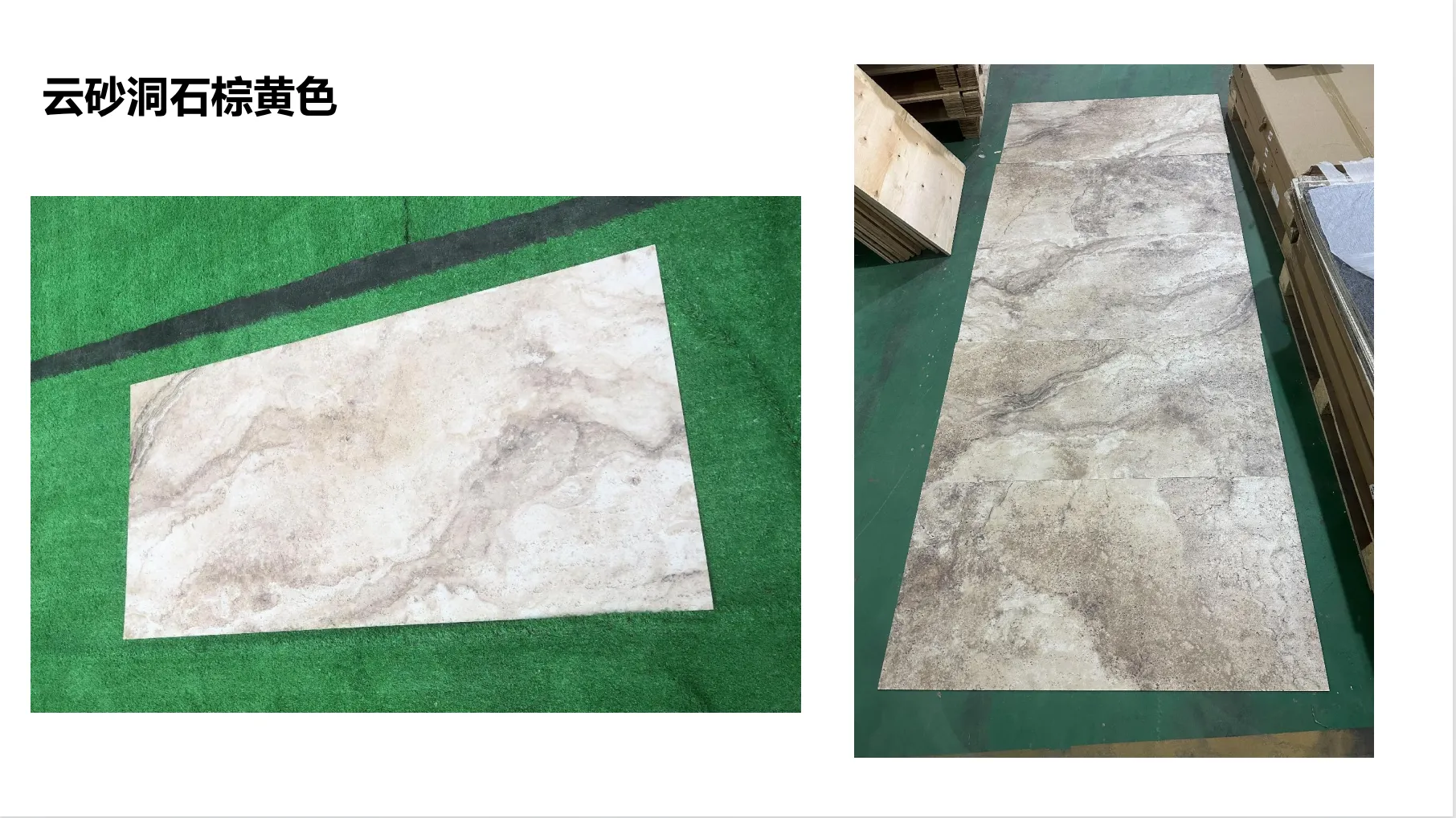
At first glance, dark grey dolomitic travertine might seem like just another stone. But lean in, and you'll discover a material with depth—a chameleon of texture and tone that adapts to its surroundings while maintaining a quiet confidence. Quarried from ancient deposits where mineral-rich waters once flowed, this travertine carries the marks of its formation: tiny fossilized bubbles, delicate veining in charcoal and slate, and a matte finish that softens even the harshest light.
What sets it apart from other dark stones? Its warmth . Unlike jet-black granite or cold marble, dark grey dolomitic travertine has undertones of taupe and soft charcoal that keep spaces feeling inviting, not stark. Run your hand across a slab, and you'll notice the gentle undulations—smooth yet tactile, like sand polished by the tide. It's a texture that invites touch, turning a hallway into a sensory experience.
And let's talk about versatility. This stone isn't picky. It works indoors and out, in kitchens and bathrooms, on walls and floors. Whether honed to a velvety finish for a bedroom or left with a more rustic edge for an outdoor patio, it maintains its core character: calm, grounded, and effortlessly sophisticated.
Modern minimalism thrives on contrast—not the clashing kind, but the kind that makes each element shine brighter. Dark grey dolomitic travertine is a master collaborator, playing well with other staples of the minimalist toolkit. Let's explore how it dances with a few key partners:
Fair-faced concrete is the workhorse of modern design—raw, industrial, and unapologetically honest. Pair it with dark grey dolomitic travertine, and something magical happens. The stone softens the concrete's coolness, while the concrete sharpens the travertine's organic texture. Imagine a living room with fair-faced concrete walls and a travertine floor: the walls provide a crisp, neutral backdrop, while the floor adds movement and warmth, turning a "blank canvas" into a space with soul.
For those who love monochrome, Lunar peak black is the perfect companion to dark grey dolomitic travertine. A engineered stone with a matte, almost velvety finish, Lunar peak black has a depth that mirrors the night sky—subtle flecks of silver and graphite that catch the light. Use it as an accent wall in a bathroom where dark grey travertine lines the shower, or as a countertop in a kitchen with travertine backsplash tiles. The result? A space that feels cohesive yet dynamic, proving that "all black everything" can be anything but flat.
Minimalism doesn't mean abandoning color—it means using it with intention. Enter rammed earth board (gradient): a material that blends layers of soft terracotta, sand, and clay, fading from warm peach to muted sienna. When paired with dark grey dolomitic travertine, this gradient adds a subtle pop of color without overwhelming the space. Picture a dining room with travertine flooring and a rammed earth accent wall behind the table: the stone grounds the room, while the gradient adds a touch of nature's artistry, making every meal feel like a quiet celebration of the earth.
| Material | Texture Profile | Best For | Why It Works with Dark Grey Dolomitic Travertine |
|---|---|---|---|
| Dark Grey Dolomitic Travertine | Matte, pitted, with soft veining | Floors, walls, countertops, outdoor patios | Its organic texture balances minimalist clean lines; warm undertones prevent starkness |
| Fair-Faced Concrete | Smooth, industrial, with subtle grain | Walls, fireplace surrounds, accent pieces | Cool, crisp finish contrasts with travertine's warmth, creating visual tension |
| Lunar Peak Black | Velvety matte, with metallic flecks | Accent walls, countertops, backsplashes | Deep black hue enhances travertine's grey undertones; flecks add lightness |
| Rammed Earth Board (Gradient) | Layered, earthy, with soft color transitions | Accent walls, fireplace fronts, feature panels | Warm gradient adds color without clutter; earthy roots complement travertine's natural origin |
Great materials don't just look good—they solve problems. Dark grey dolomitic travertine excels in both residential and commercial spaces, proving that beauty and functionality can coexist. Let's walk through a few scenarios where this stone takes center stage:
Take the Miller residence, a 2,000-square-foot home in Portland with a focus on "calm living." The architect, Sarah Lin, chose dark grey dolomitic travertine for the main living area flooring, extending it outdoors to the covered patio. "I wanted a material that would blur the line between inside and out," Sarah explains. "The travertine does that—it looks just as beautiful under natural light as it does under the home's recessed LEDs. And because it's durable, the Millers don't have to stress about kids or pets. It's a stone that grows with the family."
Inside, the travertine pairs with white oak cabinetry and fair-faced concrete fireplace walls. In the bathroom, it lines the shower floor and walls, its natural grip preventing slips, while a Lunar peak black vanity adds a touch of drama. "The space feels serene, not sterile," Sarah notes. "That's the power of travertine—it adds life without noise."
In downtown Seattle, the café "Quiet Light" has become a favorite among remote workers and book lovers. Owner Mia Chen wanted a space that felt "cozy yet put-together," and dark grey dolomitic travertine was her secret weapon. "We used it for the countertops and the floor around the seating area," Mia says. "It's easy to clean—coffee spills wipe right off—but it also has this warmth that makes people want to stay. Customers often comment on how 'grounded' the space feels, even with the city outside."
The travertine is paired with light wood tables and woven rattan chairs, while a rammed earth board (gradient) wall behind the counter adds a soft color gradient. "Minimalism here isn't about being cold," Mia adds. "It's about creating a space where the focus is on connection—with your coffee, your book, or the person next to you. The travertine helps with that; it's a neutral backdrop that lets the people and moments shine."
Nestled in the hills of Santa Barbara, the Ember House is a modern minimalist gem designed by architect Luisa Mendez. The home's exterior is clad in dark grey dolomitic travertine, its rough-hewn finish blending with the surrounding rock formations. "We wanted the house to feel like it emerged from the earth," Luisa says. "The travertine's natural texture helps it disappear into the landscape during the day, but at sunset, it glows—like embers from a fire."
Inside, the travertine continues into the entryway, where it meets a Lunar peak black staircase with floating oak treads. The contrast is striking: the stone's organic texture against the staircase's sharp lines, the dark grey against the black. "It's a study in balance," Luisa explains. "Too much travertine could feel heavy; too much black could feel cold. Together, they create a rhythm that guides you through the space."
The kitchen features travertine countertops and a backsplash, paired with fair-faced concrete cabinetry and brass fixtures. "Brass adds warmth, concrete adds edge, and travertine ties it all together," Luisa notes. "The result is a kitchen that's functional for cooking but also feels like a gallery—every material has a purpose."
Upstairs, the master bathroom is a sanctuary of texture: travertine shower walls, a freestanding soaker tub, and a rammed earth board (gradient) accent wall in soft terracotta. "The gradient wall is my favorite part," Luisa says. "It's a reminder that even in minimalism, nature's chaos has a place. The travertine grounds it, but the gradient adds that spark of life."
Modern minimalism and sustainability go hand in hand—and dark grey dolomitic travertine checks both boxes. Quarried using eco-friendly methods that minimize waste, this stone is a renewable resource (though it takes millions of years to form, responsible quarrying ensures we don't deplete deposits faster than they can regenerate). Its durability is another win: a well-maintained travertine floor can last a lifetime, reducing the need for frequent replacements and the environmental impact that comes with them.
Unlike synthetic materials, travertine is also breathable, helping regulate humidity in homes and reducing the need for energy-draining dehumidifiers. And when it does eventually reach the end of its life, it can be crushed and reused as aggregate for roads or landscaping—closing the loop on its lifecycle.
"Sustainability isn't just a buzzword for us," says Mia from Quiet Light Café. "It's about choosing materials that respect the planet while serving our needs. Dark grey dolomitic travertine does both. It's a stone that will outlive this café, and that gives me peace of mind."
In a world of fleeting design trends, dark grey dolomitic travertine stands apart as a timeless choice. It's been used in architecture for centuries—from ancient Roman baths to modern museums—and its appeal only grows stronger as we crave connection to the natural world. In modern minimalist spaces, it's more than a material; it's a storyteller, a bridge between the past and the present, and a reminder that true luxury lies in simplicity.
So whether you're building a home, designing a café, or revamping a bathroom, consider dark grey dolomitic travertine. It's a stone that doesn't just fill a space—it transforms it, turning clean lines into a canvas for warmth, texture, and the quiet beauty of the earth.
After all, modern minimalism is about finding joy in the essentials. And what's more essential than the earth beneath our feet?
Recommend Products












