
Picture this: You're standing in the middle of an empty room, sunlight streaming through the windows, and your mind is racing with possibilities. The walls are bare, the floors are a blank canvas, and you know the right material will turn this space into something unforgettable. Two names keep popping up in your research: Dark Grey Dolomitic Travertine and Marble. One feels like a quiet storyteller, grounded and full of texture; the other, a timeless icon, elegant and bold. Choosing between them isn't just about picking a stone—it's about choosing the voice of your space. Let's dive into their worlds: the beauty that catches the eye, the numbers that hit the wallet, and the day-to-day reality of living with each.
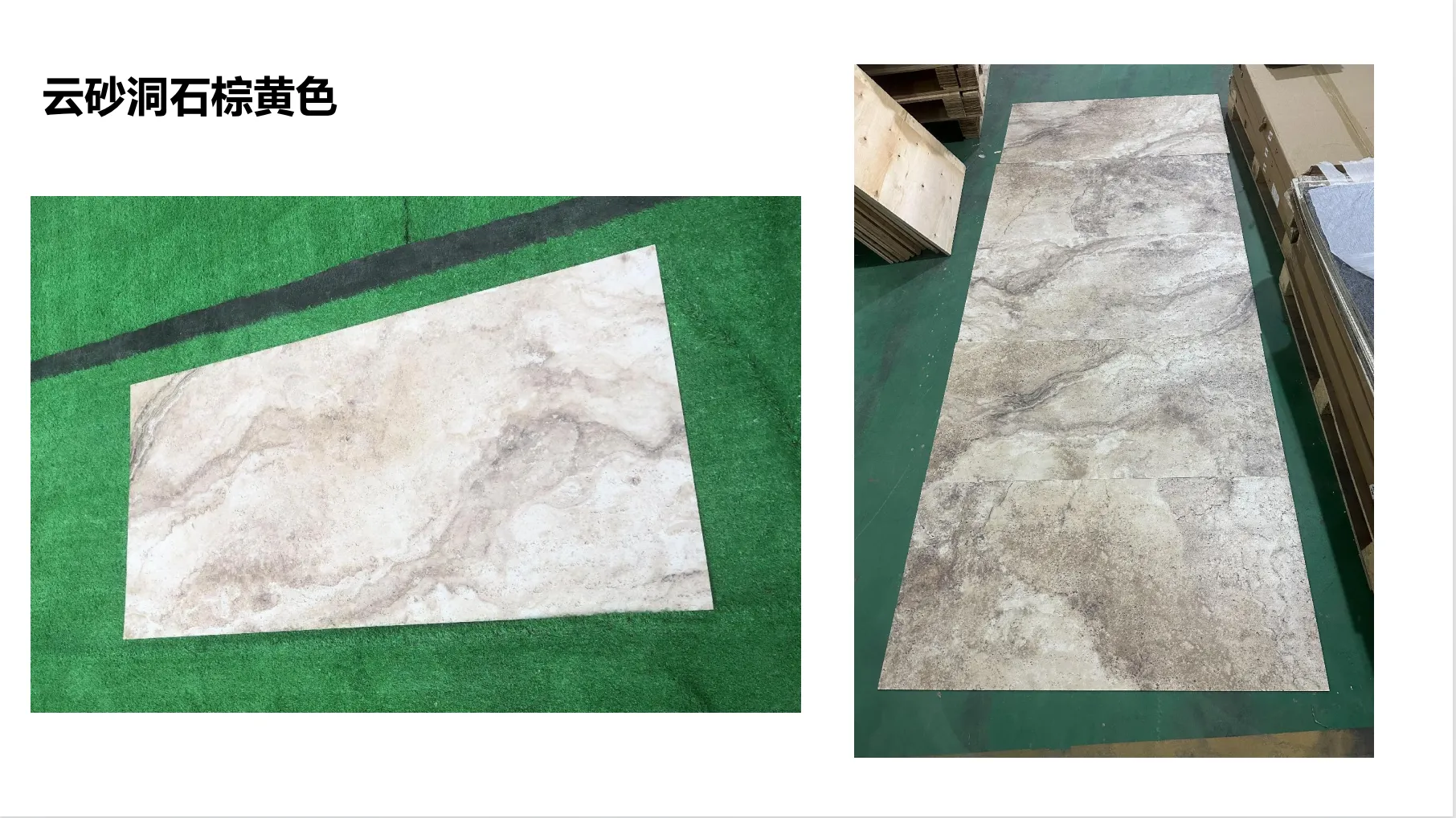
Beauty is subjective, but both Dark Grey Dolomitic Travertine and Marble have a way of stopping you in your tracks. Let's start with dolomitic travertine (dark grey) . This stone isn't here to shout—it whispers. Its surface is a tapestry of earthy, muted tones, where deep charcoal greys blend with soft hints of slate and even the occasional flicker of silver. What makes it truly unique is its texture: tiny, natural pits and grooves, like the marks left by a river that once flowed over its surface. Run your hand over it, and you'll feel history—each imperfection a reminder of the mineral-rich waters that formed it millions of years ago. It's the kind of stone that feels alive, like it's still evolving, making it perfect for spaces that crave warmth and character, whether a cozy living room or a rustic kitchen backsplash.
Now, Marble. The marble series is the definition of "grand entrance." Think of those iconic floors in ancient Roman villas or the sleek countertops in luxury hotels—marble has always been synonymous with opulence. Its veins are bold, unapologetic: creamy whites streaked with charcoal, gold, or even navy, like lightning frozen in stone. Unlike travertine's organic texture, marble is smooth, polished to a high sheen that reflects light and makes a room feel larger, brighter. It's a stone that demands attention without trying—ideal for statement walls, bathroom vanities, or dining areas where you want guests to gasp, "Wow, that's marble."
Here's the thing: Travertine's beauty is in its imperfection. Those pits? They're not flaws—they're conversation starters. Marble's beauty is in its perfection, a symphony of order in its chaos of veins. One feels like a walk through a misty forest; the other, a night at the opera. Which speaks to you?
Let's talk about the elephant in the room: budget. While beauty might make your heart race, cost will bring you back to earth. On average, dark grey dolomitic travertine tends to be the more budget-friendly option. Why? Travertine is often easier to extract and process, and its natural porosity (those pits we love) means it doesn't require the same level of polishing as marble. You'll typically find it priced between $4 and $8 per square foot for basic slabs, though larger or more custom cuts (think architectural big slab solutions ) can push that up.
Marble, on the other hand, is the luxury player. Its extraction is more labor-intensive, and its softness means it needs careful handling during cutting and polishing. Prices start around $8 per square foot for standard marble but can skyrocket to $20 or more for rare varieties or large, seamless slabs. If you're dreaming of a marble feature wall or a grand foyer floor, be prepared to allocate a bigger chunk of your budget. That said, marble's timeless appeal often feels like an investment—its value doesn't fade with trends.
| Material | Price Range (per sq. ft.) | Key Cost Factors |
|---|---|---|
| Dark Grey Dolomitic Travertine | $4 – $10 | Slab size, finish (honed/polished), custom cuts |
| Marble (Standard Varieties) | $8 – $25+ | Rarity, slab size, veining pattern, polishing |
A stone can be stunning, but if it can't keep up with your life, it'll lose its charm fast. Let's break down the day-to-day reality of dolomitic travertine (dark grey) and Marble.
Durability: Travertine is a tough cookie. It's denser than standard travertine, thanks to its dolomite content, making it more resistant to scratches and chips. It holds up well in high-traffic areas like entryways or kitchens, where kids, pets, and dropped pots are part of the routine. Marble, while beautiful, is softer and more porous. It's prone to etching from acidic substances (think lemon juice, wine) and can scratch easily. A rogue chair leg or a sharp toy could leave a permanent mark.
Maintenance: Travertine isn't entirely hands-off, but it's manageable. Because of its porosity, it needs to be sealed every 1–2 years to prevent stains. A quick wipe with a pH-neutral cleaner is usually all it takes for day-to-day care. Marble? It's high-maintenance. You'll need to seal it every 6–12 months, and even then, you'll hold your breath when someone spills coffee. Specialized marble cleaners are a must—forget about using vinegar or bleach. For busy households, travertine's "forgiving" nature might be a game-changer.
Installation: Both stones can be installed as slabs or panels, but travertine often shines here. Thanks to innovations like flexible stone cladding panels , travertine can be easier to handle and install, especially for vertical surfaces like accent walls. These panels are lightweight and adaptable, cutting down on installation time and labor costs. Marble, being heavier and more brittle, requires experienced installers to avoid cracks or breakage during placement—another added expense.
At the end of the day, the choice between Dark Grey Dolomitic Travertine and Marble comes down to your priorities. If you want a stone that feels like a partner in life—beautiful, resilient, and easy on the budget— dolomitic travertine (dark grey) is your match. It's perfect for family homes, commercial spaces, or anyone who wants texture without the stress.
If you're chasing that "forever elegance," and don't mind putting in the extra care, marble is worth every penny. It's a statement piece, ideal for low-traffic areas like master bathrooms, formal dining rooms, or boutique hotels where its luxury can take center stage.
Remember, there's no "wrong" choice here. Both stones tell a story—one of earthy resilience, the other of timeless grace. Whichever you pick, your space will thank you for choosing a material with heart. After all, the best rooms aren't just built with stone—they're built with intention.
Recommend Products












