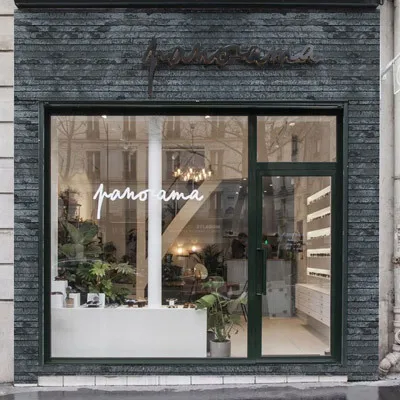
Walk through any contemporary cityscape, and you'll notice a quiet revolution unfolding in architecture—one that marries the weight of tradition with the lightness of innovation. Among the most striking examples is the pairing of Dark Grey Muretto Stone with sleek glass facades. It's a combination that feels both grounded and ethereal, like running your hand over aged stone while sunlight streams through a wall of glass, blurring the line between indoors and out. This isn't just about building materials; it's about crafting spaces that tell stories—of craftsmanship, of modernity, and of the timeless human desire to live in balance with beauty.
The Quiet Charisma of Dark Grey Muretto Stone
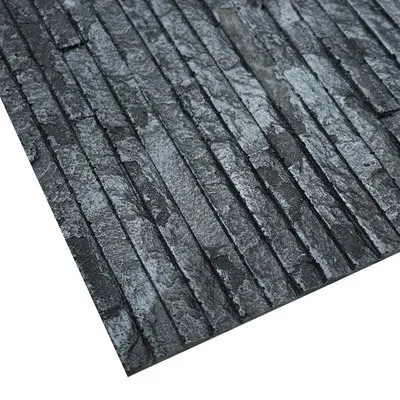
Let's start with the stone itself. Dark Grey
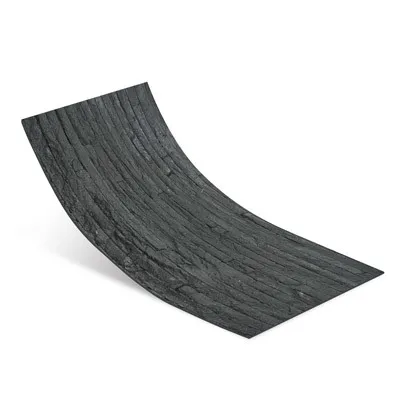
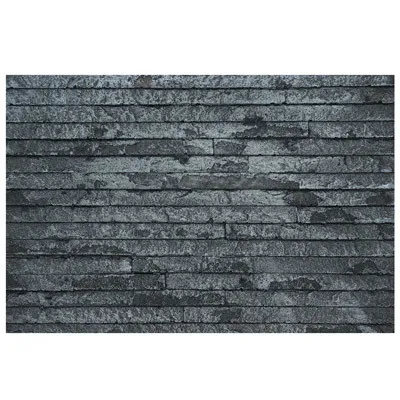
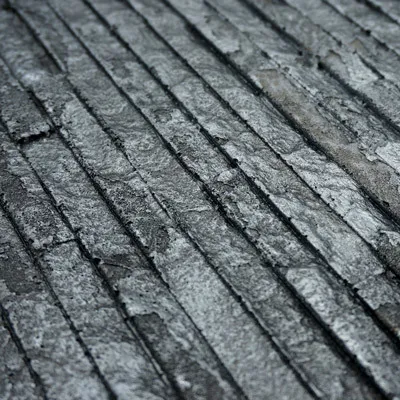
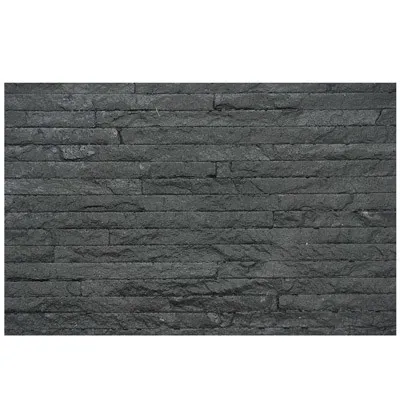
Muretto Stone isn't the flashy type—it doesn't demand attention with bold veins or bright hues. Instead, it draws you in with subtlety: a matte finish that softens under light, a texture that feels like it's been shaped by centuries of wind and rain, and a depth of color that shifts from charcoal to warm ash depending on the time of day. There's a tactile quality to it, too; run your palm across its surface, and you'll feel the gentle ridges of hand-laid craftsmanship, a reminder that this material isn't just "produced"—it's created.
What makes Dark Grey
Muretto Stone so special? Part of its allure is its versatility. Unlike some stones that feel locked into a single era, this one bridges the gap between old-world charm and contemporary cool. It's been used in everything from rustic Italian villas to cutting-edge urban lofts, and it adapts seamlessly. Maybe it's the way its neutral palette acts as a canvas, letting other elements—like glass, metal, or wood—shine, or perhaps it's the durability that comes from its dense composition, ensuring it stands up to harsh weather and the test of time without losing its character.
There's also a story in its name. "Muretto" translates to "small wall" in Italian, hinting at its heritage in traditional masonry. But today's Dark Grey
Muretto Stone isn't stuck in the past. Modern manufacturing techniques have refined its consistency while preserving the organic, handcrafted look that makes it so appealing. It's a material that honors history without being trapped by it—a perfect metaphor for the kind of architecture it helps create.
Glass Facades: Light, Air, and the Art of Transparency
Now, pair that stone with glass facades, and something magical happens. Glass, in this context, isn't just a window—it's a statement. It's about transparency, about inviting the outside in, about letting light be the true "decor" of a space. Think of a morning in a building wrapped in glass: sunlight floods the interiors, turning concrete floors into pools of gold, and making even the smallest room feel expansive. At night, the effect reverses; the building glows from within, the glass acting as a lantern that softens the stone's solidity into something almost poetic.
But glass facades aren't just about aesthetics—they're deeply functional. They maximize natural light, reducing the need for artificial lighting and creating spaces that feel healthier and more energizing. They also offer panoramic views, turning city skylines or natural landscapes into living art. And let's not forget sustainability: modern glass is often double or triple-glazed, with low-emissivity coatings that keep heat in during winter and out during summer, making buildings more energy-efficient. It's a material that works as hard as it looks good.
Harmony in Contrast: Why Stone and Glass Belong Together
So, what happens when you put these two materials side by side? It's all about balance. Dark Grey
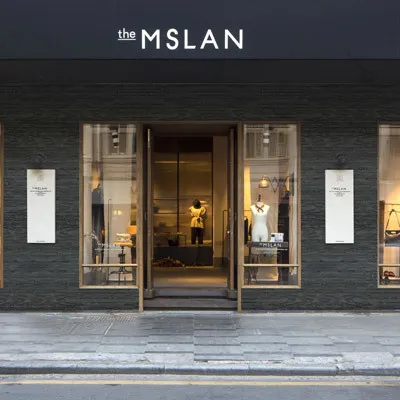
Muretto Stone brings weight and warmth—qualities that make a building feel rooted, like it belongs in its environment. Glass, on the other hand, brings lightness and openness, preventing the structure from feeling heavy or closed off. Together, they create a dance of opposites: solid vs. transparent, earthy vs. airy, tactile vs. visual.
Take a commercial building, for example. Imagine the ground floor clad in Dark Grey
Muretto Stone—strong, welcoming, grounding visitors as they enter. Above it, a glass facade rises, flooding the offices with light and offering views of the city. The stone anchors the building, while the glass lifts it, creating a sense of upward movement. It's a visual rhythm that feels natural, almost instinctive.
Then there's the sensory experience. Stand outside, and your eyes are drawn to the contrast: the stone's rough texture against the glass's smooth surface, the way rain beads on the glass but soaks into the stone's pores, leaving dark streaks that vanish as it dries. Step inside, and the stone's warmth (it retains heat, making spaces feel cozy) balances the glass's coolness (it reflects light, keeping rooms bright but not stuffy). It's a combination that engages more than just sight—it invites touch, sound, even smell (the faint earthiness of the stone, the fresh air filtering through open glass panels).
While Dark Grey
Muretto Stone and glass are stars of the show, they play well with others. Two materials that often steal the spotlight as supporting actors are
Fair-faced Concrete and
Wood Grain Board. Let's talk about why they fit so seamlessly into this design narrative.
Fair-faced Concrete, with its raw, industrial charm, shares the stone's love of texture but adds a modern edge. Its smooth yet slightly porous surface complements the stone's more rugged feel, and its neutral gray tones echo the Muretto's palette, creating a cohesive look. When paired with glass, it adds another layer of contrast—cooler than stone, more understated than wood—making it ideal for spaces that want to feel contemporary but not cold. Think of a lobby where Dark Grey
Muretto Stone lines one wall,
Fair-faced Concrete the other, and glass overhead—suddenly, the room feels like a gallery, where the materials themselves are the art.
Then there's
Wood Grain Board, which brings warmth and organic softness to the mix. Its natural patterns—swirls of light and dark, knots and grains—add a touch of nature, balancing the stone's earthiness and the glass's sleekness. Whether used as accent walls, ceiling panels, or even furniture, it introduces a tactile element that feels familiar and comforting. Imagine a residential space: Dark Grey
Muretto Stone on the exterior, glass windows framing the view, and inside,
Wood Grain Board cabinets and floors. It's like bringing the outdoors in, but in a way that feels curated, not chaotic.
A Closer Look: Comparing Key Materials
To better understand how these materials work together, let's break down their unique traits and how they complement Dark Grey
Muretto Stone and glass:
|
Material
|
Texture Profile
|
Color Palette
|
Compatibility with Glass
|
Best Use Cases
|
|
Dark Grey Muretto Stone
|
Rugged, handcrafted ridges; matte finish
|
Charcoal to warm ash; shifts with light
|
Anchors glass, adds earthy balance
|
Exteriors, accent walls, entryways
|
|
Fair-faced Concrete
|
Smooth, slightly porous; industrial edge
|
Light to medium gray; uniform but organic
|
Enhances glass's modernity; cools the palette
|
Lobbies, stairwells, minimalist interiors
|
|
Wood Grain Board
|
Soft, varied grains; warm to the touch
|
Natural browns, beiges, and taupes
|
Adds warmth to glass's cool transparency
|
Residential interiors, ceiling panels, furniture
|
From Concept to Reality: Real-World Applications
Let's move from theory to practice. Where do we see this beautiful pairing of Dark Grey
Muretto Stone and glass in action? The answer is everywhere—from cozy homes to sprawling commercial complexes.
Take a boutique hotel, for instance. Picture a low-rise building where the lower level is wrapped in Dark Grey
Muretto Stone, its rough surface inviting guests to reach out and touch it. Above, floor-to-ceiling glass windows let in sunlight, turning guest rooms into bright, airy retreats. The lobby? A mix of stone, glass, and
Wood Grain Board: a stone fireplace, glass walls overlooking a courtyard, and wood-accented ceilings. It's a space that feels both luxurious and approachable, where every material has a purpose.
Or consider a public library. Here, Dark Grey
Muretto Stone might line the exterior, giving the building a sense of permanence and trustworthiness—fitting for a place that houses knowledge. The interior, however, is flooded with light from glass facades, making reading nooks feel open and inviting.
Fair-faced Concrete shelves hold books, their industrial vibe balancing the stone's warmth, while
Wood Grain Board benches offer a cozy spot to sit. It's a space that honors the past (the stone's heritage) while embracing the future (the glass's openness).
Even residential homes are getting in on the trend. Imagine a suburban house with a Dark Grey
Muretto Stone accent wall in the backyard, paired with sliding glass doors that disappear into the walls during summer. The stone acts as a backdrop for outdoor gatherings, while the glass blurs the line between the patio and the living room. Inside,
Wood Grain Board floors and
Fair-faced Concrete countertops tie the look together, creating a home that feels both connected to nature and rooted in modern design.
Timelessness in a Fast-Changing World
In a world where design trends come and go—think neon accents, shag carpets, or mirrored walls—what makes the pairing of Dark Grey
Muretto Stone and glass feel timeless? Maybe it's the way they tap into something universal: our love of nature (the stone's earthiness), our desire for connection (the glass's transparency), and our need for balance (the contrast of solid and light). These are not fleeting preferences; they're human constants.
Dark Grey
Muretto Stone, with its links to traditional masonry, brings a sense of history—reminding us that good design doesn't have to reject the past. Glass, with its focus on light and openness, speaks to our future-oriented optimism. Together, they create spaces that feel both rooted and forward-thinking, which is why they work as well in a 100-year-old renovation as they do in a brand-new skyscraper.
As architects and designers continue to push boundaries, we'll likely see this pairing evolve—maybe with new glass technologies (self-cleaning, energy-efficient, color-tinted) or innovative stone treatments (thinner slabs, custom textures). But at its core, the magic will remain the same: the quiet interplay of two materials that, on the surface, seem opposites, but in reality, are perfect partners.
Final Thoughts: Building Spaces That Breathe
At the end of the day, architecture is about more than just walls and roofs—it's about creating spaces that make us feel something. Dark Grey
Muretto Stone and glass facades, when paired thoughtfully, do exactly that. They create buildings that are not just structures, but experiences: places where you can feel the earth beneath your feet (thanks to the stone), the sun on your face (thanks to the glass), and the quiet confidence of a design that knows exactly what it is.
So the next time you pass a building that makes you stop and stare—one with a stone base and glass rising above—take a moment to appreciate the harmony. It's a reminder that the best design isn't about choosing between old and new, rough and smooth, solid and transparent. It's about choosing all of them, and letting them dance together. After all, isn't that what life is about? Balancing the things that ground us with the things that lift us up.