
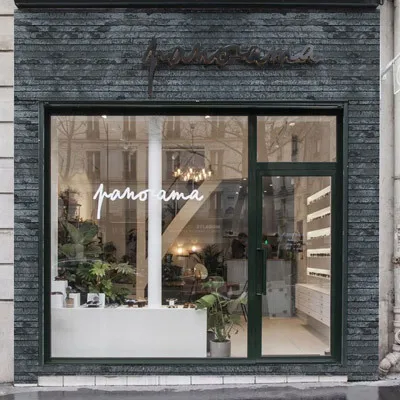
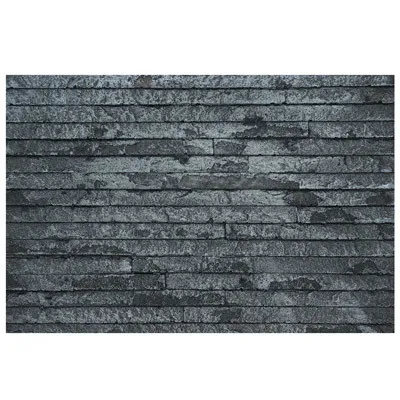
Walk into any modern architectural space today, and there's a good chance you'll encounter a material that feels both timeless and contemporary—Dark Grey Muretto Stone. With its muted charcoal hue, soft yet textured surface, and subtle undertones of taupe, this stone has quietly become a staple in interiors and exteriors alike. Originating from regions known for their high-quality masonry traditions, Muretto Stone (derived from the Italian "muretto," meaning "small wall") was historically used in rustic European villas, but its dark grey variant has been reimagined for the 21st century. It's not just its color that draws designers in; it's the stone's versatility. Unlike bold marbles or flashy granites, Dark Grey Muretto acts as a neutral canvas—one that elevates other materials rather than overshadowing them. Its texture, a blend of fine grains and gentle ridges, adds depth without chaos, making it the perfect partner for everything from warm woods to sleek metals. Let's dive into how this unassuming stone forms harmonious relationships with some of today's most popular building materials.
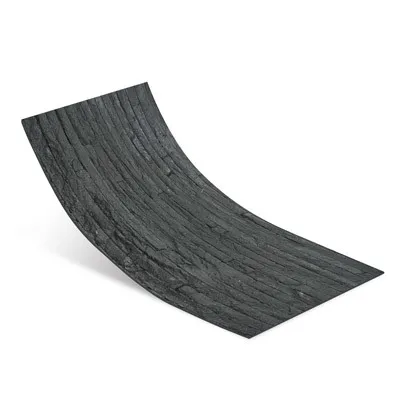
Material compatibility in design isn't just about aesthetics—it's about balance. A space feels cohesive when materials "speak" to each other, whether through shared textures, complementary colors, or contrasting personalities. Dark Grey Muretto excels here because it doesn't demand attention; instead, it listens. Its cool, earthy tone (think storm clouds meeting wet soil) pairs effortlessly with warm materials, while its organic texture softens the sharp edges of industrial elements. Designers often describe it as a "chameleon material"—one that adapts to the mood of a room, whether that's cozy and residential or sleek and commercial. Let's explore some of its most striking partnerships.
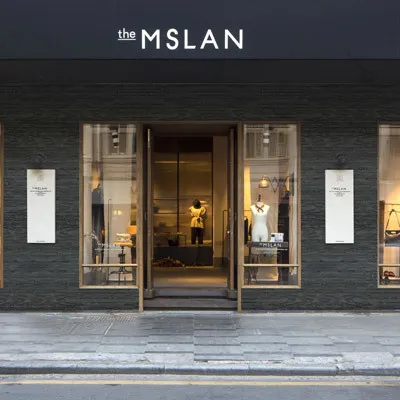
There's something inherently inviting about the combination of stone and wood. Dark Grey Muretto, with its cool, grounded presence, becomes infinitely warmer when paired with Wood Grain Board—a material that mimics the look of natural timber with the durability of modern composites. Imagine stepping into a living room where the feature wall is clad in Dark Grey Muretto, its rough-hewn surface catching the light. Opposite it, the flooring is Wood Grain Board in a medium oak finish, its subtle knots and grain patterns echoing the stone's texture. The contrast is striking but not jarring: the stone's coolness tempers the wood's warmth, creating a space that feels both rustic and refined.
In practice, this pairing works wonders in open-concept homes. For example, a kitchen with Dark Grey Muretto backsplash tiles and Wood Grain Board cabinetry feels balanced—no single material dominates. The stone resists heat and moisture (key for kitchen walls), while the wood adds a touch of homeliness that stone alone might lack. Even in bedrooms, using Dark Grey Muretto as an accent wall behind a bed frame made of Wood Grain Board creates a focal point that's both calming and visually interesting. It's a partnership that feels lived-in, like a space that's evolved over time rather than being "designed" overnight.
What makes this combination so successful? It's the shared organic quality. Both materials have "history"—the stone bears the marks of geological time, and the wood grain evokes the growth rings of trees. Together, they tell a story of nature's beauty, translated into modern living.
For spaces that lean into industrial or contemporary design, Dark Grey Muretto finds an unexpected soulmate in Foamed Aluminium Alloy Board—specifically, its vintage silver and vintage gold variants. Foamed aluminium, with its lightweight yet strong composition and matte metallic finish, brings an urban, almost futuristic edge. When paired with Dark Grey Muretto's earthy texture, the result is a space that feels both grounded and forward-thinking.
Take, for instance, a boutique hotel lobby. The reception desk, wrapped in Foamed Aluminium Alloy Board (vintage silver), gleams softly under recessed lighting. Behind it, a wall of Dark Grey Muretto rises, its rough surface offsetting the metal's smoothness. The silver metal picks up the stone's subtle grey undertones, creating a monochromatic palette that's anything but boring. Add in a few potted plants, and suddenly the space feels like a bridge between the industrial age and the natural world. It's no wonder this pairing is popular in commercial spaces—restaurants, co-working offices, art galleries—where the goal is to make a statement without feeling cold.
Vintage gold Foamed Aluminium takes the partnership in a more luxurious direction. Imagine a high-end retail store where Dark Grey Muretto lines the walls, and gold aluminium shelves hold designer products. The gold adds warmth to the stone's coolness, creating an atmosphere of understated opulence. Unlike shiny brass or chrome, vintage gold has a muted, aged quality that complements Muretto's timelessness. It's a combination that says "luxury" without screaming it—perfect for brands that value sophistication over flash.
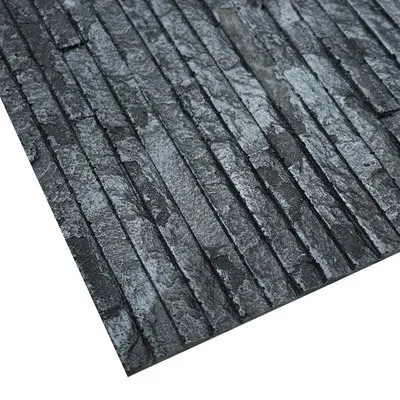
Minimalist design thrives on restraint, and few materials embody that ethos better than fair-faced concrete. With its raw, unpolished surface and uniform grey color, it's the epitome of "less is more." Pair it with Dark Grey Muretto, and you get a masterclass in monochromatic design—two materials that share a color family but bring distinct textures to the table.
Public buildings, such as libraries or community centers, often use this pairing to great effect. Picture a reading room with fair-faced concrete floors and Dark Grey Muretto walls. The concrete's smooth, almost liquid-like surface contrasts with the stone's more tactile texture, creating visual interest without color distraction. Sunlight streaming through large windows highlights the differences: the concrete reflects light evenly, while the Muretto absorbs it, creating shadows that dance across the wall. It's a space that feels calm and focused—ideal for concentration.
Outdoor spaces benefit from this partnership too. A courtyard with a fair-faced concrete patio and Dark Grey Muretto planters feels cohesive yet dynamic. The concrete's durability stands up to weather, while the stone's natural resistance to fading ensures the planters look good for years. Even in residential exteriors, combining fair-faced concrete siding with Muretto stone accents (around windows or doorways) adds depth to a minimalist home, proving that monochrome doesn't have to mean monotonous.
What's the secret here? Both materials are "honest." They don't pretend to be something they're not—concrete is concrete, stone is stone. Together, they celebrate authenticity, a quality that resonates with modern homeowners and architects alike.
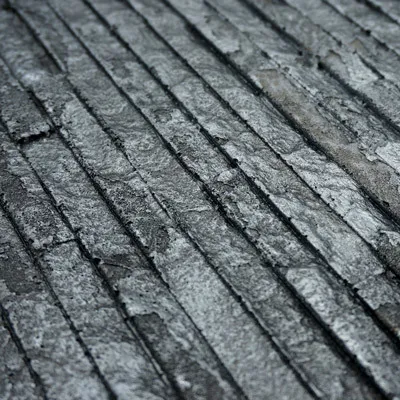
Pairing stone with stone might seem risky—after all, too many textures can create chaos—but Dark Grey Muretto and Travertine (vintage silver) prove that when done right, it's pure elegance. Travertine, with its porous surface and warm beige-to-silver tones, has been a design staple since ancient Roman times. Its vintage silver variant, with subtle grey veining and a weathered finish, complements Dark Grey Muretto in ways that feel both historical and fresh.
In luxury bathrooms, this combination shines. Imagine a shower stall with Dark Grey Muretto walls and a Travertine (vintage silver) floor. The Muretto's dark color makes the shower feel enclosed and cozy, while the Travertine's lighter tone brightens the space. The contrast in texture—Muretto's fine grains vs. Travertine's pitted surface—adds visual interest, turning a functional area into a spa-like retreat. Even better, both stones are naturally slip-resistant when sealed, making them practical for wet spaces.
Commercial lobbies also embrace this pairing. A hotel entrance with a Dark Grey Muretto feature wall and Travertine (vintage silver) flooring exudes grandeur without being ostentatious. The Muretto adds drama, while the Travertine grounds the space, creating a sense of arrival that's both impressive and welcoming. Designers often use large-format Travertine tiles to create a seamless flow, with Muretto accents (like column cladding) breaking up the expanse. It's a combination that feels timeless—like stepping into a space that will still look sophisticated 50 years from now.
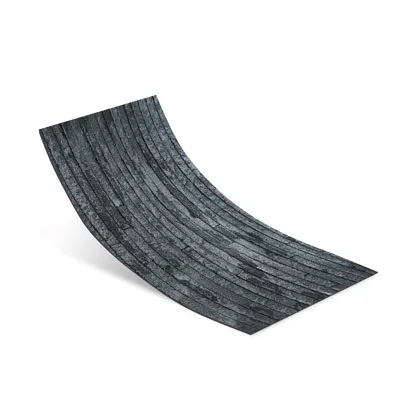
| Material | Key Traits | Compatibility with Dark Grey Muretto | Best Use Cases |
|---|---|---|---|
| Wood Grain Board | Warm, textured, natural grain patterns; durable, easy to clean | High—balances cool stone with warm wood; texture contrast enhances coziness | Residential living rooms, kitchens, bedrooms |
| Foamed Aluminium Alloy Board (Vintage Silver) | Sleek, metallic, lightweight; industrial-chic aesthetic | High—urban edge softens Muretto's earthiness; monochromatic palette feels modern | Commercial lobbies, retail stores, co-working spaces |
| Fair-Faced Concrete | Raw, uniform, minimalist; durable, fire-resistant | Very High—shared grey tones create harmony; texture contrast adds depth | Public buildings, outdoor patios, minimalist homes |
| Travertine (Vintage Silver) | Porous, warm silver-beige; timeless, slip-resistant | High—stone-on-stone elegance; historical reference meets modern design | Luxury bathrooms, hotel lobbies, high-end restaurants |
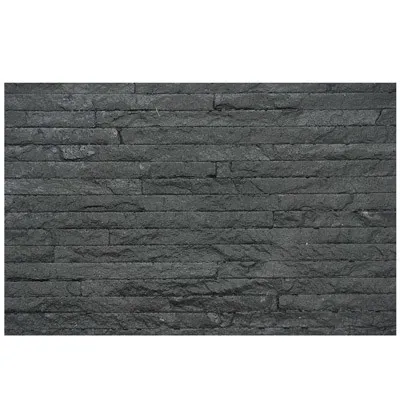
At the end of the day, what makes Dark Grey Muretto Stone such a standout material is its ability to adapt. It doesn't force other materials to conform to its style; instead, it bends to complement them, creating spaces that feel intentional and harmonious. Whether paired with the warmth of Wood Grain Board, the edge of Foamed Aluminium, the simplicity of Fair-Faced Concrete, or the elegance of Travertine, it brings out the best in its partners.
Designers and homeowners alike are drawn to this stone not just for its looks, but for its practicality. It's durable enough for high-traffic areas, easy to maintain, and versatile enough to fit into any design style—from rustic to minimalist to industrial. In a world where trends come and go, Dark Grey Muretto remains a constant, a material that feels both rooted in tradition and ready for the future.
So the next time you're planning a space, consider the quiet power of Dark Grey Muretto Stone. It might just be the missing piece that turns a good design into a great one—proving that sometimes, the most memorable materials are the ones that know how to share the spotlight.
Recommend Products












